

 Select Language
The rapid proliferation of autonomous systems across industrial, commercial, and research sectors has placed a newfound emphasis on the physical architecture of movement. While a robot’s artificial intelligence serves as its brain, its mobility system is the physical medium through which it interacts with the world. Achieving peak performance in a robotic platform requires a deep understanding of the synergy between the drive components and the ground-contact surfaces. Selecting the appropriate configuration is not merely a matter of size; it is an exercise in balancing torque, friction, and structural integrity. This guide explores the critical factors involved in optimizing robotic locomotion, ensuring that your machine can navigate complex environments with precision and reliability.
The Critical Role of Precision Robot Track Wheels in Drive Efficiency
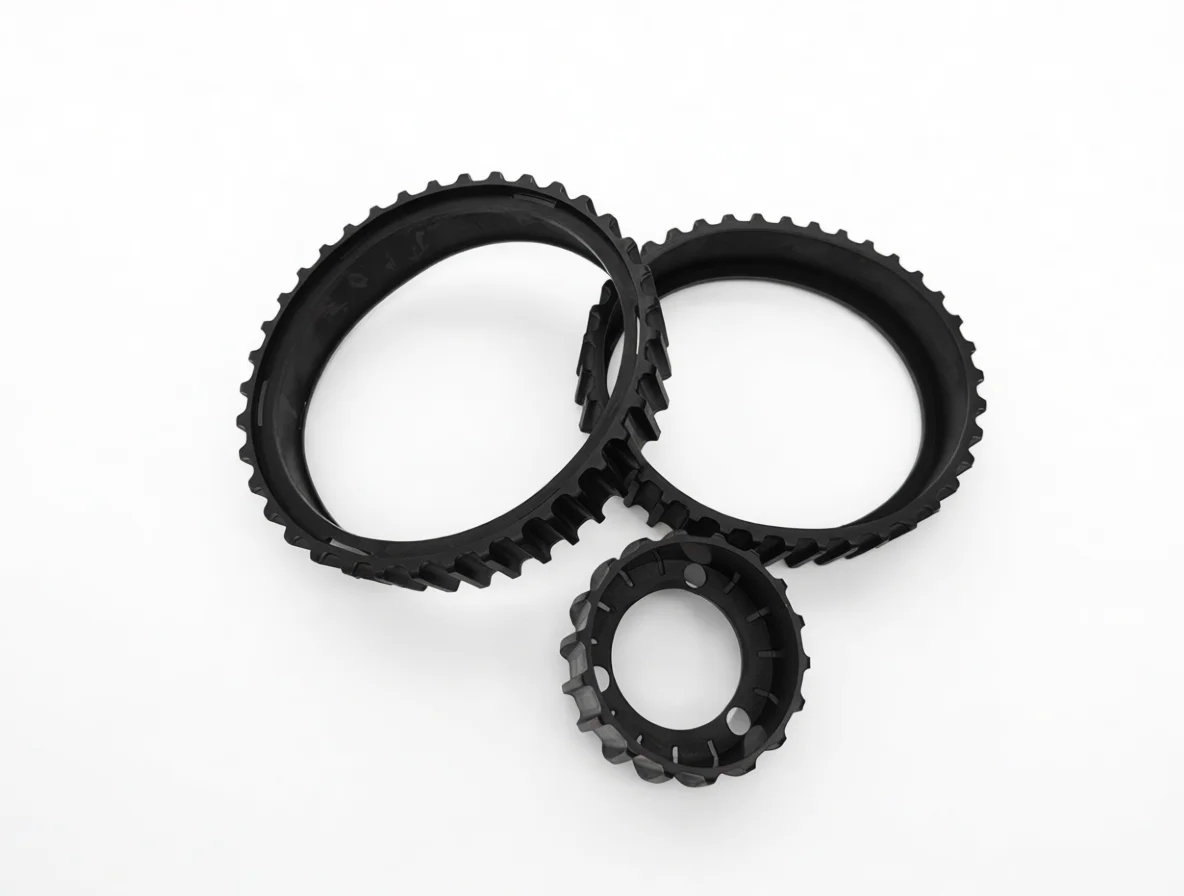
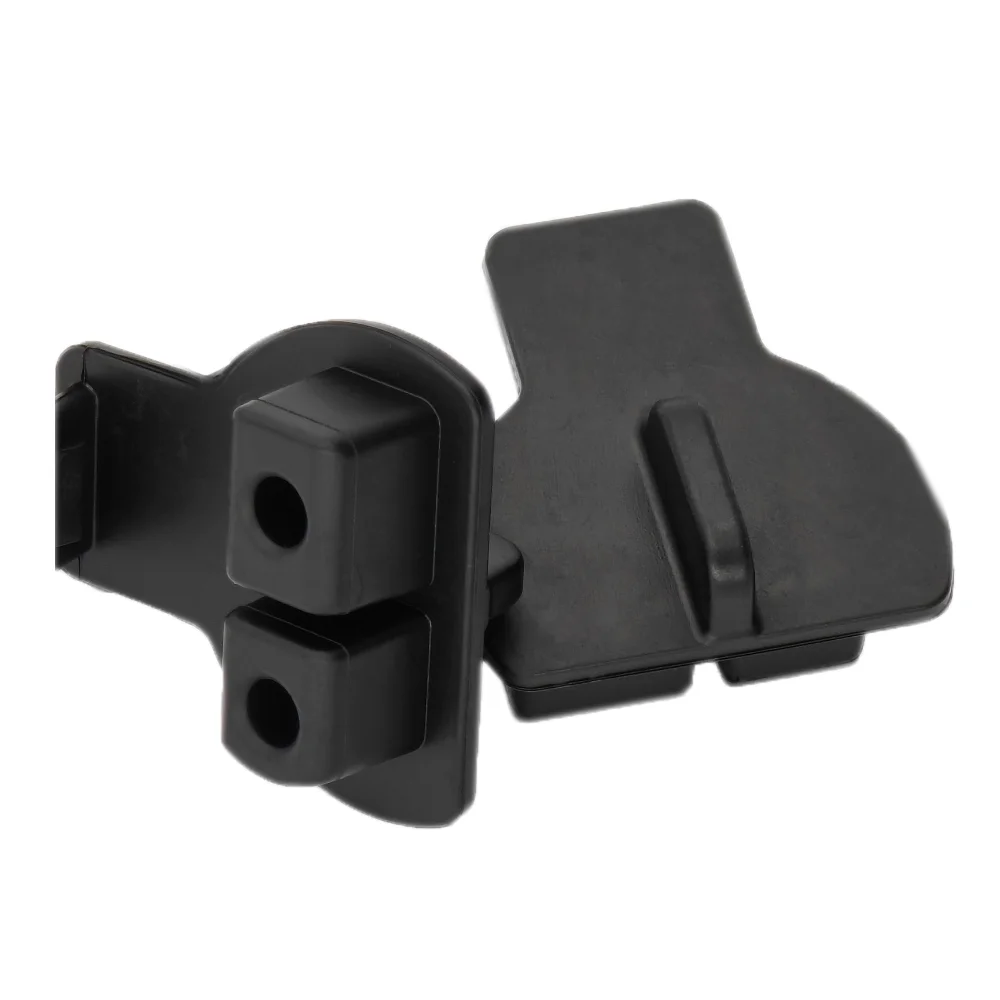
When designing a tracked platform, the internal components that guide and propel the system are just as important as the treads themselves. The robot track wheels—which include the drive sprockets, idlers, and road wheels—function as the skeletal support for the entire locomotion system. The drive wheel, in particular, must be precisely engineered to mesh with the internal geometry of the track. If the tooth profile of the sprocket does not align perfectly with the track’s drive lugs, the resulting friction causes rapid wear and significant energy loss.
In high-performance robotics, the idler and road wheels play a vital role in maintaining the "track tension." A track that is too loose will "throw" or derail during high-speed turns, while a track that is too tight creates excessive load on the motors and bearings. Professional-grade robot track wheels are often designed with integrated tensioning mechanisms or suspension systems that allow the track to conform to the terrain. This adaptability ensures that the maximum surface area remains in contact with the ground at all times, providing the stability needed for sensitive sensor arrays to capture accurate data while the robot is in motion.
Mastering the Fundamentals of Robot Track Geometry
The success of a mobile platform begins at the drawing board with the robot track design. This phase involves more than just choosing a length and width; it requires a holistic view of the robot’s intended mission. For example, a "long-track" design provides excellent stability for climbing stairs or crossing trenches, while a "short-track" or "triangular" design offers better maneuverability in tight, indoor spaces. The geometry of the track determines the robot's "ground pressure," a critical metric for machines operating on soft soil or fragile surfaces.
Furthermore, a well-conceived robot track design must account for the environment’s debris. In muddy or sandy conditions, a poorly designed track can become "clogged," leading to increased resistance and eventual mechanical jam. Modern designs incorporate self-cleaning features, such as mud-evacuation ports and angled lug patterns that naturally eject stones and dirt as the track rotates. By prioritizing these mechanical nuances during the design phase, engineers can ensure that the robot remains operational in conditions that would paralyze a more traditional wheeled vehicle.
The Durability of Tank Treads for Robots in Extreme Terrains
When a robot is deployed into a disaster zone or a remote construction site, it requires a level of ruggedness that only tank treads for robots can provide. This "continuous loop" locomotion style allows the machine to effectively carry its own road, bridging gaps and surmounting obstacles that would trap a wheeled alternative. The primary advantage of tank treads is their ability to distribute the robot's weight over a massive area. This prevents the machine from sinking into soft substrates like snow, sand, or deep mud, making it the definitive choice for all-terrain exploration.
The durability of tank treads for robots is also found in their inherent redundancy. Because the tread consists of a wide band rather than a single point of contact, the robot can maintain its heading even if a portion of the tread is damaged or loses grip on a patch of ice. This reliability is why tracked systems are the standard for military and high-stakes industrial applications. By opting for a tank-tread configuration, developers are investing in a mobility system that can survive the unpredictable challenges of the real world, ensuring that the robot can complete its mission regardless of the surface conditions.
Material Innovation: The Advantages of Rubber Robot Tracks
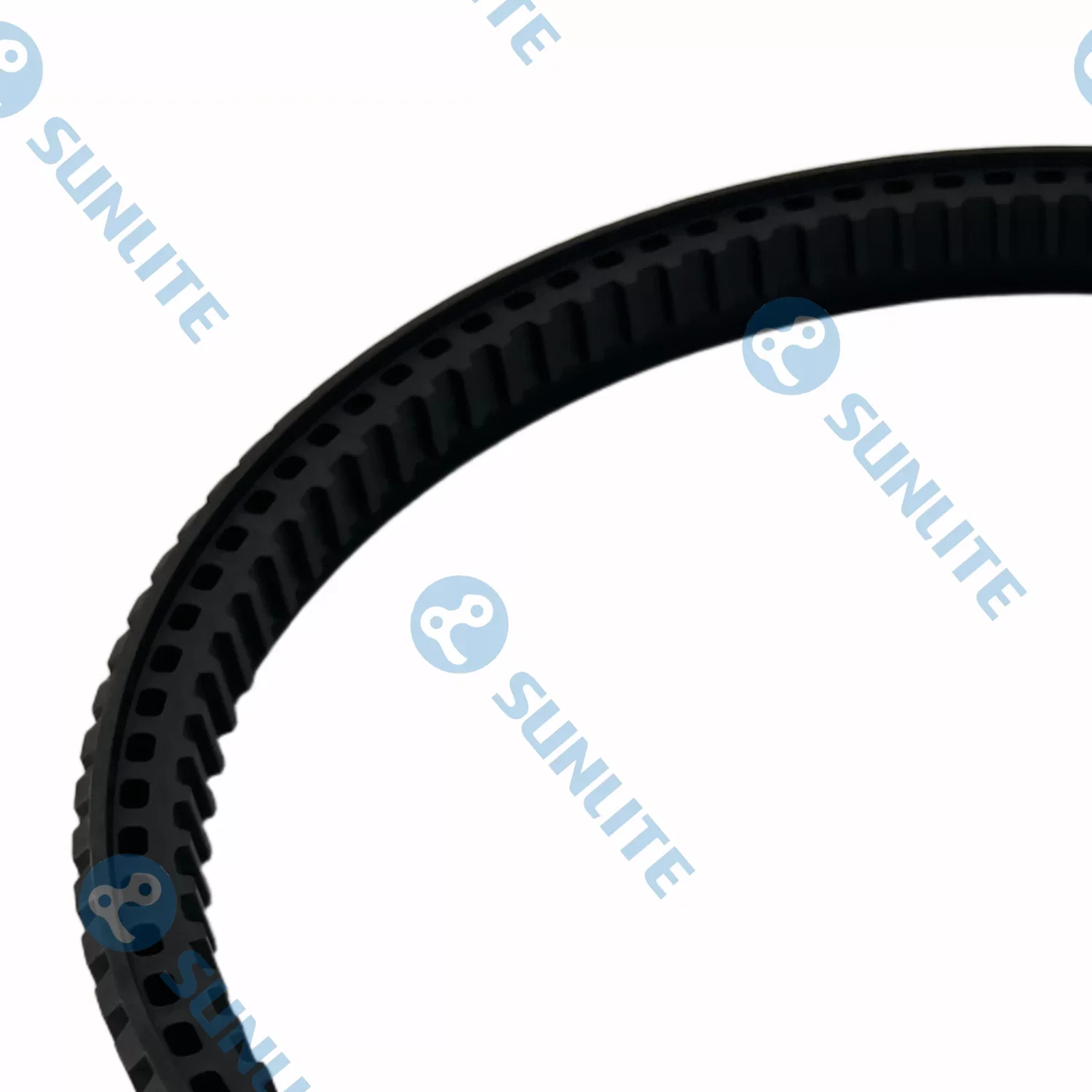
While historical tracked vehicles relied on heavy, loud, and destructive metal links, the modern robotics industry has pivoted toward rubber robot tracks. The move to high-performance elastomers has revolutionized how robots move through both indoor and outdoor environments. These tracks are manufactured using multi-layer vulcanization, often incorporating internal steel cords or aramid fibers to provide the tensile strength needed to prevent stretching under load.
The benefits of rubber robot tracks are multi-faceted. First, they offer excellent vibration dampening, which is essential for protecting sensitive onboard electronics like LiDAR and high-definition cameras. Second, they are "non-marring," meaning they can navigate a polished warehouse floor without leaving streaks or damaging the surface. Third, the natural flexibility of rubber allows the track to "grip" onto smooth surfaces like metal inclines or wet tiles. This combination of stealth, protection, and traction makes rubber the superior material for the vast majority of modern autonomous applications, from security patrols to hospital delivery units.
Integrating a Holistic Robot Track System for Peak Performance
Ultimately, the goal of optimizing mobility is to ensure that the robot track acts as a seamless extension of the machine's intent. This requires a meticulous integration of all the components discussed. The material of the rubber robot tracks must be matched to the operational temperature of the environment; the tooth profile of the robot track wheels must be synchronized with the pitch of the tread; and the overall robot track design must facilitate the robot's specific navigational needs.
When these elements are correctly aligned, the result is a robotic platform that feels light on its "feet" despite carrying a heavy payload. It moves with a quiet, efficient grace that belies its rugged capabilities. By focusing on the selection of the right treads and wheels, you are doing more than just building a drive train; you are creating a foundation for reliable autonomy. Whether your robot is exploring the depths of a cave or patrolling a suburban sidewalk, the quality of its tracks will be the final arbiter of its success. In the competitive world of robotics, superior mobility is not just a feature—it is the fundamental requirement that allows technology to move from the lab and into the life of the user.
The rapid proliferation of autonomous systems across industrial, commercial, and research sectors has placed a newfound emphasis on the physical architecture of movement.