

 Select Language
In the demanding world of industrial manufacturing, the stability of heavy machinery is not merely a matter of operational efficiency; it is a critical factor in structural preservation and workplace safety. As machines grow in power and complexity, the kinetic energy they generate can manifest as destructive oscillations. To counteract this, engineers rely on the sophisticated internal architecture of the multi-layer vibration absorber pad. Unlike simple rubber mats of the past, these modern components are precision-engineered "sandwiches" of science, designed to decouple massive equipment from the building's foundation and neutralize the energy of high-impact operations.
The Structural Hierarchy of the Multi-layer Vibration Absorber Pad
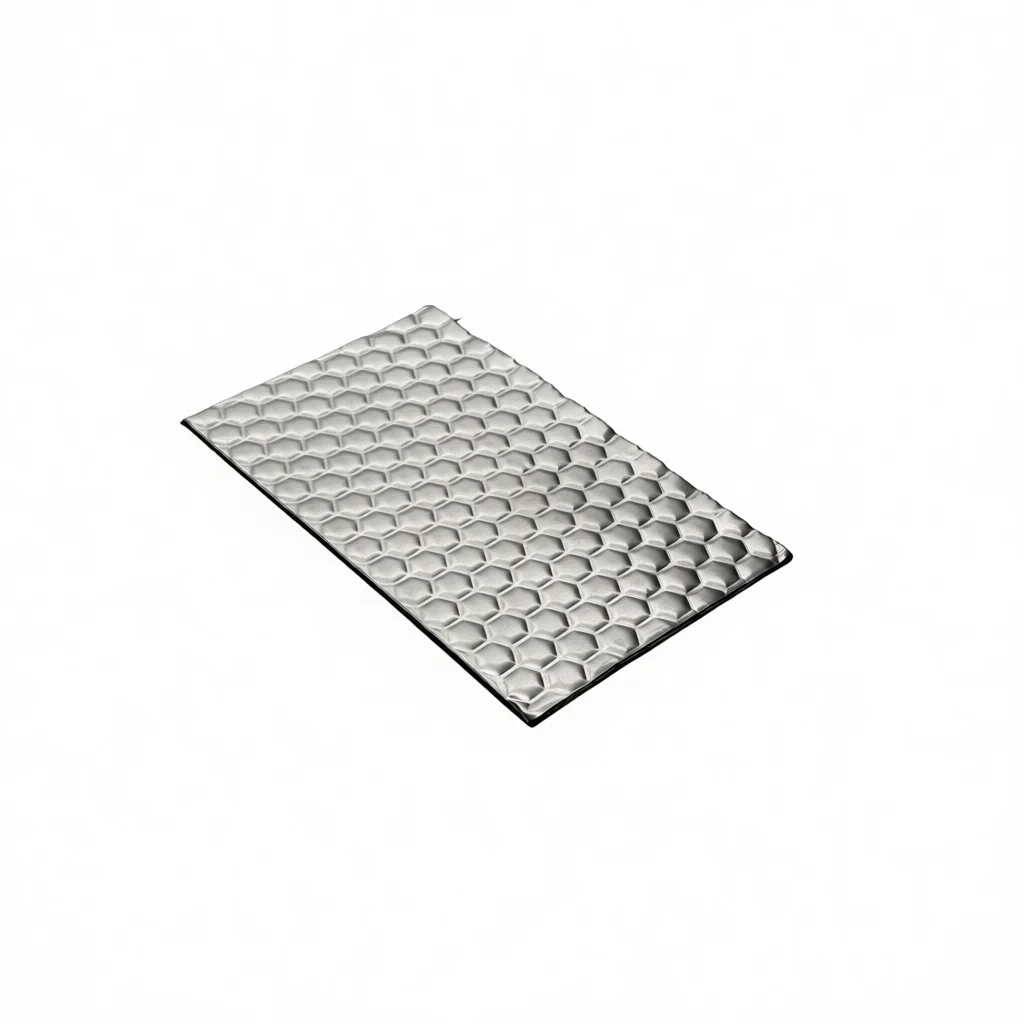
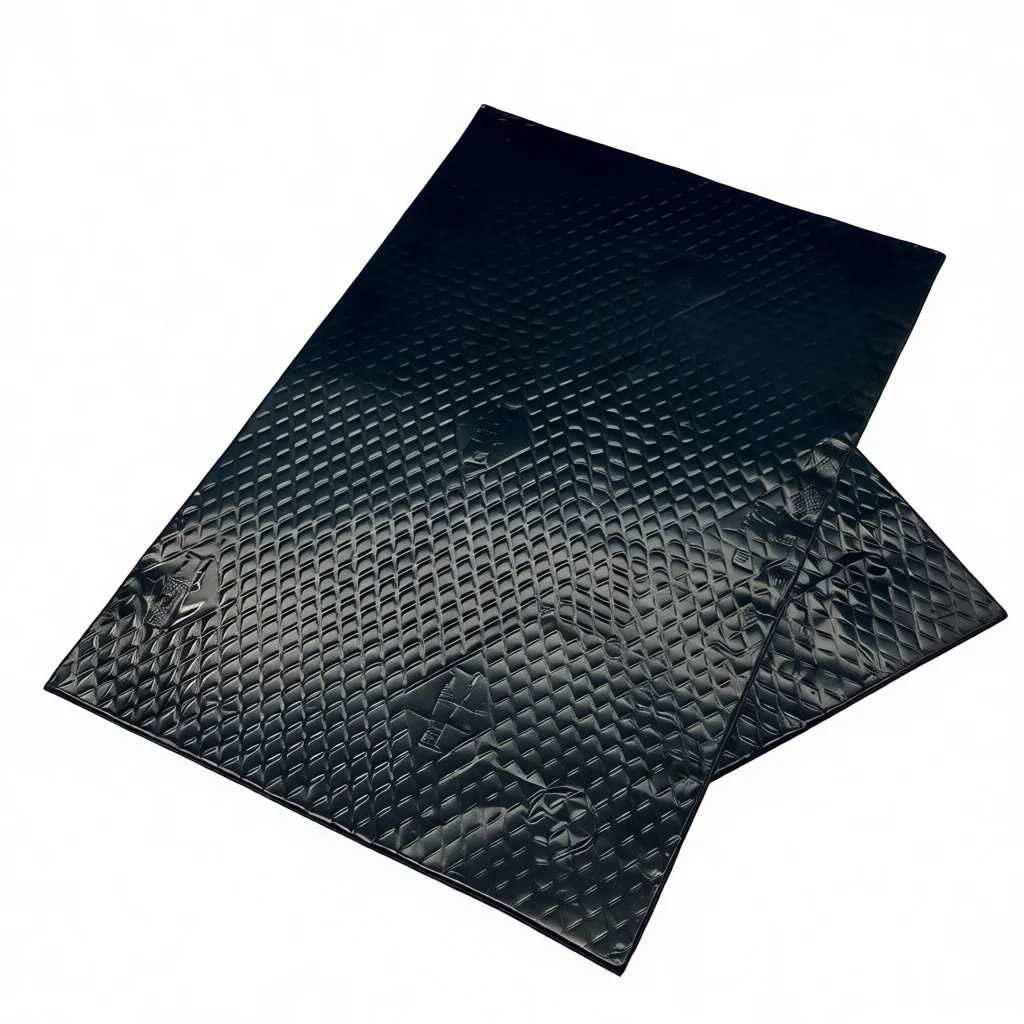
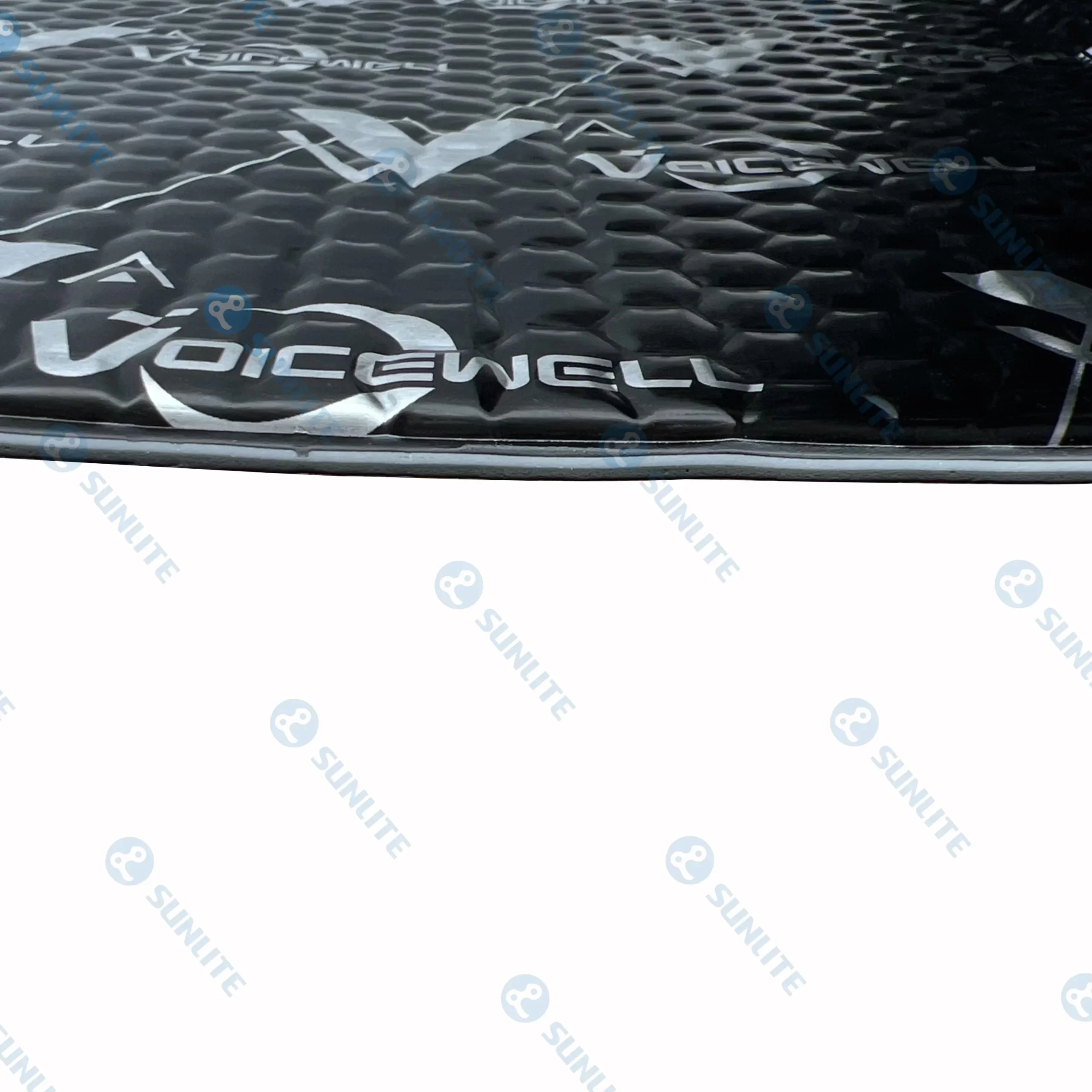
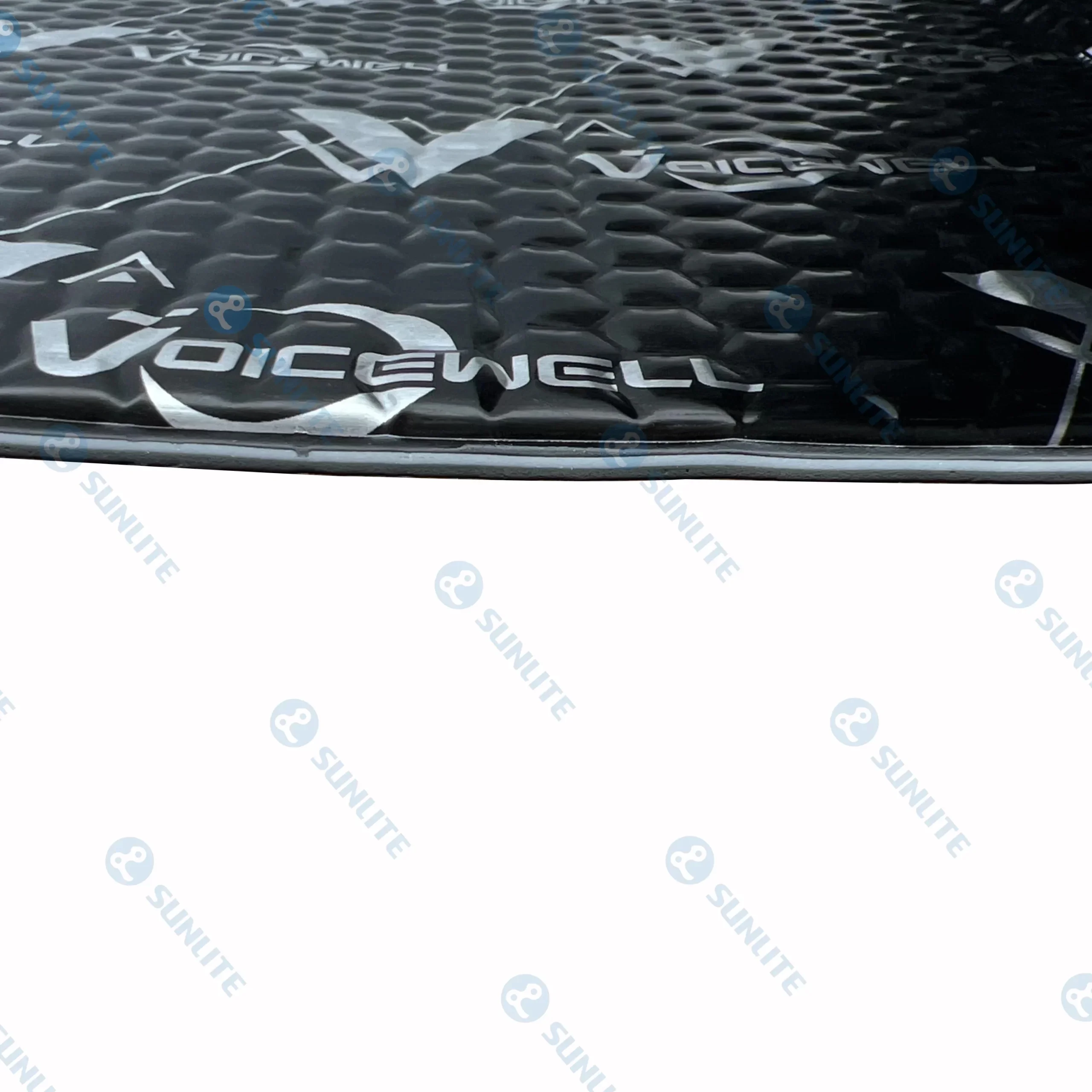
The effectiveness of a multi-layer vibration absorber pad lies in its tiered approach to energy management. When a heavy machine, such as a CNC milling center or an industrial press, operates, it creates a wide spectrum of vibrational frequencies. A single-material solution often lacks the versatility to handle this range; it may be too stiff to absorb high-frequency noise or too soft to support the machine's static weight. The multi-layer design solves this by stacking materials with different elastic moduli and damping coefficients.
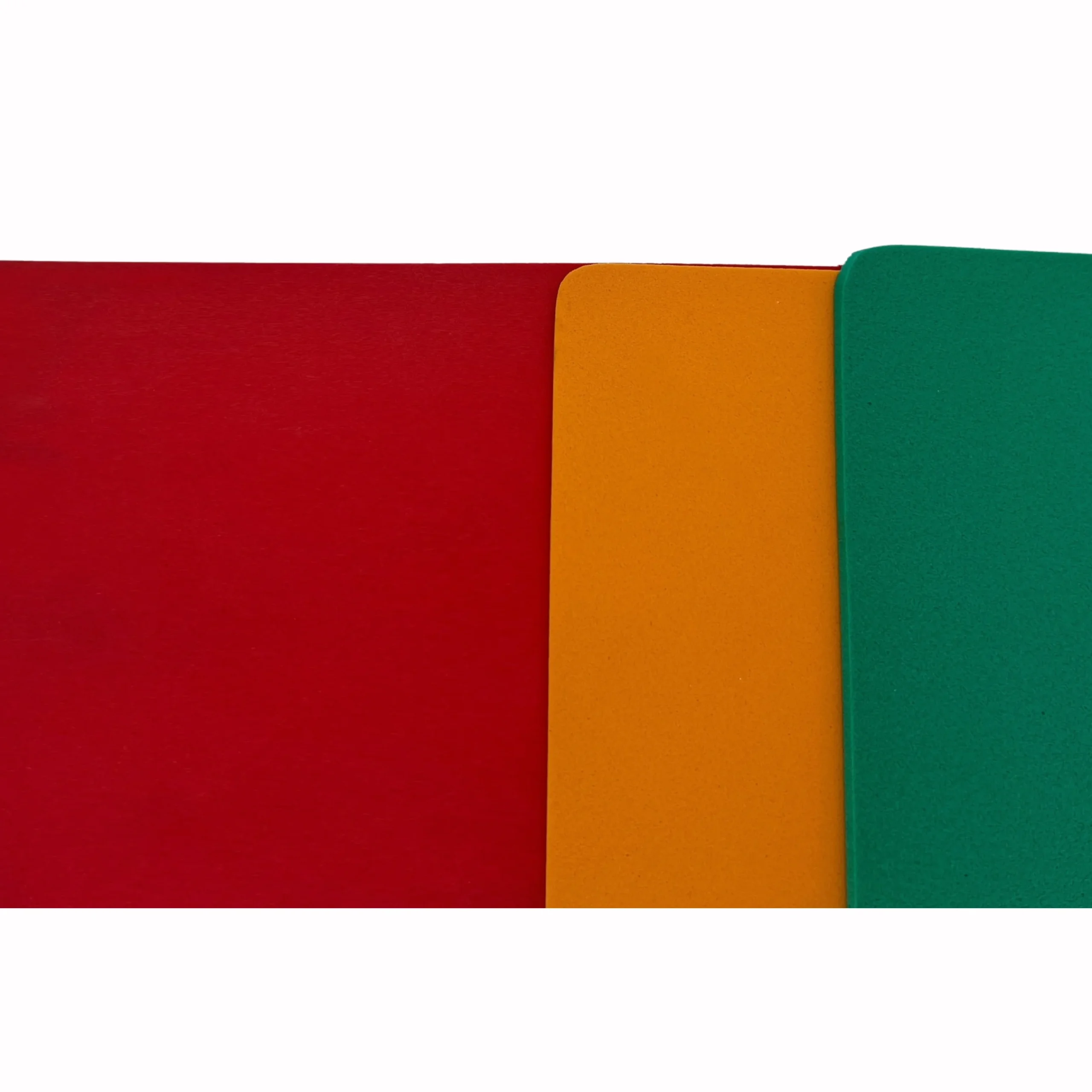
Typically, the top and bottom layers are constructed from high-density, oil-resistant elastomers that provide a secure grip and protect the inner core from environmental degradation. The internal layers, however, are where the true work occurs. These "active" layers are often composed of specialized foams, cork-rubber composites, or viscoelastic polymers. By alternating these materials, the pad creates a series of impedance mismatches. As vibration travels through the pad, it is forced to cross multiple interfaces, each of which reflects a portion of the energy back or absorbs it as heat, ensuring that the energy reaching the floor is significantly diminished.
Enhanced Durability with Laminated Damping Material for Industrial Equipment
In heavy industrial settings, the vertical load is only half the battle. Equipment is often subject to lateral shifts, chemical spills, and extreme temperature fluctuations. This is where the integration of laminated damping material for industrial equipment becomes essential. Lamination is the process of bonding these various layers under high pressure and heat, creating a cohesive unit that behaves as a single structural element while maintaining the unique damping properties of its individual components.
This laminated approach ensures that the pad does not "bottom out" or lose its shape over years of service. Traditional materials can suffer from "creep," where they slowly deform under a constant load until they are no longer effective. However, a pad built with high-performance laminated damping material for industrial equipment is designed to maintain its "spring rate" indefinitely. The rigid outer skins protect the more compliant internal damping layers from being crushed or over-extended, ensuring a consistent level of isolation that preserves the calibration of the machine and the integrity of the factory floor.
Precision Engineering: The Customized Multi-layer Isolation Damping Pad
No two machines are identical, and a "one-size-fits-all" approach to vibration control often results in sub-optimal performance. For high-precision applications, such as semiconductor lithography or medical imaging devices, a customized multi-layer isolation damping pad is the only viable solution. Customization allows engineers to tune the pad to the specific "resonant signature" of the equipment it supports.
By utilizing finite element analysis (FEA), a damping shockproof supplier can determine the exact ratio of materials needed for a specific machine's weight and operating frequency. For instance, a machine that operates at very high speeds may require a pad with a higher concentration of viscoelastic layers to handle high-frequency jitter. Conversely, a heavy stamping press might require a customized stack with reinforced fibrous layers to manage massive vertical impacts. This bespoke engineering ensures that the isolation system is perfectly balanced, providing maximum protection without compromising the machine's operational stability.
The Protective Power of Multi-layer High Damping Shockproof Technology
Beyond steady-state vibration, heavy machinery is often prone to sudden, violent shocks. These events can occur during rapid tool changes, emergency stops, or the processing of heavy raw materials. Standard damping solutions can be overwhelmed by these sudden bursts of energy, potentially leading to mechanical failure. Multi-layer High damping shockproof technology is specifically designed to handle these non-linear events.
The "shockproof" aspect is achieved by incorporating "strain-rate sensitive" materials into the multi-layer stack. These materials remain relatively soft during normal, low-level vibrations but instantly stiffen when subjected to a high-velocity impact. This dual-natured response allows the Multi-layer High damping shockproof pad to act as a gentle cushion during routine operation while transforming into a rigid barrier during a shock event. This protective transformation prevents the machine from hitting its mechanical limits and avoids the "ringing" effect—where a single shock causes a long period of residual vibration—that can ruin precision workpieces.
Strategic Selection of a Professional Damping Shockproof Supplier
The quality of an isolation system is fundamentally tied to the expertise of the damping shockproof supplier. A reputable supplier provides more than just the physical pads; they provide the data and testing necessary to guarantee performance. This includes material certification, chemical resistance profiles, and long-term durability forecasts.
When working with a professional damping shockproof supplier, plant managers gain access to advanced materials that are halogen-free, flame-retardant, and environmentally stable. These suppliers utilize precision manufacturing techniques, such as water-jet cutting and automated lamination, to ensure that every pad meets exacting tolerances. By partnering with a specialist, industries can ensure that their vibration control strategy is proactive rather than reactive, identifying potential resonant issues during the installation phase rather than after a machine has already begun to suffer from fatigue or accuracy loss.
In the demanding world of industrial manufacturing, the stability of heavy machinery is not merely a matter of operational efficiency; it is a critical factor in structural preservation and workplace safety.