


When disaster strikes—be it an earthquake, a structural collapse, or a hazardous chemical leak—the environment becomes an unpredictable labyrinth of jagged debris, unstable inclines, and slick surfaces. In these high-stakes scenarios, the mobility of first responders is often limited by physical danger. This is where the specialized mechanics of caterpillar tracks for robots become the literal foundation of modern search and rescue operations. Unlike wheeled counterparts that struggle with high centering or sinking into soft silt, a robot track system provides the continuous surface area necessary to turn a mechanical platform into an all-terrain survivor.
The Fundamental Physics of Continuous Robot Tank Tracks
To understand why a tracked inspection robot is the gold standard for disaster response, one must look at the distribution of ground pressure. In a rescue mission, the "ground" is rarely solid; it is often a mixture of loose gravel, shattered glass, and wet insulation. A wheeled robot concentrates its entire mass onto four small contact patches. On soft or uneven debris, this high pressure causes the wheels to dig in, effectively anchoring the robot in place.
Robot tank tracks solve this through the principle of load spreading. By utilizing a continuous loop driven by internal sprockets, the weight of the robot is distributed across the entire length of the track's footprint. This low ground pressure allows the machine to "float" over obstacles that would swallow a traditional tire. Furthermore, the mechanical advantage of the robot track lies in its longitudinal traction. Because multiple "grousers" or treads are in contact with the surface simultaneously, the robot can exert significant drawbar pull, allowing it to climb over concrete blocks or drag heavy sensors and communication tether lines through narrow apertures.
Material Science and the Shift to Rubber Tank Tracks for Robots
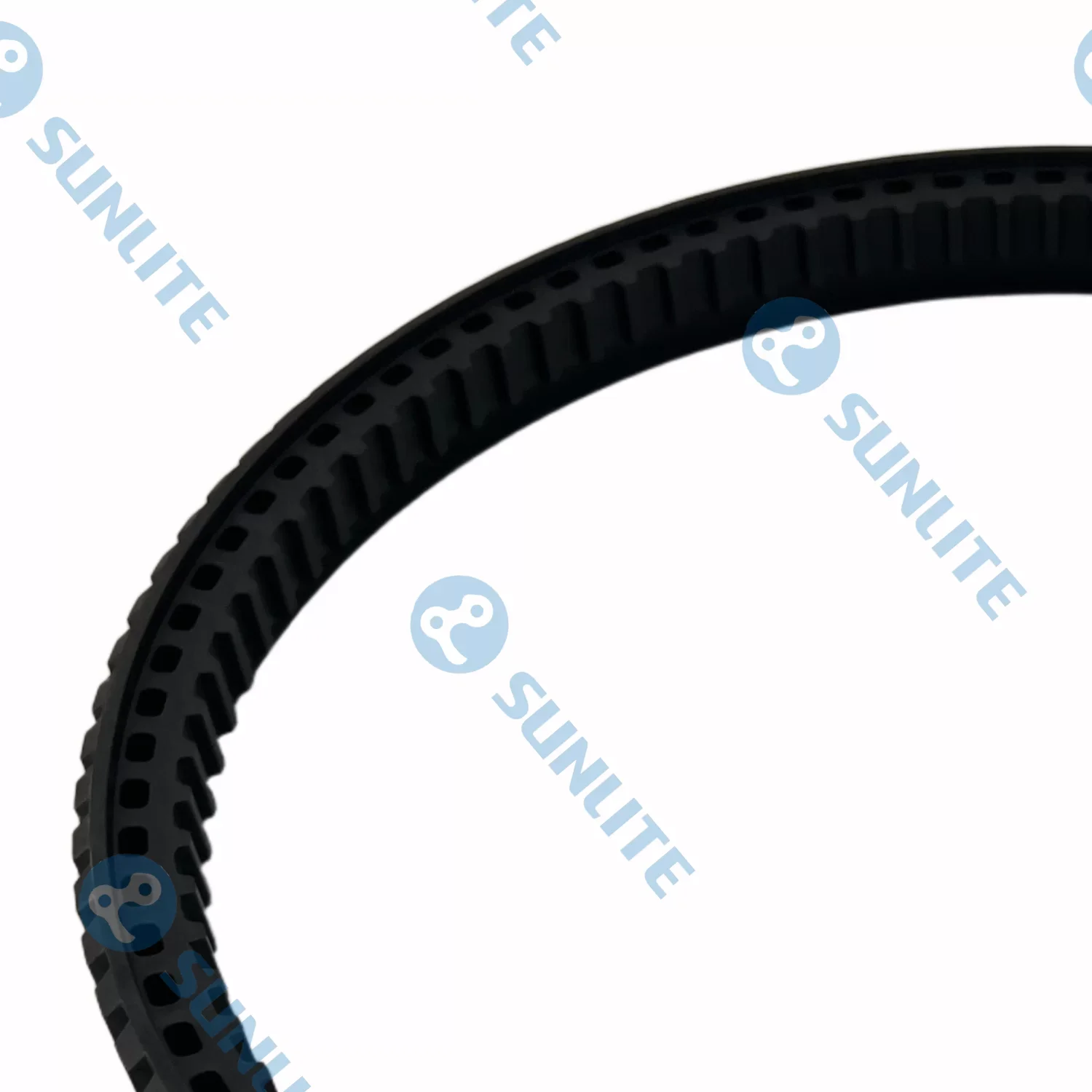
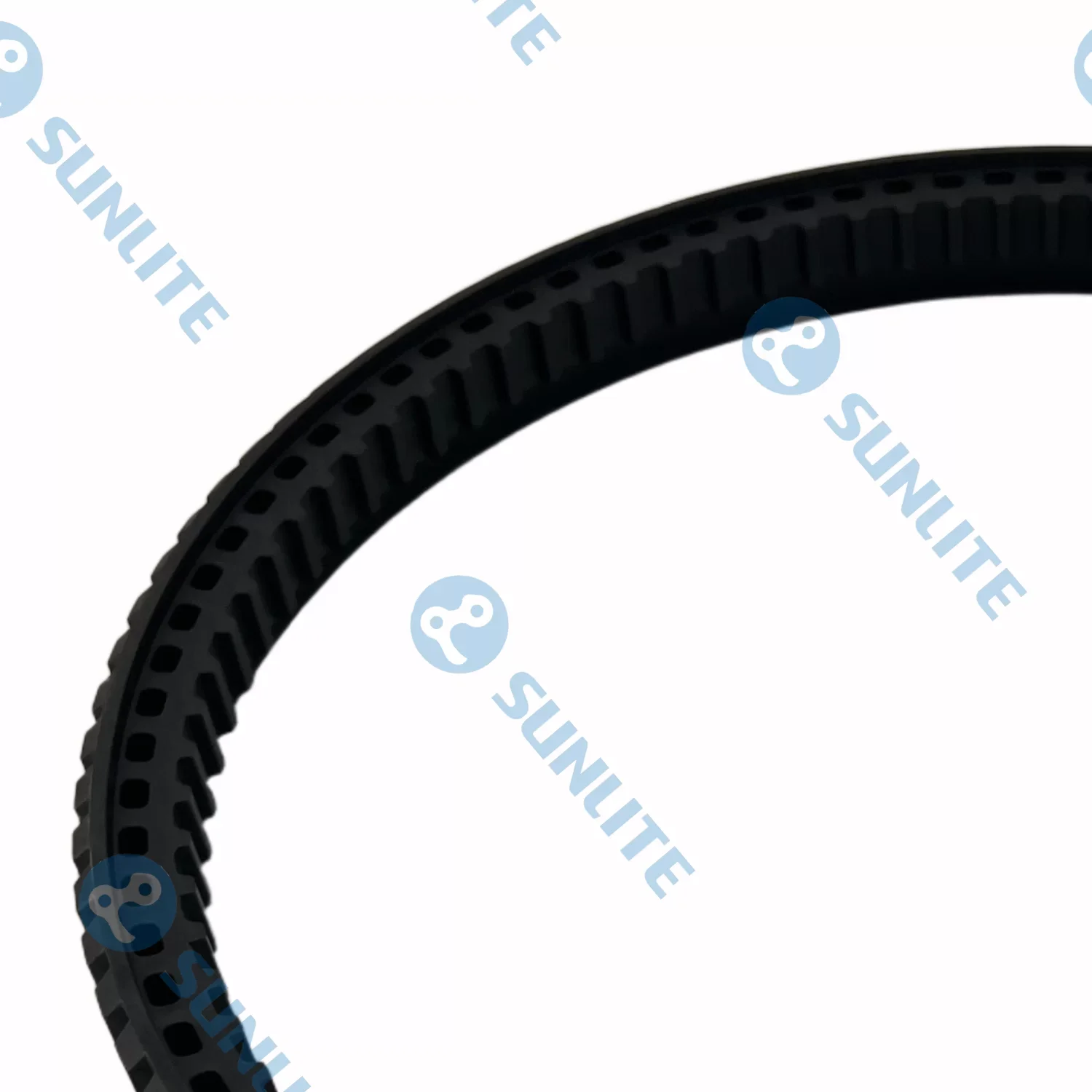
In the early days of robotics, many designs borrowed heavily from military tanks, utilizing heavy steel links. However, for search and rescue, weight and vibration are critical enemies. The emergence of high-strength rubber tank tracks for robots has revolutionized the field. These tracks are typically composed of reinforced synthetic compounds, often embedded with internal steel or Kevlar cords to prevent stretching while maintaining flexibility.
The choice of rubber is not merely about weight reduction. In an urban search and rescue (USAR) environment, a robot often needs to traverse delicate or slick surfaces, such as polished marble in a collapsed lobby or wet metal plating in a factory. While metal tracks might slip or damage the remaining structural integrity of a floor, rubber tank tracks for robots provide a high coefficient of friction. The elasticity of the rubber allows the track to "conform" slightly to the micro-geometry of the debris, effectively "gripping" the edges of bricks and pipes. This "mechanical keying" is what allows a tracked inspection robot to ascend staircases or navigate 45-degree inclines of loose rubble without sliding backward.
Navigational Geometry in a Tracked Inspection Robot
A tracked inspection robot is rarely just a box on two belts. The sophisticated mechanics involve "flippers" or sub-track modules that allow the robot to change its shape dynamically. This is a crucial evolutionary step in caterpillar tracks for robots. By articulating the front or rear sections of the track, the robot can reach upward to grab the edge of a high ledge or extend its wheelbase to bridge a wide gap between two pieces of collapsed flooring.
This geometric adaptability ensures that the center of gravity remains within the footprint of the tracks even during extreme maneuvers. In search and rescue, the goal is often to deliver a camera or a carbon dioxide sensor into a "void space" where survivors might be trapped. If a robot flips over, the mission ends. The wide stance and low profile inherent in robot tank tracks provide a naturally stable platform that resists tipping, even when the robot is carrying heavy LIDAR equipment or robotic arms on its top deck.
Overcoming the Friction of Skidding and Steering in Robot Tank Tracks
One of the most complex mechanical aspects of robot tank tracks is the method of steering. Unlike cars that use rack-and-pinion steering to turn wheels, most tracked robots utilize "skid-steering." This involves driving one track faster than the other or reversing one track while the other moves forward. While this allows for a zero-turn radius—essential in the tight, claustrophobic confines of a collapsed building—it creates immense lateral stress on the robot track itself.
The internal mechanics must be robust enough to handle these shearing forces. This is why the interface between the drive sprocket and the track lugs is precision-engineered. In a tracked inspection robot, the "pitch" of the track must remain consistent even under high tension to prevent "de-tracking" (the track falling off the wheels). Modern rescue robots often feature self-tensioning systems that use springs or hydraulic actuators to keep the caterpillar tracks for robots taut, ensuring that even if a rock gets lodged in the drive assembly, the track remains seated and functional.
Durability and Maintenance of Robot Tank Tracks in Hostile Environments
The environment of a rescue mission is chemically and physically abrasive. Dust from pulverized concrete acts like sandpaper on moving parts, and standing water can corrode internal bearings. The design of rubber tank tracks for robots often incorporates "self-cleaning" tread patterns. These are angled grooves that use the natural flexing of the rubber as it rounds the sprocket to eject mud and small stones that would otherwise jam the mechanism.
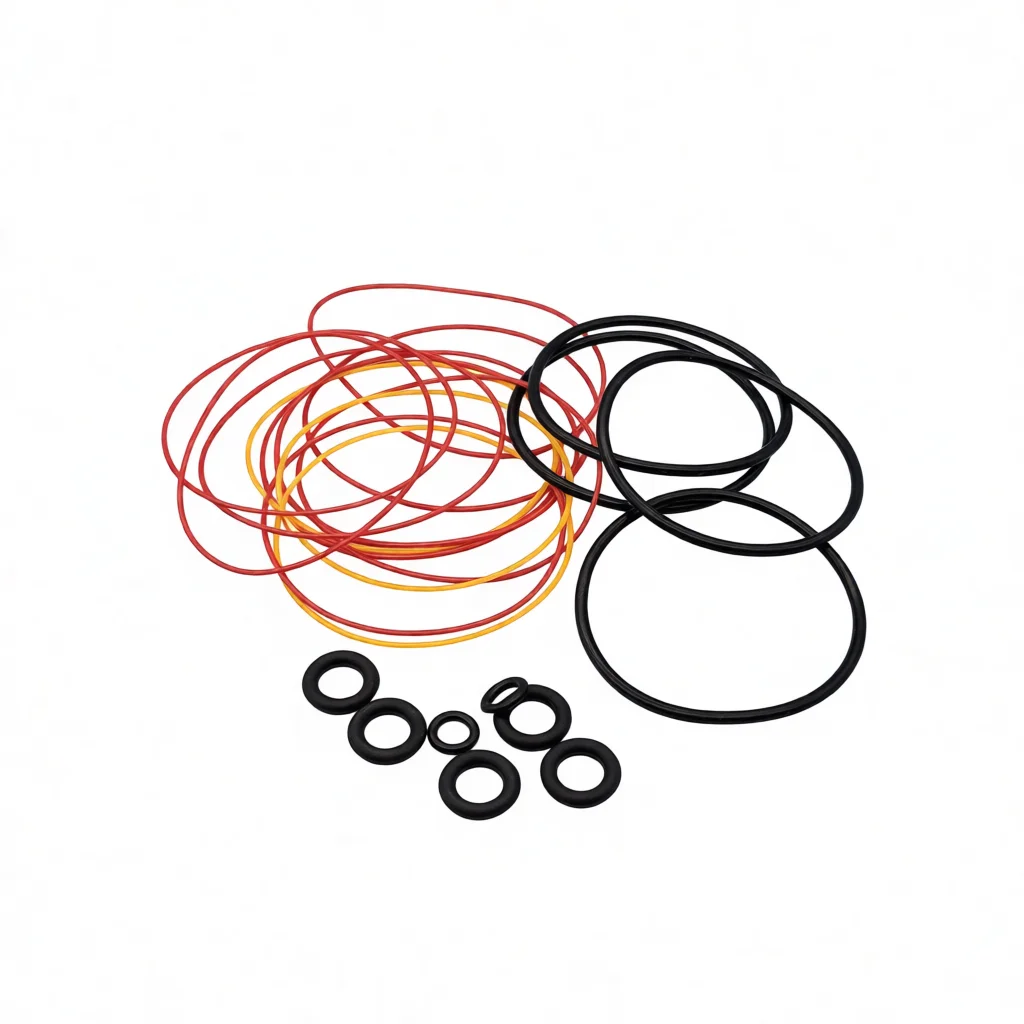
Furthermore, the sealed nature of the track's internal rollers is vital. Because a tracked inspection robot may need to enter flooded basements or move through fire-suppression foam, the mechanical pivots within the track frame are often encased in O-ring seals. The robot track acts as the first line of defense, absorbing the impact of jagged rebar and broken glass so that the sensitive electronics housed within the chassis remain protected from the violent vibrations of the journey.
When disaster strikes—be it an earthquake, a structural collapse, or a hazardous chemical leak—the environment becomes an unpredictable labyrinth of jagged debris, unstable inclines, and slick surfaces.