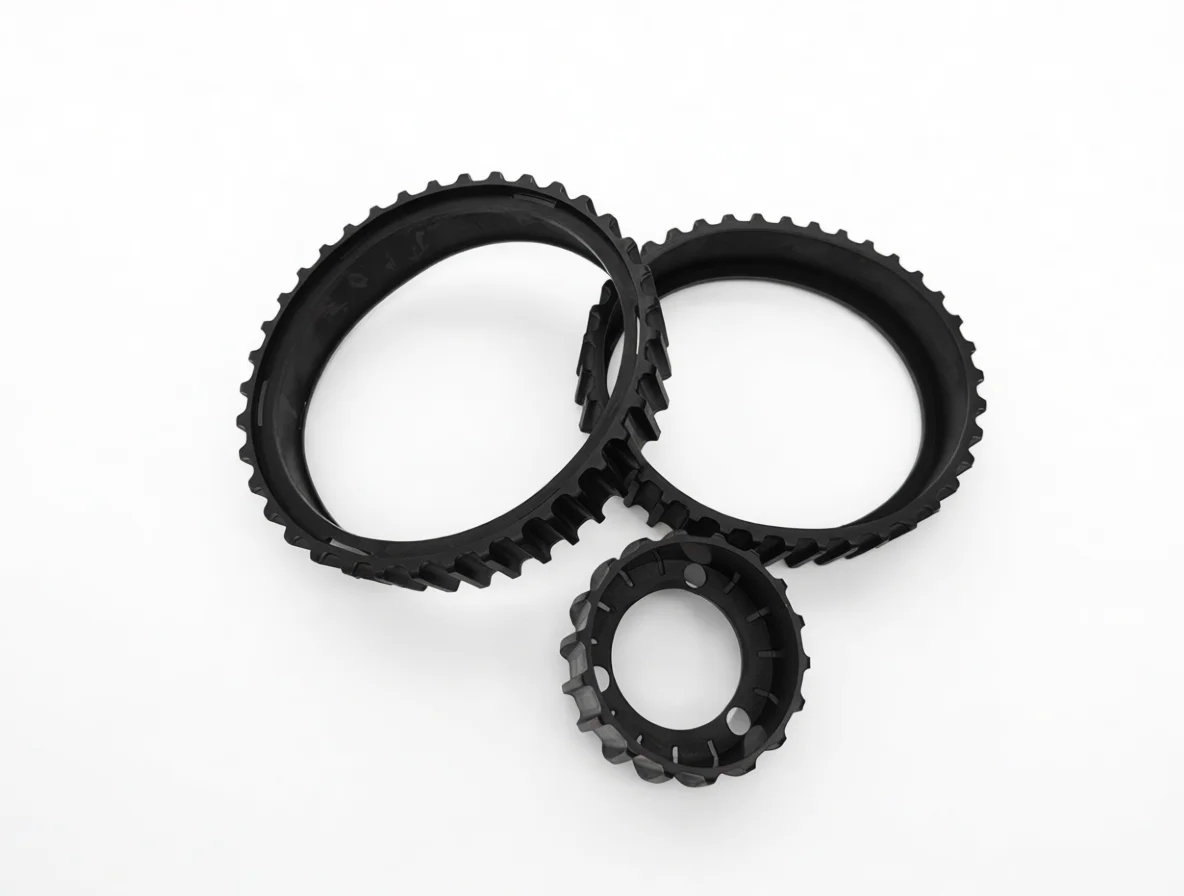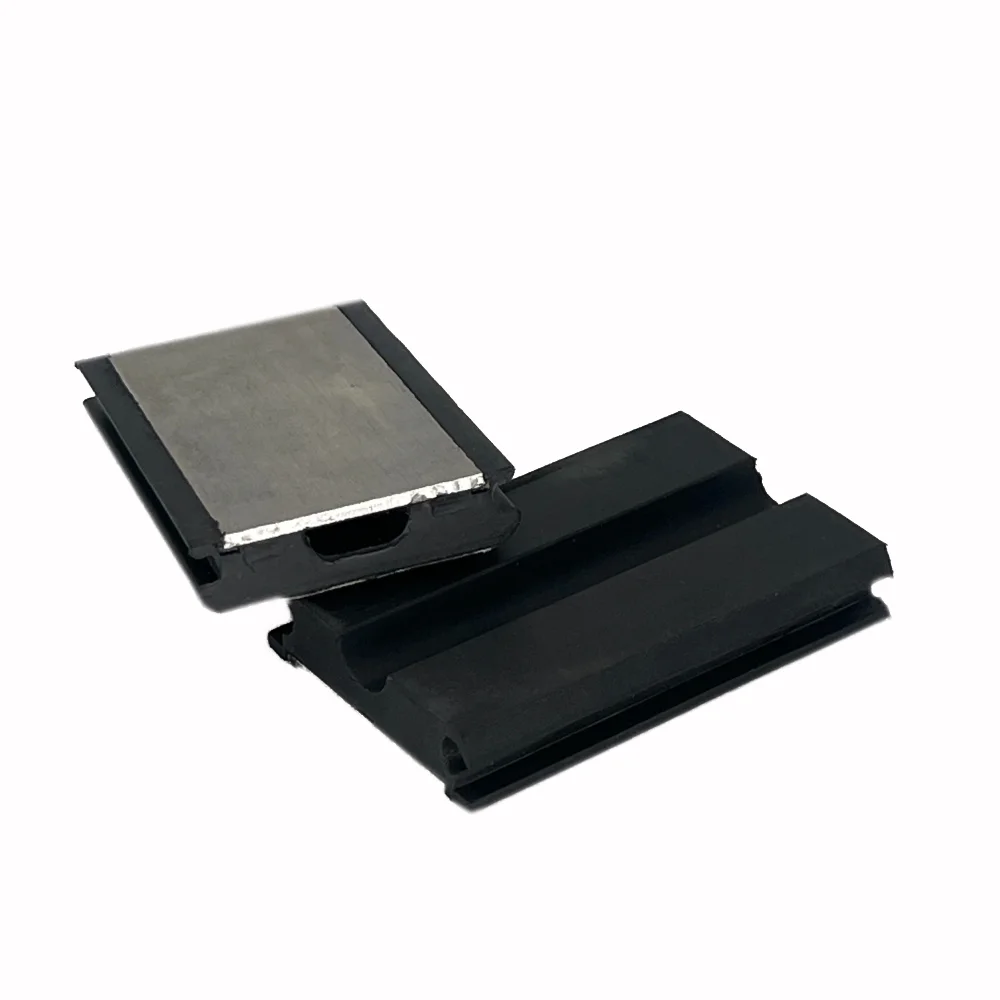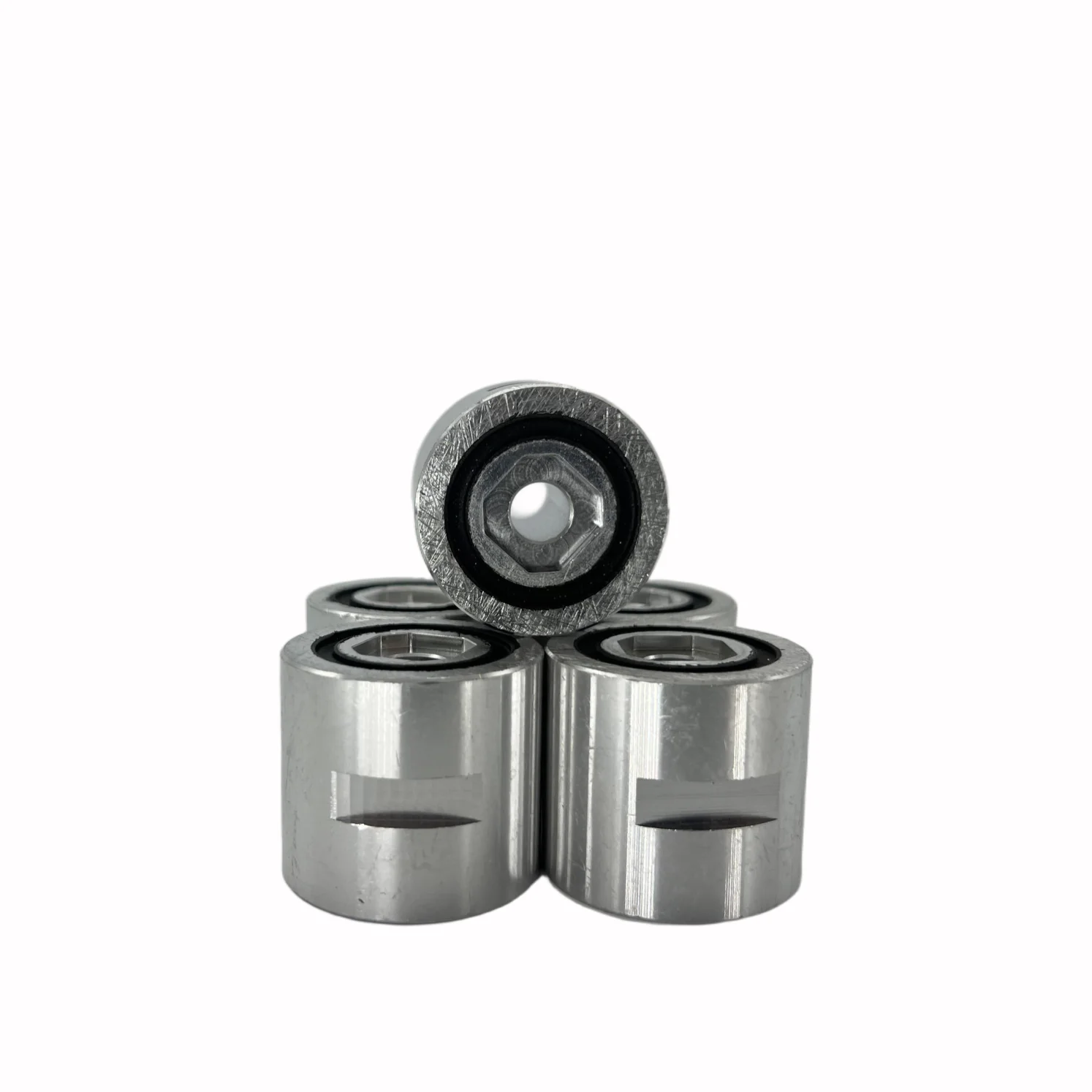


The rapid expansion of the robotics industry has moved far beyond standardized laboratory prototypes. Today, autonomous systems are deployed in environments ranging from sub-zero arctic research stations to the high-temperature corridors of industrial smelting plants. Central to this expansion is the critical interface between the machine and the ground. While off-the-shelf solutions exist, the rise of custom rubber tracks has become the defining factor for companies seeking to optimize traction, durability, and energy efficiency. Tailoring the mechanical properties of a drive system ensures that a robot is not merely moving, but performing with surgical precision in its specific theater of operation.
The Architectural Foundations of Advanced Robot Track Design
Successful movement in complex terrain begins long before a motor turns. It starts at the drawing board with robot track design. Unlike traditional vehicular engineering, robotics requires a delicate balance between weight, power consumption, and "footprint" optimization. A well-executed design must account for the internal geometry of the drive assembly, ensuring that the drive sprockets, idlers, and road wheels work in perfect harmony with the flexible exterior.
In specialized robotics, the internal carcass of the track is as important as the external tread. Engineers must decide on the tensioning architecture—whether to use a passive spring-loaded system or an active hydraulic adjustment. The goal of sophisticated robot track design is to maintain a constant contact patch even when the robot is traversing irregular obstacles like fallen timber or jagged concrete. By simulating these stresses during the design phase, developers can prevent common failure points such as "thrown" tracks or excessive vibration that can degrade sensitive onboard sensors like LIDAR and high-definition cameras.
Selecting a Strategic Partner: The Role of a Robot Track Manufacturer
As the complexity of autonomous platforms increases, the relationship between a robotics firm and their robot track manufacturer becomes a cornerstone of the development cycle. Manufacturing a track for a multi-million dollar inspection robot is a far cry from producing standard industrial belts. It requires a deep understanding of polymer chemistry and structural reinforcement.
A specialized robot track manufacturer provides the expertise necessary to choose the right shore hardness for the rubber and the appropriate tensile strength for the internal reinforcement cords, whether they be made of stainless steel, Kevlar, or specialized synthetic fibers. This partnership allows for the creation of tracks that can withstand specific environmental hazards, such as oil-resistant compounds for refinery robots or non-marking rubber for indoor security drones. The ability to prototype quickly and iterate on the lug pattern—the "teeth" of the track—allows robotics companies to fine-tune their machines for specific soil types or climbing requirements, turning a generic platform into a specialized tool.
Material Superiority in Challenging Climates with Rubber Robot Tracks
The choice of material in the drive system is the primary defense against environmental degradation. Rubber robot tracks offer a unique set of advantages over metal or plastic alternatives, particularly regarding dampening and grip. In search and rescue or military reconnaissance, silence is often a requirement. Rubber naturally absorbs the metallic clatter of the drive train, allowing for stealthy movement that would be impossible with steel links.
Furthermore, the thermal stability of modern rubber robot tracks is a marvel of material science. High-performance synthetic rubbers are engineered to remain flexible at -40°C, preventing the cracking that occurs in standard polymers, while also resisting the "softening" effect in desert environments where ground temperatures can soar. This resilience ensures that the robot maintains consistent torque delivery. The elasticity of the rubber also provides a level of "suspension" that protects the internal gearboxes from the shock loads experienced when a robot drops from a ledge or hits a hidden obstruction at speed.
Enhancing Stability and Traction with Tank Treads for Robots
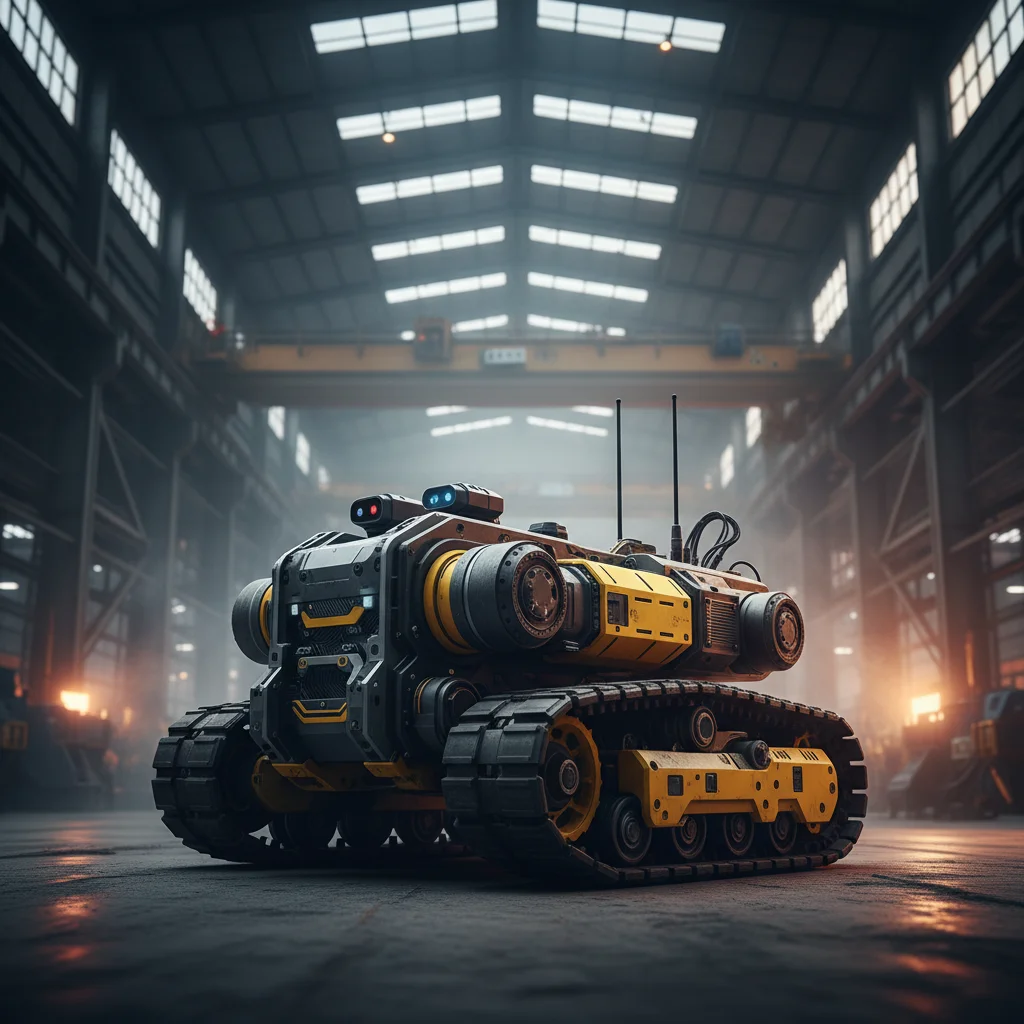
While the term might evoke images of heavy machinery, modern tank treads for robots are masterpieces of lightweight, high-traction engineering. The "tank" style drive system—characterized by its continuous loop and skid-steering capability—is preferred for robotics because it offers a zero-turn radius. This maneuverability is essential in confined spaces like tunnels, warehouses, or collapsed buildings where a traditional turning circle is a luxury the environment does not provide.
The efficacy of tank treads for robots lies in the lug profile. For soft terrain like mud or snow, deep, aggressive paddles are necessary to "shovel" the earth and provide forward momentum. Conversely, for urban environments, a flatter, more densely packed lug pattern increases the surface area contact on asphalt and concrete, preventing slips and reducing wear. By customizing these profiles, engineers ensure that the robot's power is translated into motion rather than being wasted in track-slip. This efficiency directly correlates to battery life, extending the mission duration and increasing the overall utility of the robotic system.
The Mechanical Synergy of Drive Components and Robot Tracks
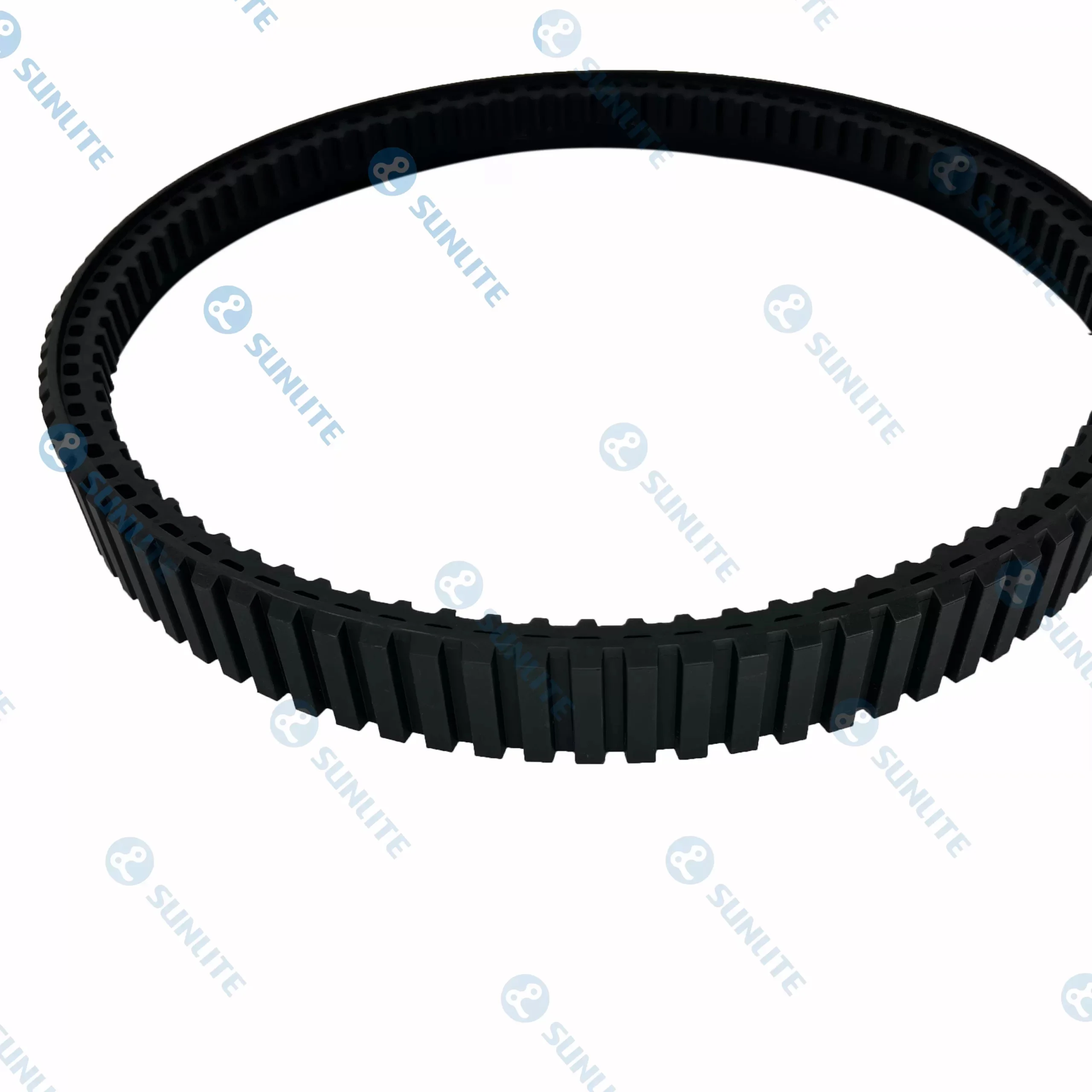
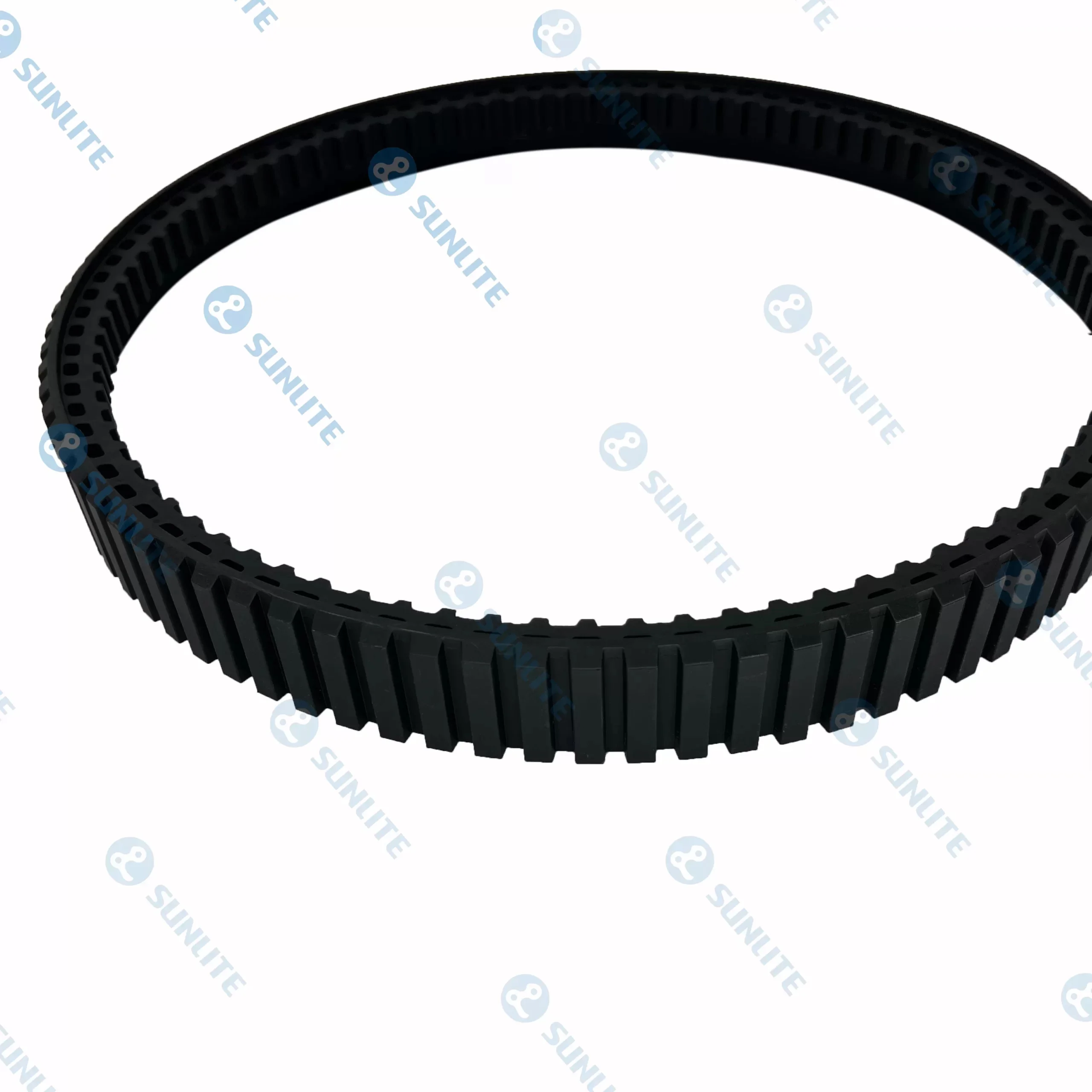
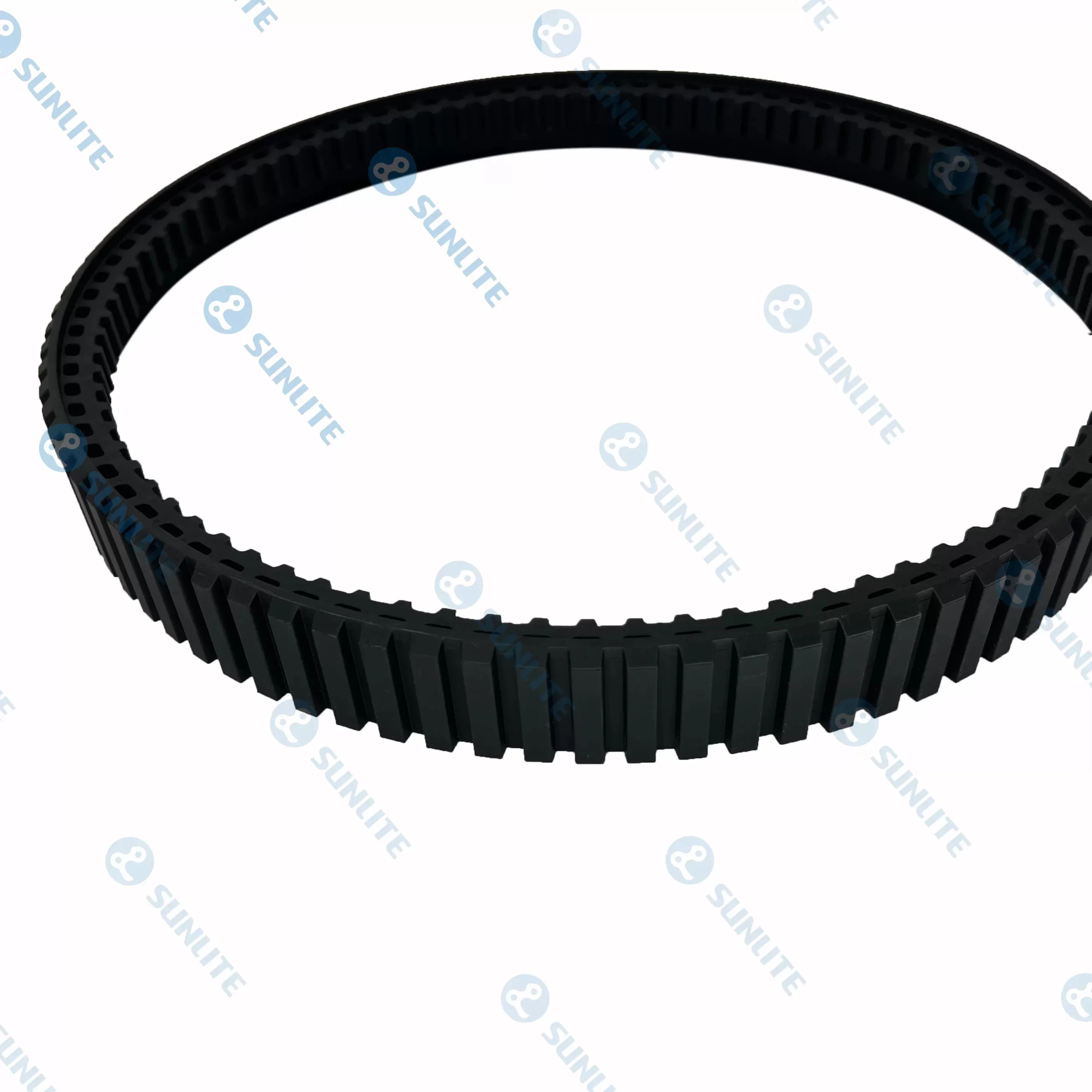
A common misconception in robotics is that the track is an isolated component. In reality, the performance of custom rubber tracks is entirely dependent on the mechanical synergy with the internal rollers and drive sprockets. The "drive lugs" on the inside of the track must precisely match the pitch of the sprocket to prevent "tooth jumping" under high torque.
Modern robot track design often incorporates "center-drive" or "bridge-drive" systems to keep the track aligned during aggressive maneuvers. When a robot turns in place, the lateral forces trying to pull the track off the wheels are immense. By integrating guide wings into the rubber molding, manufacturers can ensure the track stays centered even when the robot is side-hilling on a steep slope. This mechanical reliability is what allows operators to trust their machines in "no-go" zones where manual recovery of a stalled robot would be impossible.
The rapid expansion of the robotics industry has moved far beyond standardized laboratory prototypes.