Select Language
 Why Closed Cell Foam Gasket Material Remains an Industry Staple
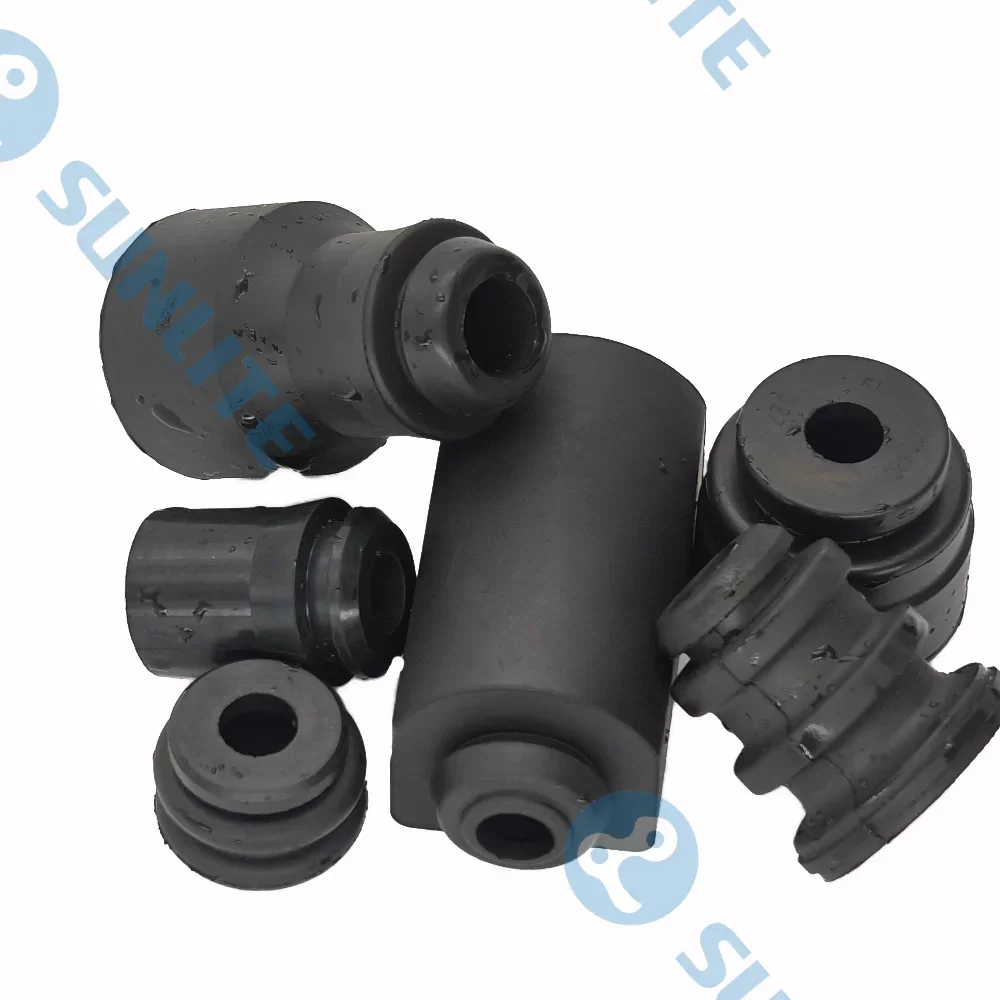
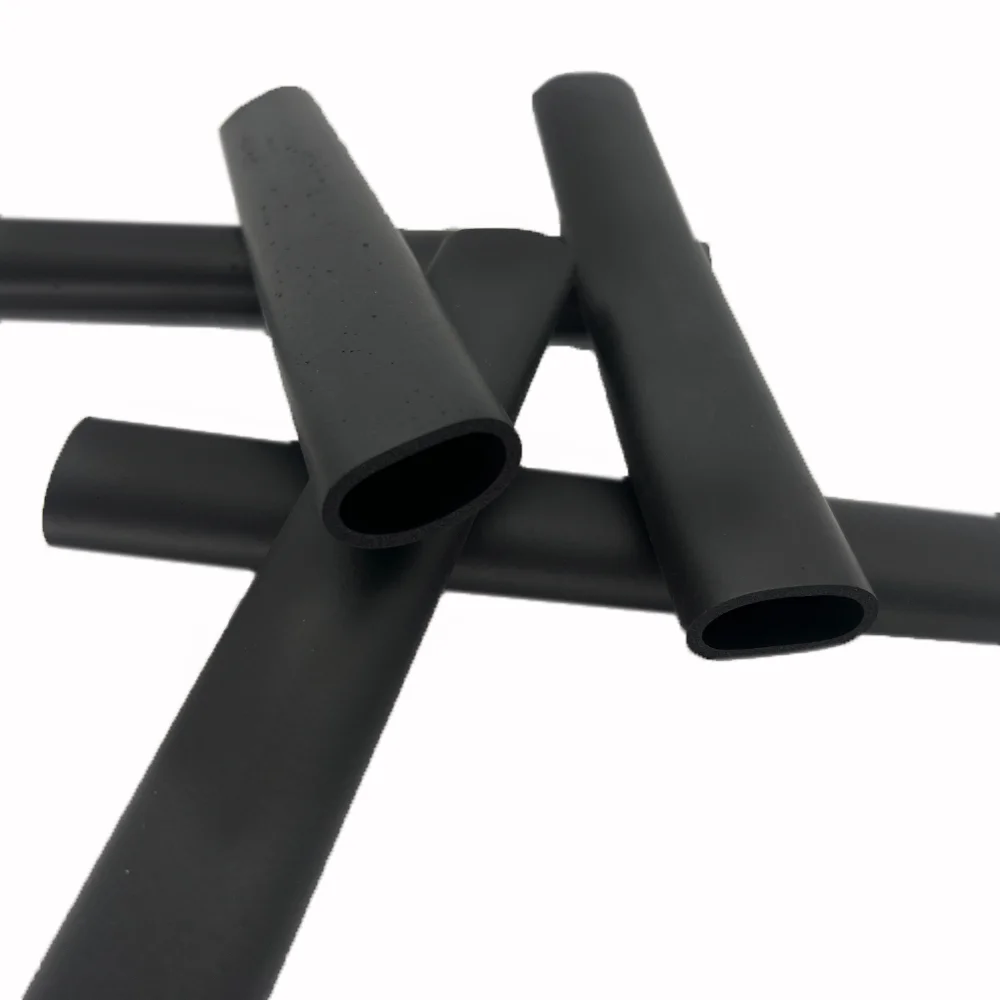
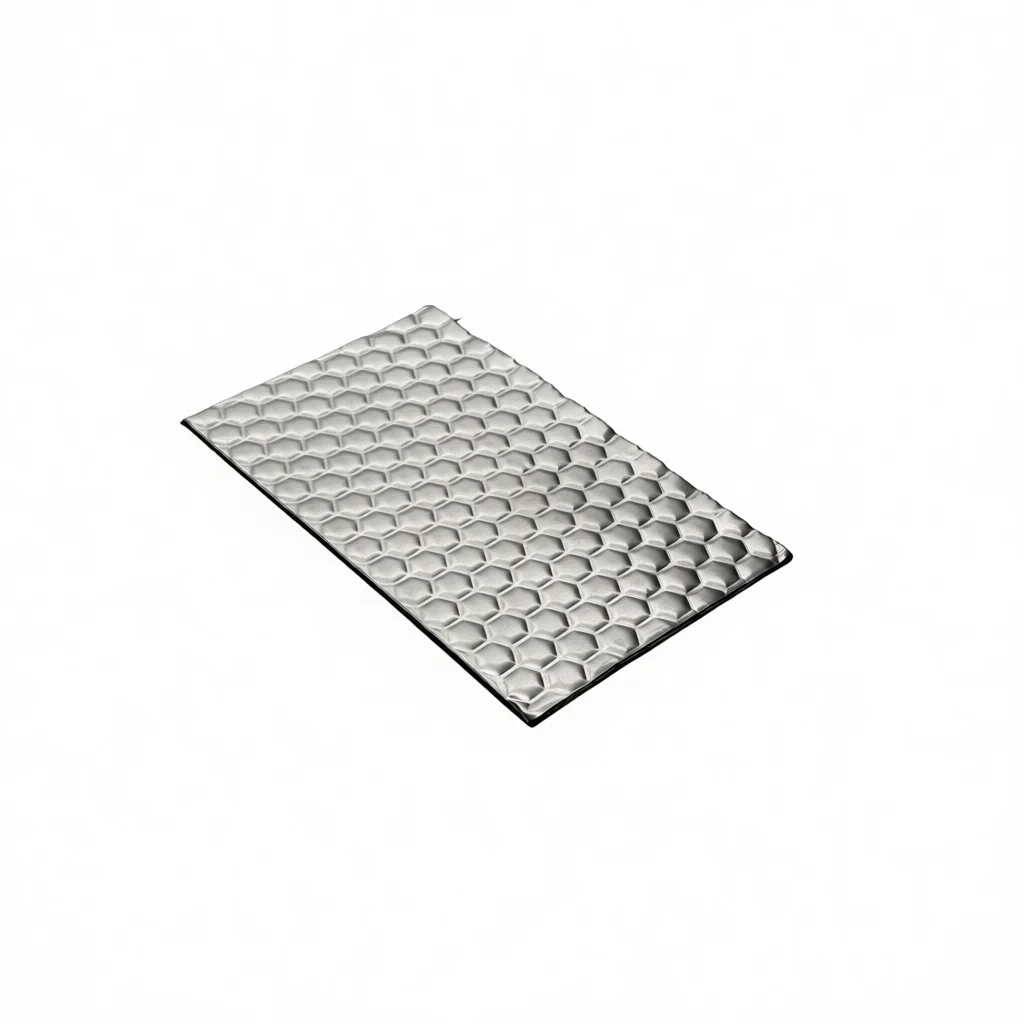
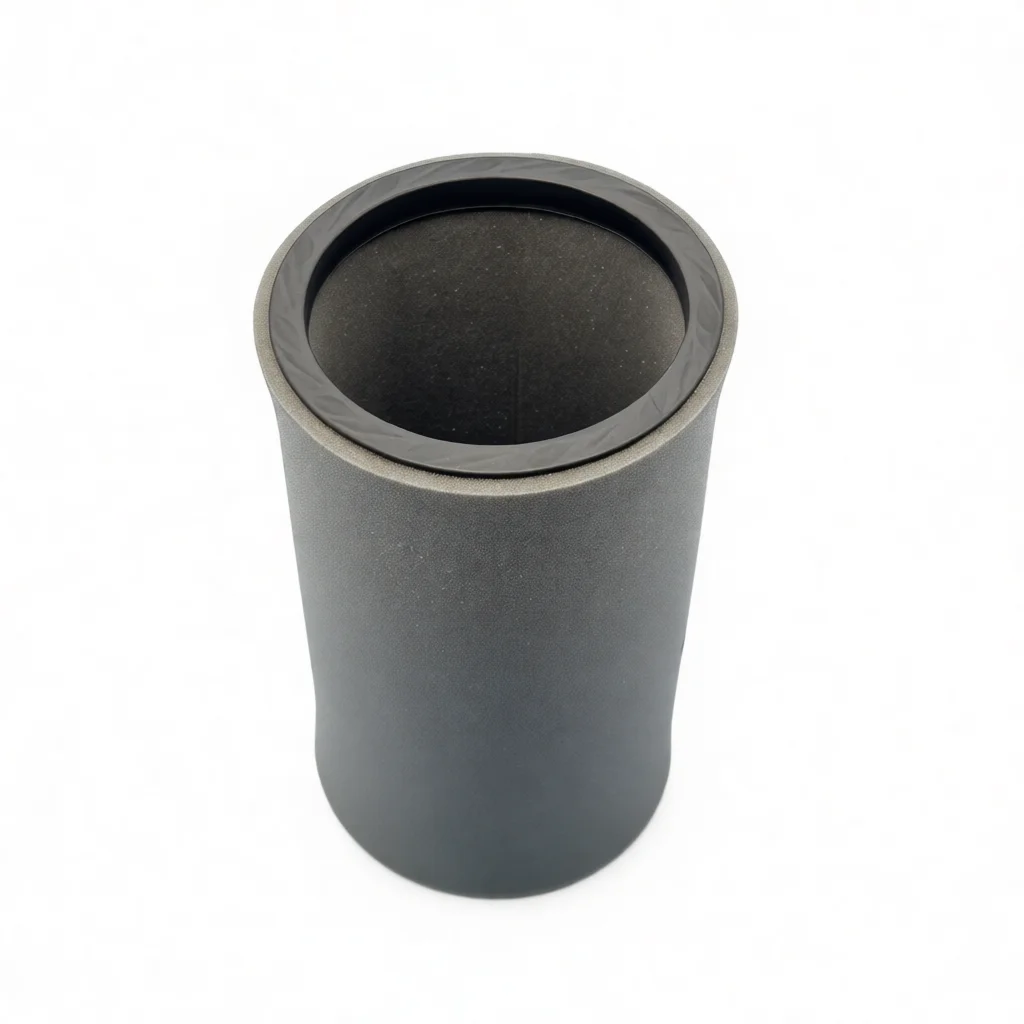
Having spent more than a decade knee-deep in industrial equipment manufacturing and servicing, I’ve come to appreciate the often overlooked yet critical role that closed cell foam gasket material plays in sealing solutions. It’s not flashy, sure — no lasers or hydraulics — but the reliability and adaptability of this stuff make it a true workhorse in environmental sealing applications.
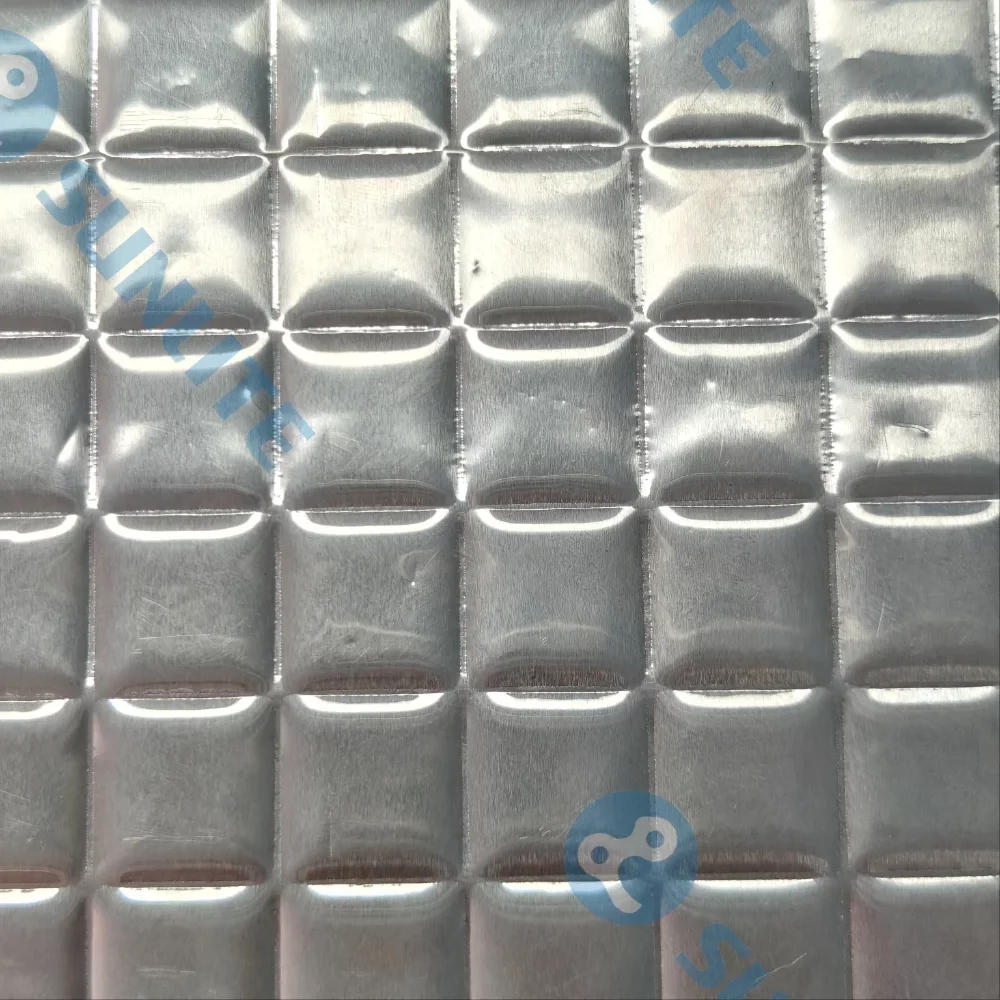
Oddly enough, engineers sometimes underestimate how versatile closed cell foams are. The dense, non-porous structure keeps air, water, and dust where they belong: outside your sealed systems. In real terms, this means better equipment longevity and fewer headaches from leaks or corrosion down the line.
This material is primarily made from polymers like neoprene, EPDM, or polyethylene, each bringing their own flavor of durability. For example, neoprene offers excellent weather resistance, while EPDM shines against heat and ozone exposure, which means you can pretty much pick the one that suits your environmental needs. I’ve seen projects where a carefully chosen neoprene gasket lasted over a decade in harsh outdoor equipment — hard to beat that kind of track record.
Most closed cell foam gaskets are tested rigorously using ASTM standards (like ASTM D3575 for compression set and ASTM D3612 for cell structure). These tests ensure you’re getting material that holds up under pressure, doesn’t sag after repeated compressions, and resists absorbing moisture. Honestly, if your foam gasket starts soaking in fluids, you’ve got a problem — and usually a quick return visit to the shop.
Product Specifications at a Glance
| Specification | Value / Details |
|---|---|
| Material Types | Neoprene, EPDM, Polyethylene, PVC |
| Density Range | 20–120 kg/m³ |
| Thickness Options | 1mm to 25mm (custom cuts available) |
| Compression Set (%) | Typically below 15% after 22 hours |
| Temperature Range | -40°C to +120°C (depends on polymer) |
| Standards Compliance | ASTM D1056, MIL-G-19834C |
Now, choosing the right supplier is almost as important as choosing the right foam itself. You want a partner who not only delivers consistent quality but can also offer customization services and technical support. I remember a mid-size client once struggled with keeping their assembly line downtime low because their gasket supplier delivered inconsistent thickness sheets — frustrating, to say the least.
Vendor Comparison: What to Watch For
| Feature | Supplier A | Supplier B | Supplier C |
|---|---|---|---|
| Product Variety | Wide (Neoprene, EPDM, PVC) | Moderate (Mostly Polyethylene) | Limited (Neoprene only) |
| Customization | Cut-to-size, die-cut gaskets | Rolls only, no cuts | Limited sizing options |
| Lead Times | 5–7 business days | 10–14 business days | 7–10 business days |
| Technical Support | Responsive engineering team | Limited support | General customer service |
| Pricing | Mid-range, good value | Lowest cost | Premium pricing |
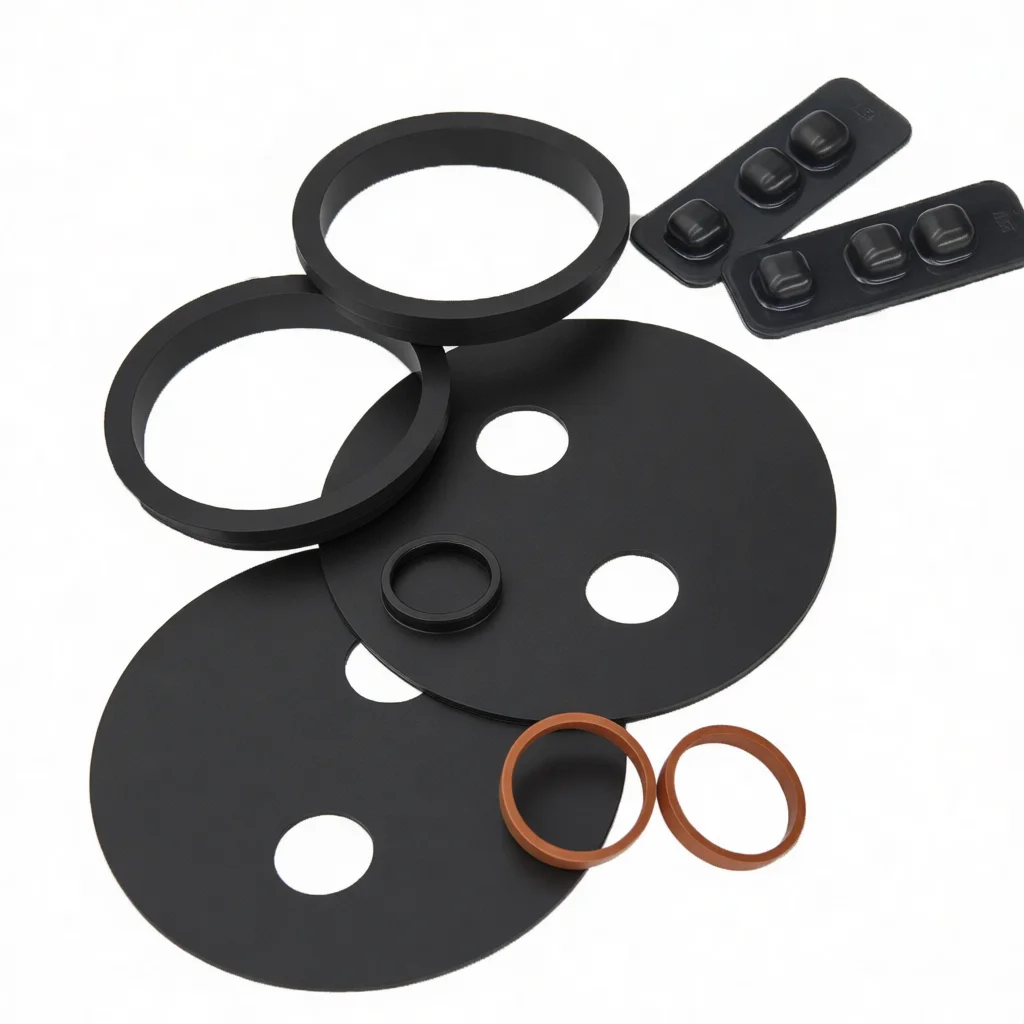
Frankly, in our line of work, cutting corners with gasket materials means risking downtime or expensive repairs. If your application calls for reliably sealed enclosures or vibration-damping layers, closed cell foam gasket material stands out as a solid choice. The subtle differences between suppliers can actually save you time and money if you know what to look for — it feels like a small detail but makes a big impact on the final assembly.
One last anecdote: A customer manufacturing medical ventilators once swapped from a generic open cell foam to a high-grade closed cell variant. The result? Their devices maintained pressure seals better and performed far more reliably in humid environments. A small change, true, but it highlights how the right material really matters.
So, if you’re sizing up gasket options, consider material compatibility, compression resistance, and vendor responsiveness before committing. It’s those little things, really, that keep equipment humming along.
In essence, good seals protect more than just your machinery—they safeguard your operational peace of mind.
References:
- ASTM International Standards for Foam Materials (D1056, D3575)
- SunliteTek Product Technical Data Sheets
- Industry Case Study: Medical Device Sealing Solutions

Why Closed Cell Foam Gasket Material Remains an Industr […]