Select Language
 What Is NBR 70 Rubber and Why It Matters Globally
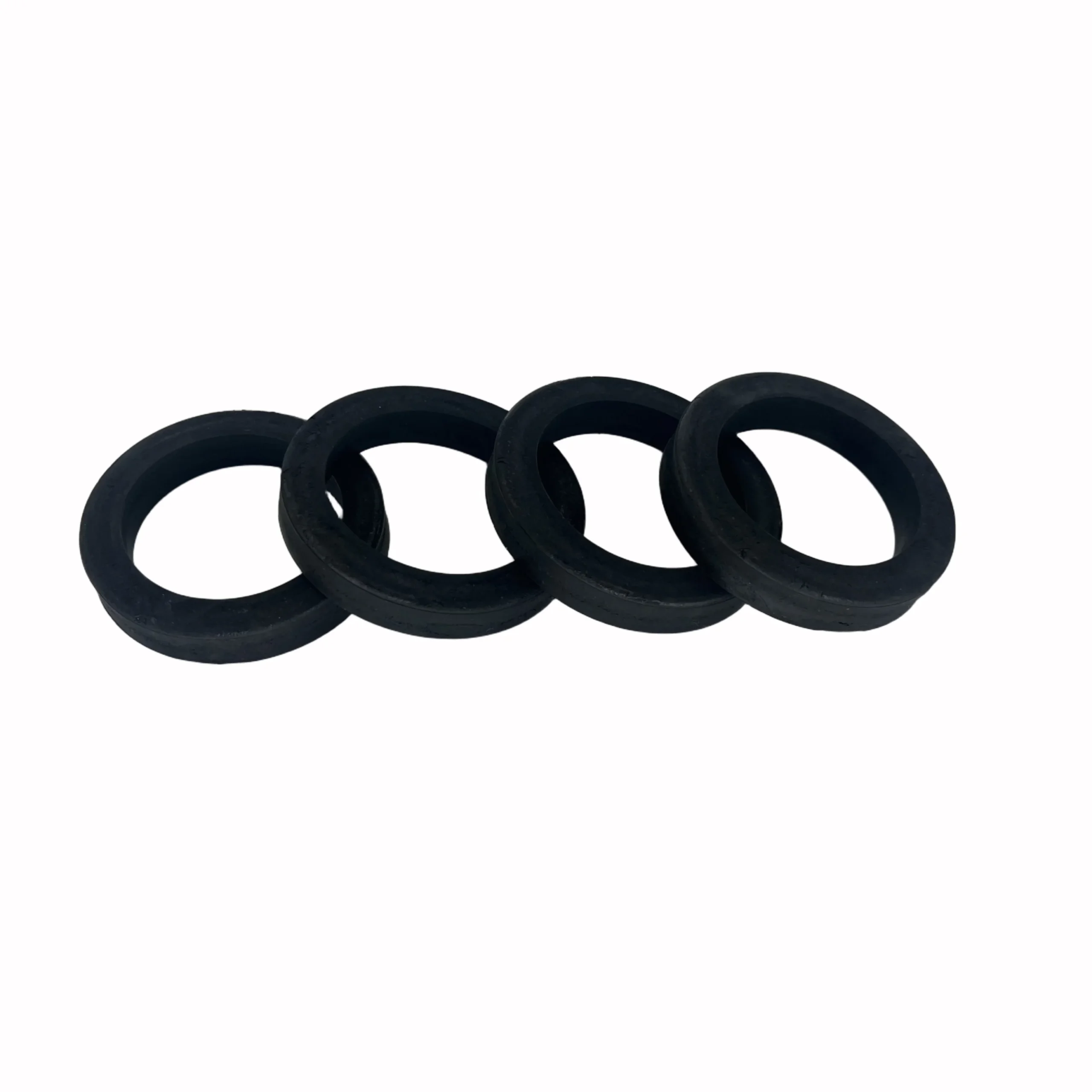
In the vast world of synthetic elastomers, nbr 70 rubber holds a special place. But what exactly is it, and why does it matter beyond just manufacturing floors? Oddly enough, this material increasingly plays a pivotal role across industries — from automotive to oil drilling — and even assists in humanitarian efforts. Understanding it deeply can unlock smarter choices in durability, sustainability, and performance.
Global Context: Why NBR 70 Rubber Is More Relevant Than Ever
According to the International Trade Centre (ITC) and the ISO, the synthetic rubber market is expected to grow robustly, especially types like nitrile rubber (NBR), due to their resistance to oil and chemicals. NBR 70 rubber specifically refers to nitrile rubber with a hardness rating around 70 Shore A — a sweet spot between flexibility and toughness. Given the surge in sectors like automotive manufacturing, industrial seals, and personal protective equipment, demand worldwide is increasing.
Yet, there’s a challenge: balancing performance with environmental concerns. The UN Environmental Programme highlights synthetic rubber’s carbon footprint, so innovations and sustainable sourcing have become hot topics. To that end, nbr 70 rubber’s mechanical properties help create long-lasting products, reducing waste and frequent replacements.
Defining NBR 70 Rubber
At its core, nitrile butadiene rubber (NBR) is a copolymer produced by polymerizing butadiene and acrylonitrile. The "70" here relates to the material’s hardness on the Shore A scale — think of it as how firm or soft the rubber feels. NBR 70 rubber is firm enough for seals and gaskets but still pliable, making it incredibly versatile.
This material is prized for its resistance to oils, fuels, and some chemicals, which ties directly into its role in industries reliant on petroleum products or requiring durable sealing under harsh conditions.
Key Properties Driving NBR 70 Rubber Usage
1. Chemical & Oil Resistance
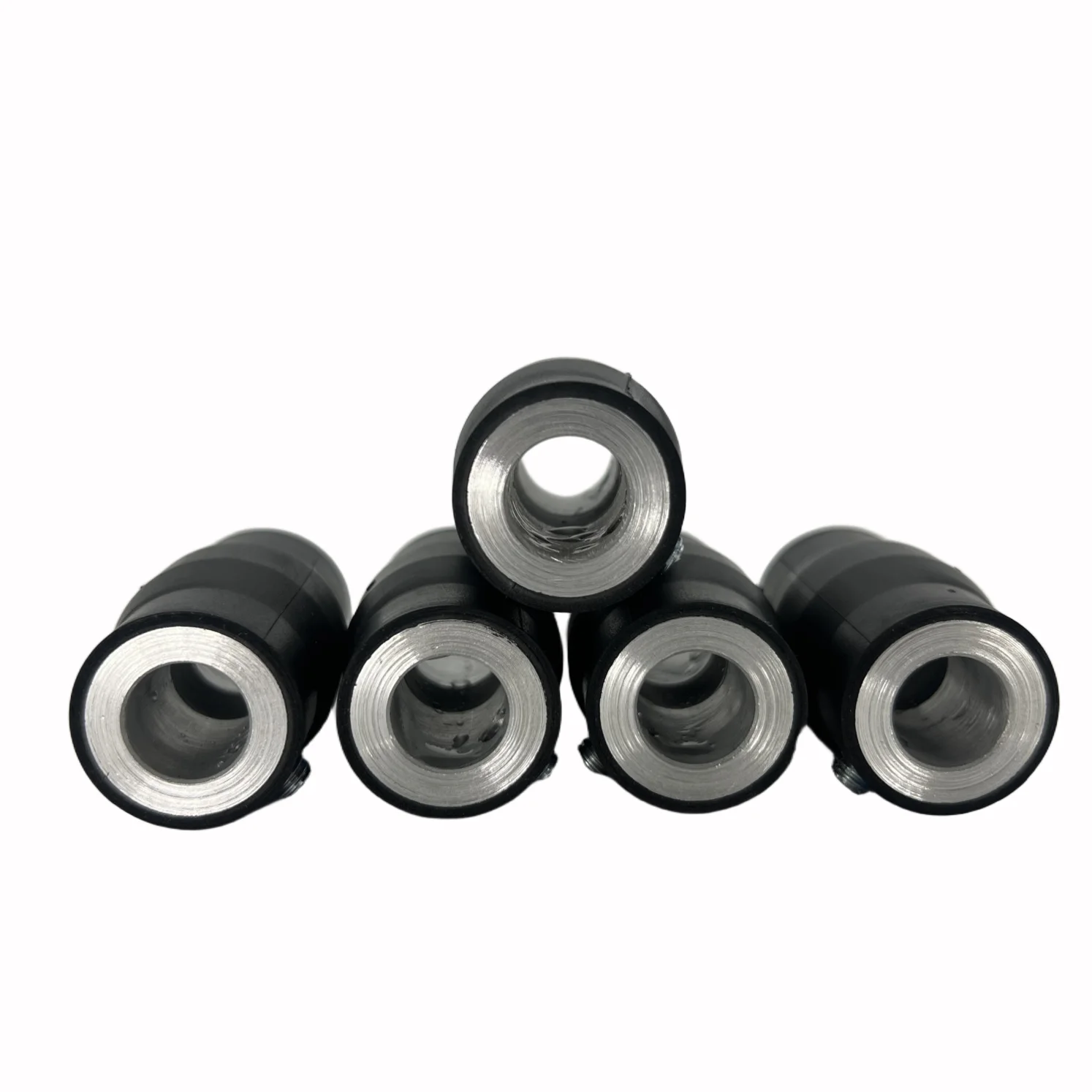
NBR 70 resists swelling and degradation when exposed to oils and fuels, essential for car engines, hydraulic systems, and industrial equipment.
2. Durability & Tensile Strength
The hardness rating offers durability without brittleness. Many engineers note that this grade strikes a good balance allowing products to last years under continuous mechanical stress.
3. Temperature Handling
While it performs well in moderate heat (-30°C to +100°C), it’s less suitable for extreme cold or high temperatures, making it important to select accordingly.
4. Cost Efficiency
Compared to specialty rubbers, NBR 70 is cost-effective. Its long useful life counterbalances initial costs, often delivering better value over time.
5. Ease of Production & Customization
Manufacturers find it adaptable for injection molding, extrusion, and compression molding, facilitating complex part designs.
Mini Takeaway:
NBR 70 rubber blends firmness and flexibility, with excellent oil resistance — key traits that make it indispensable in many industrial applications globally.
Product Specifications of Typical NBR 70 Rubber
| Property | Value / Range |
|---|---|
| Hardness (Shore A) | 68–72 |
| Tensile Strength | 15–22 MPa |
| Elongation at Break | 300–500% |
| Temperature Range | -30°C to 100°C |
| Oil Resistance | Excellent |
Global Applications: Where and How NBR 70 Rubber Shines
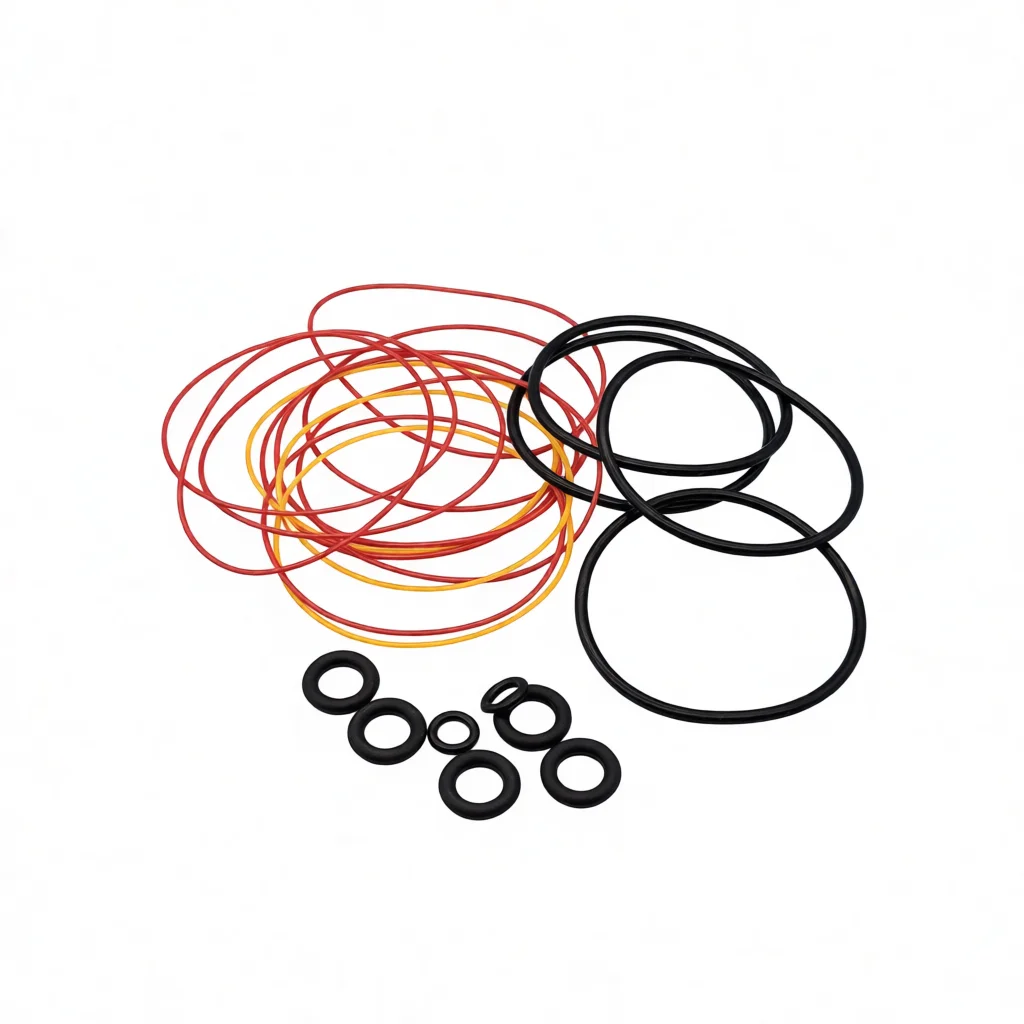
The industrial fabric of many regions, especially in North America, Europe, and East Asia, relies heavily on nbr 70 rubber. For example, car manufacturers use it extensively for seals and gaskets because these parts need to resist oil degradation but also remain flexible to maintain a tight seal.
Oddly enough, humanitarian organizations also find applications. In disaster zones, durable rubber components prevent leaks in water pumps and fuel lines for generators. Some NGOs source nbr 70 rubber parts to extend the lifespan of essential equipment — small but crucial considerations that keep relief operations running smoothly.
In heavy industries like mining and drilling — prevalent in Australia, Latin America, and parts of Africa — nbr 70 rubber’s resistance to petroleum products helps enhance machinery uptime despite severe operating conditions.
Mini Takeaway:
Whatever the corner of the globe, nbr 70 rubber forms a quietly reliable backbone for critical industrial, automotive, and humanitarian equipment.
Vendor Comparison: Choosing the Right Supplier
| Vendor | Quality Certifications | Typical MOQ | Custom Formulations | Eco-Friendly Options |
|---|---|---|---|---|
| SunliteTek Inc. | ISO 9001, RoHS | 500 kg | Yes | Yes (bio-based blends) |
| GlobalRubber Ltd. | ISO 14001 | 1000 kg | Limited | No |
| EcoBlend Polymers | REACH, ISO 9001 | 200 kg | Yes (focus on sustainability) | Extensive (bio/NBR hybrids) |
Advantages & Long-Term Value
Cost, durability, and environmental considerations all align to make nbr 70 rubber a long-term winner. Manufacturers appreciate that fewer replacements mean lower downtime and material waste. Oddly enough, there’s an emotional value too — in industries like healthcare or food processing, high reliability conveys trust and safety, critical but often overlooked.
Furthermore, as sustainability takes center stage, formulations incorporating bio-based ingredients signpost a future where synthetic rubbers may play a gentler role on the planet.
Future Trends & Innovations
Looking ahead, research into nanoscale fillers (like graphene or silica particles) promises to boost nbr 70 rubber’s strength and temperature resistance. Also, digital manufacturing trends, including 3D printing of elastomer parts, could revolutionize prototyping and small-batch customizations.
Environmental pressure will also push suppliers toward greener versions—blending bio-polymer additives and improving recyclability — making nbr 70 rubber not just a practical choice but an ethical one.
Challenges & Expert Solutions
Of course, no material is perfect. NBR 70 rubber’s limited low-temperature flexibility and resistance to some solvents can restrict use. However, chemists tweak formulations by altering acrylonitrile content or blending with other polymers to overcome these issues.
In practical terms, proper material selection and testing are vital — and partnering with knowledgeable suppliers who understand these nuances is often the best move.
Frequently Asked Questions about NBR 70 Rubber
- Q: How does nbr 70 rubber compare to natural rubber?
A: NBR 70 offers superior resistance to oils and fuels, whereas natural rubber excels in elasticity and low-temperature performance but degrades quickly with petroleum exposure. - Q: Can nbr 70 rubber be used in food-contact applications?
A: It depends on formulation and certification. Some grades are designed to meet FDA or EU food safety standards for indirect contact parts. - Q: What are typical industries using nbr 70 rubber?
A: Automotive seals, industrial gaskets, oil and gas components, and sometimes medical equipment due to its chemical resistance. - Q: How should nbr 70 rubber products be stored?
A: Keep away from extreme heat and UV light, ideally in cool, dark conditions to prolong shelf life.
Conclusion
All in all, nbr 70 rubber stands out as a versatile, resilient solution for a variety of industries facing demanding conditions. Its blend of durability, oil resistance, and cost efficiency make it a reliable choice today and, frankly, a promising material as industries evolve toward more sustainable practices. Curious to explore specific formulations or sourcing options? Visit our website: nbr 70 rubber.
References

What Is NBR 70 Rubber and Why It Matters Globally In th […]