Select Language
 Understanding EPDM Foam Seal: Why It’s Essential in Modern Industry
If you’ve ever peeked behind the scenes in construction, automotive, or even electronics manufacturing, you might have bumped into the term EPDM foam seal. It might sound technical or niche, but honestly, these little seals play a surprisingly big role. Globally, they help ensure durability, weather resistance, and safety across countless applications. Whether it’s about protecting equipment from water ingress or cutting down noise pollution, understanding EPDM foam seals opens a window into a foundational industrial solution — one that quietly supports infrastructure and innovation alike.
Because the world is moving fast – more automation, more green building, and more extreme weather – the seal’s role is becoming even more critical. It’s not just about sticking rubber here or there; it’s about reliability under pressure, often literally.
Global Context: Why EPDM Foam Seal Matters
Globally, industries are under pressure to reduce waste, improve energy efficiency, and cut costs. According to ISO standards on sealing materials (ISO 37:2017), materials like EPDM (ethylene propylene diene monomer) rubber foam offer unique advantages. The World Bank reports that weatherproofing and insulation could reduce global energy consumption by up to 30% in buildings alone. Considering that poorly sealed buildings lead to energy waste, a strong foam seal isn't a luxury — it’s a necessity in sustainable development.
Challenges like harsh weather, aging infrastructure, and growing urbanization heighten the demand for reliable sealing solutions. This often gets overlooked, but in real terms, a small seal can prevent major damage, costly repairs, and energy loss worldwide.
What Exactly Is an EPDM Foam Seal?
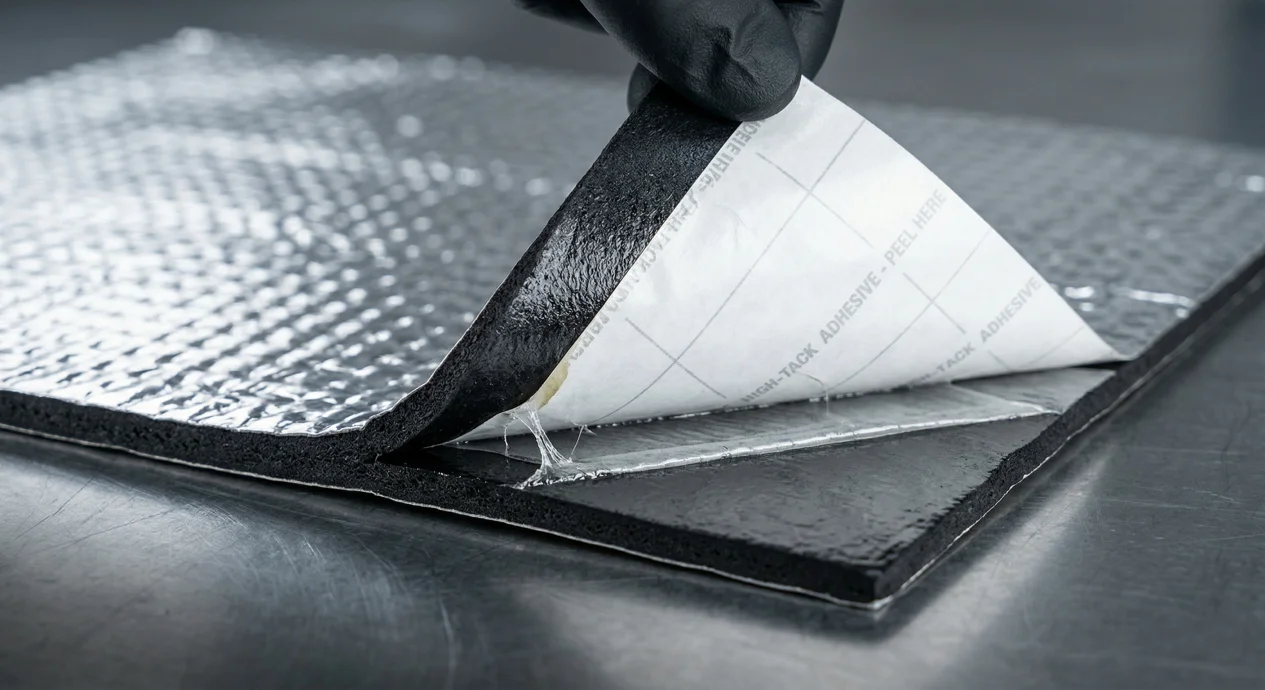
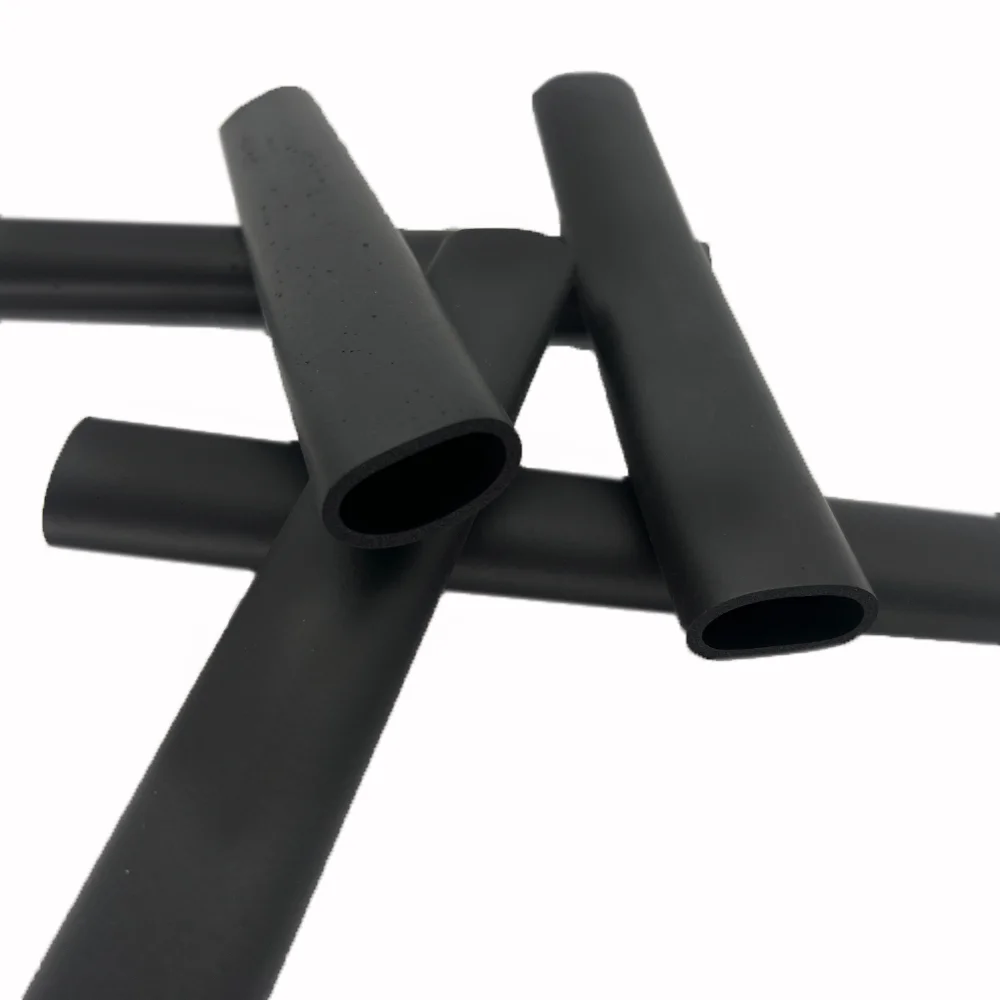
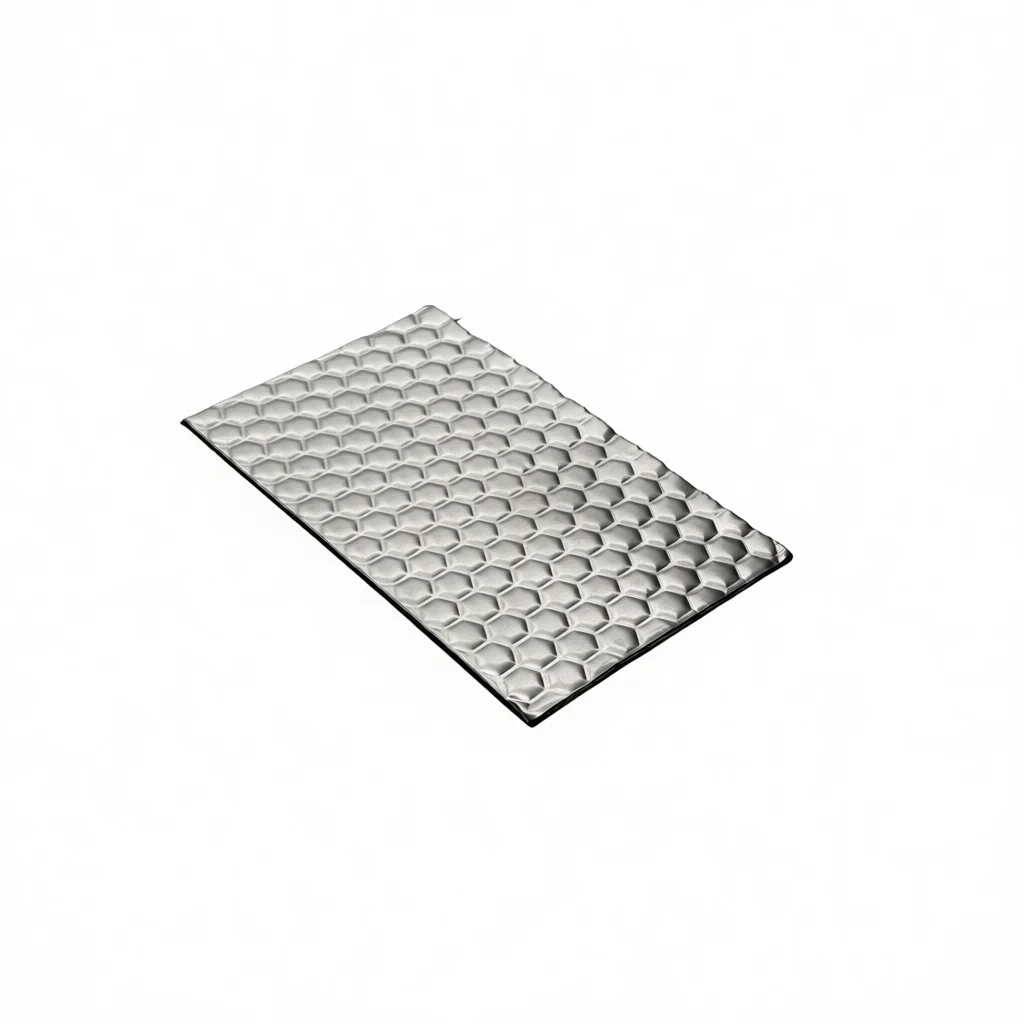
In plain language, an EPDM foam seal is a flexible, closed-cell rubber foam made from ethylene propylene diene monomer rubber. Think of it as a squishy but tough strip that compresses to fill gaps and keep air, water, dust, and noise out. It’s widely used to seal joints and openings in windows, doors, automotive parts, and even machinery.
What makes it fascinating (and valuable!) is its resistance to aging, ozone, UV rays, and extreme temperature variations – qualities that modern industries demand to protect their products and processes. For humanitarian and relief contexts, such seals are vital in temporary structures, making shelters safer and more livable.
Core Aspects of EPDM Foam Seals
- Durability: EPDM seals can last over 20 years in outdoor conditions without cracking or losing elasticity. This is mainly due to their chemical structure resisting ozone and UV damage.
- Water Resistance: Their closed-cell nature makes them impermeable to water, excellent for weatherproofing and preventing leaks.
- Thermal Insulation: They reduce heat transfer, which helps with energy efficiency in buildings and vehicles.
- Noise Reduction: Many industries use EPDM foam seals to dampen vibrations and sound – a quiet comfort in hectic environments.
- Customization & Scalability: EPDM foam seals come in various profiles and densities to fit industrial needs, from mass production to specialized uses.
Each factor directly impacts the kind of projects where these seals thrive, from skyscraper windows enduring storms to trucks sealing noise from busy highways.
EPDM Foam Seal Specifications
| Property | Typical Value | Unit |
|---|---|---|
| Density | 120–300 | kg/m³ |
| Tensile Strength | > 0.7 | MPa |
| Temperature Range | -40 to +150 | °C |
| Compression Set (22h @ 70°C) | % | |
| Water Absorption | % |
Where in the World Are EPDM Foam Seals Used?
Honestly, you can find EPDM foam seals doing their quiet work almost everywhere. In Japan and South Korea, precision automotive manufacturing uses them extensively for weather stripping and vibration dampening. Europe relies on them heavily in green construction, thanks to stringent EU energy efficiency targets. In North America, they’re part of HVAC systems and mass transit infrastructure.
But the ripple effect extends beyond big economies. For example, NGOs working in disaster relief zones across Southeast Asia use lightweight EPDM seals in modular shelters to ensure safety against unpredictable weather—helping safeguard displaced families. Industrial sites in Africa’s mining belt use customized seals to protect expensive machinery from dust and moisture, cutting downtime.
Vendor Comparison Table: EPDM Foam Seal Providers
| Vendor | Product Range | Customization | Lead Time | Sustainability |
|---|---|---|---|---|
| SunliteTek | Wide (Doors, Windows, Industrial) | High (Custom profiles & densities) | 2-3 weeks | Recycled content & low VOCs |
| SealTech Solutions | Focused (Automotive mainly) | Medium (Standard profiles) | 3-5 weeks | Basic environmental compliance |
| GlobalFoam | Varied (Industrial & marine) | Low (Mostly catalog items) | 1-2 weeks | Limited sustainability initiatives |
Long-Term Benefits of Using EPDM Foam Seals
One thing that stands out about these seals is their long-term cost effectiveness. It’s not just about buying a cheap product; it’s about investing in reliability and maintenance savings. EPDM seals reduce the likelihood of leaks in buildings or machinery, saving energy and repair funds. They also contribute to occupant comfort — think quieter rooms, more stable indoor temperatures, and less mold due to moisture intrusion.
Socially, the seals contribute to infrastructure longevity and even safety, especially in places prone to storms or harsh climates. You could say they quietly uphold dignity by ensuring living and working spaces remain protected.
The Road Ahead: Trends and Innovations
The field of sealing technology isn’t freezing in time. Oddly enough, as digital transformation takes over manufacturing, companies increasingly use automated cutting and profiling machines for customizing epdm foam seals. There’s also a growing push toward bio-based EPDM formulations and recyclable foams to align with global sustainability goals.
Meanwhile, green building certifications like LEED are encouraging more innovative seal designs that improve indoor air quality by minimizing leaks while using fewer harmful compounds. So the foam seal is gradually becoming smarter, greener, and more tailored than ever.
Common Challenges & How Experts Address Them
Of course, no material is perfect. Sometimes the main issues revolve around installation errors or selecting the wrong foam density for a given application. Poor UV protection in cheaper foams can lead to early cracking where long-term performance is expected. In response, suppliers offer training and sampling programs to ensure clients pick the right product for their climate and use case.
FAQs About EPDM Foam Seals
- Q: How do EPDM foam seals differ from silicone seals?
A: EPDM generally offers better resistance to ozone and weathering, making it ideal for outdoor applications, while silicone excels at higher temperature tolerances. Your choice depends on environment and cost. - Q: Can EPDM foam seals be reused?
A: Typically, no. Once compressed or installed, their sealing effectiveness reduces. Replacement is usually recommended to maintain performance. - Q: Are EPDM foam seals eco-friendly?
A: While traditionally synthetic, many manufacturers now incorporate recycled materials and low-VOC production processes, enhancing sustainability. - Q: What industries benefit most from EPDM foam seals?
A: Construction, automotive, HVAC, electronics, and even packaging sectors rely heavily on these seals for protection and insulation.
Final Thoughts: Why EPDM Foam Seals Deserve Your Attention
To wrap up, EPDM foam seals might seem like small players in the grand scheme, yet their impact echoes across industries and continents. Their durability, flexibility, and efficiency contribute not just to better products, but to sustainability and safety—values increasingly critical today. If you want to explore options or see how the right seal could improve your project, SunliteTek offers a rich catalogue and expert support that’s worth a look.
After all, the best solutions often fit quietly into the cracks — holding everything together, one seal at a time.
References:

Understanding EPDM Foam Seal: Why It’s Essential […]