Select Language
 Understanding the 4 Inch Rubber O Ring: Small Component, Big Impact
Rubber O rings might seem mundane at first glance. Yet, when we talk about a 4 inch rubber o ring, we're diving into a critical component that plays a huge role in industries globally. From sealing piping systems in oil refineries to critical water infrastructure in developing areas, these simple rings make or break system integrity. Knowing why the 4 inch size matters, and how quality materials and design affect performance, is essential if you're involved in manufacturing, maintenance, or supply chain management. Plus, understanding this small part can hugely impact cost savings and environmental sustainability in the long run.Global Context: Why A Piece of Rubber Matters Worldwide
Worldwide, industries spend billions on maintenance and leakage prevention every year, and o rings are a surprisingly common factor in system failures. According to the International Organization for Standardization (ISO), over 60% of fluid leakage in machinery can be attributed to seal failures — often involving standard components like rubber o rings. That’s quite something for a small, 4-inch diameter loop of elastomer to carry as a burden. The 4 inch rubber o ring is especially significant in sectors like: - Oil and gas pipelines (transporting fuels globally) - Water treatment and supply (essential for safe drinking water) - Chemical processing plants (handling corrosive substances) A persistent challenge is balancing durability with environmental resistance — seals must withstand temperature swings, chemicals, and mechanical stress without degrading prematurely. In humanitarian contexts, like disaster relief infrastructure, dependable seals prevent contamination and water loss vital to health outcomes. Mini takeaway: The 4 inch rubber O ring might be a simple part, but its global applications underpin critical systems in energy, water, and manufacturing — underscoring how a tiny ring supports massive infrastructures.What Exactly Is a 4 Inch Rubber O Ring?
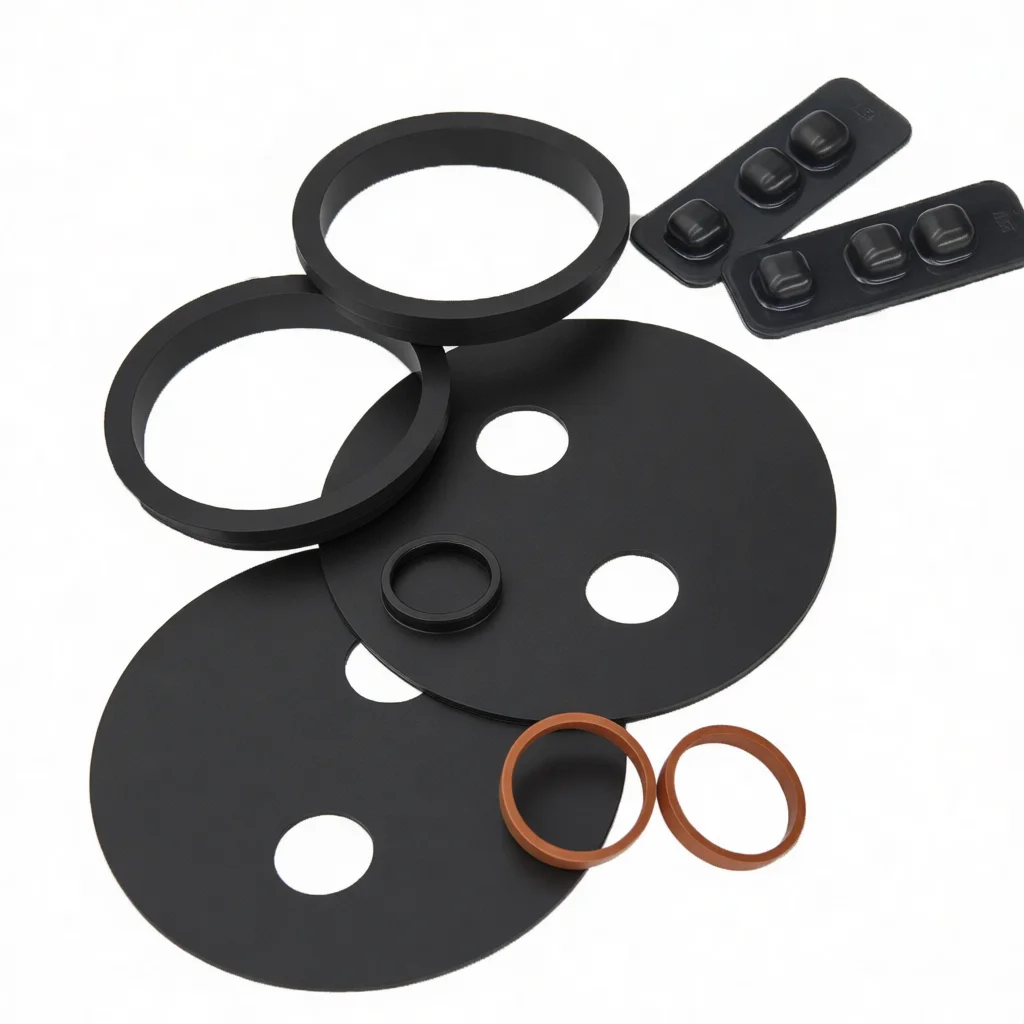
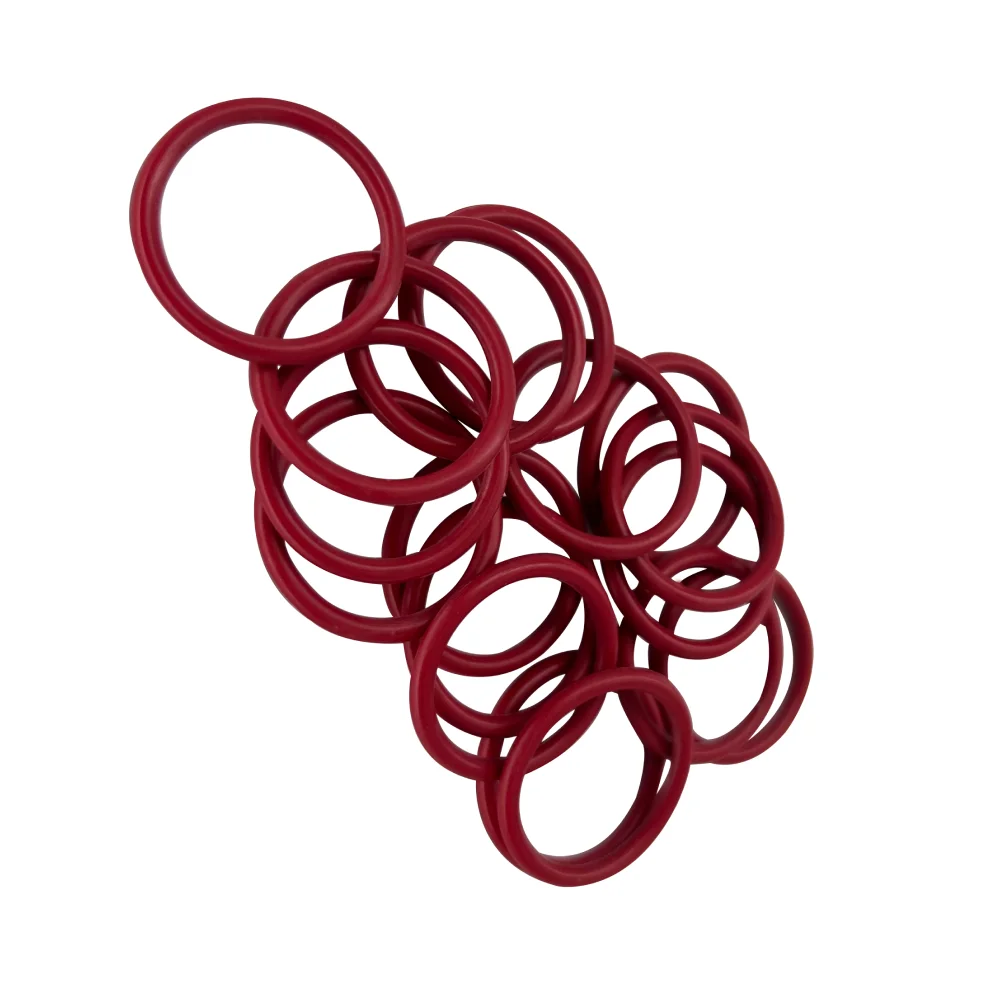
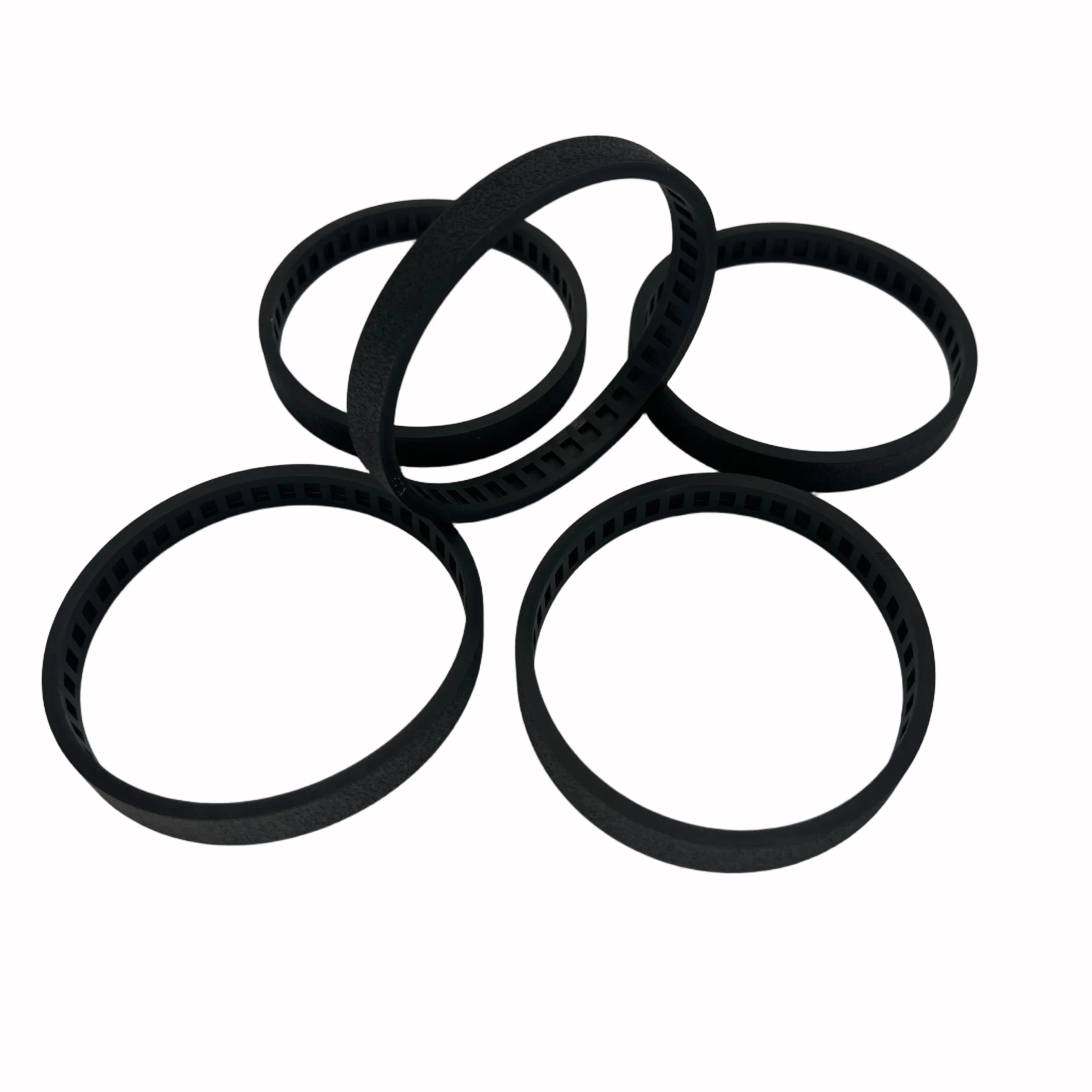
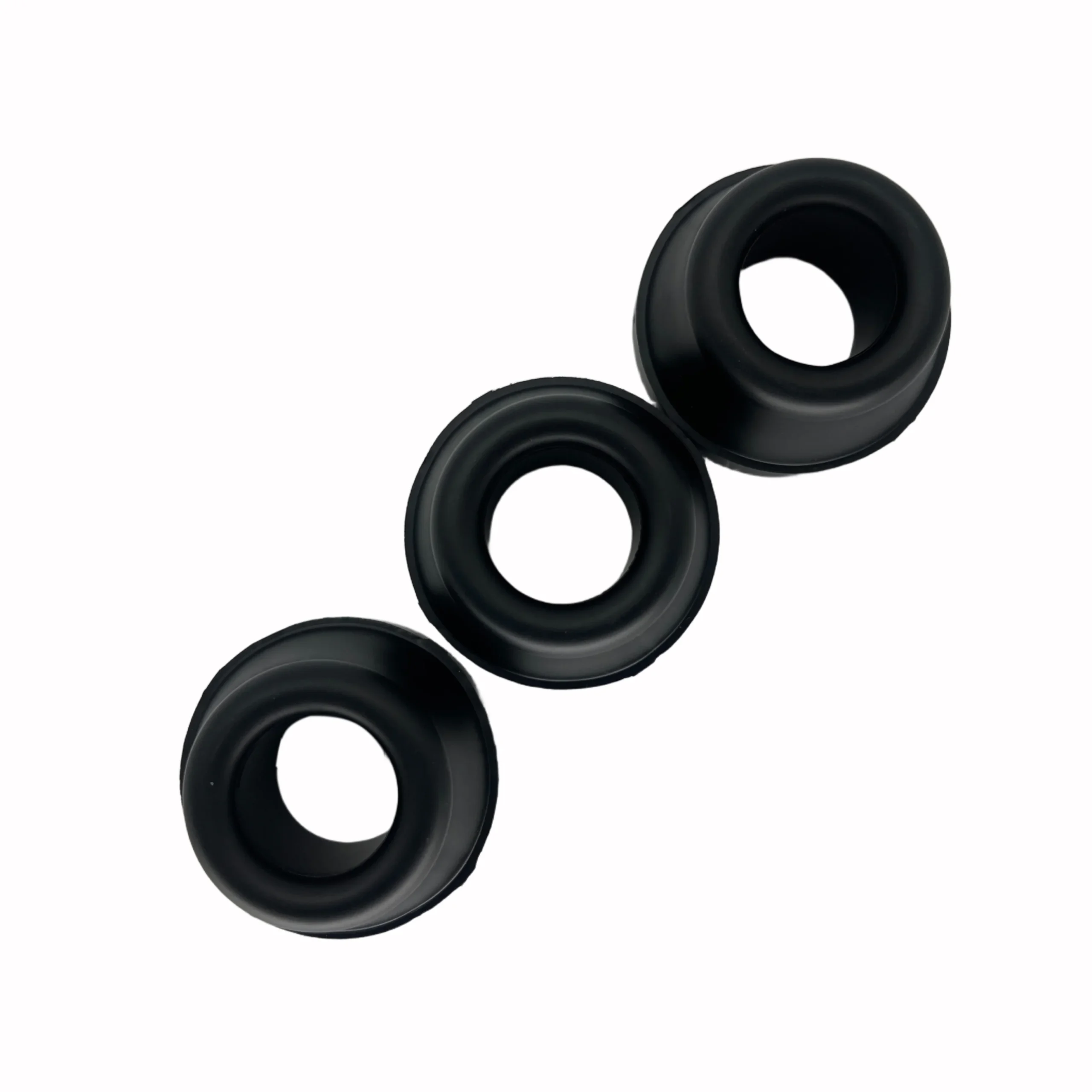
At its core, a 4 inch rubber o ring is a circular gasket typically made from synthetic elastomers (such as nitrile, EPDM, or silicone). The "4 inch" refers to the inside diameter of the ring, roughly 100 mm for metric fans. Its purpose? To fit snugly between mechanical parts and create a leak-tight seal that prevents fluids or gases from escaping. Why rubber? Well, elastomers offer flexibility, compression recovery, and chemical resistance — perfect for sealing applications. The shape, round in cross-section, allows even pressure distribution for consistent sealing. Given the vast variety of industrial equipment sizes, the 4 inch size is popular for medium-scale pipe fittings and valves. Without a proper o ring at the right size, systems face leaks, breakdowns, and costly downtime. Mini takeaway: Think of the 4 inch rubber o ring as a tiny, flexible guardian that keeps fluids where they belong, ensuring machines work safely and efficiently.Key Factors Behind a Quality 4 Inch Rubber O Ring
1. Durability
The ring must resist wear from repeated pressure cycles. Many engineers insist on hardness ratings of 70 Shore A or more for durability without sacrificing flexibility, especially in hydraulic applications.2. Chemical Resistance
Depending on the fluid handled, the ring might need to resist oils, acids, solvents, or steam. Nitrile rubber reigns in petroleum environments, while EPDM excels in water treatment and weathering.3. Temperature Range
Operating temperatures can swing wildly — from frigid outdoor facilities to high-heat reactors. Silicone compounds survive extremes (-60°C to 230°C), but cost more.4. Compression Set
The ring's ability to recover after compression affects how long it seals effectively. A poor compression set leads to leaks as seals flatten out permanently.5. Size Tolerances and Surface Finish
Precise sizing is critical. Loose rings cause leaks; overly tight ones can rupture or deform. Surface smoothness between mating parts ensures better seal integrity. Mini takeaway: When selecting o rings, knowing your application’s demands ensures the 4 inch rubber o ring won’t let you down — a “one-size-fits-all” approach rarely works here.Global Applications of the 4 Inch Rubber O Ring
The 4 inch rubber o ring finds itself inside countless systems worldwide. - In China’s massive water treatment plants, these seals prevent leakage during high-pressure filtration. - Middle-East oil fields rely on the rings to maintain pipeline integrity amid harsh chemical exposure. - In European manufacturing lines, the o rings secure valves that keep automated assembly fluids flowing smoothly. - NGOs installing clean water systems in Sub-Saharan Africa depend on these rings for durable, low-maintenance pumps. One particular case: A Southeast Asian hydropower project saved tens of thousands of dollars by switching suppliers to a higher-grade 4 inch o ring. The improved chemical resistance reduced seal replacement frequency and halted unscheduled outages. Mini takeaway: No matter the continent or industry, the humble 4 inch rubber o ring quietly supports vital operations that shape economies and public health.Advantages and Long-Term Value of Using the Right O Ring
Here’s where the small part earns big praise: - Cost Efficiency: Quality o rings reduce both immediate replacement costs and indirect costs from downtime or damage. - Sustainability: Longer-lasting seals mean less material waste and lower consumption of oils or chemicals caused by leaks. - Reliability: Stable, predictable sealing supports safer working environments and less emergency maintenance. - Innovation: Modern materials and precise manufacturing allow these rings to meet ever demanding industrial requirements. Aside from the obvious technical benefits, there’s also an emotional side — engineers trust their systems to this tiny component, and production operators sleep easier knowing leaks won’t suddenly cause hazards or losses.Anticipating the Future: Trends & Innovations
New developments in material science are enhancing 4 inch rubber o ring performance: - Bio-based elastomers aim to reduce petroleum reliance. - Nano-reinforced rubber compounds are increasing tensile strength and abrasion resistance. - Smart sensors embedded in o rings can potentially report seal health in real time, predicting failures before they happen. - Additive manufacturing (3D printing) allows rapid prototyping and customization — meaning orders could be tailored precisely to the environment quickly. Green energy fields, like geothermal plants, demand seals that handle harsher conditions — pushing innovation forward. Digital automation in maintenance schedules also means these parts will increasingly be monitored, extending operational lifetimes.Common Challenges and Expert Solutions
The biggest issues with 4 inch rubber o rings include: - Material degradation from unexpected chemicals or UV exposure. - Improper installation causing twisting or cutting of the ring. - Long storage times leading to hardening or cracking. Leading suppliers now offer training on installation best practices, and seal design guides help engineers pick materials aligned with process environments. Storage recommendations — cool, dark, sealed containers — prolong shelf life. Periodic seal health checks help catch creeping degradation. It’s a subtle art to balance cost with performance, and many buyers underestimate how critical slight differences in compounds are. The advice from many seal experts? When in doubt, opt for the premium compound. Saving a few bucks upfront can cost exponentially when leaks happen.Frequently Asked Questions About 4 Inch Rubber O Rings
Q1: How do I know which material suits my 4 inch rubber o ring application?A: Identify the operating temperature, fluid type, and pressure. For oil-based fluids, nitrile is common; for water or steam systems, EPDM is better. Confirm with your supplier’s compatibility charts.
Q2: Can I reuse a 4 inch rubber o ring once removed?
A: It’s generally not recommended. Removing the ring risks damage, compression set, or contamination reducing sealing efficiency.
Q3: What are the risks of using a poorly sized o ring?
A: Incorrect sizing can cause leaks, premature failure, or even damage to mating parts. Always measure precisely and consult sizing standards.
Q4: How long does a typical 4 inch rubber o ring last?
A: Lifespan varies widely but typically ranges from 3 to 10 years depending on conditions, installation, and maintenance.
Q5: Are there eco-friendly options for 4 inch rubber o rings?
A: Yes, newer bio-elastomers and recyclable materials are entering the market, appealing to industries aiming for lower environmental footprints.
Quick Reference: 4 Inch Rubber O Ring Specification Table
| Specification | Typical Values | Notes |
|---|---|---|
| Inner Diameter | 4 inches (100 mm) | Standard nominal size |
| Cross Section Diameter | 0.139 - 0.210 inches (3.5 to 5.3 mm) | Varies by standard (AS568 sizes common) |
| Material | Nitrile (NBR), EPDM, Silicone | Depends on application |
| Temperature Range | -40°C to +120°C (NBR typical) | Silicone can go from -60°C to +230°C |
| Hardness | 60-90 Shore A | Most common sealing range |
Vendor Comparison: Choosing Your 4 Inch Rubber O Ring Supplier
| Vendor | Material Range | Customization Options | Lead Time | Pricing Tier |
|---|---|---|---|---|
| SunliteTek | Nitrile, EPDM, Silicone & Bio Elastomers | Custom sizes & compounds on demand | 7-14 days standard | Mid-High |
| SealPro Inc. | Nitrile & EPDM only | Limited custom requests | 10-20 days | Mid |
| GlobalSeal | Wide range incl. high-temp & chemical resistant | Custom tooling & long term contracts | 30+ days | High |
Wrapping Up: Why the 4 Inch Rubber O Ring Deserves Your Attention
It might be just a loop of rubber, but in real terms, the 4 inch rubber o ring represents a linchpin in systems that keep industries running and people safe. With global dependence on infrastructure that’s reliable and efficient, small gains in seal performance translate to big savings and fewer catastrophic failures. If you’re seeking quality, innovation, and sustainability in seals, it’s worth diving a little deeper. Check out 4 inch rubber o ring selections to explore how choosing the right seal can uplift your operations. ### References 1. ISO 3601-1:2012 - Fluid sealing — O-rings — Part 1: Inside diameters, cross-sections, tolerances and designation codes. 2. Wikipedia contributors. "O-ring." Wikipedia, The Free Encyclopedia. 3. UN Water (2019). "The Impact of Sealing and Leakage in Water Infrastructure."
Understanding the 4 Inch Rubber O Ring: Small Component […]