Select Language
 Pool Roller Brush: field notes, specs, and what actually matters
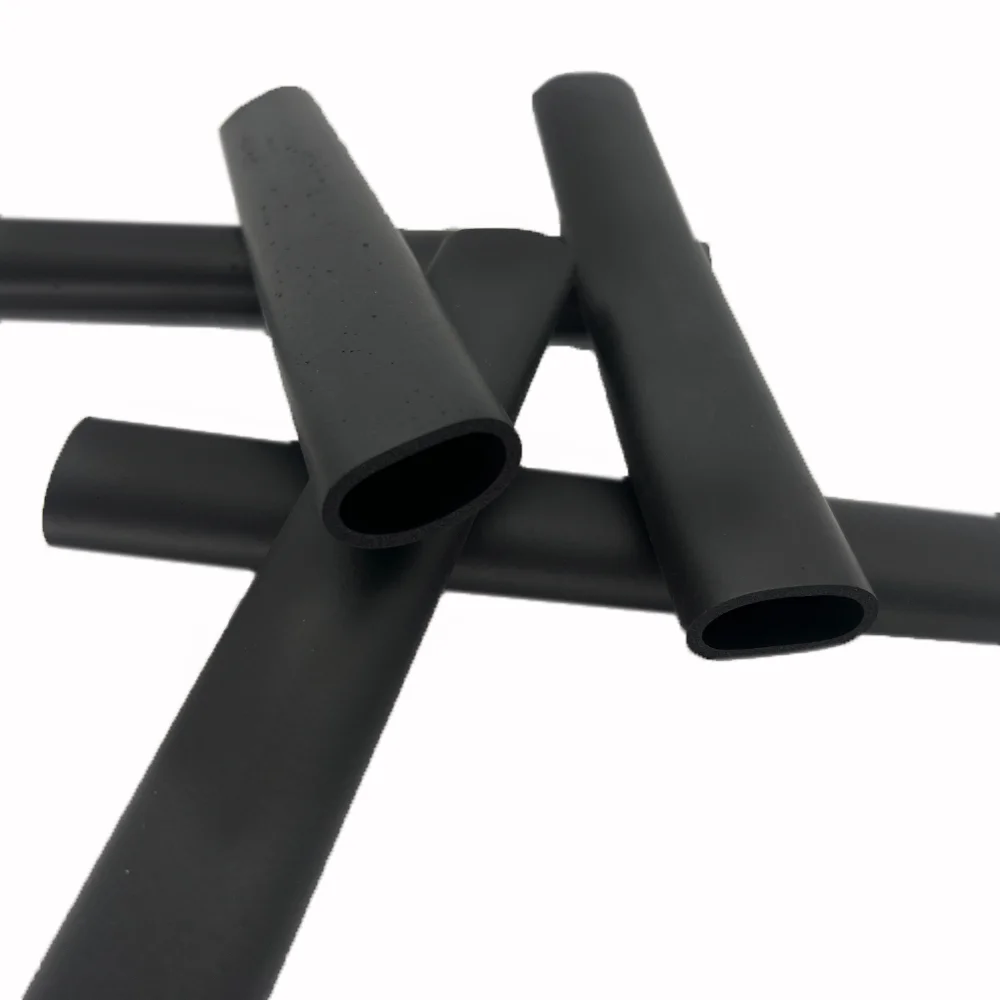
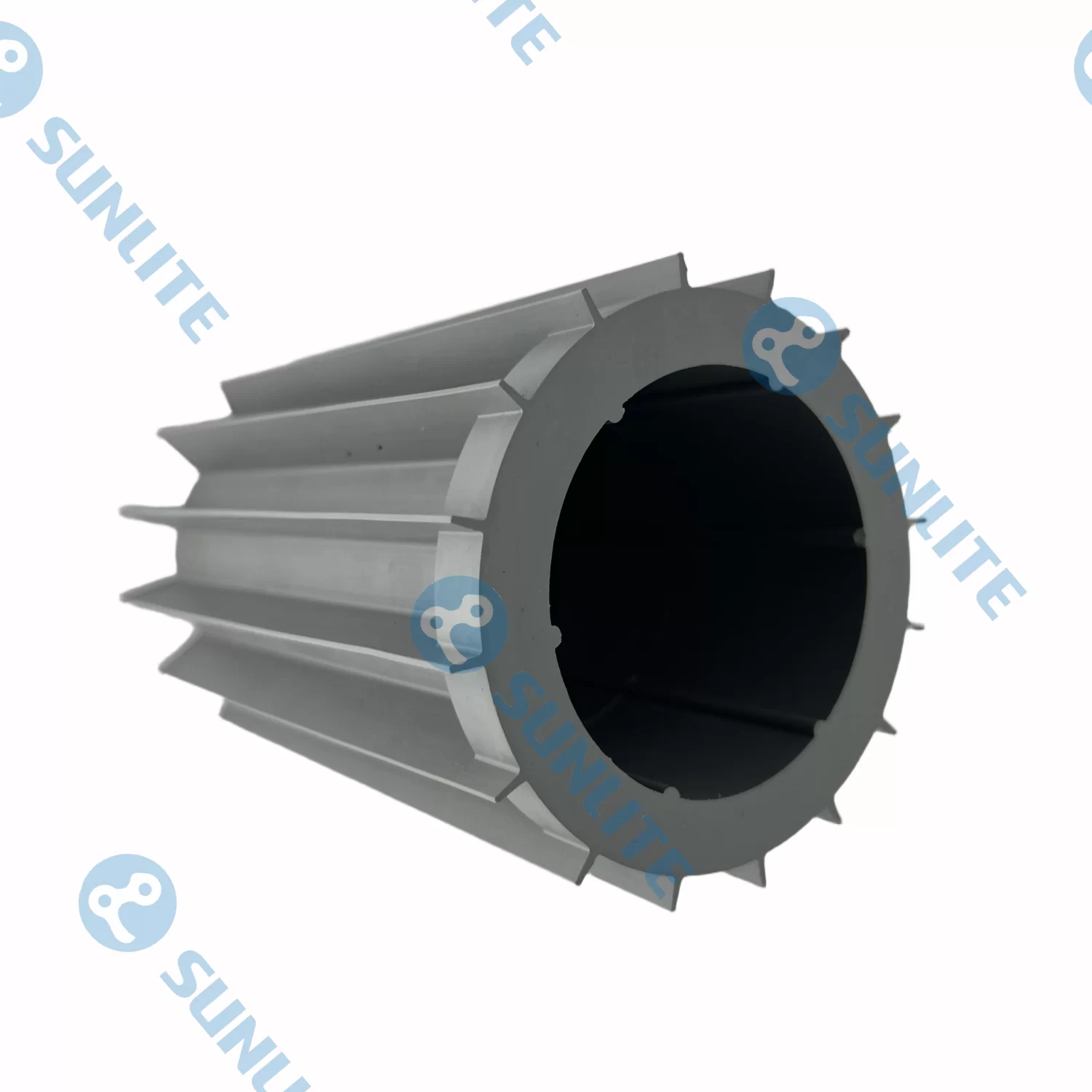
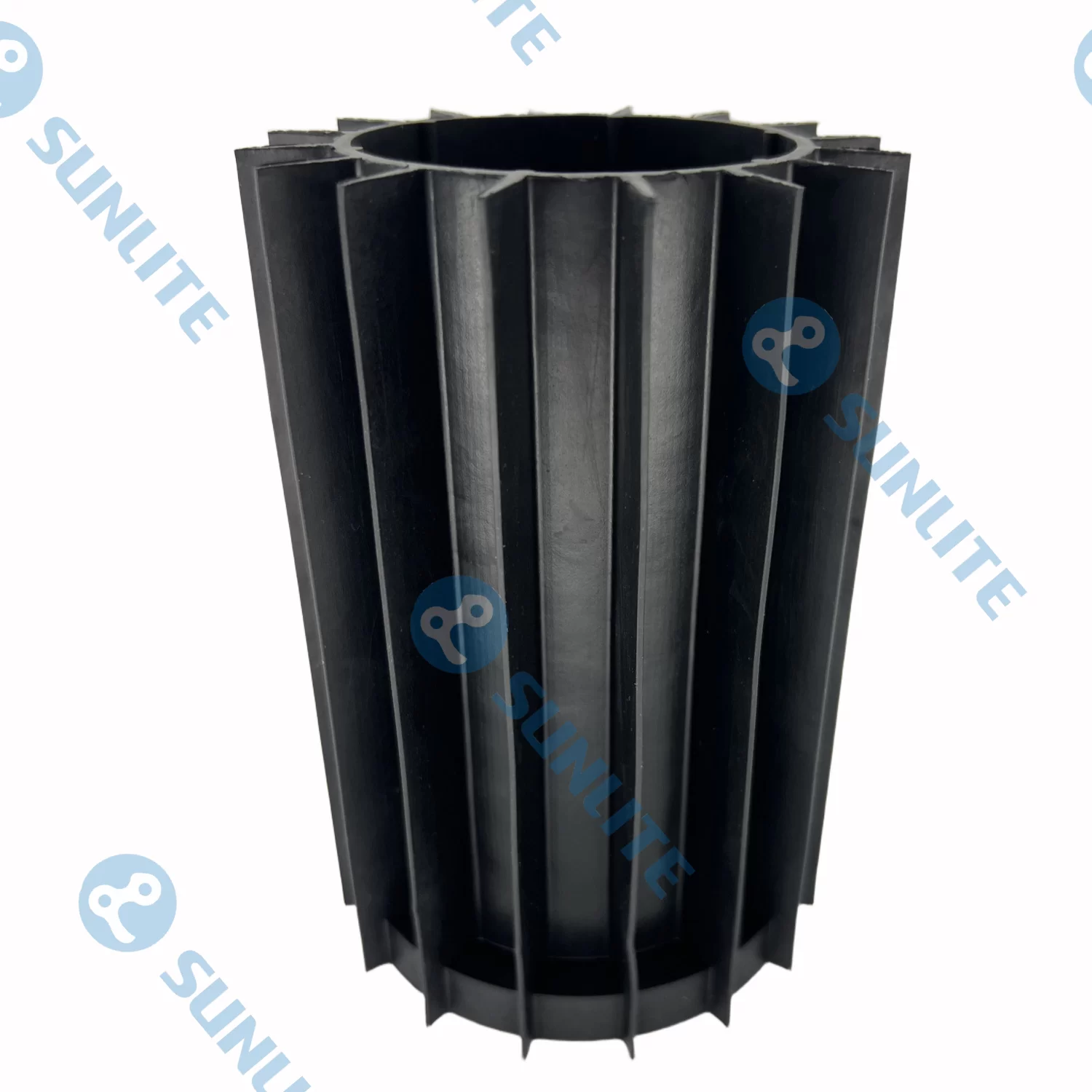
In the last two seasons I’ve watched maintenance teams swap out brittle plastic brushes for an Pool Roller Brush built with NBR rubber. To be honest, it’s a small upgrade that pays off in uptime: fewer clogs, less chatter on tiles, and way better tolerance of chlorinated water. Origin matters too—this unit ships from No. 16, Third Road, Zhangpeng Industrial Park, Machong Town, Dongguan City, Guangdong Province, China, and it’s clearly designed for underwater work: corrosion‑resistant, chlorine and aging resistant, for pools and even hulls.
Why an NBR-based Pool Roller Brush is trending
Three shifts are clear: more robotic cleaners (rollers must grip, not smear), harsher chemicals in off-peak shock cycles, and buyers asking for longer service intervals. NBR—properly compounded—handles chlorinated water and mild oils (think sunscreen residue) surprisingly well; add a stainless or FRP core and you’ve got a robust underwater roller. Many customers say the real win is consistency: less glazing, steadier traction.
Technical snapshot
| Material | NBR rubber compound (≈33–38% ACN), UV/anti-chlorine stabilizers |
| Durometer | ≈60 ±5 Shore A (ISO 48-4) |
| Abrasion loss | ≤150 mm³ (ISO 4649, method A), real‑world use may vary |
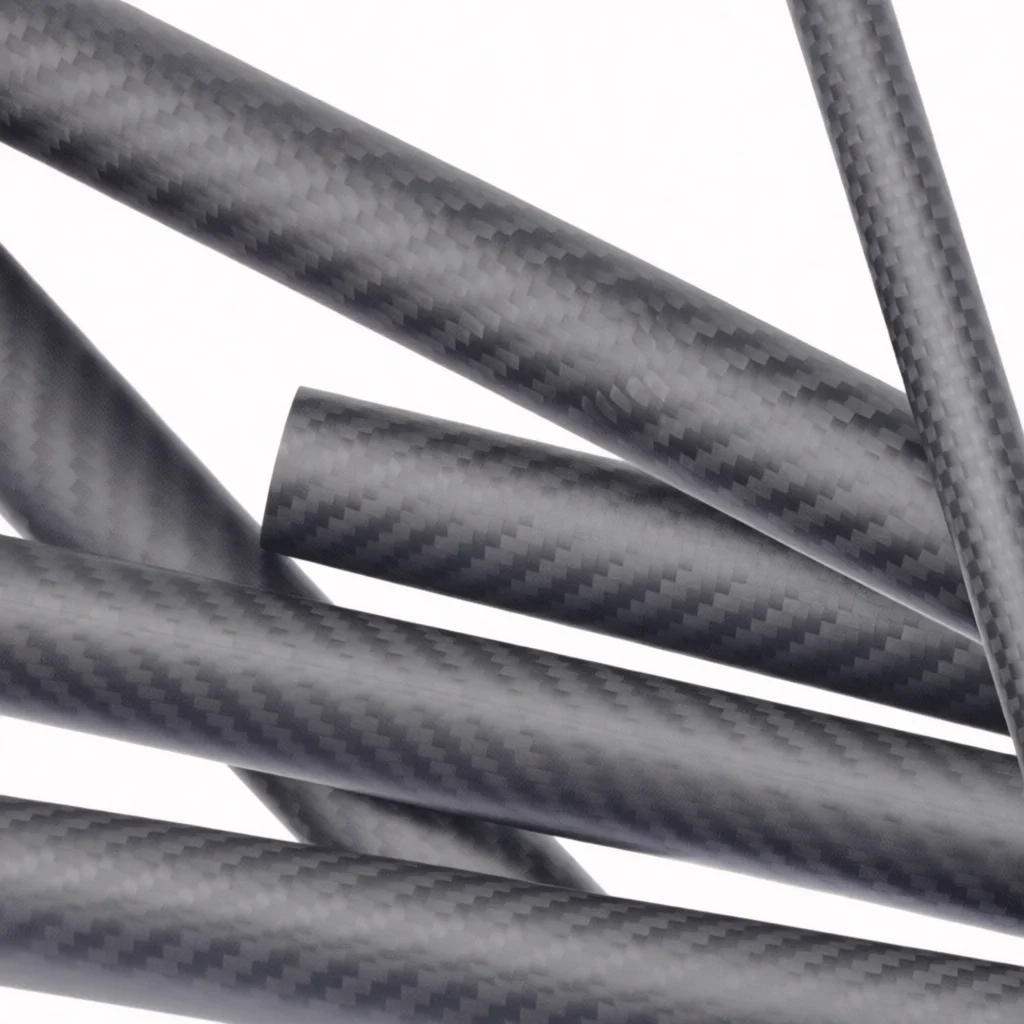
| Core options | 316L stainless / anodized Al / FRP composite; anti‑corrosion |
| Dimensions | Ø60–180 mm; length 200–900 mm; bore/keyway customized |
| Service life | ≈12–36 months at 1–3 ppm free chlorine; 8–12 months in shock regimes |
| Compliance | RoHS, REACH; salt spray on metal parts per ASTM B117 |
Process flow (how it’s built)
- Materials: medium‑ACN NBR with anti‑oxidants, anti‑chlorine package; 316L/FRP core; Chemlok‑type bonding system.
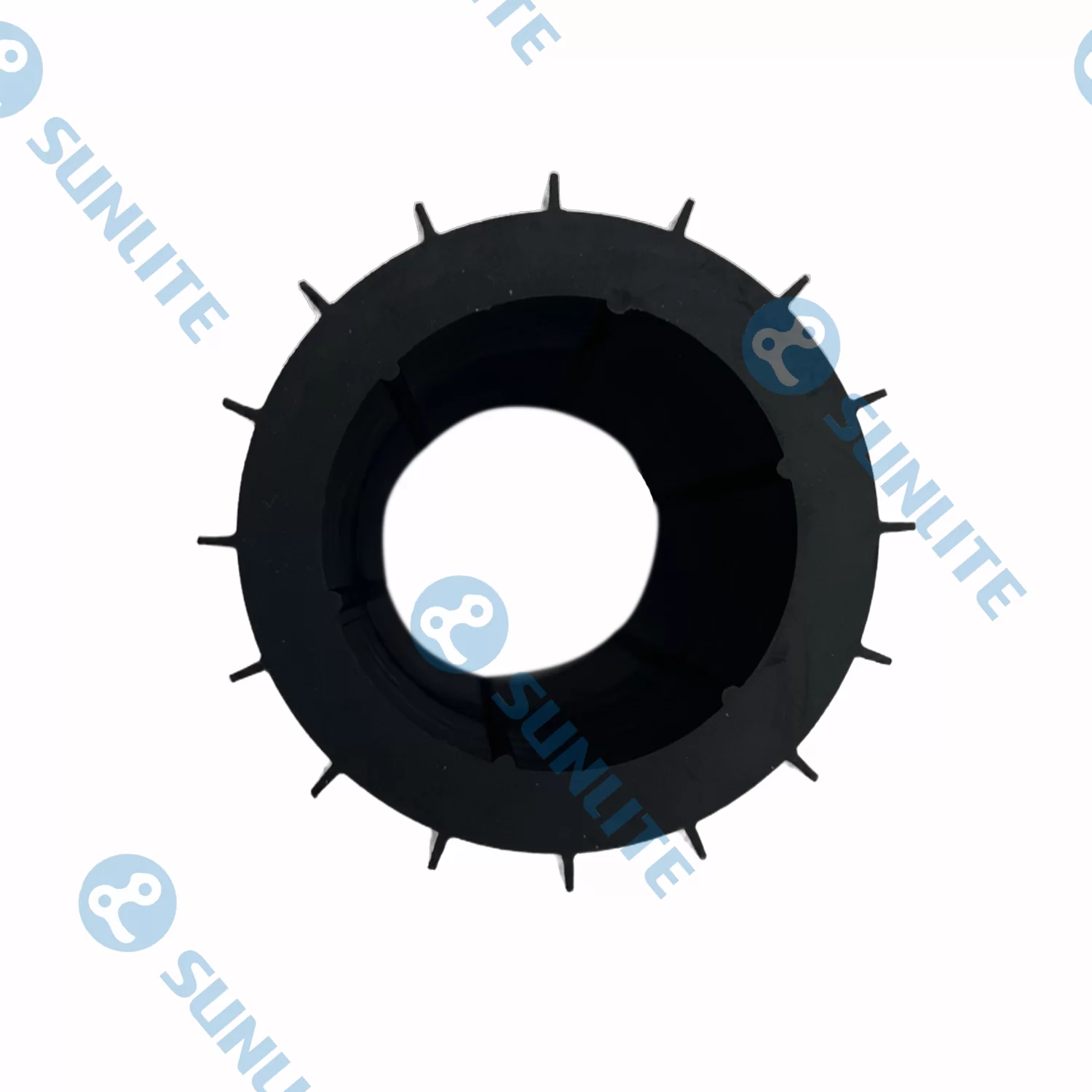
- Forming: extrusion or compression molding of the rubber sleeve/fins; controlled profile for grip on tile/liner.
- Vulcanization: 160–175°C cure; post‑cure where needed for media resistance.
- Finishing: precision grinding to TIR ≤0.2 mm; dynamic balance to ISO 1940‑1 G6.3.
- Testing: hardness (ISO 48‑4), abrasion (ISO 4649), water/chlorine soak (ASTM D471 proxy), salt spray on metal (ASTM B117), visual and bond pull.
Where it works
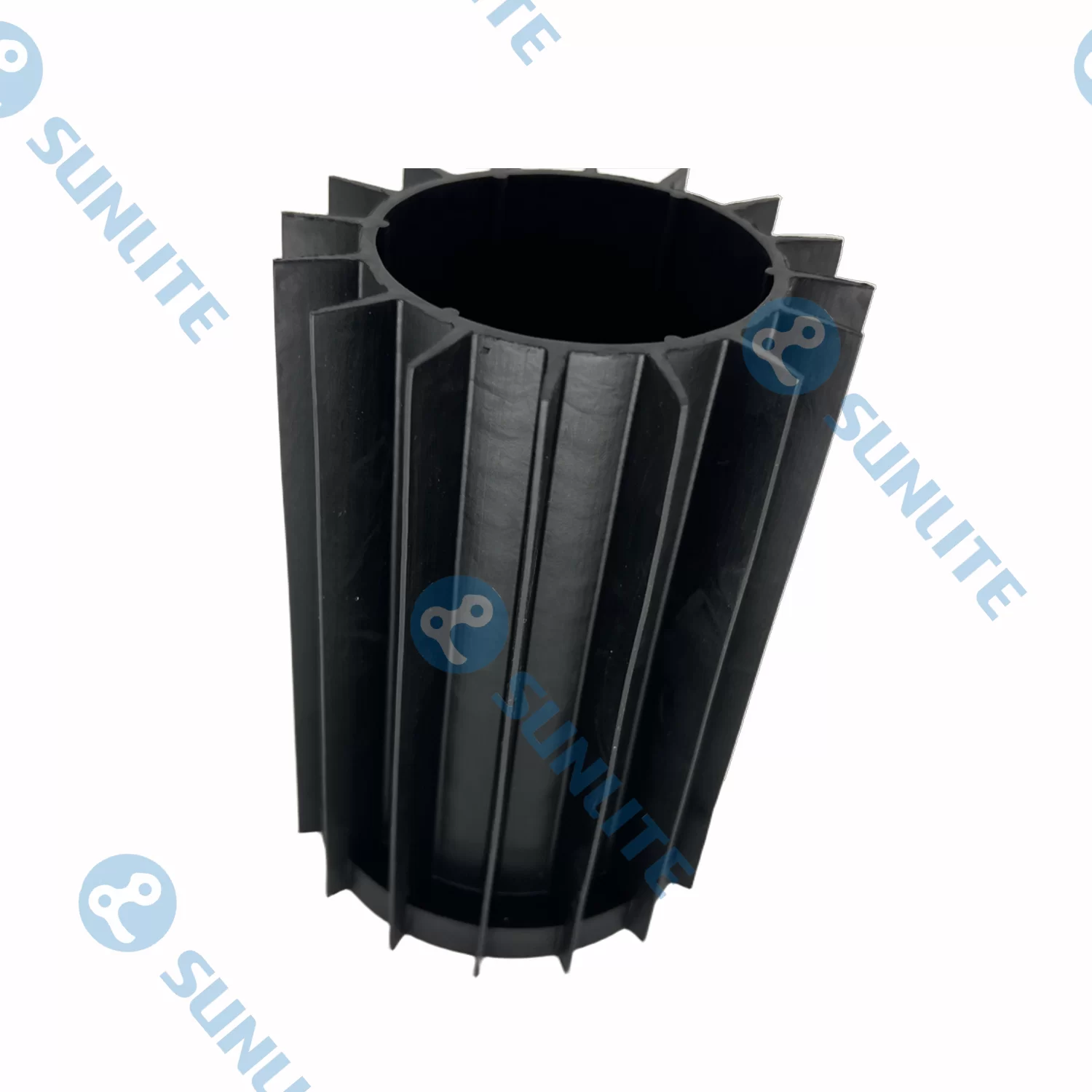
Commercial pools, hotel resorts, water parks, fountains, aquaculture tanks, and small craft hull cleaning. It pairs nicely with robotic cleaners or manual reel systems; on fiberglass liners, the Pool Roller Brush feels “grippy but gentle,” as one facility tech told me.
Vendor comparison (condensed)
| Vendor | Core/Material | Balance & Tests | Lead Time |
|---|---|---|---|
| SunliteTek (origin: Dongguan, CN) | NBR + 316L/FRP | ISO 4649, ISO 48‑4, ASTM B117; G6.3 | ≈2–4 weeks |
| Generic Importer A | Unknown NBR, painted steel | Basic QC; no balance report | Stock/spotty |
| Boutique EU Brand | EPDM/NBR blend, SS core | Full lab dossier | 5–7 weeks |
| Local Fabricator | NBR sleeve retrofit | Variable, shop‑level | 1–2 weeks |
Customization tips
- Soft tile or liners: 55–60A durometer; rough concrete: 65A.
- High‑chlorine shock routines: specify 316L core and thicker cover.
- Robots: ask for crowned profile and tighter TIR for tracking.
Mini case study
A municipal aquatic center running at 1.5–2.0 ppm free chlorine replaced three sets of generic rollers with this Pool Roller Brush. After six months, abrasion loss measured ≈110 mm³ (ISO 4649), downtime dropped by 28% (their number, not mine), and the stainless cores showed no red rust after 240 h ASTM B117 salt spray. Not a miracle, just solid engineering.
Usage & care (quick)
- Rinse in fresh water weekly; avoid solvent cleaners.
- Keep free chlorine near 1–3 ppm and pH 7.2–7.8 for longevity.
- Store shaded; UV accelerates aging, even with stabilizers.
References
- ISO 4649:2017 Rubber, Determination of abrasion resistance.
- ISO 48‑4:2018 Rubber, Determination of hardness — Part 4: Indentation hardness by durometer.
- ASTM D471 Standard Test Method for Rubber Property—Effect of Liquids.
- ASTM B117 Standard Practice for Operating Salt Spray (Fog) Apparatus.
- CDC: Recommended free chlorine levels for pools (1–3 ppm), public guidance.
- ISO 1940‑1:2003 Mechanical vibration — Balance quality requirements for rotors.

Pool Roller Brush: field notes, specs, and what actuall […]