Select Language
 Shock-absorbing pads is a key solution in the manufacturing industry, specifically within Rubber and plastic products industry and Railway specific vibration reduction materials. This article explores how Guangdong Sunlite Technology Co., Ltd. supports professionals with durable, high-performance products, and explains why this product is an ideal choice for businesses in these sectors.

Table of Contents
- Shock-absorbing pads Overview
- Benefits & Use Cases of Shock-absorbing pads in Railway specific vibration reduction materials
- Cost, Maintenance & User Experience
- Sustainability & Market Trends in manufacturing
- Conclusion on Shock-absorbing pads from Guangdong Sunlite Technology Co., Ltd.
Shock-absorbing pads Overview
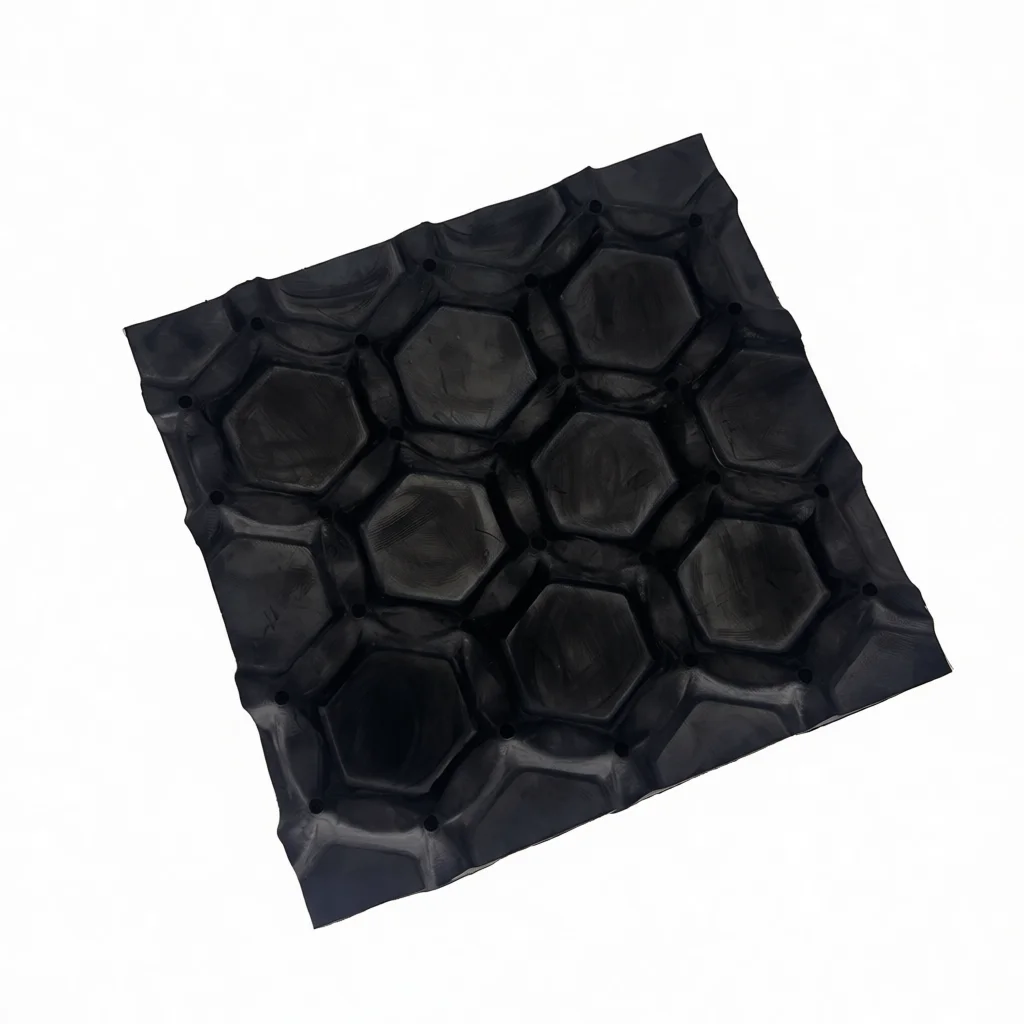
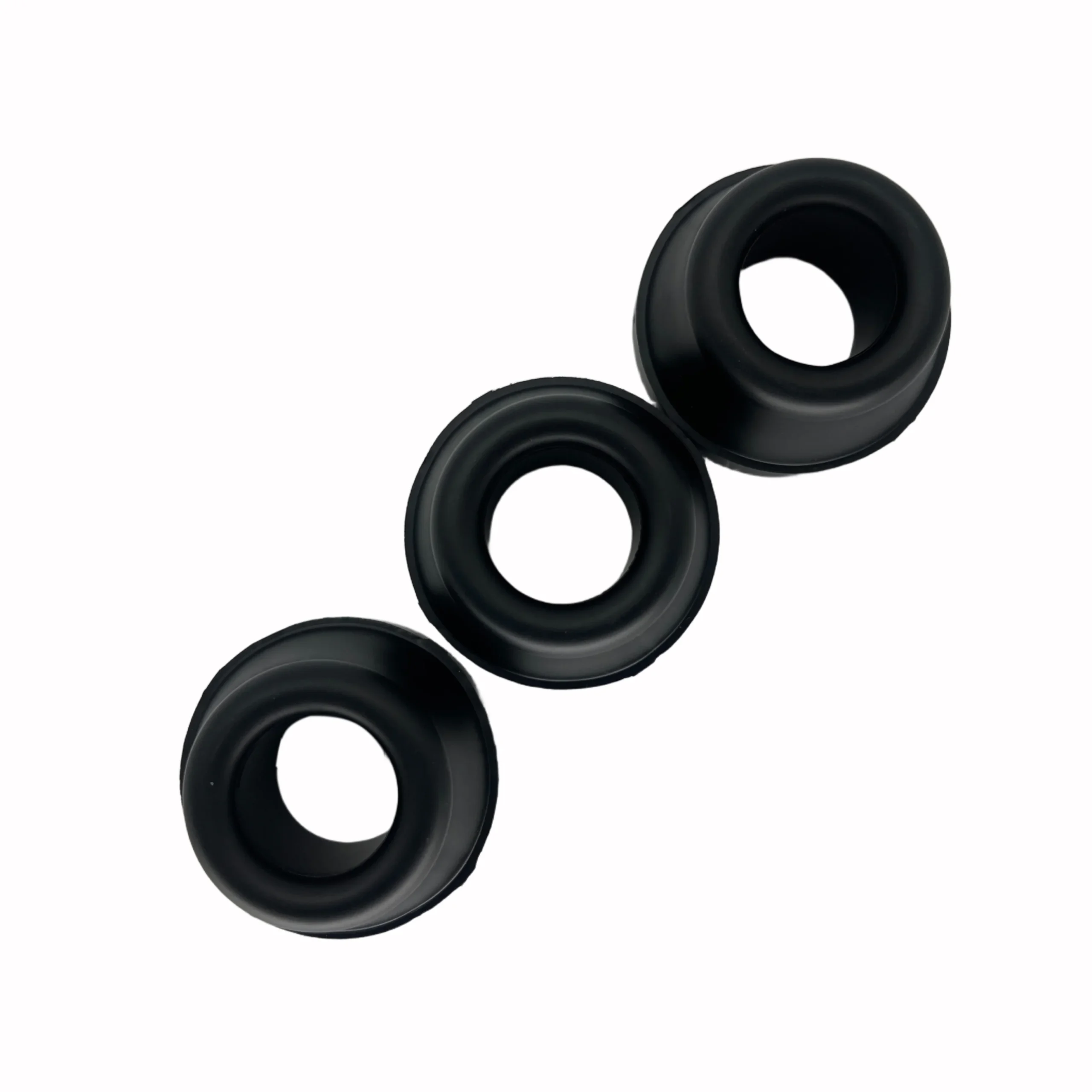
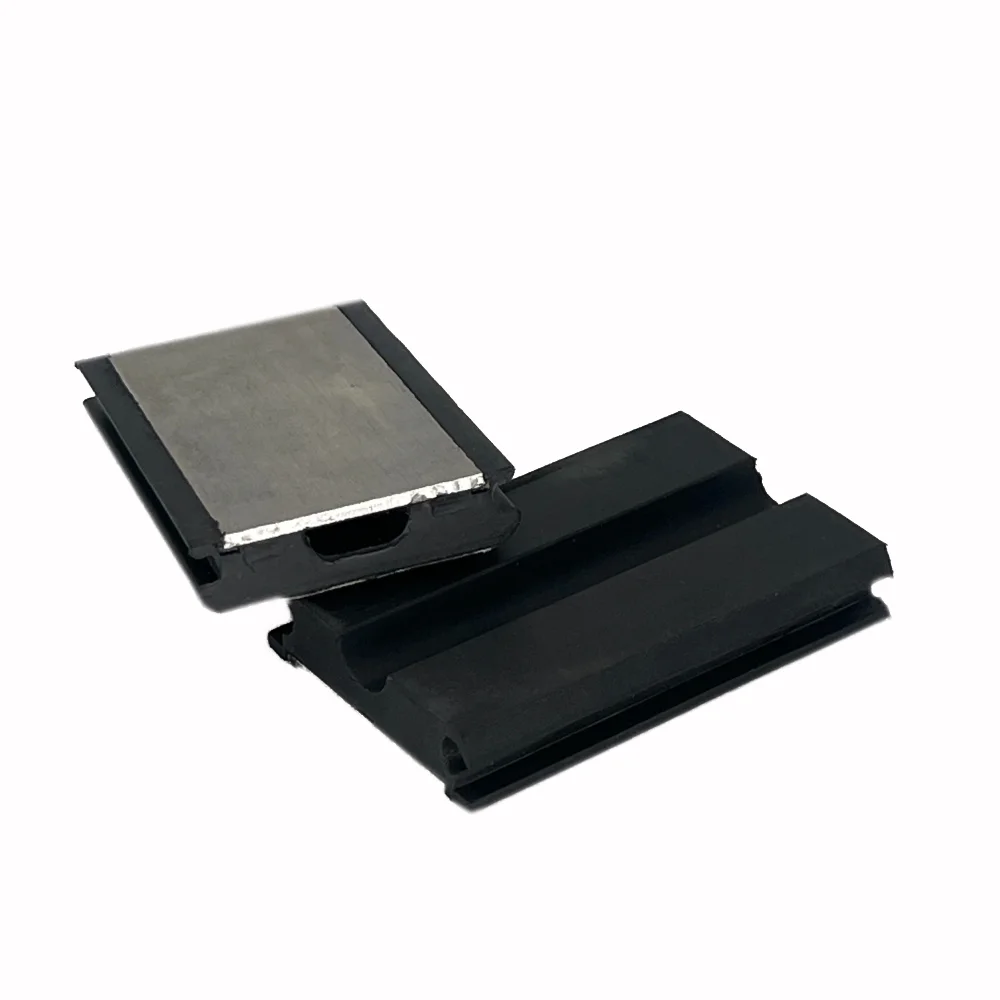
In rail infrastructure, shock-absorbing pads—also known as track bed vibration damping pads or roadbed damping pads—are elastomeric layers engineered to decouple the track structure from the subgrade. By tuning dynamic stiffness and damping, these pads mitigate vibration transmission, protect ballast, and stabilize track geometry. Typical constructions use NR (natural rubber) or NR/SBR blends for high resilience, with options in thickness, hardness, and surface profiling to match axle loads and site constraints. Common selection parameters include Shore A hardness (approx. 45–75), compression behavior under static and cyclic load, and performance across temperature and moisture ranges. When specified correctly, these pads contribute to smoother ride quality and reduced structure-borne noise in tunnels, viaducts, and urban corridors.
- Relevance: a core material category in the rubber and plastic products industry that directly supports railway-specific vibration reduction objectives.
- Technical options: NR shock-absorbing pads for high elasticity, grooved designs for drainage, and custom stiffness targets for ballasted and slab track.
- Manufacturing capability: Guangdong Sunlite Technology Co., Ltd. provides tailored compounding and precise molding to meet diverse project specifications.
Benefits & Use Cases of Shock-absorbing pads in Railway specific vibration reduction materials
From metros and commuter rail to heavy-haul and high-speed lines, shock-absorbing pads are deployed under ballast (ballast mats), under sleepers, and in interface zones such as bridge approaches, turnouts, and tunnel sections. As a track bed vibration damping pad, the product reduces dynamic stress peaks, enhances ballast resilience, and limits vibration propagation into surrounding structures—key in dense urban environments and near vibration-sensitive facilities. For slab track, tuned elastomeric layers manage system stiffness and improve long-term stability.
- Applications: urban transit tunnels, depot aprons, stations, viaducts, and sections over variable subgrade conditions.
- Features and advantages: consistent dynamic stiffness, excellent fatigue resistance, water-drainage surfaces, and compatibility with standard installation methods. NR shock-absorbing pads maintain elasticity over wide temperature ranges.
- Expertise: Guangdong Sunlite Technology Co., Ltd. supports engineering teams with design input, prototype sampling, and customized geometries to match axle load, speed, and vibration objectives.
Cost, Maintenance & User Experience
Total cost of ownership for shock-absorbing pads is driven by service life, stability of mechanical properties, and the downstream savings in track upkeep. By moderating impact loads and vibration, these pads can reduce ballast breakage, limit fouling, and extend intervals between tamping and surfacing. The result is a more predictable maintenance plan and improved lifecycle economics for both ballasted and slab track systems. For operators, smoother ride quality and reduced structure-borne noise enhance stakeholder satisfaction, especially in urban corridors.
- Durability and ROI: robust elastomer compounding and fatigue resistance support multi-year performance, helping ROI align with typical maintenance cycles.
- Maintenance: straightforward inspections and cleaning of drainage paths; pads are designed to resist environmental aging and maintain stiffness targets over time.
- User feedback: rail projects adopting a track bed vibration damping pad approach report steadier track geometry and fewer vibration-related complaints.
Sustainability & Market Trends in manufacturing
Rail networks are expanding in tandem with stricter urban vibration and noise requirements. This is accelerating demand for engineered elastomers that offer high performance with lower environmental impact. In the rubber and plastic products industry, responsible material selection, efficient manufacturing, and long service life contribute meaningfully to project sustainability. Recycled fillers, optimized formulations, and designs that extend maintenance intervals all help lower lifecycle impacts.
- Regulatory and growth drivers: urban densification, community noise expectations, and asset management standards are shaping specification practices for shock-absorbing pads.
- Guangdong Sunlite Technology Co., Ltd.: a forward-looking supplier focused on reliable performance, material efficiency, and support for data-driven evaluations that help customers meet sustainability targets without compromising safety or durability.
Conclusion on Shock-absorbing pads from Guangdong Sunlite Technology Co., Ltd.
Shock-absorbing pads—whether specified as NR shock-absorbing pads or a track bed vibration damping pad—are a proven approach to controlling vibration, protecting ballast, and stabilizing rail systems. With application-focused engineering and dependable manufacturing, Guangdong Sunlite Technology Co., Ltd. helps B2B decision makers achieve performance goals and lifecycle value in demanding rail environments.
- Enhance reliability and reduce vibration across manufacturing / rubber and plastics / railway-specific applications.
- Partner with a trusted supplier committed to quality, customization, and on-time delivery.
- Contact us: email: overseas@sunlitetek.com - Visit our website: https://www.sunlitetek.com

Shock-absorbing pads is a key solution in the manufactu […]