Select Language
 What I’m Seeing in Polymer Damping Composite Sheets (Field Notes + Hard Specs)
If you work in NVH, you know the drill: lighter structures, more vibration, stricter acoustic targets. Lately I’ve been revisiting the classic polymer damping composite sheet approach—especially where aluminum-foil–backed butyl rubber can quietly transform a panel from “ringy” to civilized. To be honest, the recent EV wave has only made this category hotter.

Quick take on the product
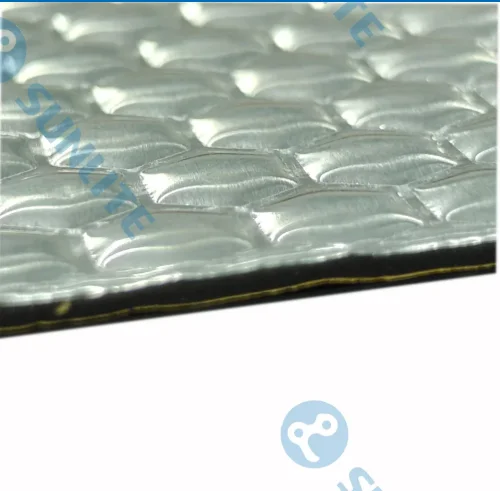
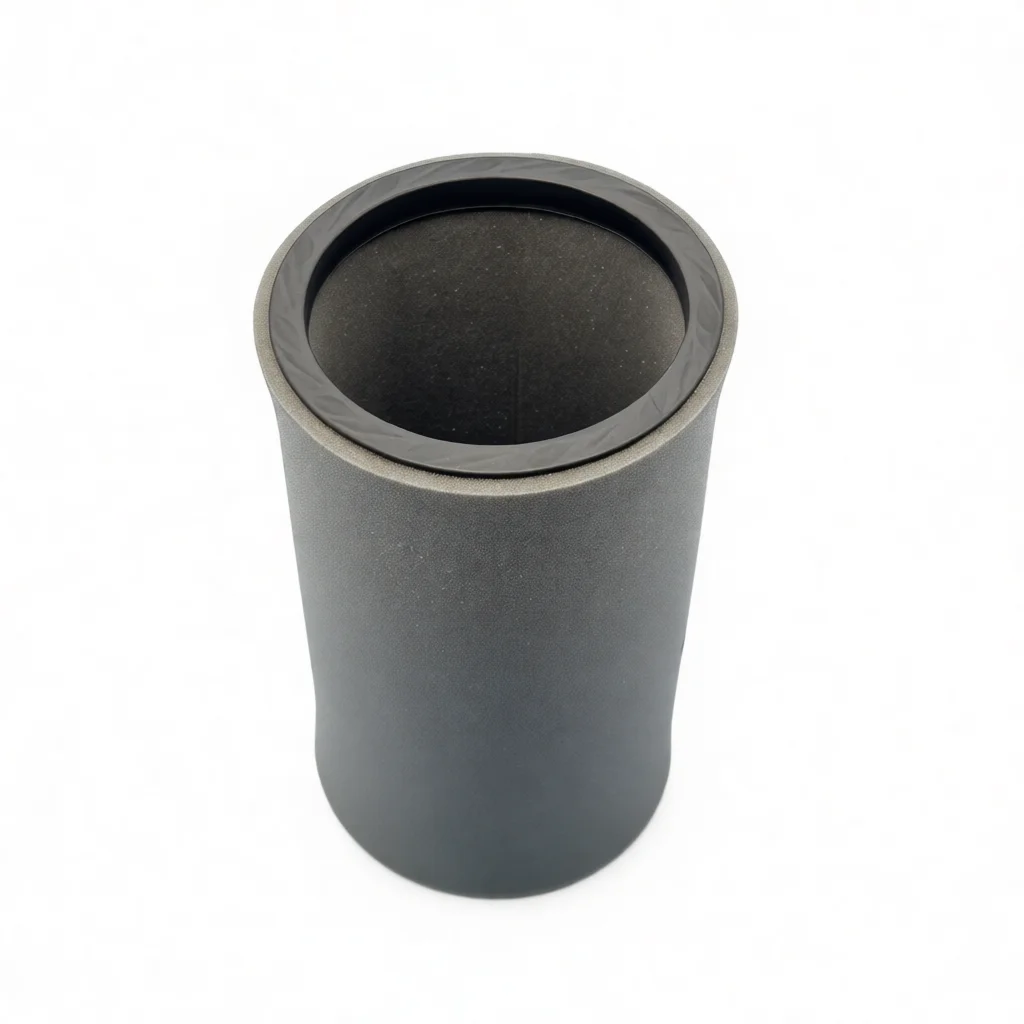
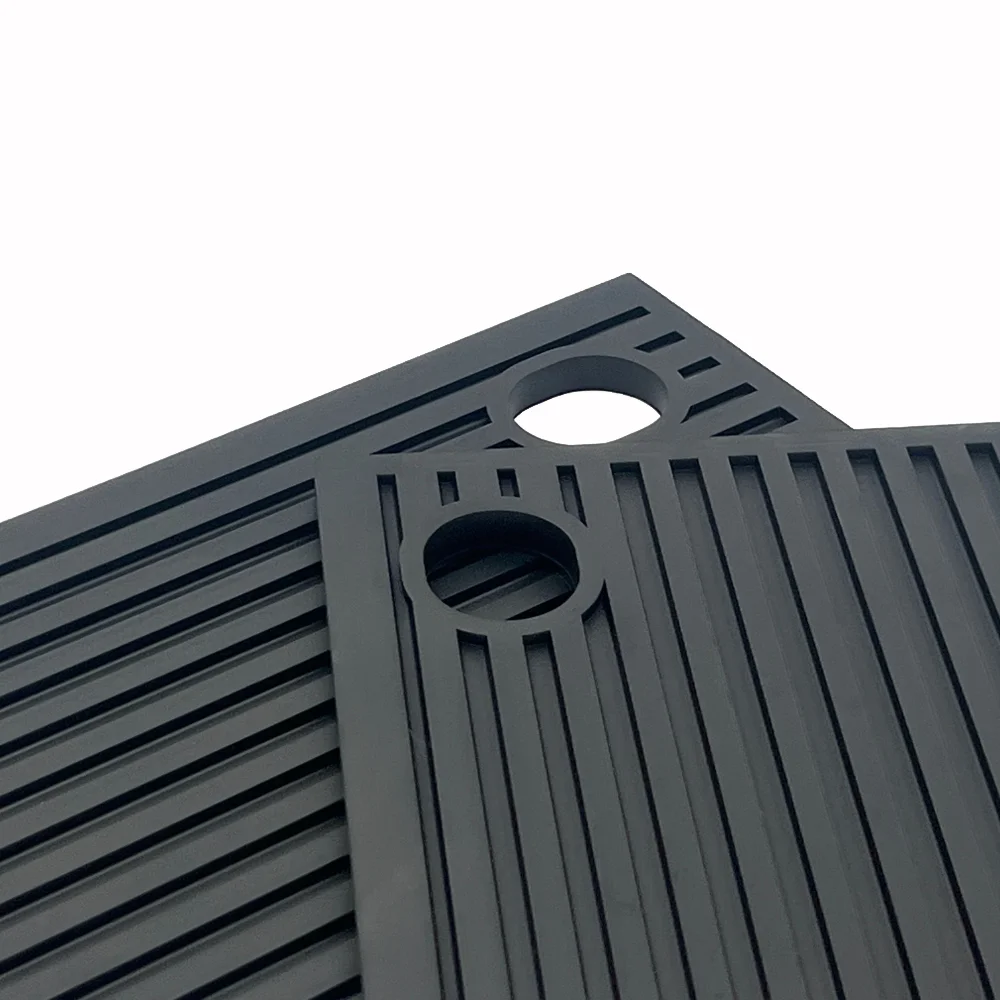
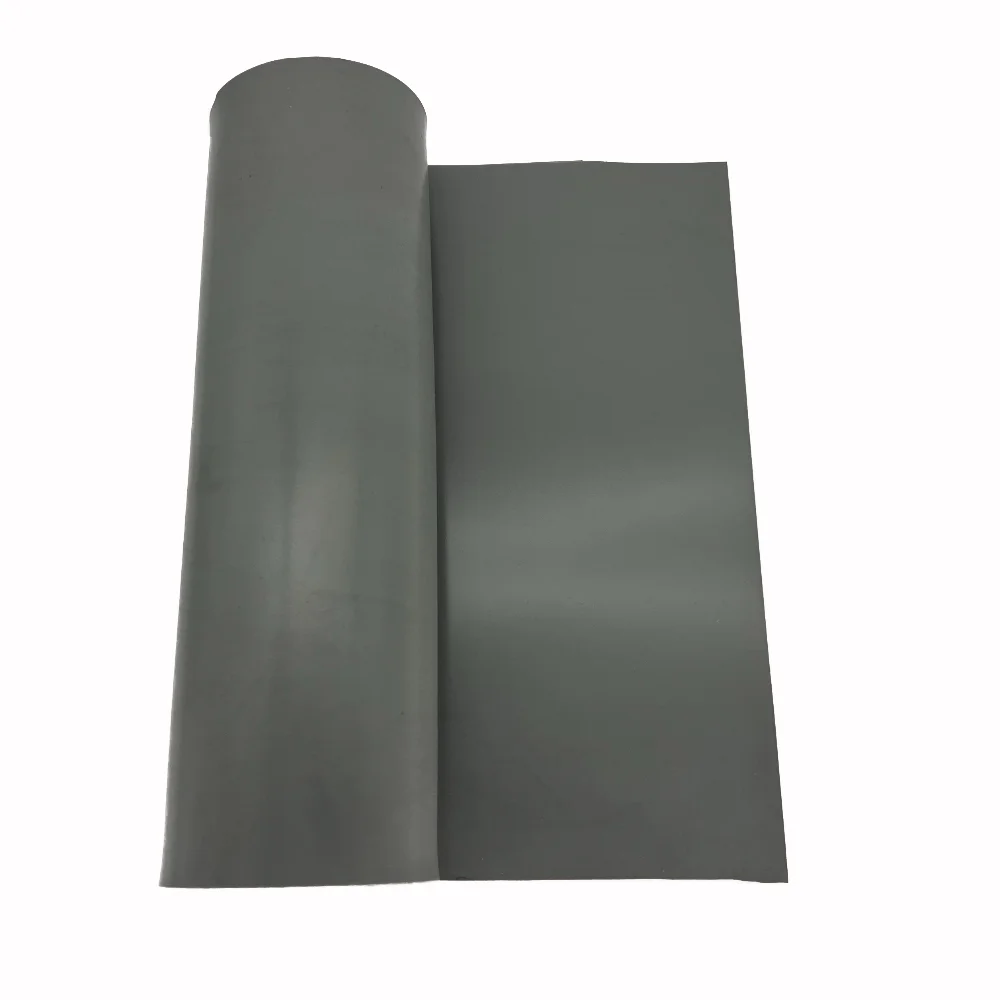
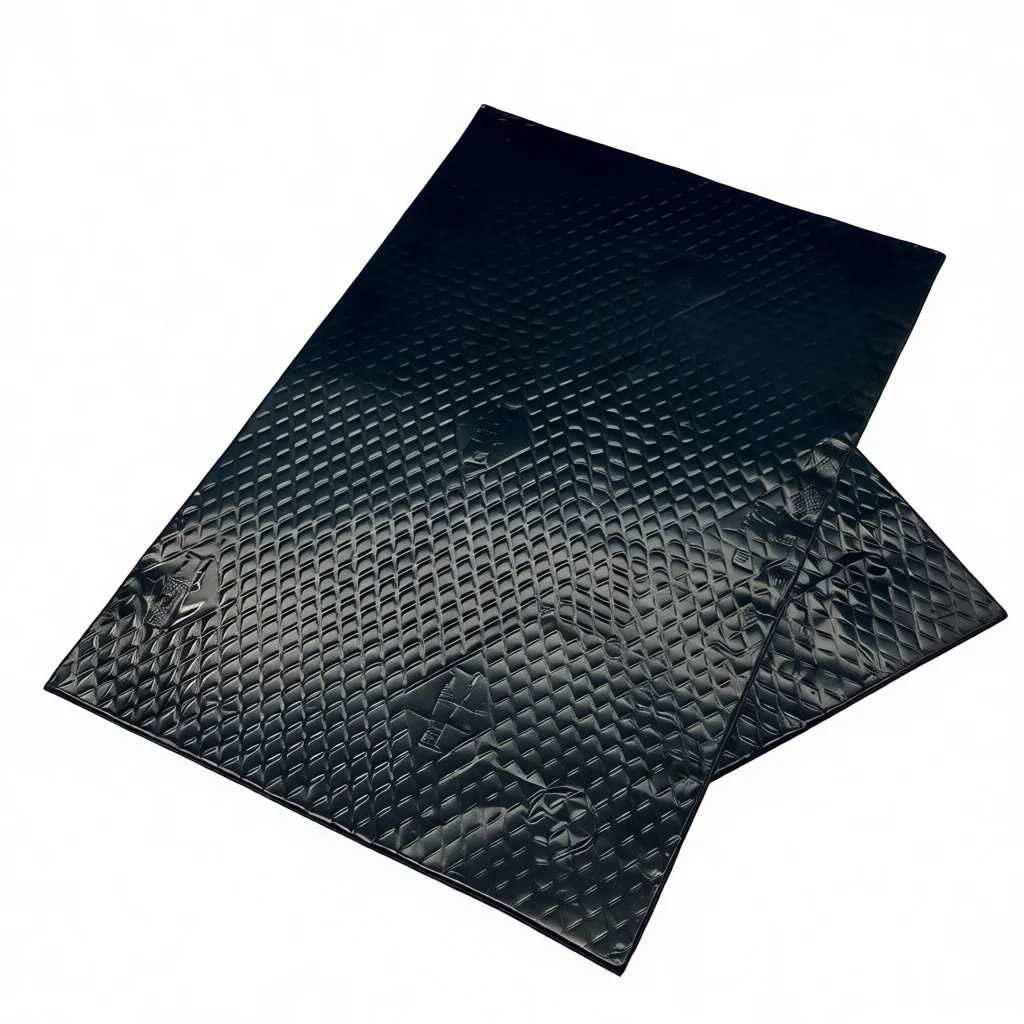
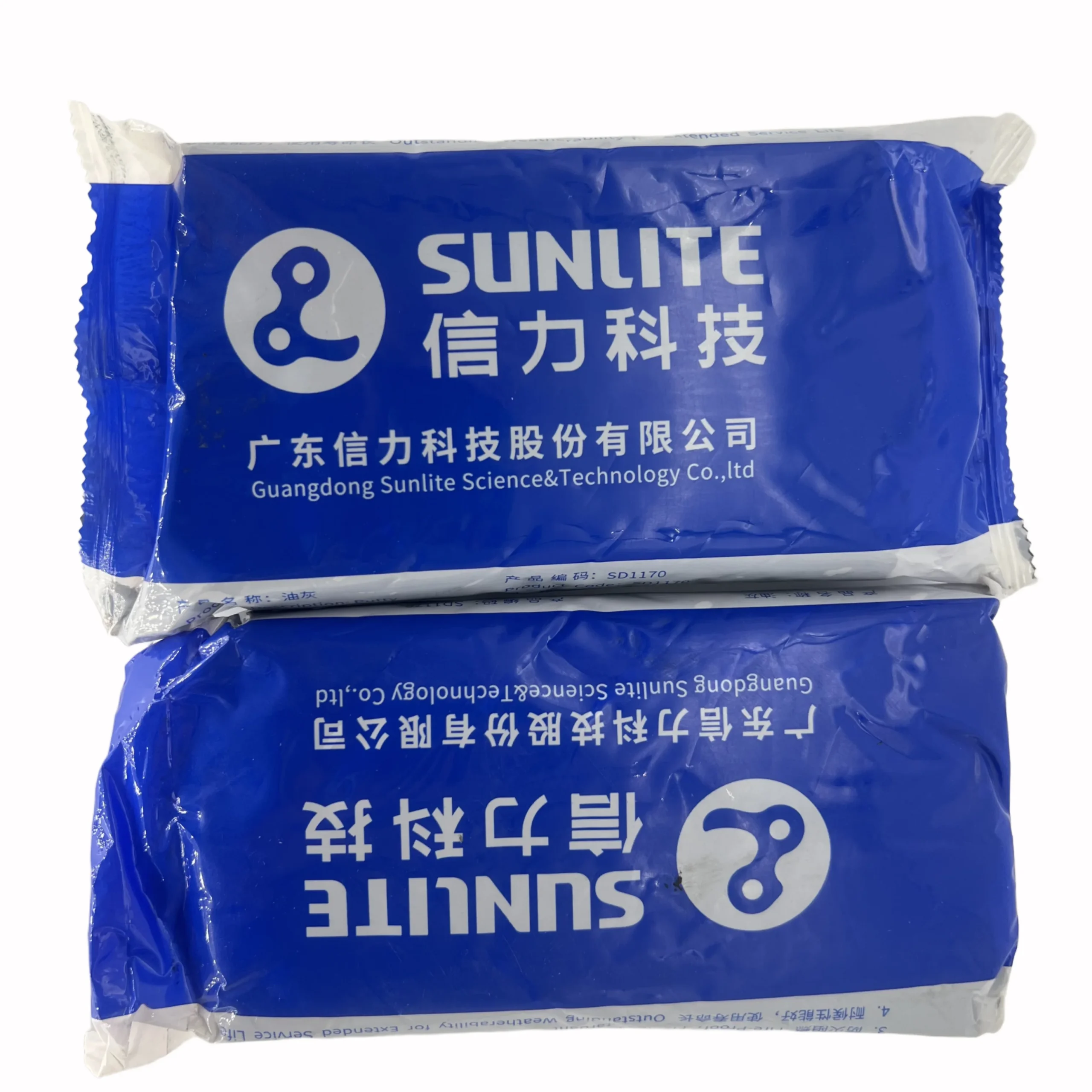
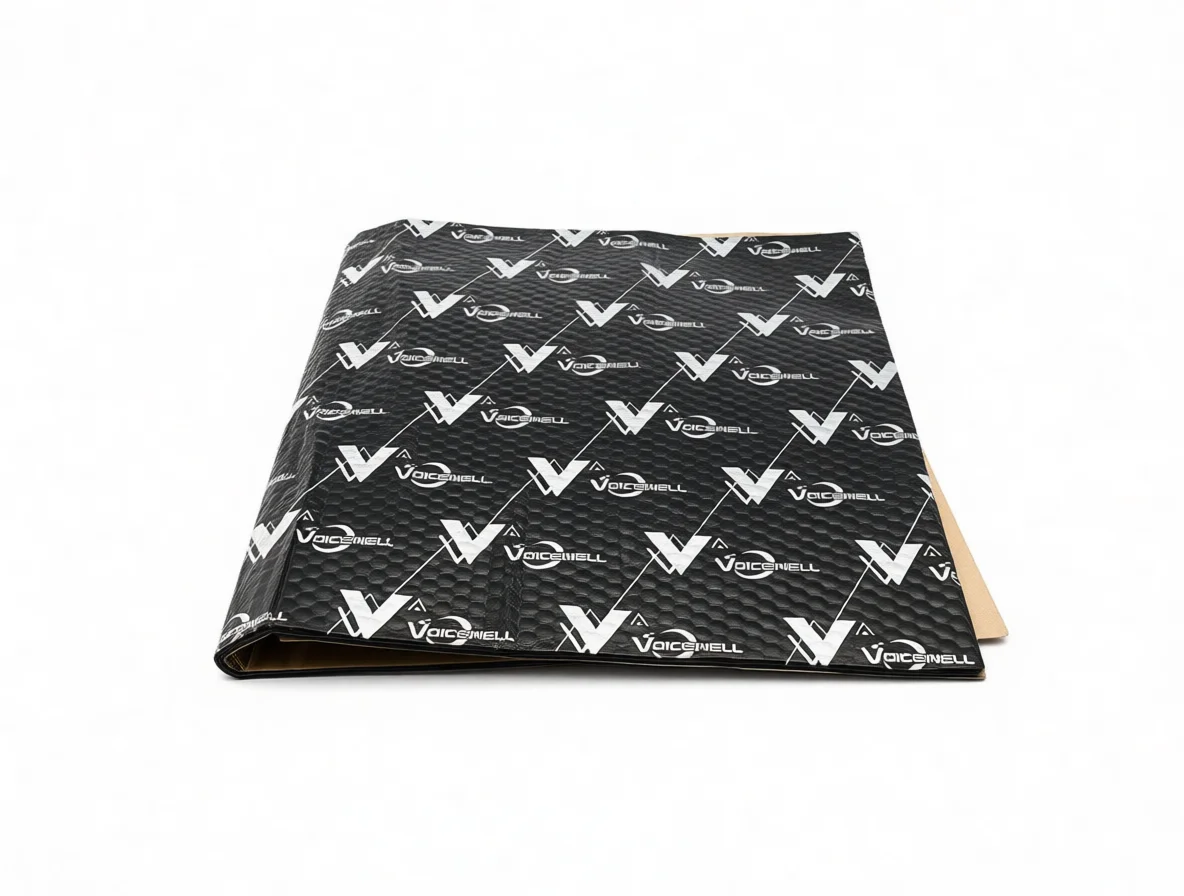
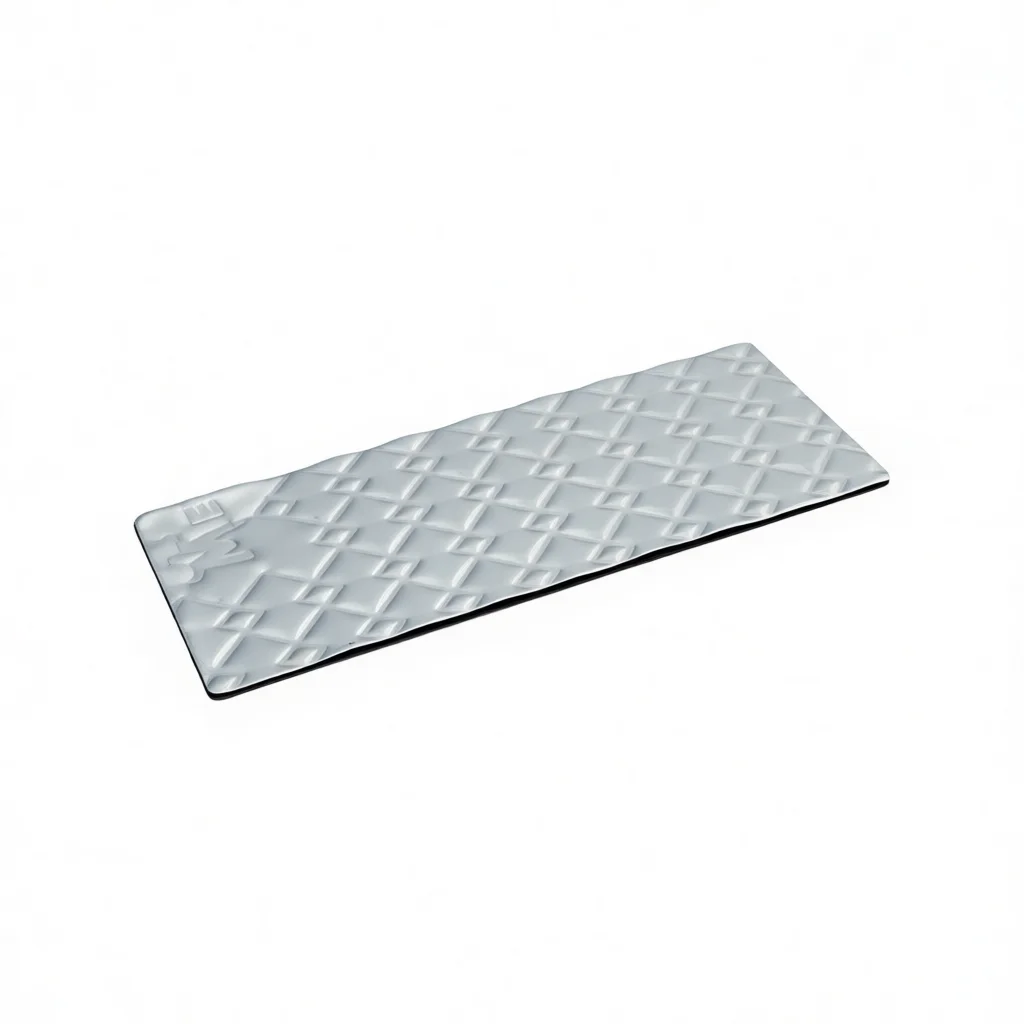
Sunlite’s Vibration Damping Plate is a butyl rubber automotive damping sheet laminated with composite aluminum foil—purpose-built for noise reduction, vibration damping, and moisture resistance. It’s non-shedding, cuttable, and (importantly for line workers) easy to fit. Origin: No. 16, Third Road, Zhangpeng Industrial Park, Machong Town, Dongguan City, Guangdong Province, China. Many customers say the stick-and-stay peel performance is frankly better than bargain mats.

Industry trends
- EV quiet cabins raise the bar; panel-borne buzz stands out more than engine noise now.
- Shift to low-VOC, odor-controlled butyl systems; REACH/RoHS compliance has become baseline.
- Weight-sensitive builds: thinner foils and tuned loss factors via filler packages.
- Design-for-service: die-cut kits to reduce install time and variability.
Technical specs (typical, ≈ values; real-world use may vary)
| Base polymer | Butyl rubber compound |
| Constraining layer | Composite aluminum foil (≈60–100 μm) |
| Total thickness | ≈1.5–3.0 mm (custom up to 5 mm) |
| Area density | ≈2.2–4.8 kg/m² |
| Loss factor (ASTM E756, 200 Hz, 20°C) | ≈0.20–0.35, tuned by grade |
| Operating temp | -30°C to +90°C (short peaks ≈110°C) |
| Peel to steel (ASTM D3330) | ≈12–18 N/25 mm |
| Flammability | Can be formulated to meet FMVSS 302 |
| Compliance | RoHS, REACH; ISO 9001 factory |
Process flow (how it’s made, in brief)
Compounded butyl + fillers → calender/extrude sheet → laminate composite Al foil (constraining layer) → apply PSA characteristics → add release liner → die-cut/kitting → QA: DMA (ISO 6721) and Oberst (ASTM E756), peel (ASTM D3330), moisture exposure (ASTM D2247), odor/VOC screening (OEM specs). Service life: typically 8–12 years in automotive interiors, assuming clean substrate prep and proper install.

Where it’s used
- Automotive: door outers/inners, roof, wheel wells, trunk floors, battery trays.
- HVAC: duct skins, compressor bases; Appliances: washer side panels, dishwasher skins.
- Rail and marine interior panels; robotics and machinery enclosures.
Case snapshots
EV hatch panel: swapping a standard mat with a tuned polymer damping composite sheet cut cabin broadband noise by ≈3.2 dB(A) at 80 km/h (ISO 5128/10140 methods for panel data used in correlation). Weight neutral versus prior bill of materials.
Appliance OEM: on a 1200 rpm spin, accelerometer RMS dropped ≈25% on the cabinet wall with a 2.0 mm butyl/foil grade; installation time reduced by 18% using die-cut kits.

Vendor comparison (indicative)
| Vendor | Core | MOQ | Lead time | Certs | Notes |
|---|---|---|---|---|---|
| Sunlite (Dongguan) | Butyl + composite Al foil | ≈500 m² | 2–3 weeks | ISO 9001, RoHS, REACH | Strong die-cutting, consistent peel |
| Generic Brand A | Butyl + Al foil | ≈1,000 m² | 4–6 weeks | RoHS | Good price; limited VOC data |
| Regional Supplier B | Asphaltic + foil | ≈300 m² | 1–2 weeks | — | Heavier; odor concerns in hot soak |
Customization tips
- Tune loss factor via filler ratios for your target frequency band (door 150–400 Hz vs. floor 80–200 Hz).
- Choose foil thickness for balance of constraint vs. formability.
- Specify die-cut kits with pull tabs; add QR on liner to map panel positions.
- For exterior skins or wet zones, request enhanced moisture barrier and corrosion-tested foil (e.g., ASTM D2247 exposure).
In short, a well-chosen polymer damping composite sheet remains one of the lowest-risk, highest-ROI NVH moves. It seems simple—until it isn’t. The difference is in the compound, foil, and QC discipline.
Authoritative citations
- ASTM E756: Standard Test Method for Measuring Vibration-Damping Properties of Materials.
- ISO 6721: Plastics—Determination of dynamic mechanical properties (DMA).
- SAE J1637: Sound Damping Test for Materials (Oberst method variant).
- ASTM D3330: Peel Adhesion of Pressure-Sensitive Tape.
- ASTM D2247: Standard Practice for Testing Water Resistance of Coatings (Condensation).
- FMVSS 302: Flammability of Interior Materials.
- ISO 10140: Laboratory measurement of sound insulation of building elements (panel reference methods).

What I’m Seeing in Polymer Damping Composite Shee […]