Select Language
 Why engineers keep asking for the EPDM elastic rubber pad
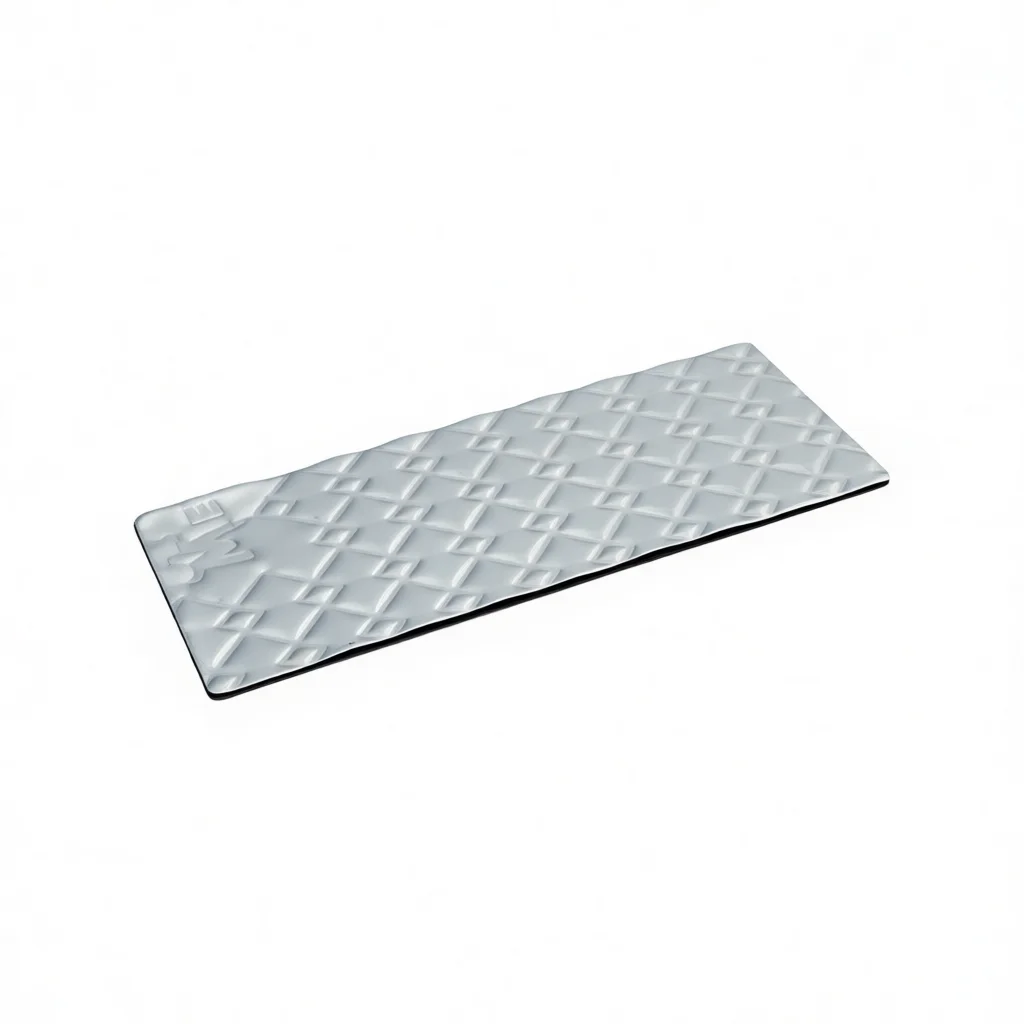
If you work around compressors, presses, or HVAC decks, you already know the story: vibration creeps in, structures complain, QA flags it. Lately, I’ve been seeing a quiet shift toward high-durability elastomers—especially EPDM elastic rubber pad solutions—because they hold up under heat, ozone, and rain without turning brittle. Frankly, that weathering resistance is what keeps maintenance managers calm.

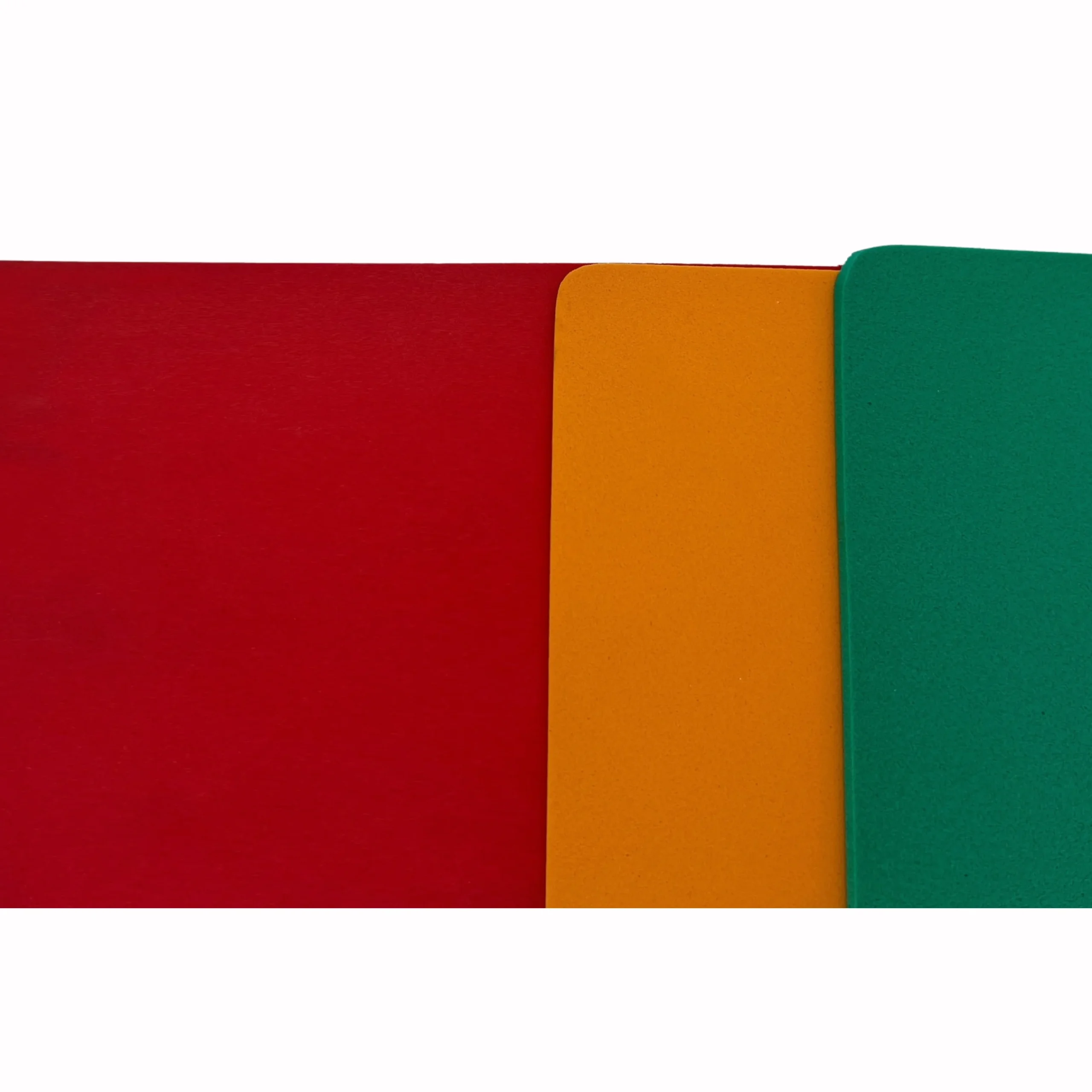
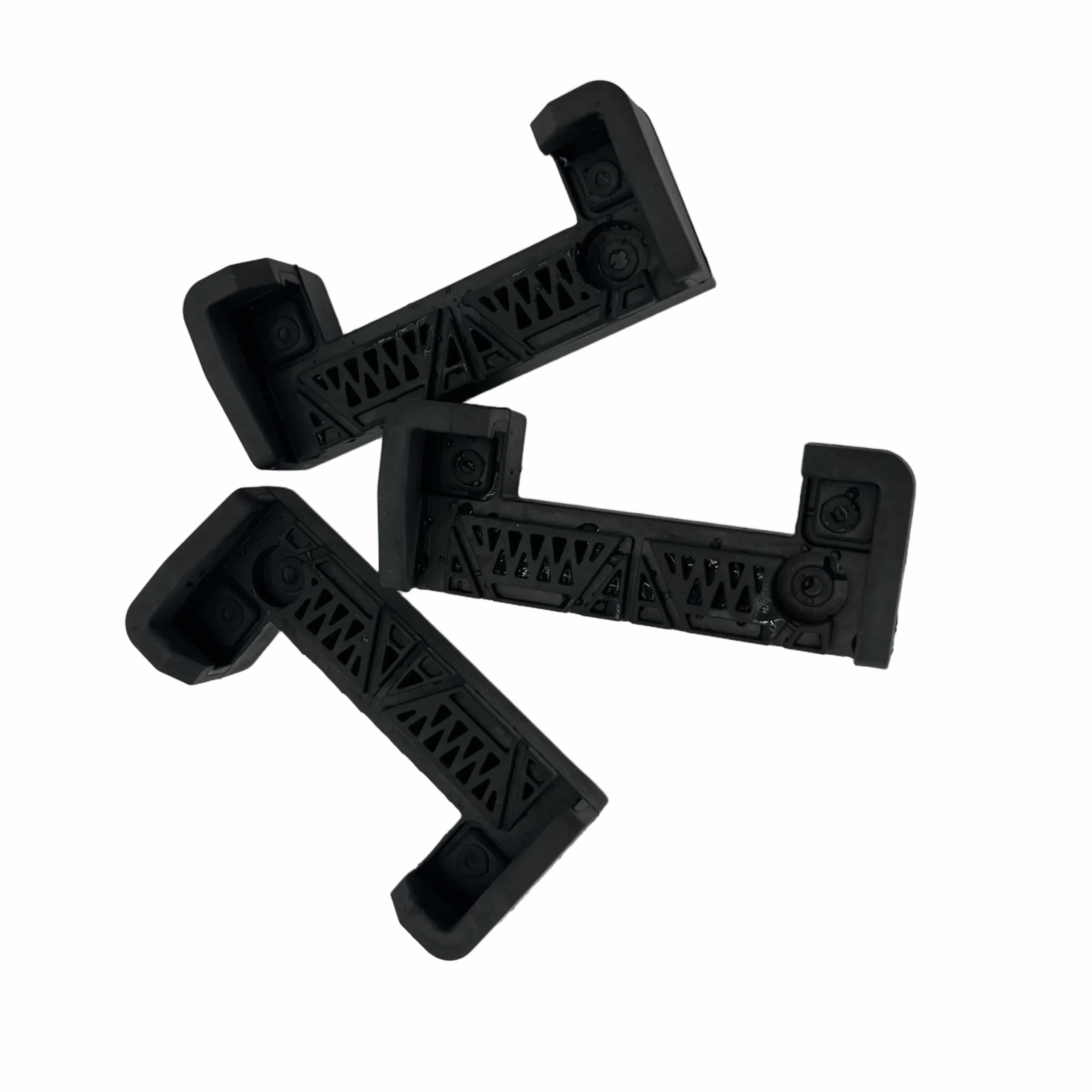
At Sunlitek (origin: No. 16, Third Road, Zhangpeng Industrial Park, Machong Town, Dongguan City, Guangdong Province, China), the “Flexible Rubber Pad” line covers EPDM, natural rubber (NR), and neoprene (CR). The headline spec is hard to ignore: dynamic–static stiffness ratio < 1.5, verified fatigue life to 3,000,000 cycles, and design intent for heavy-load vibration damping. Honestly, those numbers are the difference between “works on day one” and “still works year five.”
Where it’s being used (right now)
- Industrial bases: forging presses, CNC gantries, gearboxes, blowers.
- Building services: rooftop chillers, pumps, AHUs, gensets, cooling towers.
- Transport and energy: rail platform equipment, wind turbine auxiliaries, substations.

Specification snapshot
| Product | Flexible Rubber Pad (EPDM/NR/CR) |
| Hardness (Shore A) | 45–70 (ASTM D2240) |
| Temperature range | EPDM ≈ −40 to +120 °C (short spikes to 130 °C) |
| Dynamic–static stiffness ratio | < 1.5 (ISO 10846) |
| Fatigue life | ≥ 3,000,000 cycles (lab, sinusoidal, around 10–25 Hz) |
| Tensile strength | ≈ 7–12 MPa (ASTM D412) |
| Compression set | ≈ 15–25% @70 °C/24 h (ASTM D395) |
| Tolerances | ISO 3302-1 M2 (typical) |
Data are typical; real-world use may vary with load, frequency, and temperature.
Process flow (how it’s made)
- Material selection: EPDM compound tuned for ozone/UV, optional NR/CR for low-temp or oil resistance.
- Compounding & mixing: internal mixer, carbon black/silica, curatives; Mooney check.
- Molding: compression or transfer; steel-shim bonding available for high load.
- Vulcanization: controlled cure profile; post-cure for stability (when required).
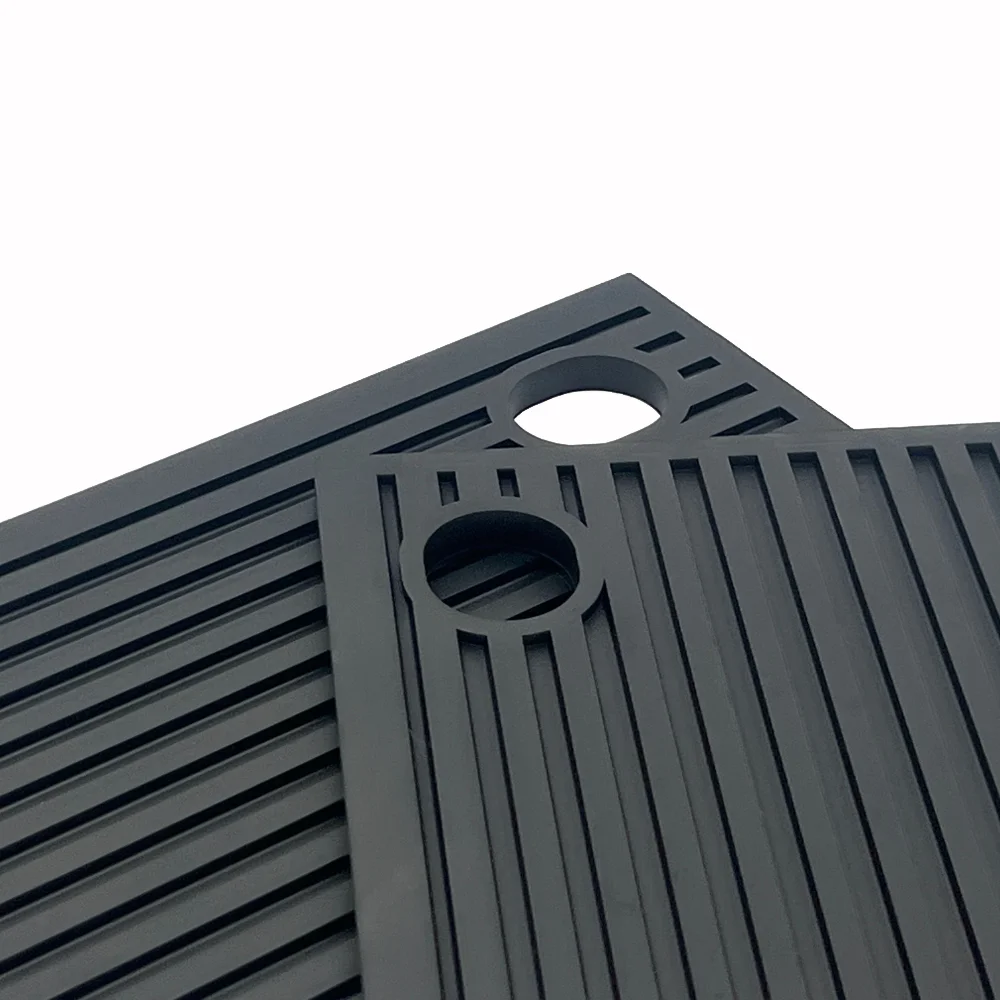
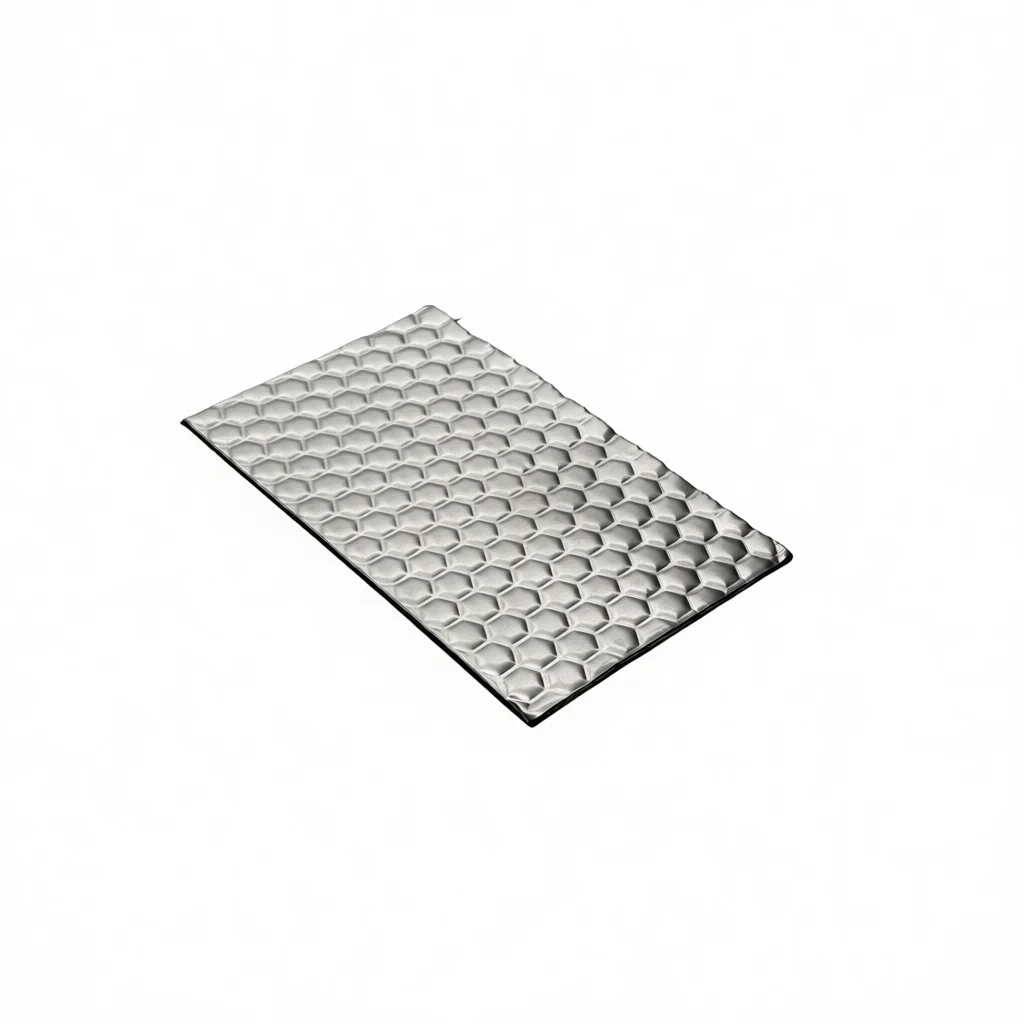
- Finishing: trimming, surface texturing, anti-slip patterns.
- Testing: hardness (ASTM D2240), tensile/elongation (ASTM D412), compression set (ASTM D395), transmissibility (ISO 10846), aging/ozone (ASTM D1149).

Vendor comparison (what buyers usually ask me)
| Vendor | Certs | MOQ | Lead time | Notes |
|---|---|---|---|---|
| Sunlitek (Dongguan) | ISO 9001, IATF 16949, RoHS/REACH | Around 100 pcs | ≈ 2–4 weeks mold; 1–2 weeks run | Custom durometers; verified 3M-cycles fatigue |
| Generic importer | Varies | Low | Stock dependent | Specs often unverified; limited customization |
| Metalworks + pad kit | ISO 9001 | Project-based | 4–8 weeks | Good for skids; pad performance varies by batch |
Field notes and results
Case A: a 25-ton forging press on reinforced concrete saw a 38% rms vibration drop and ≈7 dB noise reduction after switching to EPDM elastic rubber pad stacks (frequency band 20–50 Hz). Maintenance lead told me, “Bolts stopped walking—finally.”
Case B: rooftop chiller line—transmissibility reduced from 0.92 to 0.41 at 25 Hz; neighboring offices reported a “surprisingly quiet” hum. Service life forecast 8–12 years, given EPDM’s ozone/UV resistance.
Customers also like the stability across seasons; EPDM shrugs off summer roofs and winter mornings better than many NR blends.

Customization tips
- Match static deflection to the machine’s dominant frequency; aim for natural frequency ≈ one-third of forcing frequency.
- Use laminated pads with steel shims for high compressive load and shear control.
- Specify hardness by ASTM D2240 tolerance (±3 Shore A) and ISO 3302-1 class.
- Ask for ISO 10846 transmissibility curves at your target load—don’t guess.
Standards and compliance
ASTM D2000 material callouts available; routine tests per ASTM D2240/D412/D395 and ISO 10846. Typical compliance: RoHS, REACH. For automotive projects, IATF 16949 PPAP is doable.
Authoritative citations
- ASTM D2000 – Standard Classification System for Rubber Products.
- ISO 10846-1:2018 – Laboratory measurement of vibration and shock isolation.
- ASTM D2240, D412, D395 – Standard test methods for rubber properties.
- ISO 3302-1:2014 – Rubber tolerances for products.

Why engineers keep asking for the EPDM elastic rubber p […]