Select Language
 Flexible O Ring: The Unsung Hero of Modern Sealing Solutions
If you've ever wondered how machines, engines, or even plumbing systems stay leakproof across a range of pressures and temperatures, the humble flexible o ring probably plays a starring role. Globally, these small yet crucial components help maintain integrity and safety in industries spanning from aerospace to water management. Understanding their function and advantages is not just a niche interest; it affects everything from manufacturing efficiency to environmental protection.
Introduction: Why Flexible O Rings Matter Globally
Take a moment and consider that sealing failures cost industries billions every year — lost productivity, wasted materials, safety hazards, you name it. According to the International Organization for Standardization (ISO), seal-related system failures top the list of preventable industrial risks. The global industrial sealing market, which includes flexible o rings, is projected to reach $15 billion by 2027, highlighting its expanding significance.
In harsh environments — think offshore drilling rigs in the North Sea or water treatment plants in arid regions — flexible o rings stand as the frontline defense against leaks and contamination. However, challenges like material wear and the need for environmental sustainability call for innovations in flexible sealing technologies.
Mini Takeaway: Flexible o rings aren’t just tiny rings; they’re global workhorses that keep critical industries safe and efficient.
What is a Flexible O Ring?
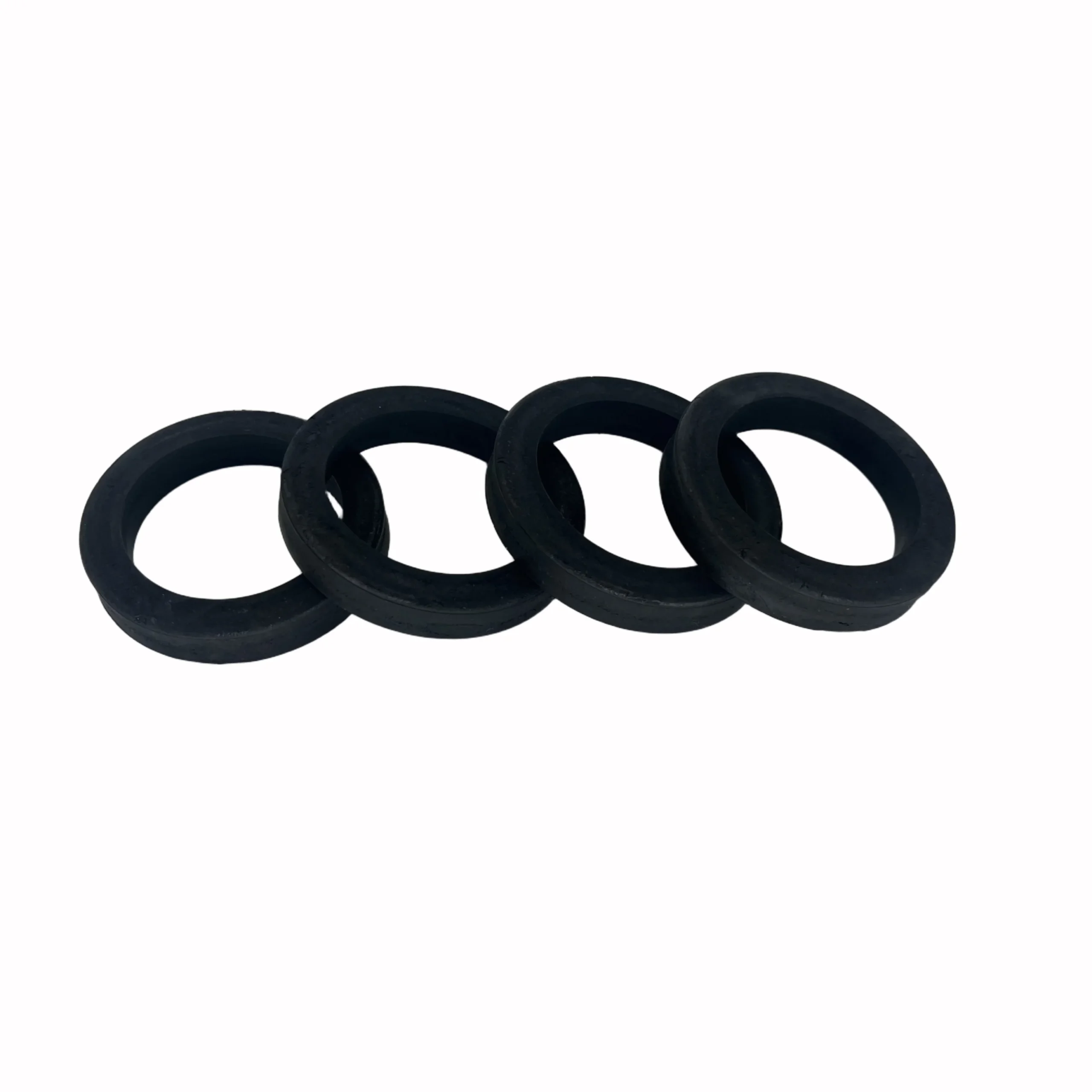
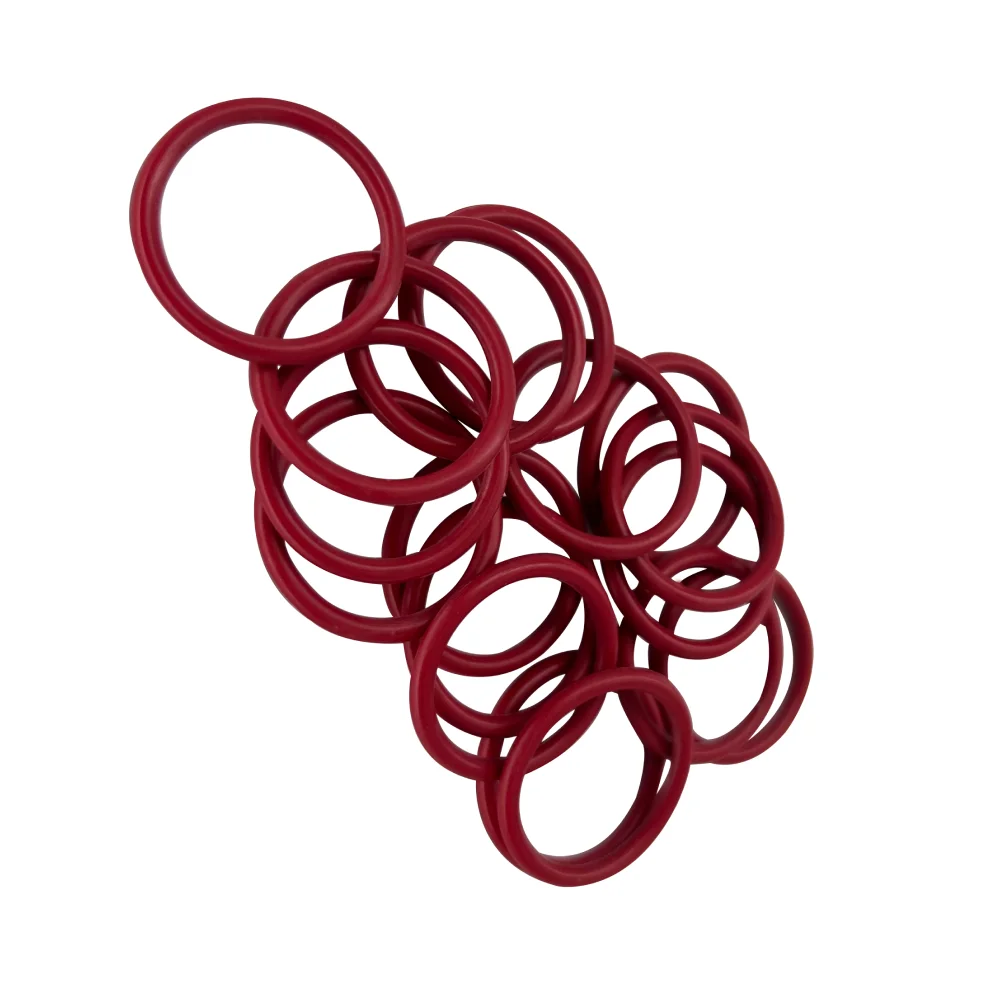
Simply put, a flexible o ring is a doughnut-shaped sealing ring made from elastomeric materials, designed to compress under pressure and form a tight seal between two parts. Unlike rigid seals, their flexibility allows them to adapt to surface imperfections and movement, preventing leaks even in dynamic conditions. They are vital in everything from hydraulic cylinders to medical devices.
Nowadays, these rings connect closely to modern demands — higher pressure tolerance, chemical resistance, and eco-friendliness — making them indispensable in both heavy industry and humanitarian aid, such as water purification units deployed in disaster zones.
Key Factors Behind Flexible O Rings
Durability
The choice of material—be it silicone, nitrile, or fluorocarbon—dictates how well a flexible o ring withstands temperature extremes, abrasion, and chemical exposure. High durability means fewer replacements, which is critical in remote or high-risk environments.
Flexibility & Compression Set
Flexibility ensures the ring maintains a tight seal even when surfaces move or vibrate. A low compression set means the ring doesn't permanently deform under load and retains sealing effectiveness over time.
Temperature Range
Flexible o rings must operate reliably across wide temperature ranges—from sub-zero outdoor pipelines to high-heat engines. Some modern compounds can endure -60°C up to 200°C.
Chemical Compatibility
Depending on application, the ring needs resistance against oils, fuels, acids, or even potable water. Selecting the right material is key to preventing degradation.
Cost Efficiency
Balancing cost with performance, materials like nitrile offer affordable solutions without sacrificing essential sealing capabilities.
| Property | Typical Range | Material Variants |
|---|---|---|
| Inner Diameter | 1 mm to 500 mm | Nitrile, Silicone, Viton, EPDM |
| Temperature Range | -60°C to 200°C | Fluorosilicone, PTFE-coated |
| Hardness (Shore A) | 40 to 90 | Custom blends |
| Pressure Resistance | Up to 5000 psi | Reinforced variants |
Mini Takeaway: Durability, flexibility, and material choice directly shape the sealing success of flexible o rings in diverse conditions.
Global Applications & Use Cases
The scope of flexible o rings is vast:
- Automotive industry: Ensuring leak-proof pumps and engines under extreme temperature fluctuations.
- Water treatment plants: Sealing valves and pipes to prevent contamination.
- Oil and gas: High-pressure seals in pipelines and offshore rigs.
- Medical devices: Providing sterile seals in fluid transfer systems.
- Disaster relief: In portable water purifiers deployed by NGOs, preventing leaks saves precious resources.
Regions like Southeast Asia and the Middle East see increased demand as infrastructure expands and maintenance challenges grow.
Vendor Comparison for Flexible O Rings
| Vendor | Material Options | Custom Sizes | Sustainability Focus | Typical Lead Time |
|---|---|---|---|---|
| SunliteTek | Nitrile, Silicone, Viton | Yes | Eco-friendly compounds | 2-3 weeks |
| SealPro | EPDM, Fluorosilicone | Limited | Standard materials | 1-2 weeks |
| GlobalSeal | Wide range including PTFE | Yes, but MOQ applies | Some green initiatives | 3-4 weeks |
Advantages & Long-Term Value
Flexible o rings provide a surprisingly high return on investment:
- Cost-effective maintenance: Minimizes downtime by preventing leaks.
- Sustainability: Longer-lasting materials reduce waste and environmental impact.
- Safety: Reliable seals guard against hazardous leaks, protecting workers and communities.
- Innovation-driven: New materials and designs continuously improve sealing performance.
- Emotional peace of mind: Knowing critical systems won’t fail unexpectedly contributes to user trust and brand loyalty.
Future Trends & Innovations
Looking ahead, the flexible o ring market is pivoting toward:
- Bio-based elastomers: Materials derived from renewable sources to shrink carbon footprints.
- Smart seals: Integrated sensors that monitor wear and alert maintenance teams.
- 3D printing customization: Rapid prototyping for bespoke sizes and geometries.
- Enhanced chemical resistance: New compound blends tackling aggressive media for energy and chemical sectors.
Challenges & Solutions
Despite their versatility, flexible o rings face hurdles:
- Material degradation under extreme UV or ozone exposure. This is being addressed by advanced coatings or protective housings.
- Supply chain disruptions, which affect lead times and costs — local sourcing and diversified vendors are partial fixes.
- Correct specification, as wrong material choices can cause premature failure; better education and digital tools help engineers select properly.
FAQ: Frequently Asked Questions About Flexible O Rings
Q1: How do I choose the right flexible o ring material for high-temperature applications?
A1: For high-temperature environments, materials like Viton (fluorocarbon) or silicone are excellent choices because they maintain elasticity and chemical resistance up to 200°C. Always check the specific application's chemical exposure to ensure compatibility.
Q2: Can flexible o rings be used in potable water systems safely?
A2: Absolutely. EPDM and certain FDA-approved materials are commonly used in food and beverage or potable water systems. Certification and compliance with local regulations are key to ensure safety.
Q3: What causes flexible o ring failure, and how can I prevent it?
A3: Common causes include chemical attack, temperature extremes, improper installation, and surface damage. Preventive measures rely on correct material selection, proper installation techniques, and planned maintenance.
Q4: Are custom-sized flexible o rings feasible?
A4: Yes, many vendors, including companies like SunliteTek, offer customization to fit unique applications. Lead times and minimum order quantities may apply.
Conclusion: Sealing a Sustainable Future
Flexible o rings might be modest in size but their global impact is anything but small. They enable industries to operate safely, efficiently, and sustainably. Their adaptability to evolving challenges, like environmental pressures and technological innovation, ensures they’ll remain the sealing solution of choice well into the future. If you’re exploring reliable sealing solutions or need custom designs, don’t hesitate to visit SunliteTek's website and discover how advanced flexible o rings can support your next project.
It’s funny how such a simple ring can hold together the complex world around us—literally.
References

Flexible O Ring: The Unsung Hero of Modern Sealing Solu […]