Select Language
 What Is Viton Cord and Why Does It Matter Globally?
If you haven’t come across viton cord before, you’re in for a bit of a treat. In the industrial and manufacturing realm, viton cord is a small but mighty player. Essentially, it’s a sealing material made from Viton, a brand name that’s practically synonymous with fluoroelastomer polymers. But why is this so important worldwide? Well, viton cord is the unsung hero behind the scenes ensuring safety and reliability in high-stress environments — from aerospace to pharmaceuticals and even humanitarian aid.
Understanding viton cord means appreciating a product that withstands extreme temperatures, aggressive chemicals, and long-term wear without failing. It’s the invisible barrier that keeps vital machinery safe and processes running smooth. In global terms, where supply chains are stretched across continents and climate risks are rising, the reliability of such components is more crucial than ever.
Mini takeaway: Viton cord isn’t just another rubber gasket – it stands as a key material safeguarding critical operations on a worldwide scale.
The Global Relevance of Viton Cord in Industry and Beyond
Globally, manufacturing industries face tightening standards to reduce downtime and environmental impact. According to ISO 6149 and other strict sealing standards, selecting the right material for gaskets and seals directly affects operational safety. For example, the chemical industry alone spans revenues over $5 trillion worldwide (UN Comtrade 2023 data), relying heavily on materials resistant to acids, fuels, and heat — hello, viton cord.
Moreover, sectors like aerospace and automotive increasingly demand reliable seals that work under harsh conditions without degradation. Faulty seals can create pipeline leaks or failures costing millions in damage and environmental hazard cleanup. And then there’s the humanitarian angle: field hospitals and emergency shelters rely on durable sealing materials for portable equipment to function flawlessly.
Frankly, the stakes are high. Viton cord helps plug these risks by offering consistent performance even when things get tough. It’s a straightforward fix to a complex problem, much appreciated worldwide.
Defining Viton Cord in Simple Terms
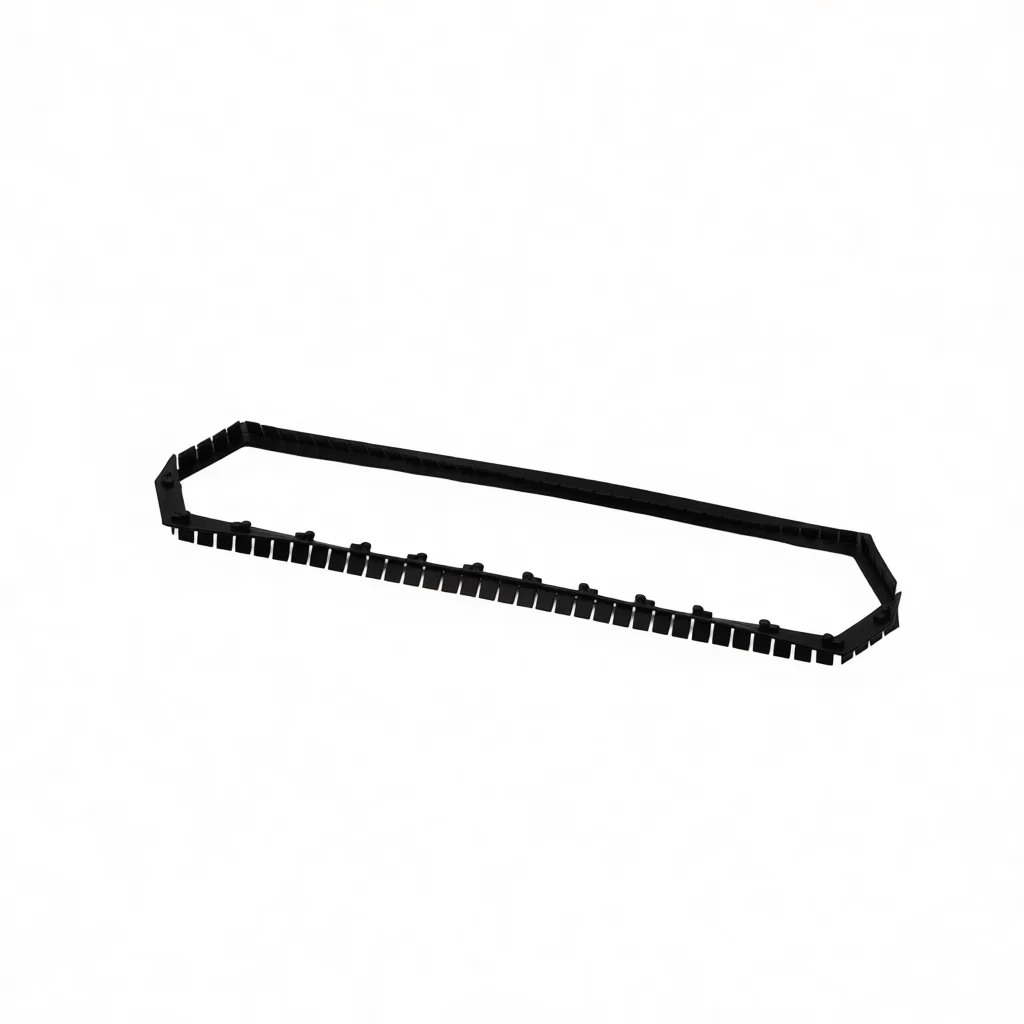
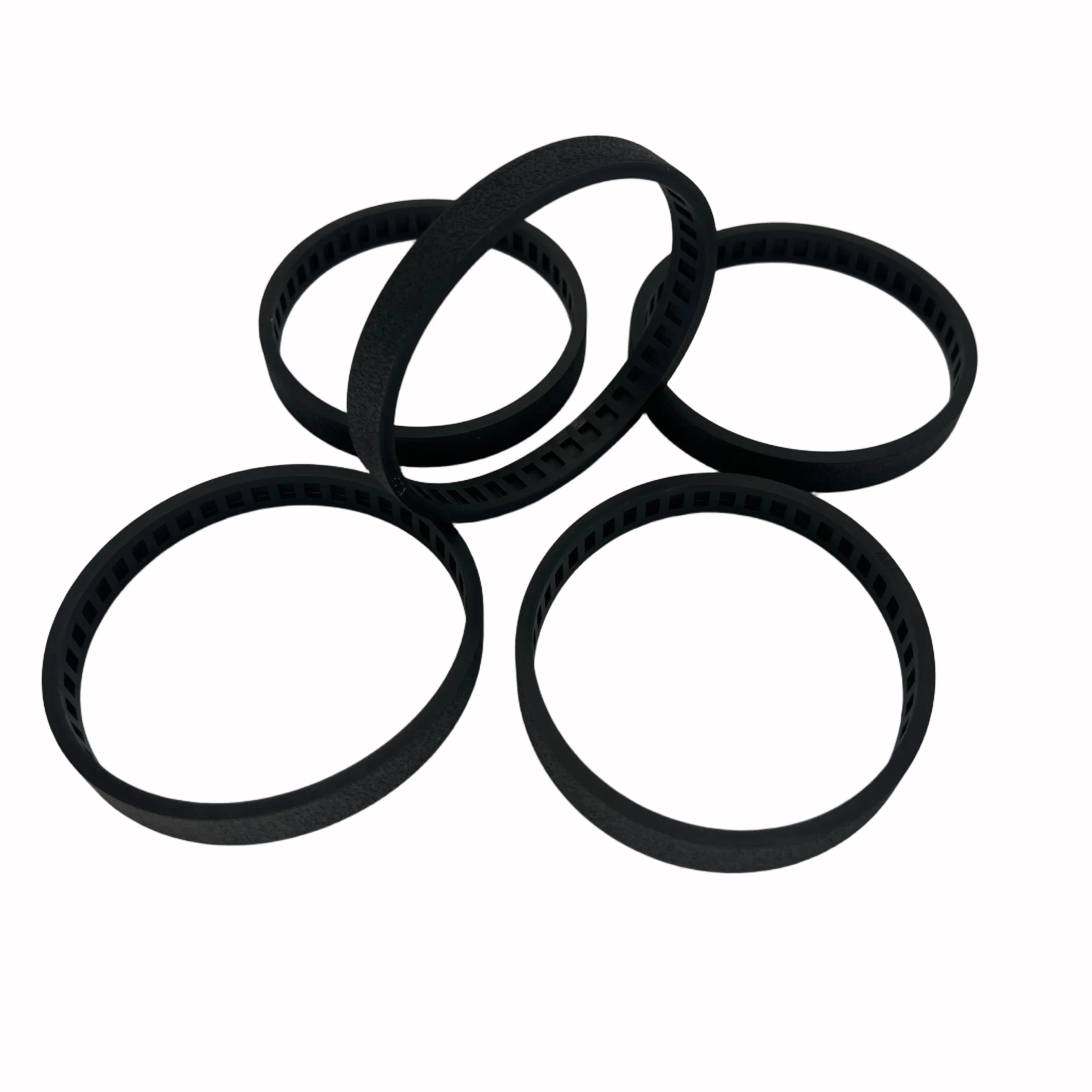
So what exactly is a viton cord? Put simply, it’s a pre-formed, flexible ring or rope of Viton fluoroelastomer material used primarily for sealing applications. Viton, a DuPont product, is prized for its resistance to chemicals, ozone, and elevated temperatures (typically up to 204°C or 400°F, sometimes higher).
This elastomer is synthesized by copolymerizing vinylidene fluoride with hexafluoropropylene and sometimes tetrafluoroethylene. The result is a robust, rubbery material that maintains elasticity under tough conditions. Viton cord is typically cut or molded to fit grooves in machinery, valves, or pipe joints, preventing leaks and contamination.
Its versatility makes it useful in modern industry but also crucial for humanitarian efforts — in providing contamination-free environments or resilient power generators.
Breaking Down the Core Components of Viton Cord
1. Chemical Resistance
Viton cord laughs at acid spills, fuels, and solvents. Even in harsh chemical plants, it won’t degrade easily, which is why it’s common in petrochemical and pharmaceutical processing units.
2. Temperature Stability
Where other elastomers falter, Viton stands firm. It resists degradation at temperatures soaring above 200°C, keeping a tight seal no matter what gets thrown at it.
3. Mechanical Resilience
Elastic enough to fit snugly, yet tough enough to hold up under pressure, this cord tolerates wear and tear — making it ideal for repeated maintenance cycles without needing total replacement.
4. Longevity
Viton cord seals tend to outlast many alternatives, reducing downtime and replacement costs, a detail that practical engineers really appreciate.
5. Compatibility & Versatility
It can be formed into various thicknesses and diameters, fitting countless industrial designs from tiny pumps to massive valves.
Mini takeaway: Chemical toughness, heat endurance, durability, and adaptability make viton cord the go-to seal in demanding environments.
Global Applications of Viton Cord: Where and Why It Is Used
Industries and regions leveraging viton cord vary widely:
- Petrochemical Plants: In the Gulf States and refineries worldwide, viton cord seals prevent dangerous leaks of hydrocarbons.
- Aerospace Industry: Used in engine assemblies and fuel systems in the U.S. and Europe, it maintains strict safety requirements.
- Food and Pharma Processing: Ensures contamination-free seals on machinery in Europe and East Asia.
- Disaster Relief: Portable power generators and water purification units rely on these seals to function reliably in Africa and South Asia’s harsh conditions.
- Automotive Manufacturing: Engines and transmissions universally benefit from the durability of viton cord seals for both performance and longevity.
To give a real-world example, a remote mining operation in Australia recently credited viton cord-based seals for reducing machine downtime by 30% during a heatwave — saving thousands in repair costs.
Advantages & Long-Term Value of Using Viton Cord
Using viton cord isn’t just about meeting technical specs; it’s about peace of mind. You get:
- Cost Savings: Long-lasting seals mean fewer replacements and maintenance stoppages.
- Safety & Environmental Protection: Avoiding leaks decreases the risk of accidents and pollution.
- Sustainability: Durable materials reduce waste and resource consumption long-term.
- Trust & Innovation: Rely on manufacturers pushing the envelope in sealing technology.
Honestly, it feels like investing in viton cord is investing in reliability—and in industries where failure can be catastrophic, that peace is priceless.
Upcoming Trends and Innovations in Viton Cord Technology
Manufacturers are not standing still. Innovations focus on:
- Environmental Sustainability: Developing bio-based or less fluorine-intensive elastomers to reduce environmental impact.
- Enhanced Chemical Formulations: Better resistance to broader chemical families, including acids found in emerging battery tech.
- Digital & Automated Testing: Using IoT sensors to monitor seal wear and predict failures before downtime hits.
Plus, green energy projects are applying viton cord in hydrogen fuel infrastructure, highlighting a new frontier of demand.
Challenges and How the Industry Is Overcoming Them
Of course, viton cord is not without its limitations. It’s comparatively expensive and not always compatible with all chemicals (like ketones). Supply chain hiccups can also delay sourcing these specialized cords.
Yet, many manufacturers
are innovating with custom blends and crosslinking techniques to extend applicability. Strategic stockpiling and better vendor relationships also minimize delays. Plus, training maintenance teams to better handle viton seals ensures longer service life, closing the gap on residual problems.
Product Specification Table: Typical Viton Cord
| Specification | Detail |
|---|---|
| Material | Fluoroelastomer (Viton FKM) |
| Temperature Range | -20°C to 204°C (–4°F to 400°F) |
| Chemical Resistance | Acids, Fuels, Oils, Solvents |
| Standard Sizes | 1 mm – 10 mm diameter |
| Typical Shore A Hardness | 70 - 90 |
| Shelf Life | Up to 10 years (stored properly) |
Vendor Comparison Table: Leading Viton Cord Suppliers
| Vendor | Product Range | Typical Lead Time | Custom Sizes | Price Range (USD/m) |
|---|---|---|---|---|
| SunliteTek | Standard & custom viton cords | 1-2 weeks | Yes | 12 – 25 |
| SealTech Corp. | Broad elastomer offerings | 3-4 weeks | Limited | 15 – 30 |
| Global Elastomers Inc. | Viton and specialty polymers | 2 weeks | Yes | 20 – 35 |
FAQ: Frequently Asked Questions About Viton Cord
Q1: What makes viton cord better than other sealing materials?
Viton cord combines superior chemical resistance with excellent heat stability, outperforming many silicone or nitrile rubbers. This means it can handle aggressive environments and intense temperatures without cracking or deforming, resulting in longer seal life and less downtime.
Q2: Can viton cord be customized for unusual applications?
Absolutely. Most leading suppliers, like SunliteTek, offer custom sizes and hardness grades to fit specific equipment needs. This flexibility ensures seals fit precisely and function optimally.
Q3: How should viton cord be stored to maximize shelf life?
Store viton cord away from direct sunlight, ozone sources, and extreme temperatures. Ideally, keep it at room temperature in sealed packaging; this can preserve its properties for up to a decade.
Q4: Is viton cord suitable for food and pharmaceutical equipment?
Yes. Viton cord complies with many FDA and USP Class VI regulations after proper certification, making it safe for use in equipment requiring strict hygiene standards.
Q5: How do I decide if viton cord is worth the investment for my project?
Consider the operating environment’s temperature, chemical exposure, and desired maintenance intervals. If durability and safety reduce downtime, viton cord often pays for itself many times over.
Wrapping Up: Why Viton Cord Is a Wise Long-Term Investment
Deciding on sealing solutions isn’t always glamorous, but viton cord proves time and again it’s worth the extra attention. The combination of dependable chemical resistance, temperature endurance, and mechanical strength means fewer headaches down the road — less downtime, less risk, and greater sustainability in operation.
For anyone managing industrial machinery, aerospace tech, or even emergency equipment, the subtle difference viton cord brings can mean the difference between smooth operation and costly failure.
If you want to explore top-quality options or custom solutions, do visit SunliteTek’s website for detailed product info and expert guidance.
References:

What Is Viton Cord and Why Does It Matter Globally? If […]