

 Select Language
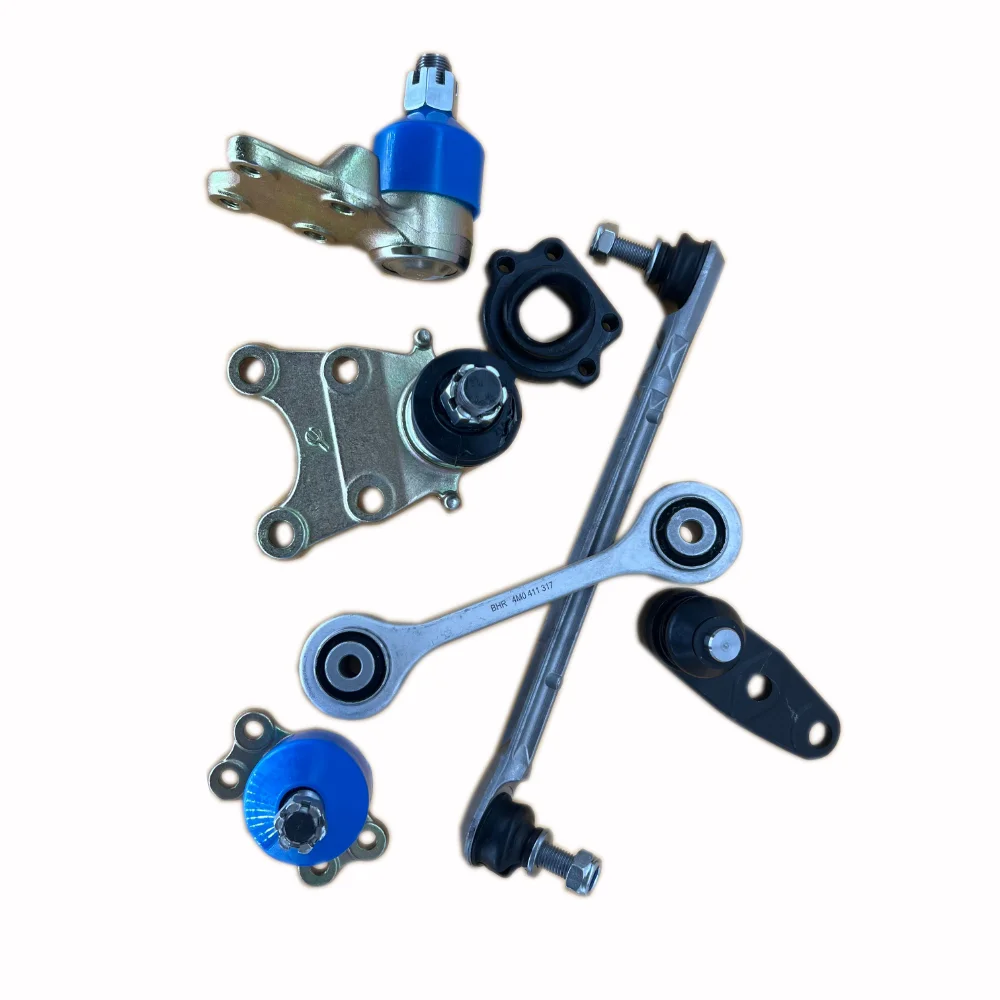
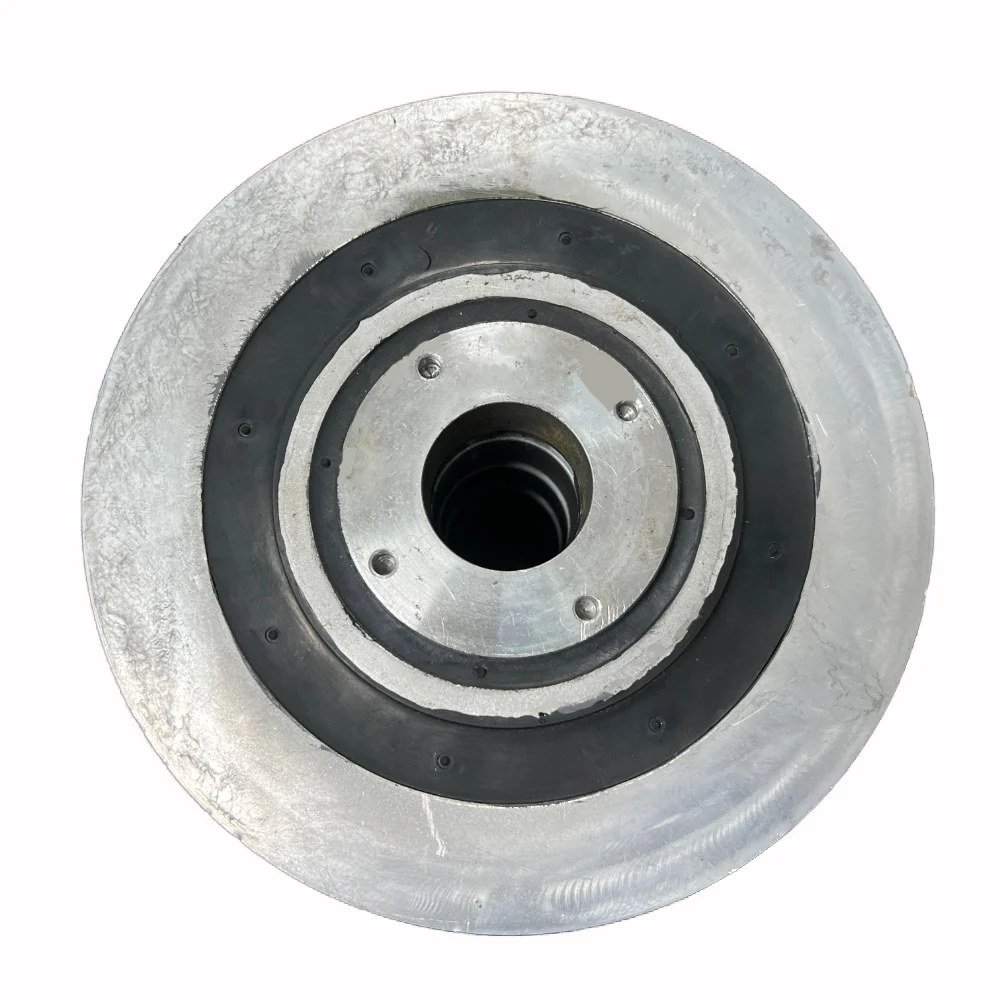
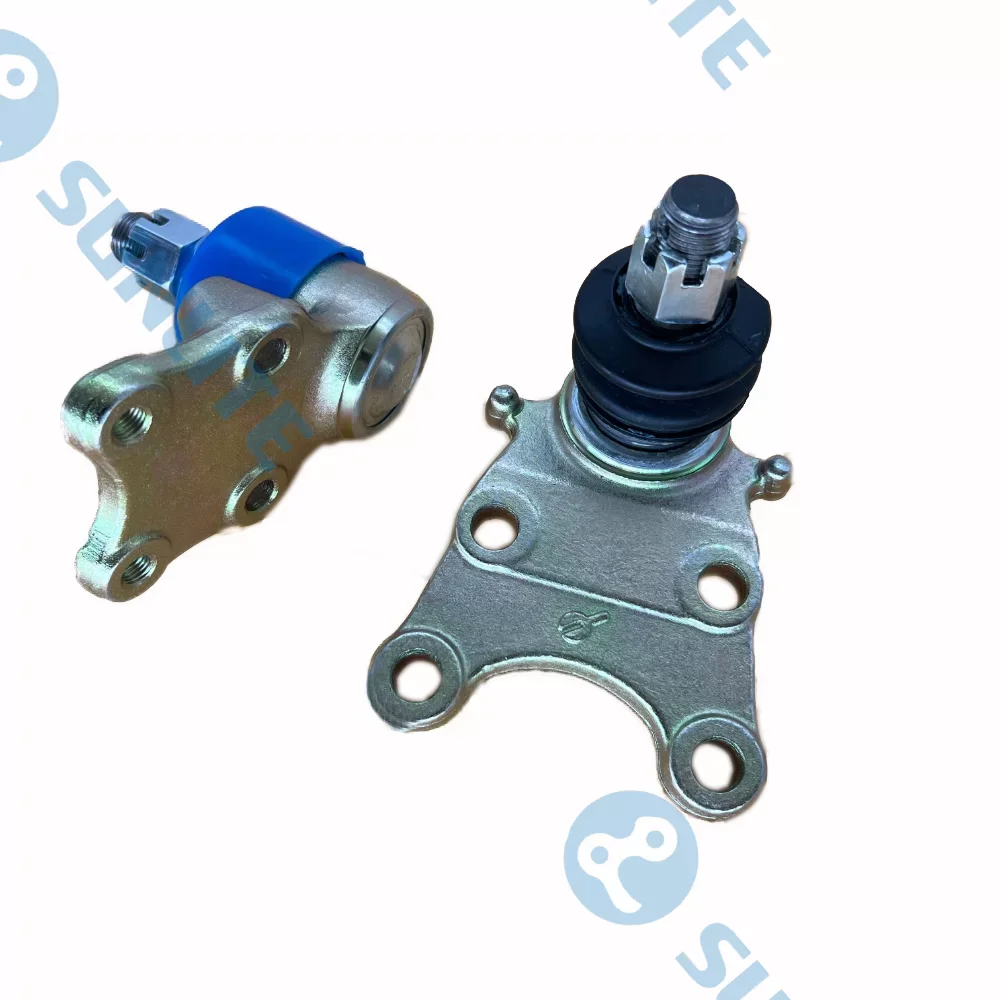
A high quality ball joint is defined by its ability to provide multi-axial rotation while simultaneously isolating the system from high-frequency vibrations and mechanical shocks. In modern applications—such as the suspension systems of large-scale agricultural drones or the steering linkages of autonomous industrial robots—the ball joint is the primary point of stress. To meet these challenges, preparation technology has evolved to include a "one-piece structure" created through hot vulcanization. This involves bonding a high-strength metal skeleton to a high-elasticity elastomer jacket.
The molecular design of these advanced joints ensures that the bonding strength between the metal core and the elastomer is significantly higher than the strength of the elastomer material itself. This prevents the "peeling" or delamination that often occurs in cheaper alternatives under heavy loads. The elastomer serves a dual purpose: it provides a smooth, cushioned range of motion and acts as a hermetic seal against dust and moisture. By converting kinetic energy into negligible heat through its internal viscoelastic properties, a high-quality joint effectively realizes a vibration-damping function that protects the entire mechanical assembly from fatigue.
Navigating the Global Supply Chain with a China Ball Joint Factory
As the global manufacturing landscape shifts toward more integrated and smart technologies, the role of the china ball joint industry has become increasingly pivotal. Leading facilities in China have transitioned from simple component casting to advanced composite material engineering. A modern china ball joint factory now utilizes precise process control to regulate the heat and cold resistance of their products, ensuring they can operate in environments ranging from freezing industrial cold storage to the sweltering heat of outdoor mining operations.
The strategic advantage of sourcing from these advanced factories lies in their mastery of the composited skeleton approach. By using reasonable molecular design, these manufacturers produce hardware that meets the world’s most stringent environmental regulations, including RoHS 2.0, REACH, and PFAS. For international buyers, this means receiving a ball joint product characterized by "unity and functionality." The integration of the damping elastomer directly into the joint housing creates a one-piece structure that is easier to install and more resistant to environmental degradation than traditional multi-part assemblies.
Scaling Operations through Wholesale Ball Joint Procurement
For large-scale original equipment manufacturers (OEMs), the ability to source reliable components at scale is essential for maintaining production timelines and project budgets. Engaging in wholesale ball joint procurement allows companies to access the highest level of material science while benefiting from the efficiencies of mass production. However, at the wholesale level, consistency is the ultimate metric of quality.
A professional wholesale ball joint supplier ensures that the "high strength" and "high elasticity" characteristics are uniform across every batch. Through continuous research and improvement, these suppliers have optimized the vulcanization process to ensure that the bonding strength remains a constant. This reliability is critical in fields like automated logistics and aerial application, where a single component failure can lead to significant downtime or safety accidents. By choosing a supplier that prioritizes the "unity of the product," companies can ensure that their fleet of machines operates with a consistent damping and buffering profile, regardless of the production volume.
Tailoring Precision with Custom Ball Joint Solutions
In the world of specialized robotics and bespoke industrial machinery, standard components often fail to meet unique spatial or load requirements. This has led to a surge in demand for the custom ball joint, a component engineered to specific performance parameters. Customization in this field extends beyond the diameter of the ball or the length of the stud; it involves the "tuning" of the elastomer’s resistance and damping loss factor.
Through ODM (Original Design Manufacturing) and OEM partnerships, engineers can collaborate with a ball joint company to design a joint that thrives in specific hazardous conditions. A custom ball joint might be engineered for a marine environment, requiring a skeleton with extreme corrosion resistance and an elastomer that can withstand saltwater exposure without losing its buffering function. Alternatively, for a high-speed automated sorting system, the joint might be designed with a specific glass transition temperature to ensure it remains flexible during rapid, high-frequency movements. This bespoke approach ensures that the "one-piece structure" is perfectly adapted to the load and drive requirements of the specific application, providing a level of dustproof sealing and vibration damping that off-the-shelf parts cannot provide.
Motion Control and Environmental Compliance
The evolution of composited skeleton and elastomer materials represents the future of mechanical motion. As industries continue to move toward more autonomous and environmentally sensitive operations, the components that power these systems must also evolve. The modern ball joint is no longer just a mechanical pivot; it is a shield against the elements and a stabilizer for the machine’s most delicate sensors.
The commitment to meeting regulations like TSCA, POPs, and PAHs ensures that these high-performance materials are as safe as they are effective. By mastering the art of bonding high-strength skeletons to high-elasticity elastomers, the industry is building a foundation for a safer, quieter, and more durable future. Whether through a standard high quality ball joint or a highly specialized custom design, the focus remains on the "unity and functionality" of the product—ensuring that every movement is as precise as the science behind the material itself.
A high quality ball joint is defined by its ability to provide multi-axial rotation while simultaneously isolating the system from high-frequency vibrations and mechanical shocks.