

 Select Language
As someone who's spent years in the materials science and manufacturing sectors, I've seen a lot of trends come and go. But one shift that truly excites me, and frankly, is long overdue, is the industry's pivot towards more sustainable and safer materials. We're talking about components that don't just do their job well, but also protect our planet and our people. This brings us squarely to the topic of environmentally friendly vibration absorber, halogen-free vibration isolator UL94 V0, fire-retardant rubber damper RoHS compliant technologies – a mouthful, I know, but each part of that phrase is incredibly important.
Why the Shift to Eco-Safe Damping Matters Now
Think about it: almost every piece of machinery, every vehicle, every building structure generates some form of vibration. Unchecked, these vibrations can lead to structural fatigue, noise pollution, and even operational failures. For decades, we've relied on various materials to dampen these forces, but often, the environmental and safety profiles of these materials weren't top priority. However, tightening regulations and a growing consumer awareness have pushed manufacturers to innovate. Seriously, the demand for greener solutions isn't just a niche anymore; it's becoming the standard.
The drive towards truly environmentally friendly vibration absorber solutions isn't just about PR; it's about compliance. We're seeing stricter global standards for material content, especially concerning hazardous substances. That's where concepts like "halogen-free" and "RoHS compliant" aren't just buzzwords, but critical technical specifications.
Diving into the Tech: Halogen-Free, Fire-Retardant, and RoHS
Let's unpack some of these terms, shall we?
· Halogen-Free Vibration Isolator UL94 V0: This is a big deal, particularly in electronics, automotive, and construction. Halogens (like bromine and chlorine) are often used as flame retardants, but when they burn, they can release toxic fumes and corrosive gases. A halogen-free vibration isolator UL94 V0 means it achieves a high level of fire retardancy (UL94 V0 signifies self-extinguishing within 10 seconds, no flaming drips) without these harmful chemicals. To be honest, this is a significant engineering challenge, requiring sophisticated material science.
· Fire-Retardant Rubber Damper RoHS Compliant: RoHS, for those not in the know, stands for Restriction of Hazardous Substances. Being RoHS compliant means the material contains very low (or no) levels of specific hazardous substances like lead, mercury, cadmium, and certain phthalates. A fire-retardant rubber damper RoHS compliant product ensures that while it resists fire, it's also free from other notorious environmental pollutants. It’s a win-win, really.
The Materials & Their Magic
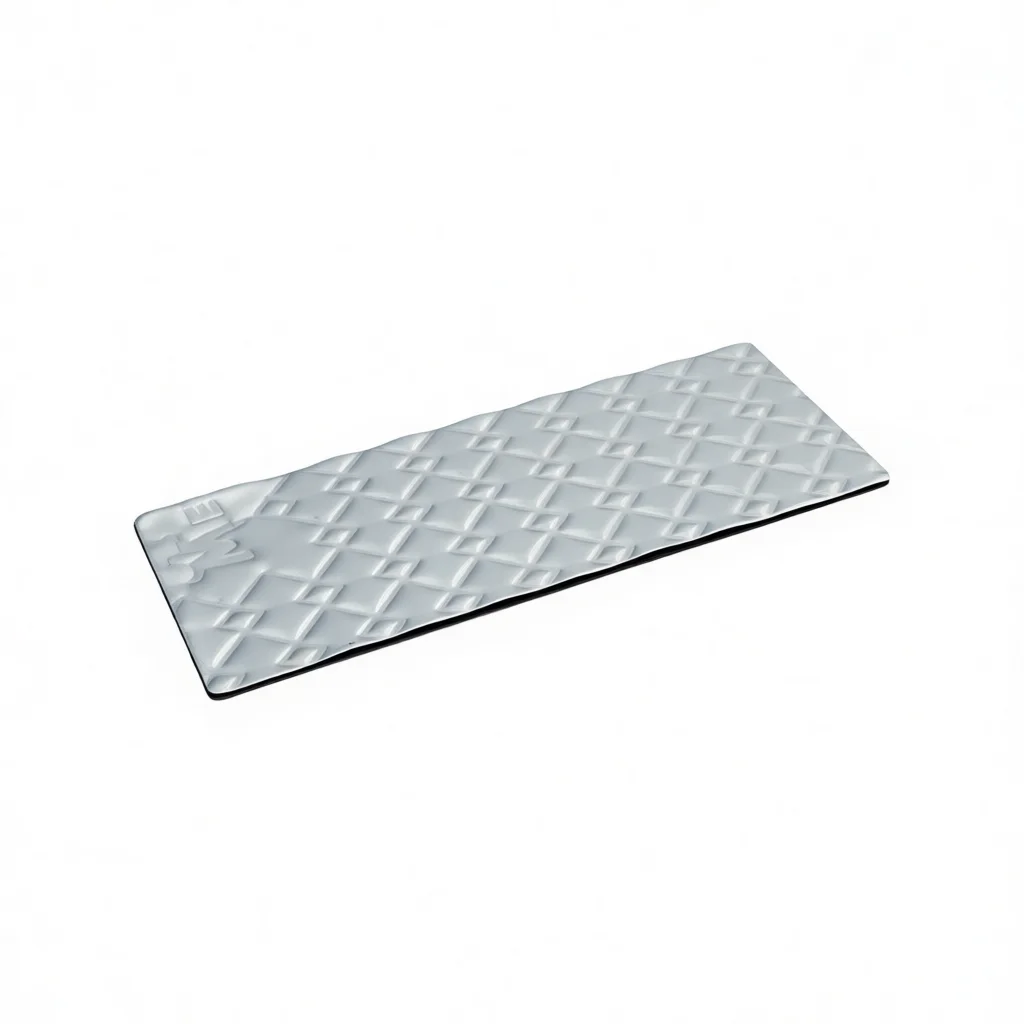
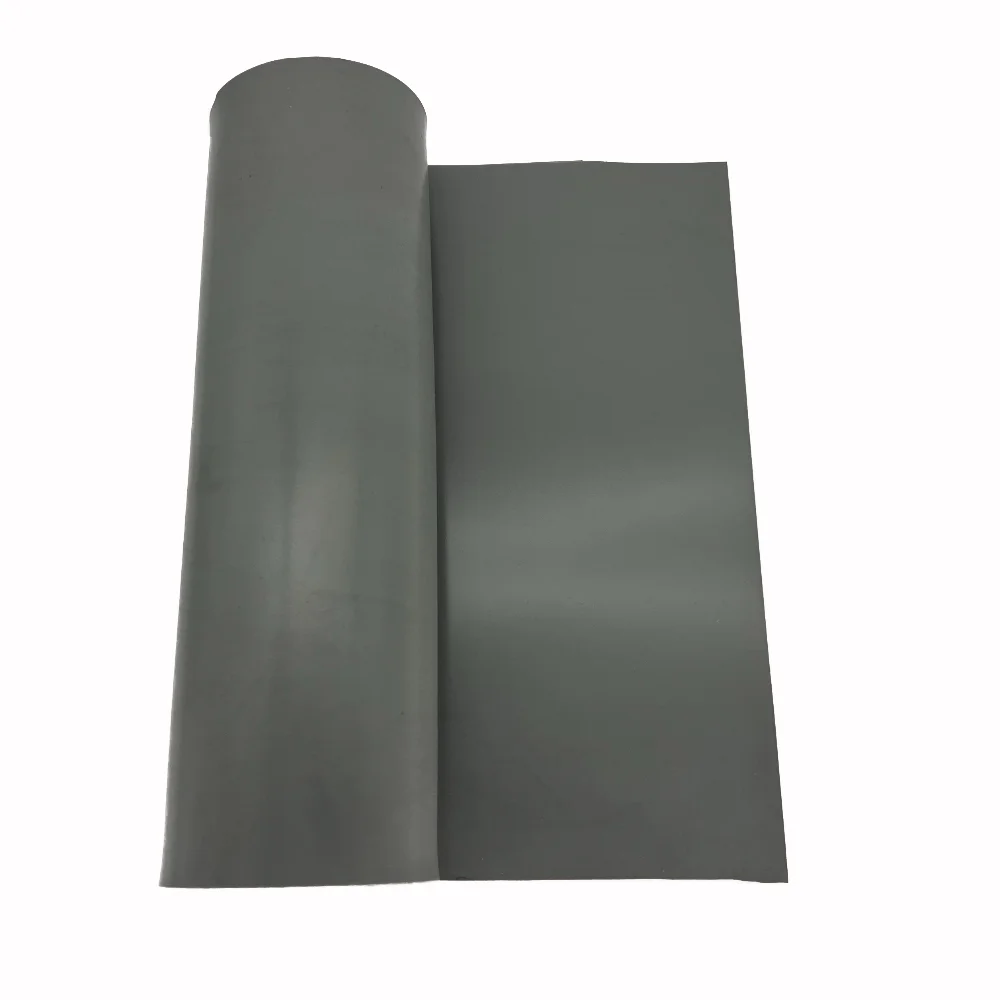
So, how do they achieve this? Often, it involves advanced polymer compounds. Take, for example, the Halogen-Free Flame-Retardant Vibration Damper I've been looking at. Its core material is typically an IIR (isobutylene-isoprene rubber, often known as butyl rubber) compound, combined with aluminum foil. Butyl rubber is renowned for its excellent damping properties, low gas permeability, and good resistance to aging. The aluminum foil layer, I guess, adds structural integrity, thermal reflection, and perhaps even some barrier properties.
The manufacturing process involves careful compounding of the IIR with non-halogenated flame retardants and other additives, followed by molding or extrusion. The integration of aluminum foil usually happens through lamination. Rigorous testing is then performed to ensure it meets not just the damping specifications (like a damping factor ≥ 0.2), but also the critical safety standards like UL94 V0 and RoHS compliance. The expected service life, many customers say, is surprisingly long, thanks to its moisture-proof and anti-aging properties.
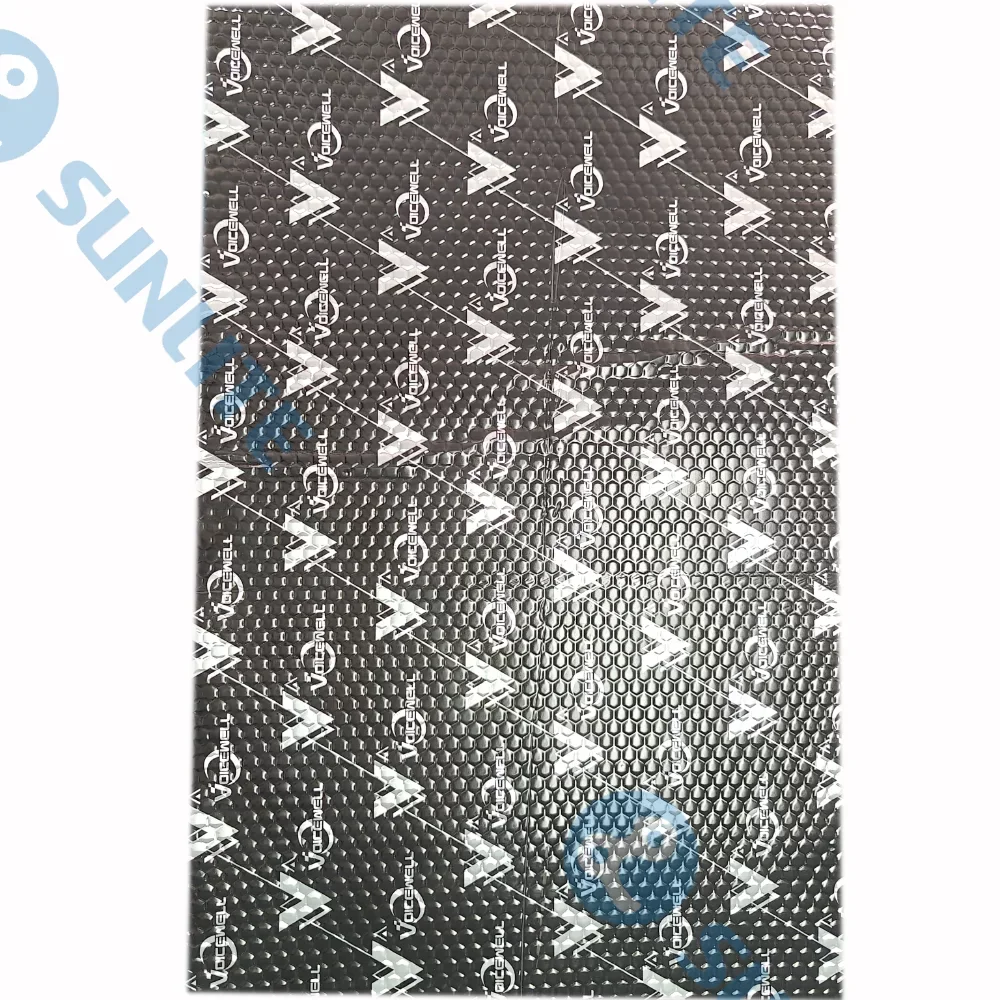
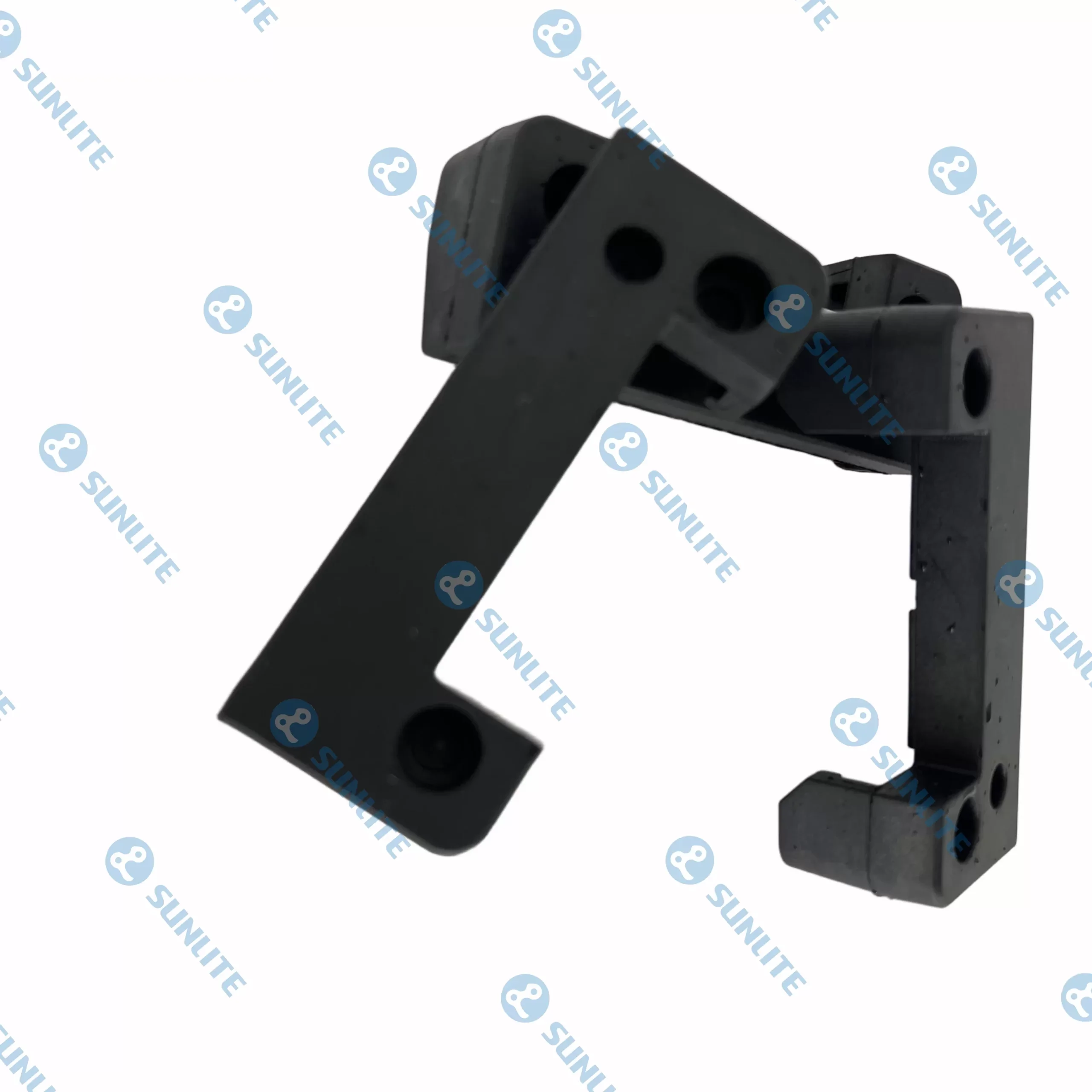
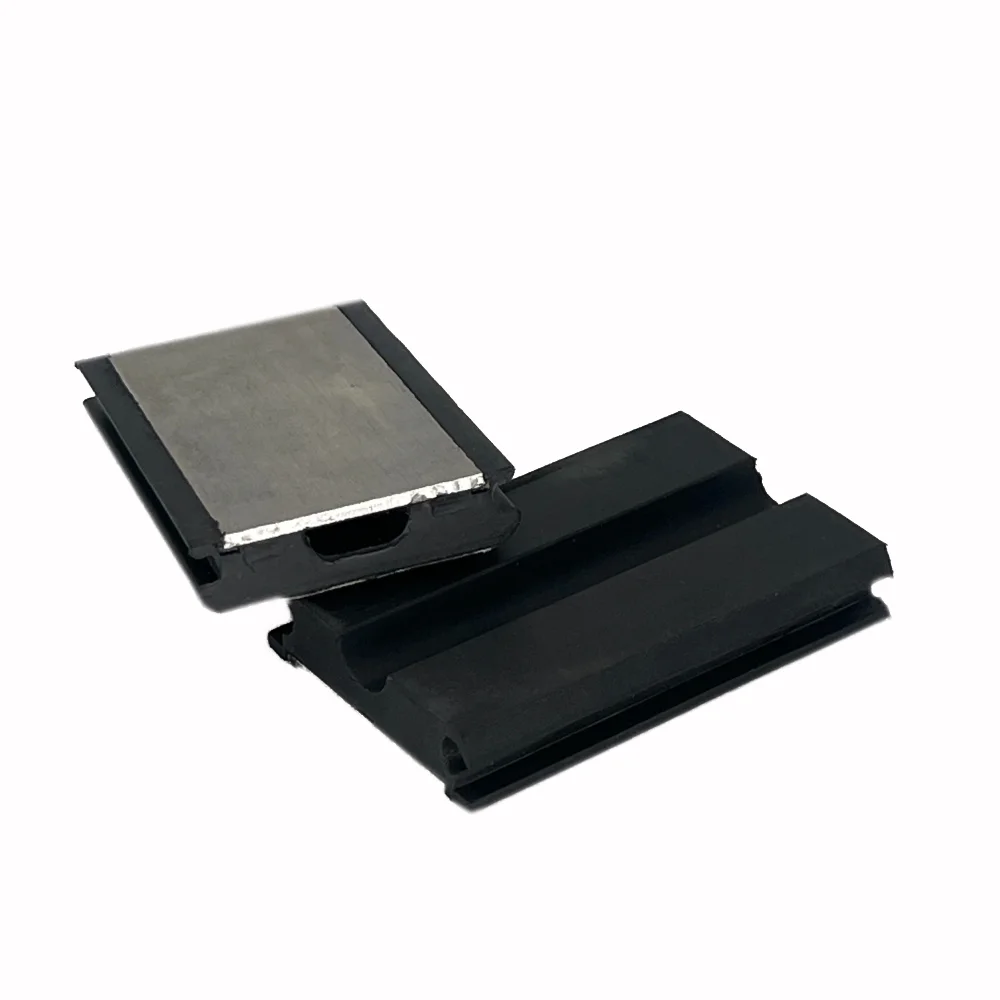
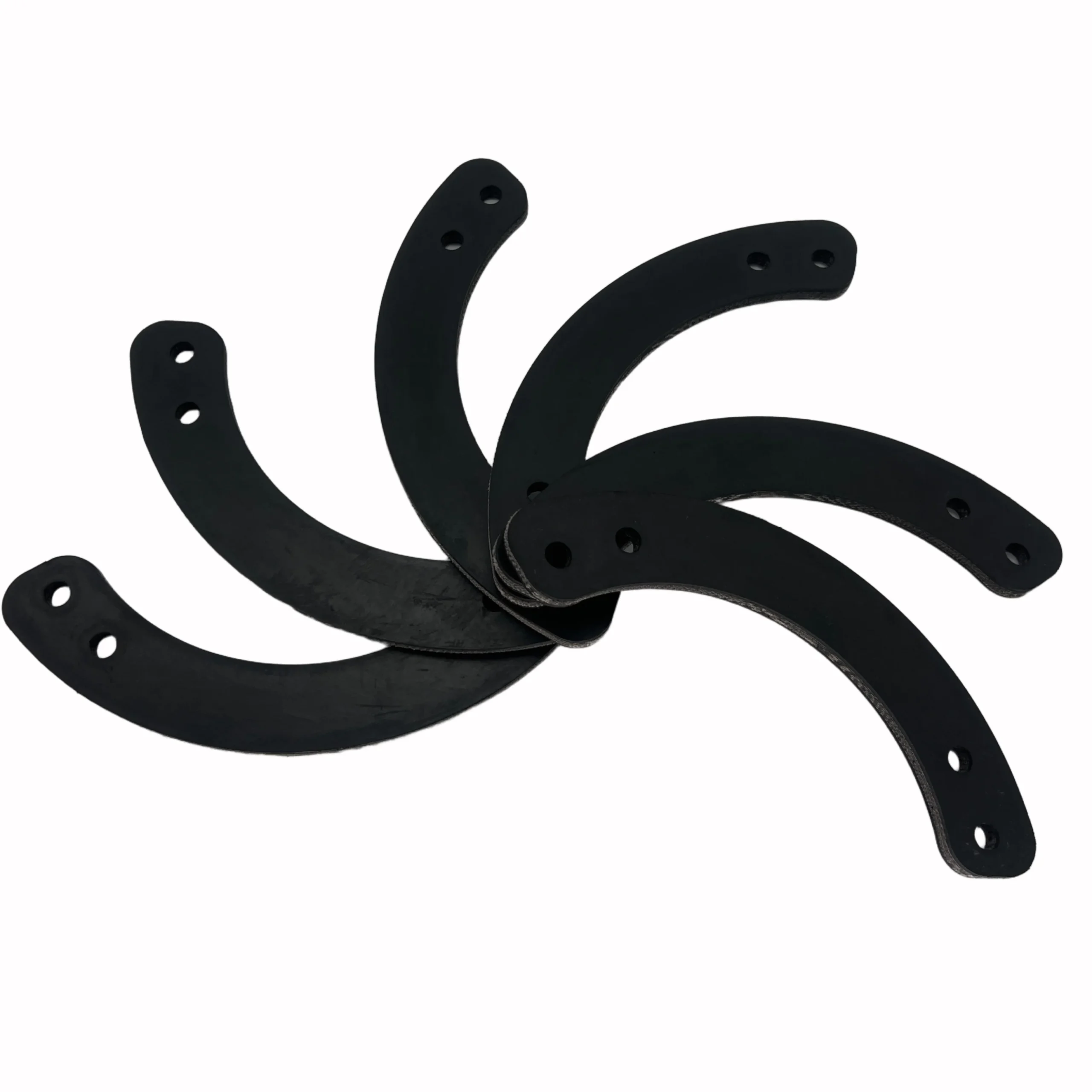
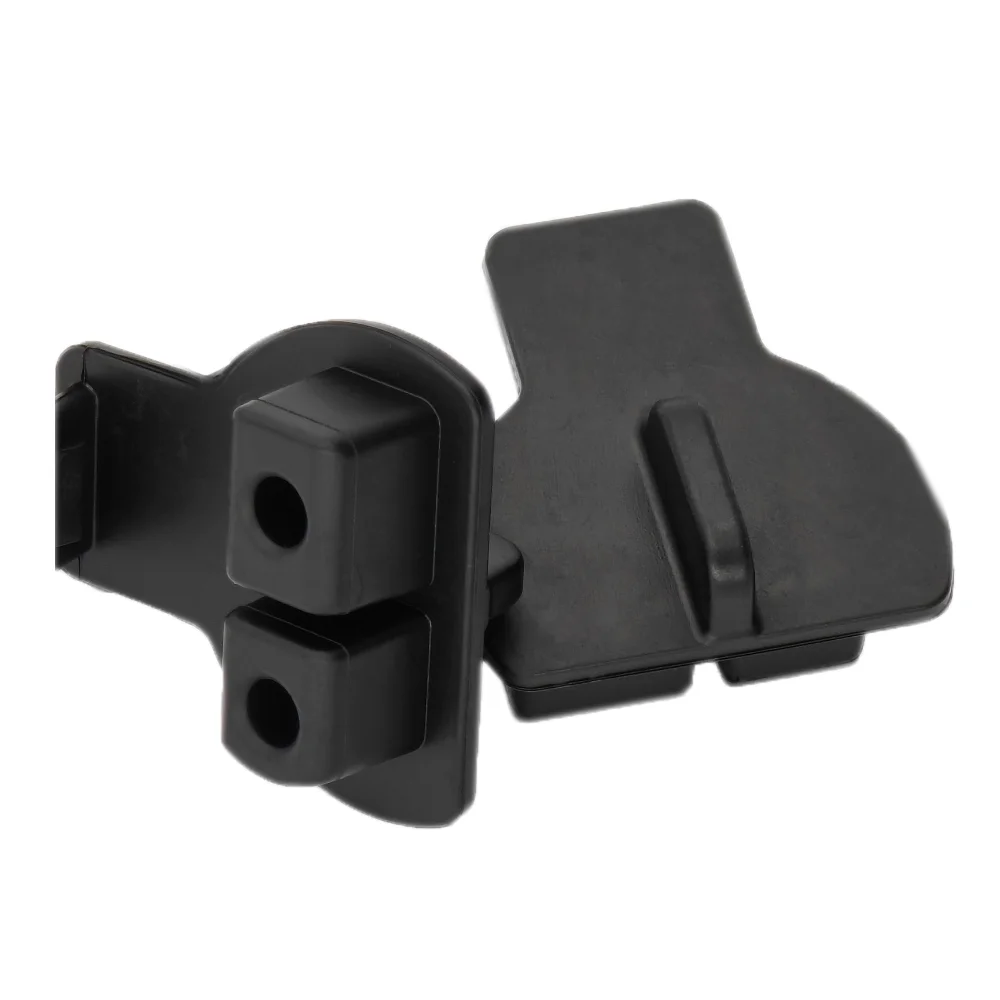
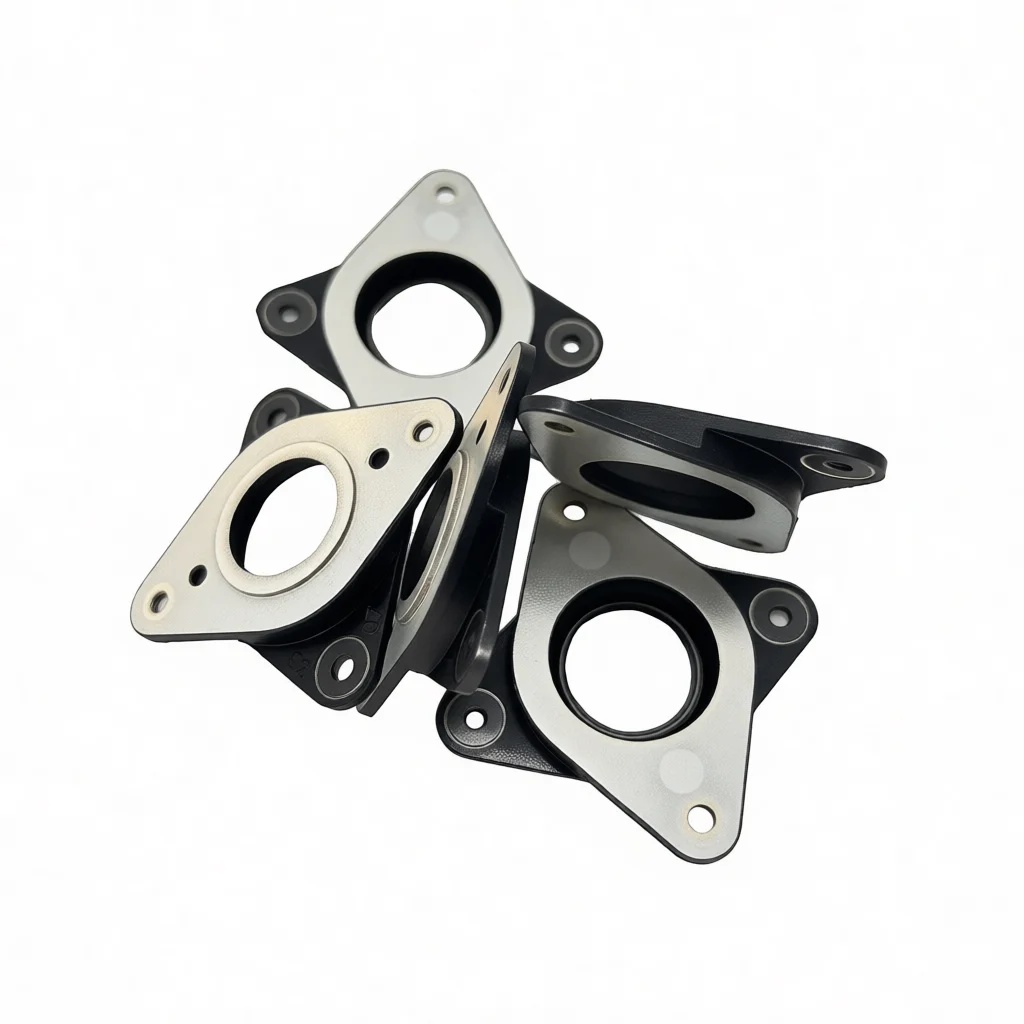
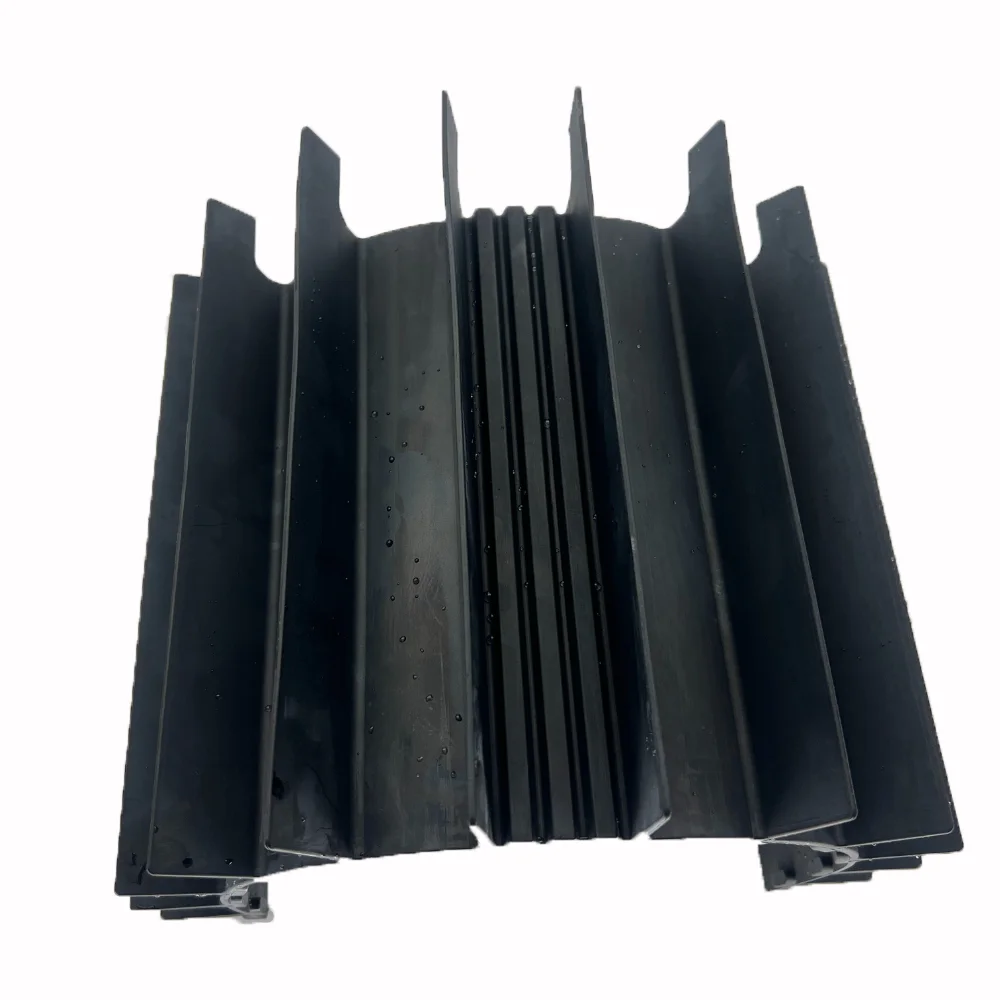
A modern example of a halogen-free, flame-retardant vibration damper.
Product Specification Snapshot: Halogen-Free Flame-Retardant Vibration Damper
Feature | Specification / Benefit |
Product Material | IIR + Aluminum Foil |
Flame Retardancy | UL94 V0 (self-extinguishing) |
Halogen-Free | Yes (reduced toxic fumes) |
Damping Performance | Damping Factor ≥ 0.2 (effective vibration reduction) |
Adhesion Strength | Strong (reliable attachment) |
Environmental Compliance | RoHS Compliant |
Additional Properties | Moisture-Proof & Anti-Aging (long service life) |
Typical Industries | Automotive, HVAC, Electronics, Construction, Marine, Aerospace |
Applications and Real-World Impact
Where are these advanced dampers making a difference? Everywhere, actually!
· Automotive: Reducing cabin noise and vibration, improving ride comfort, and crucial for electric vehicles where every little sound is amplified. Plus, fire safety in a crash is paramount.
· HVAC Systems: Minimizing operational noise and vibration from fans, compressors, and ducts in commercial and residential buildings.
· Electronics & Appliances: Protecting sensitive components from operational vibrations, extending product life, and ensuring quiet performance for consumers.
· Construction: Used in building structures, machinery mounts, and flooring to mitigate structure-borne noise and vibration.
· Marine & Aerospace: Critical for passenger comfort and structural integrity in environments with constant vibration.
The advantage of a fire-retardant rubber damper RoHS compliant material in these scenarios isn't just about performance, it's about safety and peace of mind. Think about an electronics enclosure in a data center – fire safety is non-negotiable, and minimizing toxic fumes in the event of a fire is just as critical for first responders.
Navigating the Vendor Landscape and Customization
When it comes to sourcing these specialized materials, it's not a one-size-fits-all world. Many reputable vendors offer various formulations and configurations. The key is to look for manufacturers with strong R&D capabilities, comprehensive testing, and transparent certifications. Customization is also huge; a good supplier should be able to tailor dimensions, thicknesses, and even specific damping characteristics to your unique application.
Generic Vendor Comparison (Attributes)
Attribute | Vendor A (e.g., Focus on Automotive) | Vendor B (e.g., Focus on Electronics) | Vendor C (e.g., General Purpose) |
UL94 V0 Cert. | Yes, for most products | Primarily on thinner gauges | Available, check specific product |
RoHS Compliance | Standard | Standard | Standard |
Halogen-Free | Yes, wide range | Yes, specialized | Limited selection |
Customization | Extensive (shapes, sizes) | Moderate (thickness, die-cut) | Basic (sheets, rolls) |
Damping Factor (typical) | ≈ 0.2 to 0.4 | ≈ 0.25 to 0.35 | ≈ 0.15 to 0.3 |
Pricing | Mid-to-High | Mid-to-High | Low-to-Mid |
The Future is Quiet and Clean
In conclusion, the evolution of materials like the environmentally friendly vibration absorber, halogen-free vibration isolator UL94 V0, fire-retardant rubber damper RoHS compliant isn't just a technical achievement; it represents a commitment to a safer, more sustainable industrial future. It's about engineering solutions that meet performance demands without compromising health or environmental integrity. This trajectory is, without a doubt, a positive one, and I'm excited to see where these innovations take us next.
Authoritative Citations
1. Underwriters Laboratories (UL). "UL 94, the Standard for Safety of Flammability of Plastic Materials for Parts in Devices and Appliances Testing."
2. European Union. "Directive 2011/65/EU on the restriction of the use of certain hazardous substances in electrical and electronic equipment (RoHS 2)."
3. ASM International. "ASM Handbook, Volume 16: Engineered Materials Handbook, Volume 20: Materials Selection and Design."
As someone who's spent years in the materials science and manufacturing sectors, I've seen a lot of trends come and go. But one shift that truly excites me, and frankly, is long overdue, is the industry's pivot towards more sustainable and safer materials.