

 Select Language
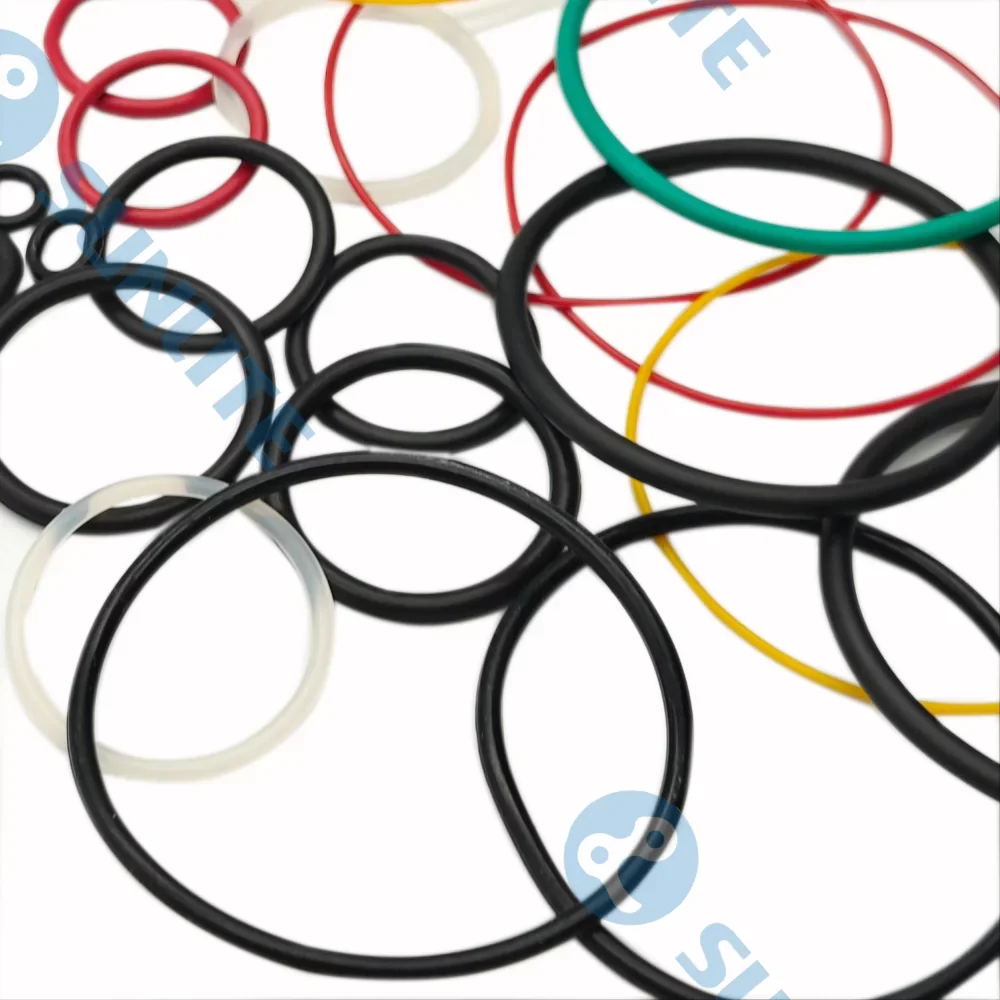
You know, it’s funny how often the smallest components can make or break an entire system. Take O-rings, for instance. Most people probably don’t give them a second thought, but in the world of engineering and manufacturing, selecting the right one is absolutely critical. We're not just talking about any old rubber band here; we're diving into precision sealing, whether it's for extreme environments or sensitive applications.
Today, I want to pull back the curtain a bit and explore the nuances of choosing the perfect seal. We'll look at everything from the robust high pressure o-ring to the squeaky-clean FDA grade o-ring, and even the resilient weather resistant o ring. Honestly, understanding these distinctions can save you a ton of headaches down the line. Because, let's face it, a failed rubber o-ring seal isn't just an inconvenience; it can mean costly downtime, safety hazards, or even product recalls.
The Pressure's On: High-Performance Seals
When you're dealing with immense forces, a standard O-ring just won't cut it. A high pressure o-ring needs to withstand incredible internal or external pressures without deforming, extruding, or failing. We're talking about applications in hydraulic systems, aerospace components, and heavy industrial machinery where even a tiny leak could be catastrophic. Material selection here is paramount – usually, denser compounds with high tensile strength and compression set resistance are preferred. Sometimes, a backup ring is even necessary to prevent extrusion at extreme pressures, an interesting design challenge in itself!
Cleanliness is Next to Godliness: FDA Grade Seals
Now, shift gears completely to environments where purity is non-negotiable. Think food processing, pharmaceutical manufacturing, or medical devices. Here, the FDA grade o-ring steps into the spotlight. These aren't just "cleaner" versions of regular O-rings; they are manufactured from materials that meet stringent FDA regulations for direct contact with food and drugs. This means no leaching of harmful chemicals, no bacterial growth promotion, and often, specific traceability requirements. It's a whole different ballgame, requiring specific compounds like certain silicones, EPDM, or even some specialized fluorocarbons.
Braving the Elements: Weather Resistant Solutions
Ever notice how some rubber products crack and degrade when left outside? That's typically due to UV radiation, ozone exposure, and extreme temperature fluctuations. For outdoor applications, a robust weather resistant o ring is absolutely essential. These seals are engineered to maintain their integrity and sealing force through harsh conditions. Think about seals for outdoor lighting, agricultural equipment, or even solar panels – they need to perform flawlessly, come rain or shine, snow or scorching heat. Materials like EPDM and certain types of neoprene really shine here, offering excellent resistance to ozone and UV.
The Workhorse: Understanding Your Rubber O-Ring Seal Material
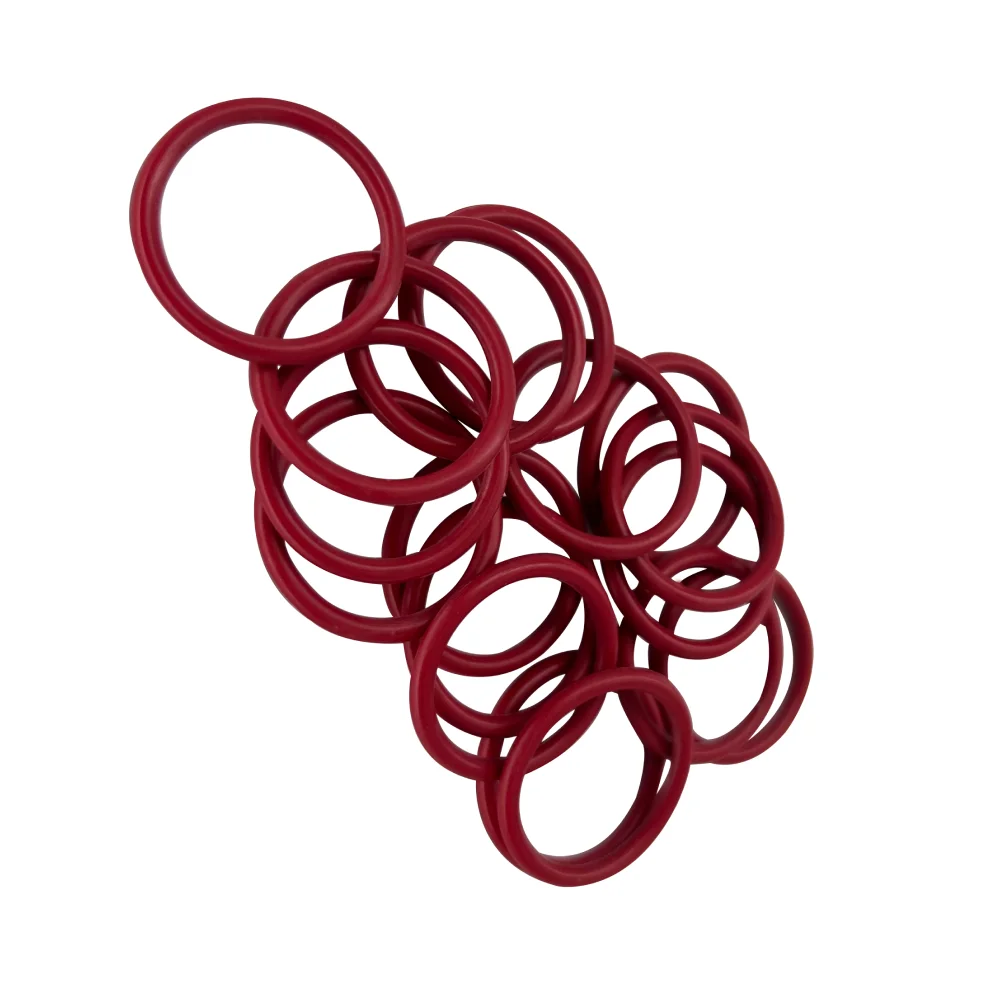
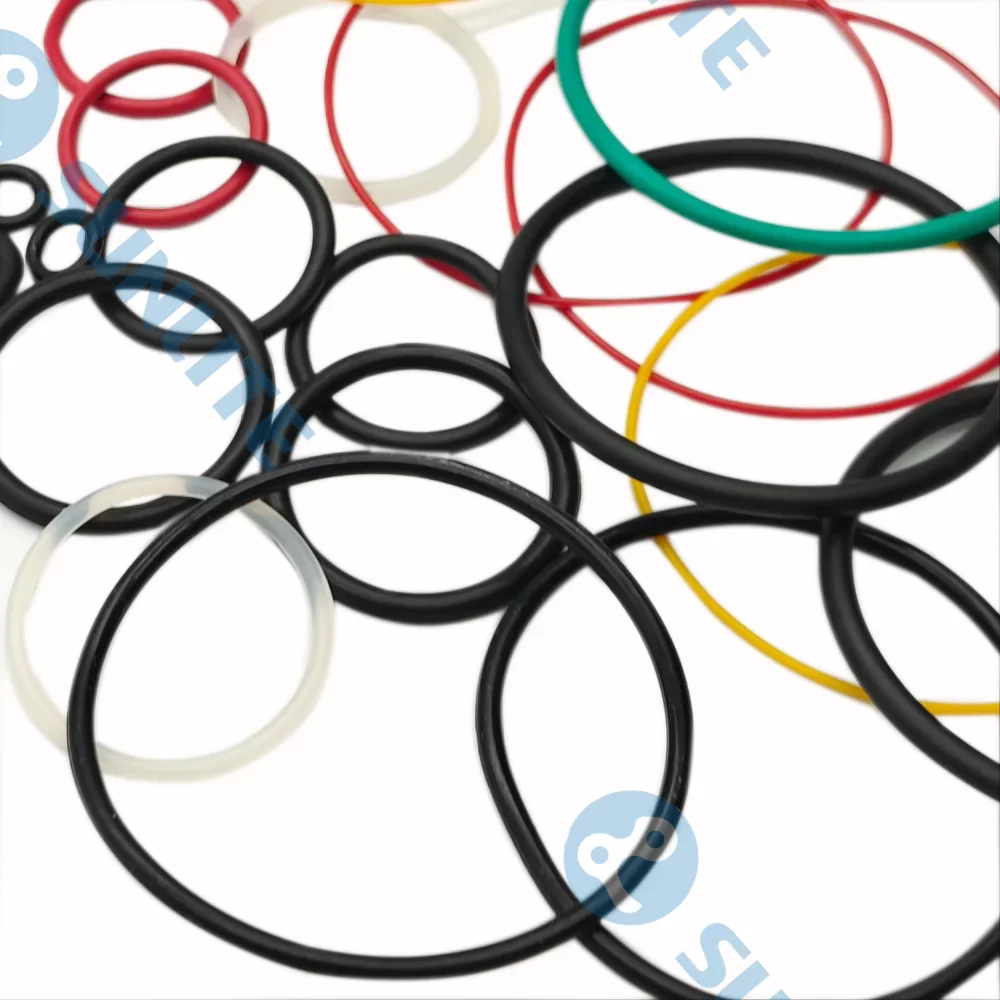
At its core, every seal is a rubber o-ring seal, but the "rubber" part is where the real magic (and science!) happens. The material choice is, in my opinion, the single most critical decision. This is where a fantastic material like AEM (ethylene-acrylic ester rubber) comes into play. It's a synthetic rubber material that, frankly, punches above its weight. It boasts impressive high temperature resistance, oil resistance, and even decent low temperature performance. Manufacturers are increasingly turning to AEM for high-performance sealing scenarios because it can maintain stability from -40℃ all the way up to 175℃ long-term, and surprisingly, can even handle short bursts at 200℃!
AEM: A Closer Look at Performance
Its oil heat resistance is, believe it or not, better than NBR and quite comparable to FKM, which is a big deal in many automotive and industrial settings. Plus, it maintains excellent elasticity and anti-aging properties. This is why you see it so widely used in engines, transmissions, hydraulic seals, and even refrigerant seals.
Just to give you a quick rundown of what makes AEM so robust, here are some key performance indicators:
AEM O-Ring Performance Snapshot | |
Characteristic | Performance Index |
Temperature Resistance | -40℃ to 175℃ (long-term), up to 200℃ (short-term) |
Oil Resistance (ASTM #3 oil) | Volume change <10%, hardness change <5 (after 150℃×70h) |
Compression Set | ≤25% (150℃×22h) |
Tensile Strength | ≥10MPa |
Elongation at Break | ≥200% |
Refrigerant Resistance | No cracks/failure after 500h in R134a @ 120℃ |
Environmental Compliance | RoHS, REACH, PAHs, TSCA, PFAS compliant |
Applications: Where These Seals Really Shine
The versatility of modern O-rings, especially those made from advanced materials like AEM, is truly impressive. We're talking about them showing up in:
· Automotive Industry: Think engine fuel systems (preventing leaks!), hydraulic brake systems (safety first!), cooling system connections, and AC compressor seals. AEM is fantastic for engine oil seals, turbocharger pipes, and AT transmission seals.
· Industrial Field: Hydraulic system sealing rings, hydraulic cylinder gaskets, refrigerant compressor seals – basically anywhere you need reliable sealing under pressure or temperature.
· Aerospace: Aviation fuel system seals and high-temperature oil product seals around aero-engines. When you're 30,000 feet up, failure isn't an option.
· New Energy: Increasingly, heat-resistant oil cooling seals in electric drive systems, which are becoming more common.
Many customers say that choosing the right material dramatically increases service life, cutting down on maintenance costs.
Choosing Your Custom O-Ring Manufacturer
So, how do you pick the right partner when you need a custom o-ring manufacturer? It's not just about price, believe me. You need expertise, proven quality, and a vendor who understands your specific application challenges. Below is a little table I put together to help frame your thinking when comparing suppliers.
Vendor Comparison Checklist (Key Considerations) | ||
Feature | Vendor A (Hypothetical) | Vendor B (Hypothetical) |
Material Expertise | Strong in common rubbers, less in specialty | Extensive knowledge, including AEM, FKM, FFKM |
Customization Capabilities | Standard sizes, some custom tooling | Full custom design, material compounding |
Certifications (e.g., ISO, FDA) | ISO 9001 | ISO 9001, AS9100, specific FDA approvals |
Testing & QA Process | Basic QC checks | Comprehensive in-house testing, full traceability |
Lead Times | Around 4-6 weeks for custom | Flexible, often 2-4 weeks for custom, express options |
Technical Support | Responsive but limited design input | Deep engineering support, material selection guidance |
The Bottom Line
Honestly, the world of O-rings is far more intricate than it appears on the surface. Whether you're spec'ing a high pressure o-ring for a hydraulic pump, needing an FDA grade o-ring for a medical device, or seeking a weather resistant o ring for outdoor equipment, the devil is truly in the details. Material science, rigorous testing, and choosing the right rubber o-ring seal manufacturer are all pieces of the puzzle. It seems that investing a little more time upfront in material selection and vendor vetting really pays off in the long run.
Thanks for sticking with me on this dive into the often-overlooked but utterly essential world of O-rings!
Authoritative References
1. ASTM International Standards (various on rubber testing)
2. U.S. Food and Drug Administration (FDA) – Food Contact Substances
3. SAE International Standards (for automotive and aerospace applications)
You know, it’s funny how often the smallest components can make or break an entire system.