

 Select Language
 Flat Rubber Seal Ring: The Unsung Hero of Industrial Sealing Solutions
In our increasingly interconnected world, where machines, pipelines, and devices demand airtight, leak-proof seals, the humble flat rubber seal ring quietly works behind the scenes. Often overlooked, this little component plays a crucial role in industries across the globe, ensuring reliable performance, safety, and longevity of equipment.
Understanding what a flat rubber seal ring is and why it matters can unlock better choices in manufacturing, construction, and even humanitarian operations. So, let’s dive into the world of these essential sealing elements, learn about their global impact, and unravel the benefits they carry beyond the obvious.
Why Flat Rubber Seal Rings Matter on a Global Scale
The global machinery and fluid transport industries are gigantic. According to the International Organization for Standardization (ISO), the sealing solution market is projected to grow steadily as demand increases for equipment reliability and sustainability. From petrochemical plants in the Middle East to water treatment facilities in Europe and emerging manufacturing hubs in Asia, the flat rubber seal ring ensures everything “stays put” — fluids, gases, or contaminants.
Moreover, in disaster relief efforts coordinated by international agencies, sealing solutions help create temporary shelters and water purification systems that depend on tight, durable seals to function correctly. Despite its small size, the flat rubber seal ring directly influences the integrity of critical infrastructure worldwide.
But here’s the catch: failing seals can cause costly downtime, environmental hazards, and safety risks. This makes the choice of sealing solutions a challenge every engineer, buyer, and designer faces daily.
Defining the Flat Rubber Seal Ring
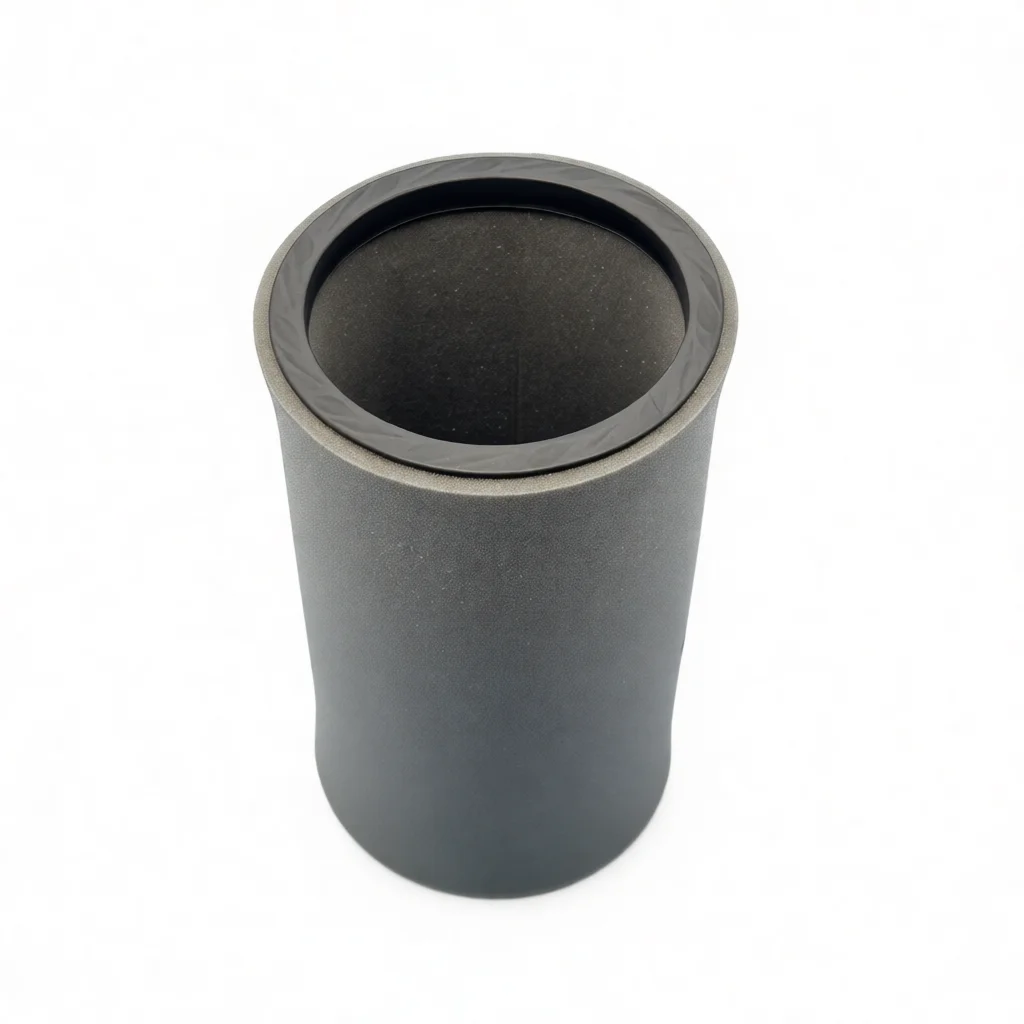
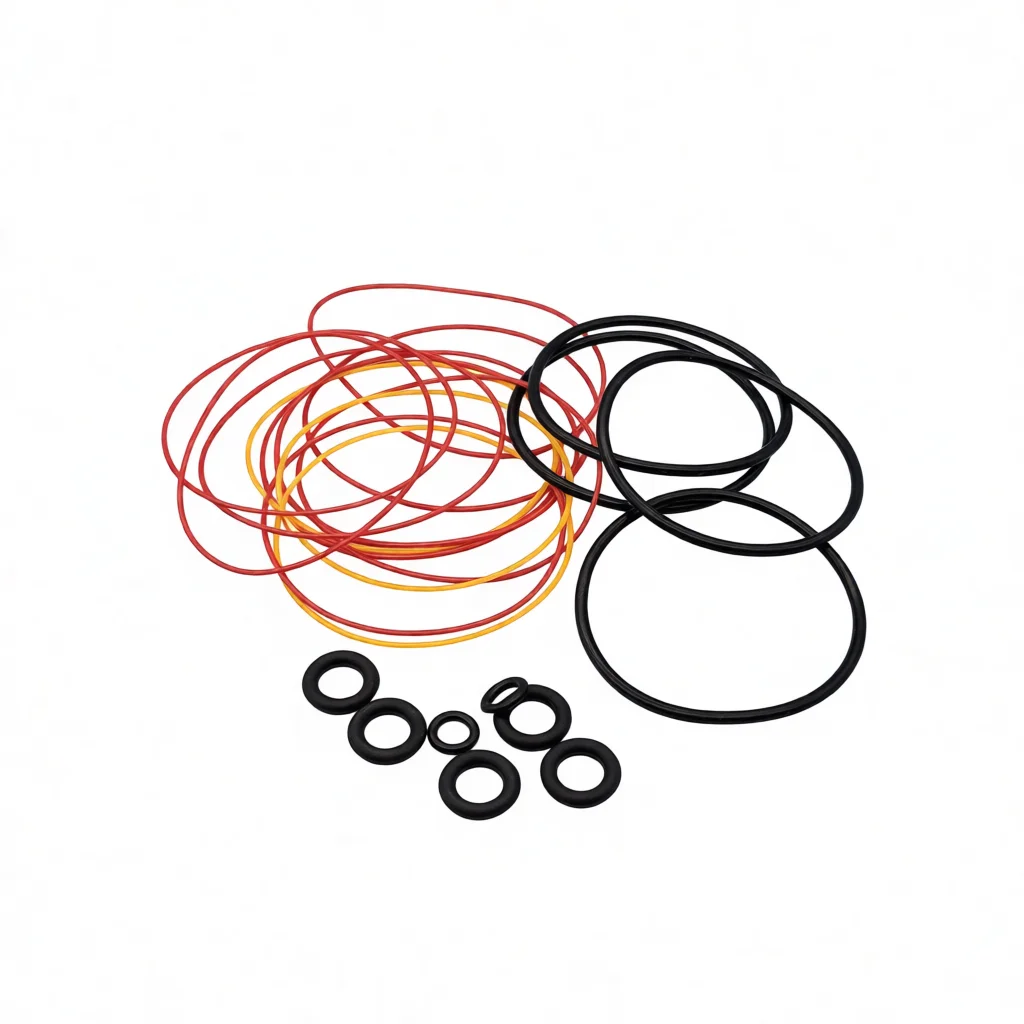
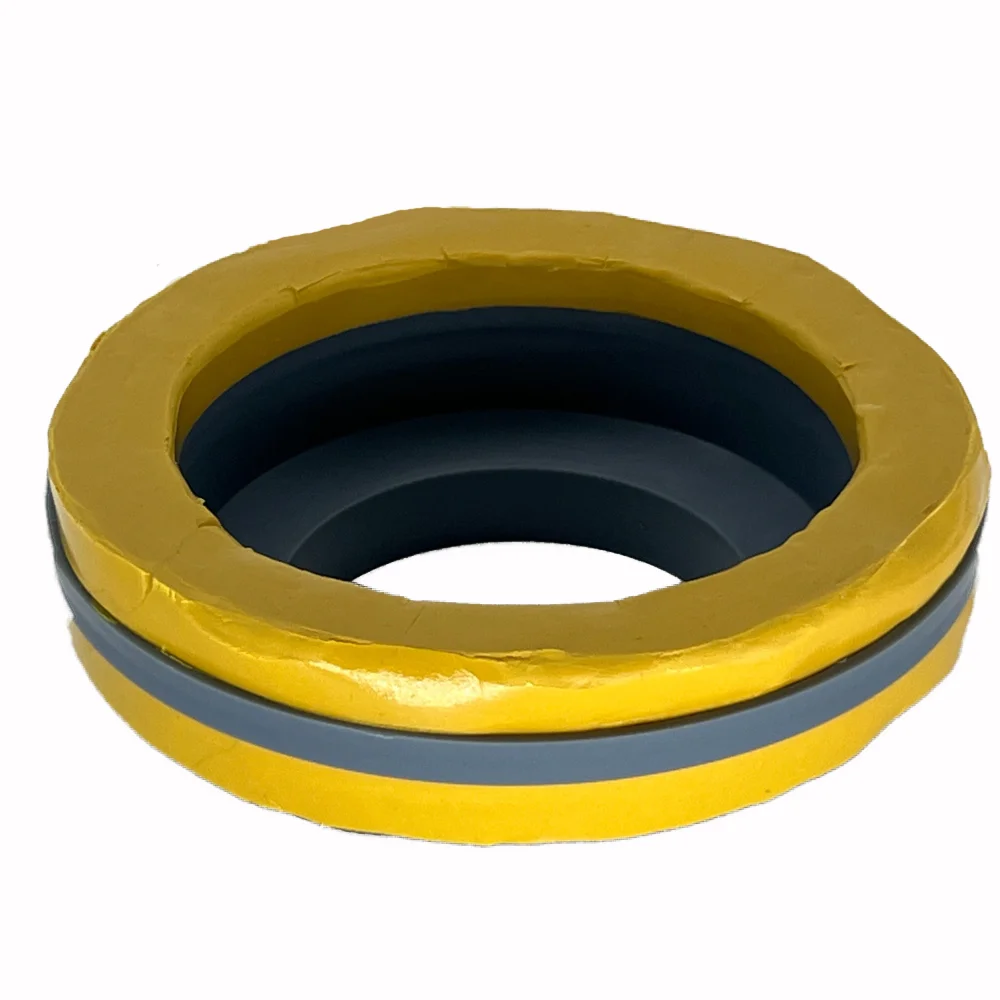
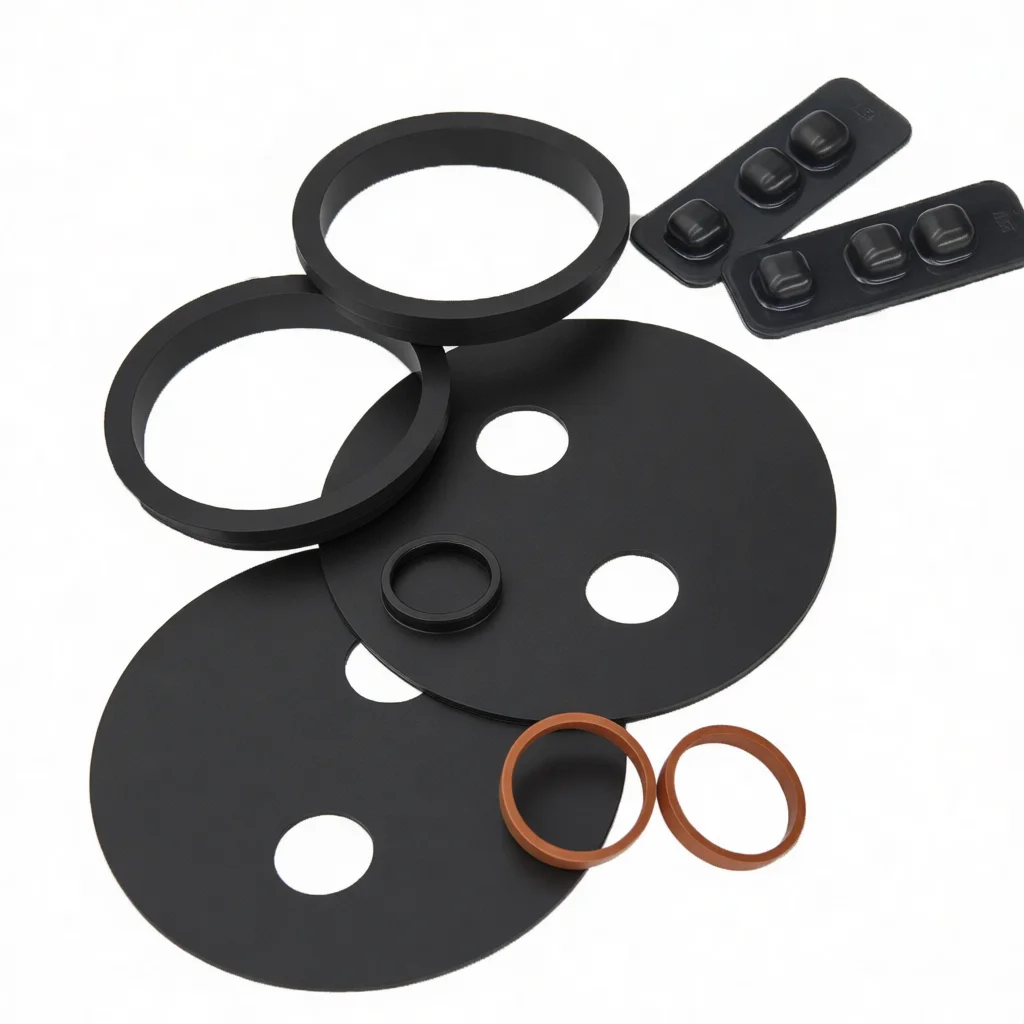
Simply put, a flat rubber seal ring is a ring-shaped gasket crafted from elastomeric material — usually some variety of rubber — designed to sit flat between two surfaces and prevent leaks. Unlike O-rings, which have a circular cross-section, flat rings have a rectangular or flat cross-section that fits snugly in grooves or between flanges.
Its elasticity allows the flat rubber seal ring to compress, conforming to irregularities on mating surfaces and maintaining a consistent barrier against liquids or gases. It’s a fundamental component in piping joints, hydraulic systems, automotive assemblies, and even medical devices.
The flat rubber seal ring’s simple design conceals a sophisticated role: it is a guardian of operational safety and environmental responsibility.
Core Qualities of Flat Rubber Seal Rings
Durability
One of the key strengths of these seals is their ability to resist wear over time. Many engineers I spoke with swear by silicone or EPDM rubber rings for harsh chemical or temperature environments, while others prefer nitrile for oil resistance. The ability to withstand repeated compression cycles without cracking or deforming ensures long service life.
Material Compatibility
The choice of rubber compound depends heavily on the targeted application. Whether exposed to saltwater, acids, oils, or extreme temperatures, the right flat rubber seal ring material can make or break performance. Material science advancements, such as fluorocarbon rubbers, have expanded these options significantly.
Cost-Effectiveness
Flat rubber seal rings are comparatively inexpensive components but have outsized impact on system performance. They reduce downtime, maintenance needs, and can prevent disastrous leakages that would cost far more than their price tag.
Ease of Installation and Customization
The flat shape makes installation straightforward even for less skilled technicians, reducing errors that sometimes accompany springier O-rings. Custom sizes and thicknesses are also readily available, enabling precise fit in bespoke assemblies.
Resilience to Environmental Factors
Many suppliers now offer seals rated for UV resistance and ozone exposure, ensuring their functionality outdoors or in solar power infrastructure — an increasingly important sector globally.
Worldwide Applications: Where Flat Rubber Seal Rings Shine
These seals pop up in surprising places:
- Water Treatment Plants: To keep pipes and filtration systems leak-free, crucial for safe drinking water supplies.
- Oil & Gas Industry: Where leak prevention is critical for safety and environmental protection.
- Automotive Manufacturing: For engine gaskets, fuel systems, and HVAC units.
- Construction & Infrastructure: In HVAC ducts, piping flanges, and machinery housings.
- Disaster Relief: Temporary shelters and water purification setups use sealed joints to guarantee function under tough conditions.
Oddly enough, the versatility of the flat rubber seal ring means it’s everywhere but seldom noticed — kind of like the small nuts and bolts that keep a watch ticking.
Advantages and the Long Game
Frankly, the benefits spread beyond immediate sealing:
- Reliability: Reduces unscheduled maintenance, which in turn lowers operational costs dramatically.
- Sustainability: Durable seals mean less waste and reuse potential, aligning with ISO environmental guidelines.
- Safety: Minimizes hazardous leaks, protecting workers and ecosystems.
- Cost Savings: Efficient manufacturing and installation lower total ownership costs.
From an emotional standpoint, systems that run without leaks build trust — whether it’s a refinery operator or a humanitarian aid worker relying on clean water systems in remote areas.
Product Specification Table
| Specification | Typical Range | Notes |
|---|---|---|
| Material | Nitrile, EPDM, Silicone, Fluorocarbon | Chosen per chemical/temperature resistance needs |
| Thickness | 1 mm – 10 mm | Customizable |
| Inner Diameter | 5 mm – 1000 mm | Based on application |
| Operating Temperature | -50°C to 230°C | Varies with rubber type |
| Pressure Tolerance | Up to 30 bar | Dependent on thickness and fit |
Comparing Popular Flat Rubber Seal Ring Vendors
| Vendor | Material Options | Custom Sizes | Lead Time | Price Range |
|---|---|---|---|---|
| SunliteTek | Nitrile, EPDM, Silicone | Yes | 1-2 weeks | $$ |
| SealPro Inc. | Nitrile, Fluorocarbon | Limited | 3-4 weeks | $$$ |
| GlobalSeal | EPDM, Silicone | Yes | 2-3 weeks | $ |
Emerging Trends and the Path Ahead
The industry is slowly embracing greener, bio-based rubber compounds to reduce reliance on petroleum ingredients. Also, digital modeling tools help engineers simulate seal deformation, accelerating design optimization.
Automation lines are now incorporating in-line testing to detect faulty seals before assembly, reducing waste and improving quality. And with the rise of renewable energy installations — say, geothermal or solar plants — the demand for seals resistant to new chemical and temperature profiles is growing.
Policies pushing sustainability standards also drive innovations toward longer-lasting, recyclable sealing rings, so keep an eye on companies that invest in R&D here.
Common Challenges & How to Tackle Them
Flat rubber seal rings, despite their advantages, face limitations:
- Material Degradation: Exposure to ozone or harsh chemicals can cause cracking. Solution? Specify correct rubber compounds and inspect regularly.
- Installation Errors: Improper fitting can lead to leaks. Training installers and using design aids help mitigate this.
- Temperature Constraints: Not all rubbers handle extreme heat well. Engineers often select silicone or fluorocarbon variants when this is a concern.
There’s no magical fix, but knowledge and precision go a long way.
FAQ: Your Questions About Flat Rubber Seal Rings
- Q: What distinguishes a flat rubber seal ring from an O-ring?
A: While an O-ring has a round cross-section, a flat rubber seal ring is flat and sits between surfaces, often used for flange joints. Its flat profile provides a larger sealing surface, suited for different mechanical stresses. - Q: How do I know which rubber material to choose?
A: Selecting rubber depends on exposure conditions: temperature, chemicals, UV, and pressure. Consulting material compatibility charts or vendor specs is essential for safe selection. - Q: Can flat rubber seal rings be reused?
A: Usually, reusing seals is discouraged because compression can cause permanent deformation, leading to leaks. It's best to replace seals at every maintenance cycle. - Q: Are custom sizes available for specific machinery?
A: Absolutely. Most reputable vendors, including SunliteTek, offer custom fabrication to accommodate unusual dimensions or thicknesses.
Wrapping It Up: Why Flat Rubber Seal Rings Still Matter
In real terms, the flat rubber seal ring might seem a tiny part in a large machine, but it holds a big responsibility for operational success and environmental safety worldwide. From factories humming 24/7 to relief camps in the aftermath of crises, these seals protect lives, investments, and the planet.
If you haven’t looked into your sealing solutions lately, maybe it’s time. Visit our website: www.sunlitetek.com for tailored, high-quality flat rubber seal rings and expert advice you can trust. Because every seal counts.
Mini Takeaways:
- Flat rubber seal rings are vital for leak-proof seals in many industries worldwide.
- Choosing the right material ensures safety, durability, and efficiency.
- Emerging trends focus on sustainability, innovation, and customization.
- Proper installation and maintenance are as important as product quality.
References:
Flat Rubber Seal Ring: The Unsung Hero of Industrial Se […]