

 Select Language
 Understanding the Rubber O Ring Gasket: Small Part, Big Role
In the vast web of industrial components, the rubber o ring gasket might seem modest at first glance — just a simple loop of rubber. Yet, this small, circular seal quietly holds together countless systems that keep machinery tight, fluids contained, and operations running smoothly worldwide. If you’ve ever wondered how engines, pipelines, or even everyday household appliances avoid leaks and maintain pressure, chances are good the trusty rubber o ring gasket is involved.
Why does this tiny component matter globally? Well, it’s an unsung hero in energy infrastructure, manufacturing, automotive, aerospace, and even humanitarian aid technologies. Understanding its materials, design, and applications gives engineers and procurement teams the upper hand in reliability, cost control, and sustainability. Let me take you on a semi-technical journey through its vital world.
Global Context: Why Rubber O Ring Gaskets Matter Beyond Borders
Globally, the sealing components market was valued at over $10 billion in 2023, with rubber seals representing a significant slice. According to ISO standards and industrial reports, sealing solutions like rubber o rings reduce maintenance downtime by roughly 20%, which is huge for industries from oil & gas to water treatment.
Consider this: the World Bank estimates infrastructure inefficiencies from fluid leaks cost developing countries billions annually. In harsh environments — from the oil rigs in the North Sea to remote water pumps in parts of Africa — the rubber o ring gasket’s role in preventing leaks, contamination, and equipment failure is critical.
But a challenge remains. Not all rubber o rings are created equal. Selecting the wrong material or design can lead to costly failures or environmental hazards. Hence, understanding these components is a practical step toward global sustainability and industrial resilience.
What Exactly is a Rubber O Ring Gasket?
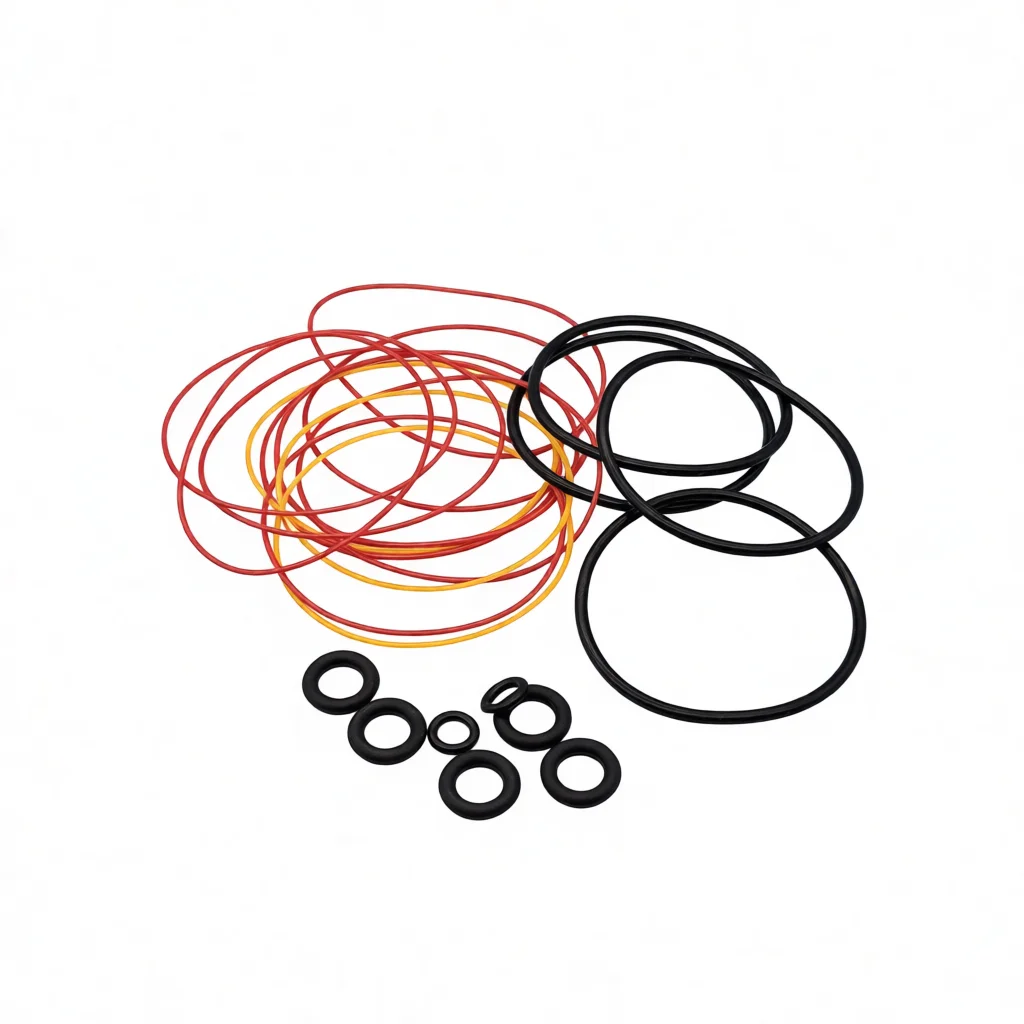
Simply put, a rubber o ring gasket is a doughnut-shaped sealing device made of elastic rubber material designed to fit into a groove and compress during assembly, forming a tight seal between two or more parts.
Its simplicity is deceptive. Despite its basic shape, it can withstand pressures, temperature variations, and chemical exposures that would damage other parts. In industry terms, it’s a primary sealing technology to prevent fluid or gas leaks.
On the humanitarian or industrial front, rubber o ring gaskets enable water purification systems to be leak-proof, ensuring safe drinking water even in post-disaster relief operations — a sobering reminder of how tech and compassion intersect.
Core Components and Key Factors of Rubber O Ring Gaskets
1. Material Quality and Composition
The rubber base — often nitrile (NBR), EPDM, silicone, or fluorocarbon (Viton) — determines a gasket’s ability to resist oils, heat, or corrosive chemicals. For example, silicone excels in extreme temperatures but fares poorly with oils.
2. Durability and Compression Set
Durability is about the material retaining shape under pressure. A gasket’s compression set tells you how well it “bounces back” after being squeezed — critical for repeated sealing cycles. Low compression set means longer lifespan.
3. Size and Tolerance Precision
Even a tiny mismatch in diameter or thickness can lead to leaks. Manufacturing tolerances here are tight, often within microns, underscoring the need for precision.
4. Resistance to Environmental Factors
UV exposure, ozone, water, or chemical attacks can all degrade standard rubber. Specialized compounds protect against these, ensuring the gasket holds firm in outdoor and industrial settings.
5. Cost Efficiency and Availability
While natural rubber can be cheap and widely available, certain synthetic rubber variants cost more but offer significant performance benefits. Balancing cost and performance is key.
Mini takeaway:
Simply put, when selecting a rubber o ring gasket, engineers juggle elasticity, chemical resistance, durability, and cost — like picking the right kind of running shoe for your terrain. It all depends on the job.
Real-World Applications: From Oil Wells to Remote Clinics
Rubber o ring gaskets have a multifaceted presence:
- Oil & Gas Industry: High-pressure valves and pumps rely on Viton-based o rings withstanding heat and aggressive chemicals.
- Automotive Engines: Sealing coolant systems, fuel lines, and air conditioning units where vibration is constant.
- Water Purification Units: Ensuring leak-proof seals in filters used by NGOs during humanitarian missions.
- Aerospace: Specialized silicone or fluorocarbon rings help maintain cabin pressure and protect fuel systems.
- Home Appliances: Washing machines and coffee makers also use small rubber o rings — though the performance bar is lower, cost-effectiveness matters.
In sub-Saharan Africa, for example, NGOs rely on durable rubber o ring gaskets in solar-powered water pumps. These pumps face rough weather and inconsistent maintenance, so gasket quality directly impacts water access for thousands.
Basic Specification Table of a Typical Rubber O Ring Gasket
| Feature | Typical Values | Remarks |
|---|---|---|
| Material | Nitrile (NBR), Silicone, Viton | Depends on application |
| Inner Diameter | 2 mm – 300 mm | Custom sizes available |
| Cross-Section Diameter | 1.5 mm – 10 mm | Thickness influences sealing force |
| Temperature Range | -40°C to 200°C | Varies by rubber type |
| Pressure Resistance | Up to 50 MPa | Critical for high-pressure systems |
Comparing Top Rubber O Ring Gasket Vendors
| Vendor | Material Options | Custom Sizing | Price Range | Lead Time |
|---|---|---|---|---|
| RubberPro Co. | NBR, Viton, EPDM | Yes | $$$ | 2-3 weeks |
| SealTech Industries | Silicone, NBR | Limited | $$ | 1-2 weeks |
| Global Seal Solutions | Viton, EPDM | Yes | $$$$ | 3-4 weeks |
The Advantages & Long-Term Value of Rubber O Ring Gaskets
To put it plainly: these little rings bring a whole lot of value, sometimes invisible but deeply felt.
- Cost Savings: By reducing leaks and downtime, they cut operating expenses and maintenance frequencies.
- Reliability: Trusted predictable performance even in harsh environments.
- Sustainability: High-quality seals mitigate environmental contamination via reduced leaks — a win-win.
- Safety & Trust: Fail-proof seals mean equipment operates safely, gaining user confidence.
Engineers often tell me that selecting the right gasket feels like “investing in peace of mind,” which is just about perfect wording.
Future Trends & Innovations Shaping Sealing Technology
Oddly enough, such a traditional element like the rubber o ring gasket is seeing fresh waves of innovation:
- Advanced Materials: Bio-based rubbers and nanocomposites to improve lifespan and environmental profile.
- Smart Seals: Sensors embedded in gaskets to detect wear or leaks in real-time.
- Digital Manufacturing: 3D printing and CNC machining for ultra-precise, custom-fit rings.
- Green Energy Applications: Seals optimized for hydrogen fuel cells and renewable energy equipment.
It kind of feels like this humble gasket is gearing up for a starring role in the future industrial landscape.
Common Challenges & How to Overcome Them
Despite their strengths, rubber o ring gaskets do face hurdles:
- Material Degradation: UV exposure, ozone, or harsh chemicals can cause brittleness over time — solved by special compound formulations or protective coatings.
- Improper Sizing or Installation: Even minute errors cause leaks. Training and quality assurance ensure correct fitting.
- Cost-Performance Tradeoffs: Low-cost rings might save money upfront but cost more in failures. Balance is key.
Many advanced manufacturers provide testing certifications (like ASTM or ISO) and material certifications to give buyers peace of mind.
FAQ: Quick Answers About Rubber O Ring Gaskets
- What types of rubber are best for high-temperature sealing?
- Materials like Viton and Silicone withstand higher temperatures (up to 200°C and beyond). Nitrile is better for oil resistance but has lower temperature limits.
- How can I ensure the rubber o ring gasket fits perfectly?
- Accurate measurement tools, tolerance adherence, and sometimes custom manufacturing help achieve a perfect fit. Don’t forget to factor in compression.
- Are rubber o ring gaskets reusable?
- Generally, no. Once compressed and exposed to pressure or heat, their sealing properties degrade. It’s best practice to replace them during maintenance.
- Can rubber o ring gaskets be used in potable water systems?
- Yes, but materials need to be food-grade and certified safe for drinking water contact, like certain EPDM or silicone compounds.
- How do environmental factors affect gasket lifespan?
- Exposure to ozone, UV, and chemicals accelerates aging and cracking. Protection via coatings or selecting appropriate materials extends life.
Wrapping It Up: The Unsung Hero of Industrial Reliability
So, next time you think “gasket,” remember the rubber o ring gasket isn’t just a simple rubber ring. It’s a critical, carefully engineered component that quietly delivers safety, performance, and peace of mind across countless industries worldwide. The future looks bright, with smarter materials and technology ensuring these rings keep sealing tighter than ever.
Want to explore quality rubber o ring gasket solutions for your next project? Visit our website to discover product lines, specs, and consultations tailored to your needs.
References
Understanding the Rubber O Ring Gasket: Small Part, Big […]