Select Language
 Understanding Large Diameter Rubber O Rings: Why They Matter Globally
At first glance, an o ring might seem like just a tiny component — a humble rubber circle you barely notice. But when you’re talking about large diameter rubber o rings, it’s a different story. These are critical components spanning industries from automotive to aerospace and even humanitarian efforts such as water purification systems in developing regions. Their effective sealing can mean the difference between operational success and catastrophic failure. Understanding these large-scale seals — how they work, where they're used, and why they’re vital globally — is surprisingly important.
Large diameter rubber o rings are essential because they ensure tight seals in the most demanding applications. With global industrial growth, infrastructure projects, and rising environmental standards, their role has never been bigger. Plus, they help save resources by preventing leaks and energy loss. But what makes these large seals tick? Let’s unpack that.
The Global Context of Large Diameter Rubber O Rings
According to ISO industrial standards, sealing technology is a critical pillar in maintaining equipment efficiency across sectors. The World Bank reports over 70% of global industrial equipment failures relate to poor sealing systems. Large diameter rubber o rings occupy a vital niche here — their size allows them to seal large pipes, valves, and heavy machinery where smaller seals just won’t cut it.
Industries like oil and gas, water treatment, and renewable energy increasingly rely on durable, scalable sealing technology to meet strict environmental regulations and improve sustainability. The global market for sealing products, including o rings, was valued at roughly $4.8 billion in 2023, and large diameter versions form a significant segment. Their ability to withstand extreme pressures and temperatures is crucial.
But it’s not just industry. In humanitarian and infrastructure development zones, durable large diameter seals ensure the integrity of water and sanitation systems. Think about flood-prone areas where reliable seals keep wastewater contained and drinking water safe. The challenge? Manufacturing these large rings to precise specs while balancing cost and material performance.
What Exactly Are Large Diameter Rubber O Rings?
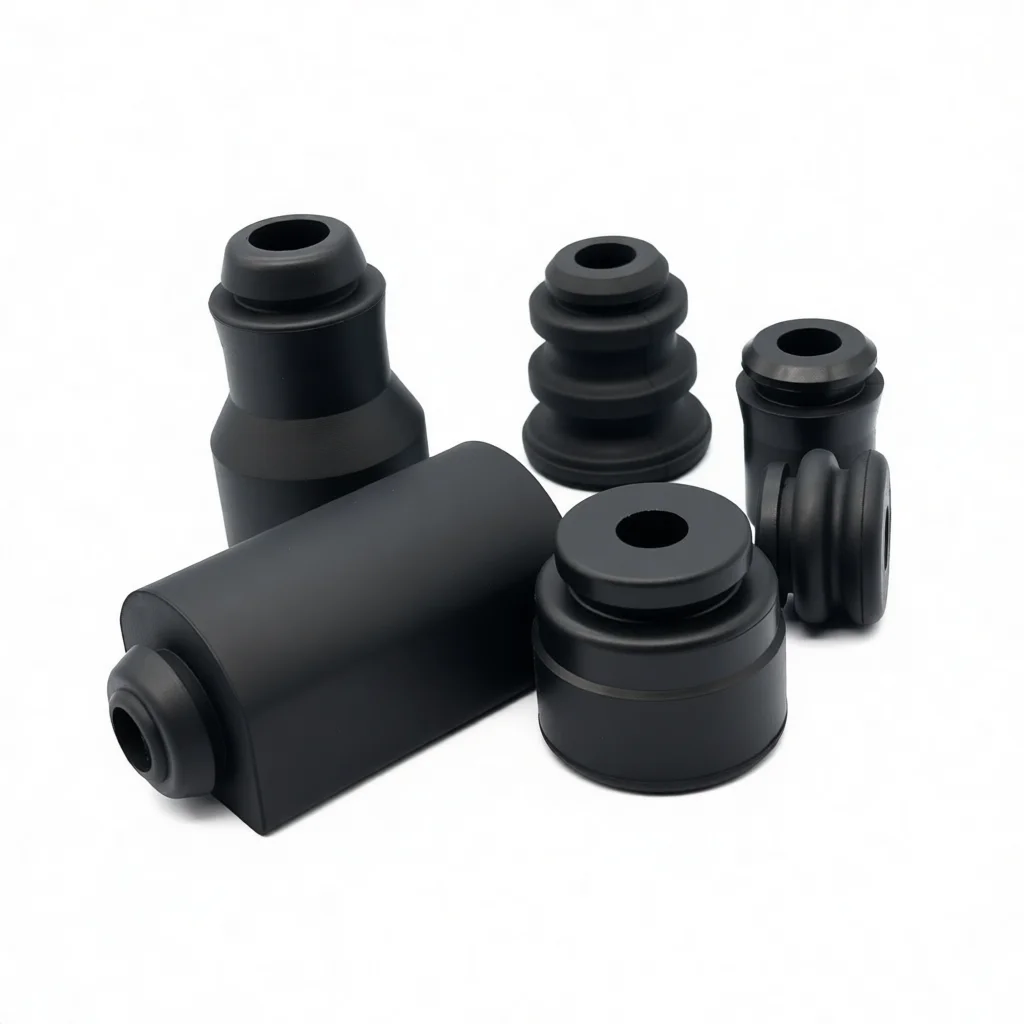
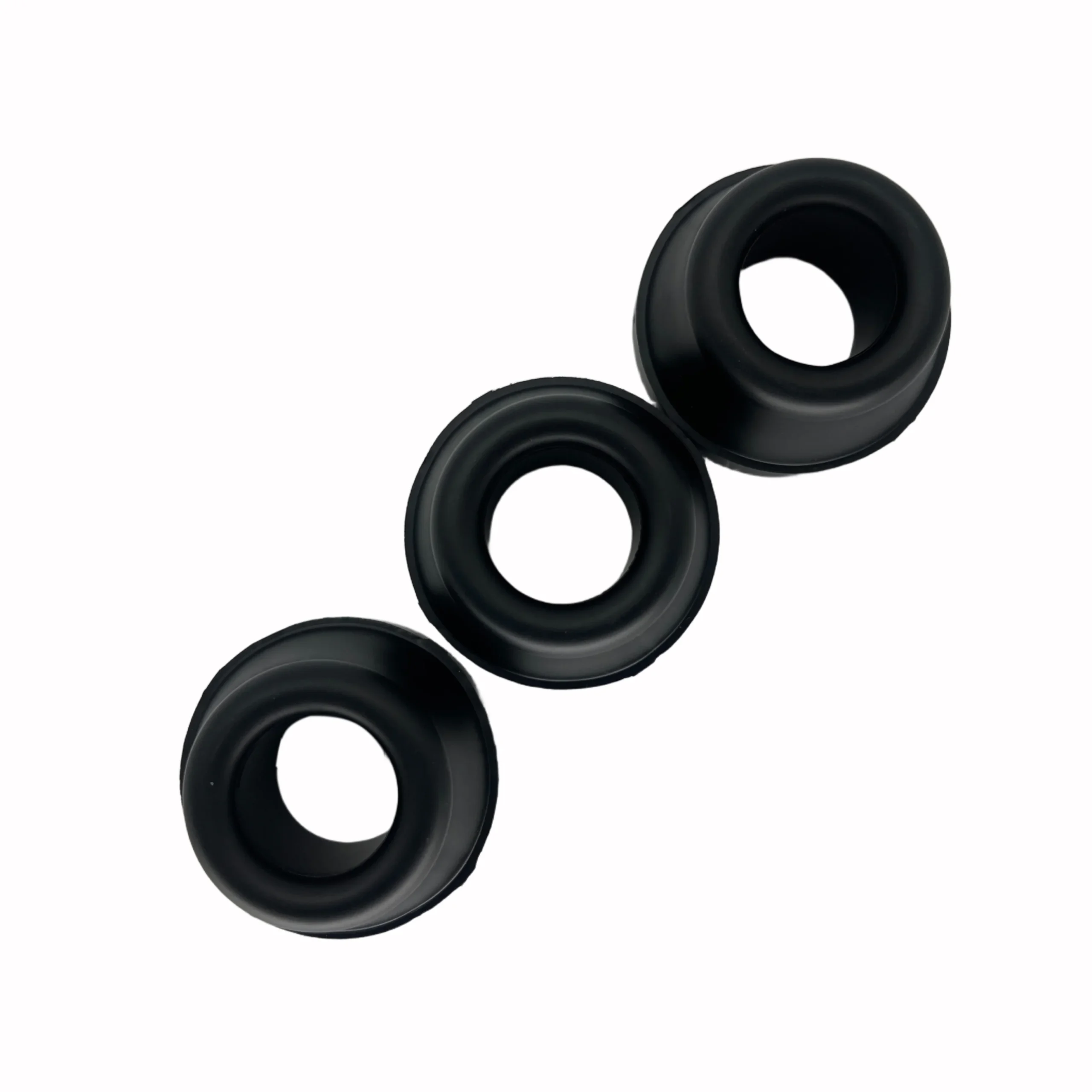
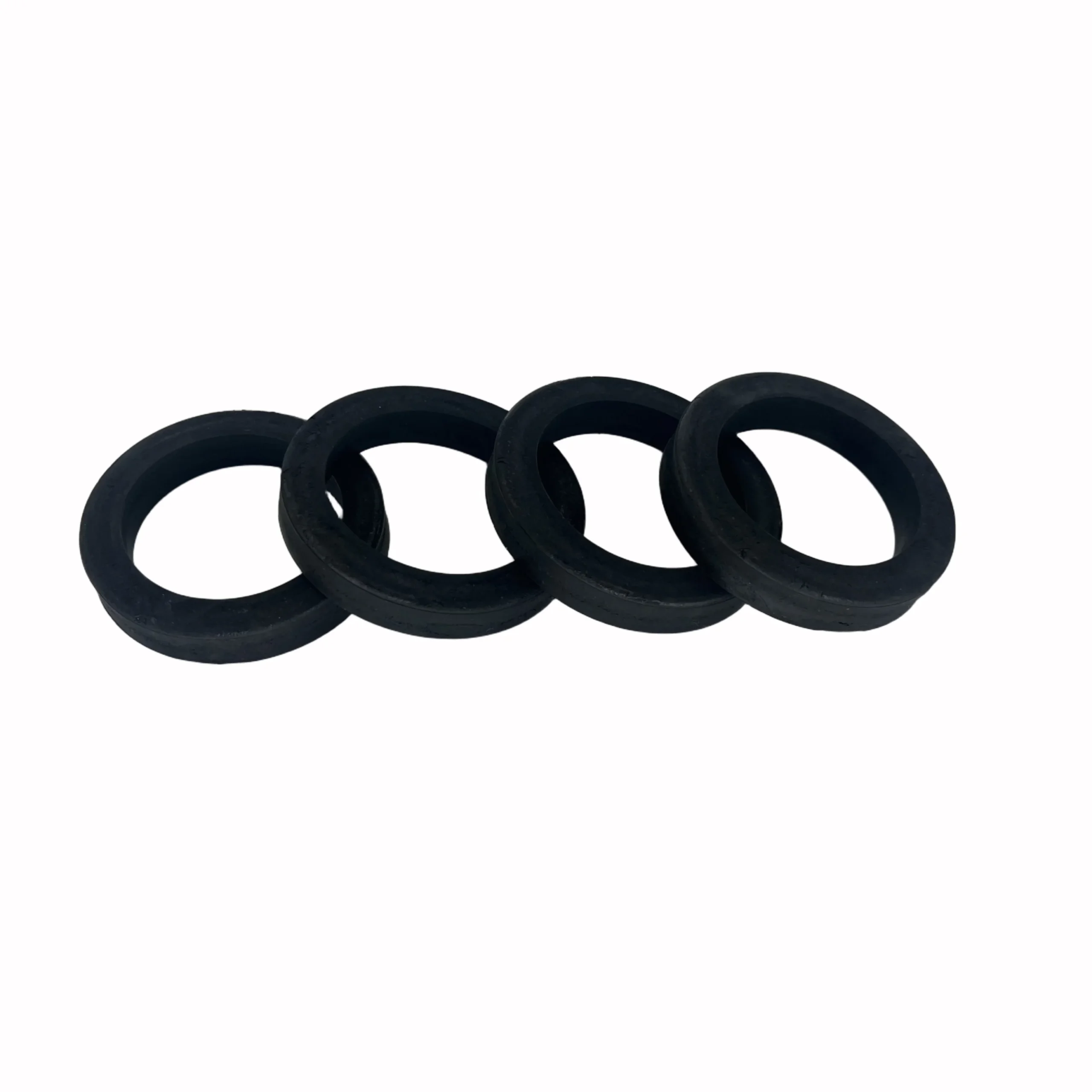
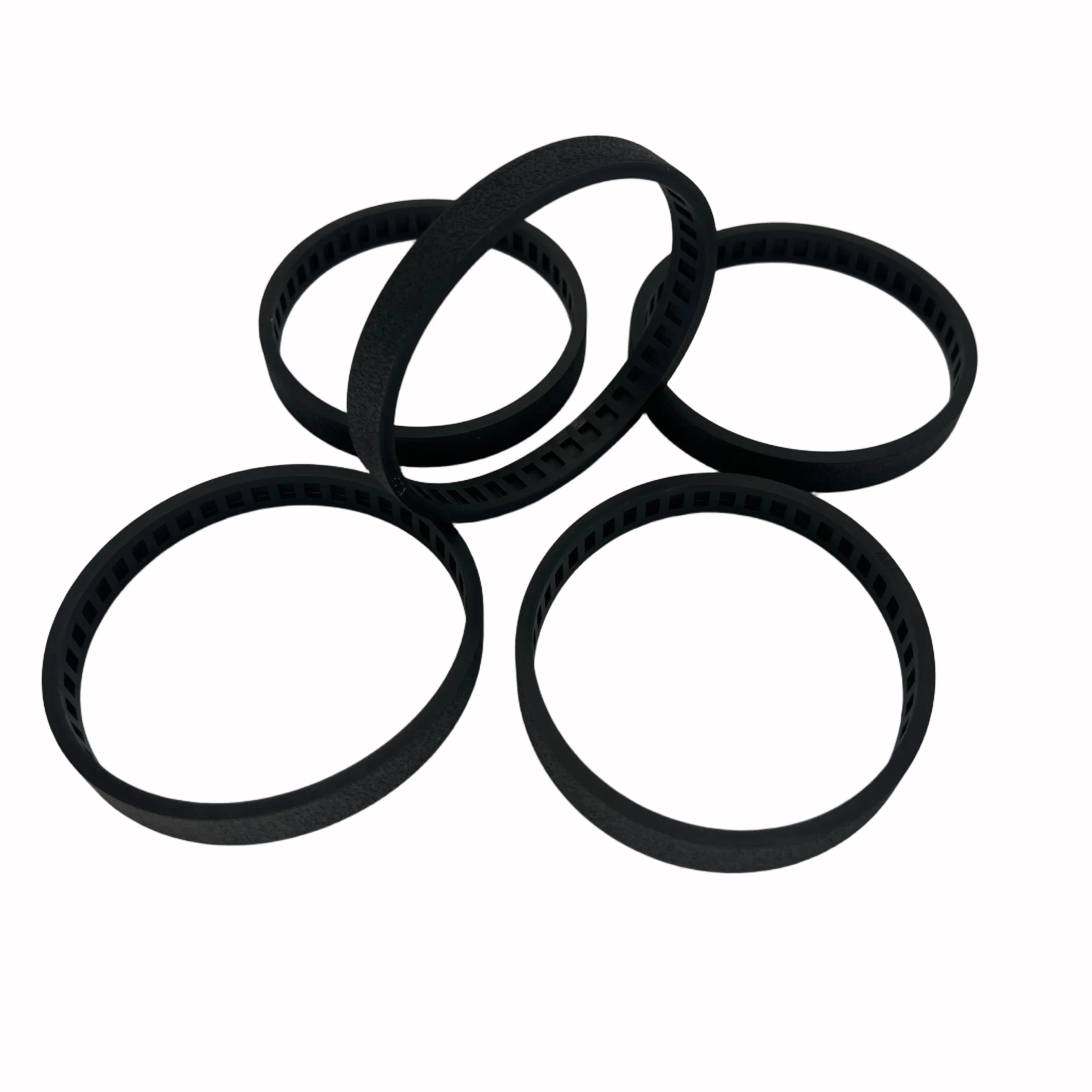
Simply put, a large diameter rubber o ring is a rubber seal shaped like a donut but much bigger than your typical small o ring you might find on a car engine. They’re designed to fit into grooves and create a tight seal between two components to prevent leaks of liquids or gases.
These rings connect deeply with modern industry needs — in sectors where machinery components have large contact surfaces or pipe flanges exceed standard sizes. They are usually made of materials like nitrile rubber (NBR), fluorocarbon (FKM), or silicone, chosen for their specific resistance properties.
Besides industrial use, large diameter rubber o rings play a less obvious but very important role: humanitarian engineering. For example, clean water facilities in remote parts of Africa rely on secure pipe sealing to prevent contamination — seals that need to last years without maintenance.
Mini Takeaway:
- Large diameter rubber o rings seal big joints and pipes in critical applications.
- They bridge industrial quality and humanitarian durability needs.
- Understanding their specs and use is key for engineers and field operators alike.
Key Characteristics That Make These O Rings Tick
Durability Under Pressure
Large diameter o rings have to cope with intense mechanical stress, often under high pressure. They must resist deformation without cracking or leaking. Materials like FKM are prized here for their heat resistance and chemical stability.
Scalability and Customization
Size matters a lot. These rings range from a few inches to several feet in diameter, customized to fit specific machinery or pipework. Many manufacturers offer bespoke sizes and hardness grades depending on the application.
Temperature and Chemical Resistance
Depending on the industry, these o rings may be exposed to hot steam, corrosive chemicals, or freezing temperatures. Choosing the right compound — whether silicone for low temp or Viton for chemical resilience — makes all the difference.
Cost Efficiency Over Lifecycle
It’s tempting to buy cheaper seals but in large diameter sizes, failure can mean big trouble — downtime, environmental damage, or equipment loss. Investing upfront in quality rubber compounds can save money over years of service.
Environmental Compatibility
Increasingly, industries prefer materials that are eco-friendly or recyclable. Manufacturers are innovating to reduce synthetic rubber impact and use bio-based alternatives.
Mechanical Flexibility and Seal Stability
These seals need to accommodate slight movement while maintaining seal integrity. Large o rings often have thicker cross-sections for this very reason.
Mini Takeaway:
- Material choice is critical — it drives durability, resistance, and cost.
- Custom sizing ensures perfect fit and long-term performance.
- Investing in quality saves far more than initial purchase price.
Real-World Applications You’ve Probably Overlooked
Water Treatment Plants: Large diameter rubber o rings ensure sealed joints in large pipes handling drinking water or wastewater, often in harsh chemical environments.
Oil & Gas Pipelines: Because these pipelines can extend hundreds of miles, the reliability of large o ring seals in valves and joints is critical to prevent leaks and spills.
Renewable Energy: Wind turbine hubs and solar farm machinery use large seals resistant to temperature swings and UV breakdown.
Heavy Machinery and Mining: In remote, dirt-heavy environments, seals have to withstand abrasion and pressure while maintaining reliable operation over long intervals.
Disaster Relief Infrastructure: Temporary water and fuel storage in refugee camps relies on sealing components to avoid contamination and wastage, where large diameter rubber o rings play an unsuspected but vital role.
Mini Takeaway:
- Large diameter rubber o rings are everywhere, even where you least expect.
- Their applications cross environmental, industrial, and humanitarian boundaries.
Advantages & Long-Term Value of High-Quality Large Diameter O Rings
It feels like one of those small but mighty components. The safety and environmental peace of mind provided by well-made large diameter rubber o rings simply can’t be overstated. They reduce costly downtime and maintenance visits. In many cases, they enable machinery to operate efficiently for decades. Engineers frequently point out that “the better the seal, the less energy wasted” — which translates to sustainability and cost-effectiveness.
Beyond the obvious logistics, there’s a social component. Durable seals maintain water sanitation or safely transmit fuels, protecting communities from toxic leaks that could cause illness or environmental damage. Using these seals relates to ideas of dignity, safety, and responsible resource use.
In real terms, investing in the right rubber type and expert manufacturing leads to lasting impact: reduced waste of materials, less energy spent on repeated repairs, and overall system reliability. It also fosters trust in supply chains — vendors who prioritize quality and innovation tend to stand out in this specialized market.
Product Specification Table: Typical Large Diameter Rubber O Rings
| Specification | Description | Typical Range |
|---|---|---|
| Material | Nitrile (NBR), Viton (FKM), EPDM, Silicone | NBR: -40 to 120°C, FKM: -20 to 200°C |
| Inner Diameter | Varies by application | From 100 mm (4") up to 1,200 mm (47") |
| Cross Section | Thickness of the ring’s “donut” cross-section | 5 to 20 mm |
| Hardness (Shore A) | Rubber hardness determines flexibility and compression | 50 to 90 Shore A |
| Pressure Rating | Maximum seal pressure (static) | Up to 40 Bar (580 psi) |
Vendor Comparison: Choosing the Right Supplier
| Vendor | Material Options | Customization | Lead Time | Certifications |
|---|---|---|---|---|
| SunliteTek | NBR, FKM, EPDM, Silicone | Full bespoke sizes and hardness | 2–4 weeks | ISO 9001, RoHS |
| SealPlus Inc. | NBR, Viton | Standard sizes only | 4–6 weeks | ISO 14001 |
| GlobalRing Solutions | EPDM, Silicone | Custom sizes, limited hardness choices | 3–5 weeks | ISO 9001, FDA Compliant |
Future Innovations: What’s Next for Large Diameter Rubber O Rings?
One trend many engineers are watching is the rise of bio-based elastomers. Reducing the carbon footprint of rubber seals aligns with global sustainability goals. Advances in digital manufacturing, such as 3D printing elastomers, could speed up prototyping and custom sizing dramatically.
There’s also buzz around "smart seals" embedded with sensors that monitor pressure and temperature in real time, minimizing surprise failures. Add automation in maintenance predicted through IoT, and the whole sealing ecosystem could get smarter, longer-lasting, and less wasteful.
Lastly, expanding regulations on emissions and leak prevention will push suppliers to innovate continually.
Common Challenges and Practical Solutions
Large diameter seals face issues like aging (hardening or cracking over time), installation damage, and matching exact groove dimensions. Industry experts suggest:
- Strict quality control with dimensional verification.
- Choosing material formulations specifically adapted to the operating environment.
- Training for install teams to avoid nicks and twists during fitting.
- Periodic inspection and replacement schedules based on operating hours and environmental stress.
FAQs About Large Diameter Rubber O Rings
- What materials are best for large diameter rubber o rings in chemical plants?
- Fluorocarbon (FKM/Viton) is often preferred because it resists aggressive chemicals and high temperatures, though it tends to be pricier than nitrile rubber.
- How do I ensure a large diameter o ring fits my pipeline correctly?
- It’s crucial to measure groove dimensions accurately and consult manufacturer specs. Custom o rings tailored to exact inner diameter and cross section thickness help avoid leaks.
- Can large diameter o rings be reused after disassembly?
- Generally, it’s not recommended. Even undamaged seals can lose elasticity or suffer microcracks that compromise seal integrity.
- How long do these seals typically last in outdoor settings?
- With proper material choice and installation, expect 5 to 10 years, though UV exposure and temperature swings can shorten lifespan if not accounted for.
- Are custom large diameter rubber o rings expensive?
- They cost more than standard sizes due to material usage and manufacturing complexity, but the improved reliability usually justifies the expense.
Wrapping Up: Why Large Diameter Rubber O Rings Remain Essential
So, large diameter rubber o rings may not be flashy, but they’re indispensable. From keeping critical infrastructure safe to advancing cleaner energy and supporting humanitarian efforts, their importance cannot be overstated. They represent a fascinating mix of materials science, engineering precision, and practical application that truly impacts our daily lives.
Interested in exploring high-quality large diameter rubber o rings? Visit SunliteTek's product page for customizable solutions designed to meet your toughest sealing challenges.
A final thought...
When you think about it, the world’s reliance on these rubber rings is oddly comforting — a silent guardian holding things firmly together behind the scenes.
References

Understanding Large Diameter Rubber O Rings: Why They M […]