Select Language
 Understanding HNBR 80: A Vital Elastomer in Modern Industry
HNBR 80—short for Hydrogenated Nitrile Butadiene Rubber 80—is more than just a technical term engineers throw around. It represents a specialized class of synthetic rubber that’s pivotal in countless industries worldwide. If you haven’t encountered it before, think of HNBR 80 as the “workhorse” elastomer prized for its outstanding resistance and elasticity under tough conditions. It’s vital because in our increasingly demanding industrial landscape—whether in automotive, oil and gas, or manufacturing—materials like HNBR 80 ensure machines run smoothly, safely, and efficiently.
Why the global fuss? According to ISO standards on elastomers (ISO 1629:2013), materials like HNBR have to meet stringent requirements on durability and chemical resistance. Their use contributes to longer-lasting products and less frequent maintenance—translating to lower operational costs and reduced waste worldwide.
The Global Context: Why HNBR 80 Matters Today
Industries across the globe constantly seek materials that combine performance with sustainability. The World Bank highlights that infrastructure development is booming in Asia and Africa, requiring resilient materials to withstand diverse environmental stressors. HNBR 80 steps in to answer this call by enduring high temperatures, aggressive chemicals, and mechanical wear.
Ordinarily, typical rubber compounds degrade quickly under such conditions. The challenge has been to develop a compound that not only holds its shape and elasticity over time but is also cost-effective. HNBR 80 fits that bill, proving especially useful in sectors striving to reduce downtime and operational hazards.
Defining HNBR 80 in Simple Terms
So what exactly is HNBR 80? To break it down, HNBR stands for Hydrogenated Nitrile Butadiene Rubber—a synthetic rubber made by hydrogenating nitrile rubber to increase its resistance against heat and oxidation. The '80' usually denotes the level of acrylonitrile content—around 80%, which essentially influences the rubber’s resistance to oils and fuels.
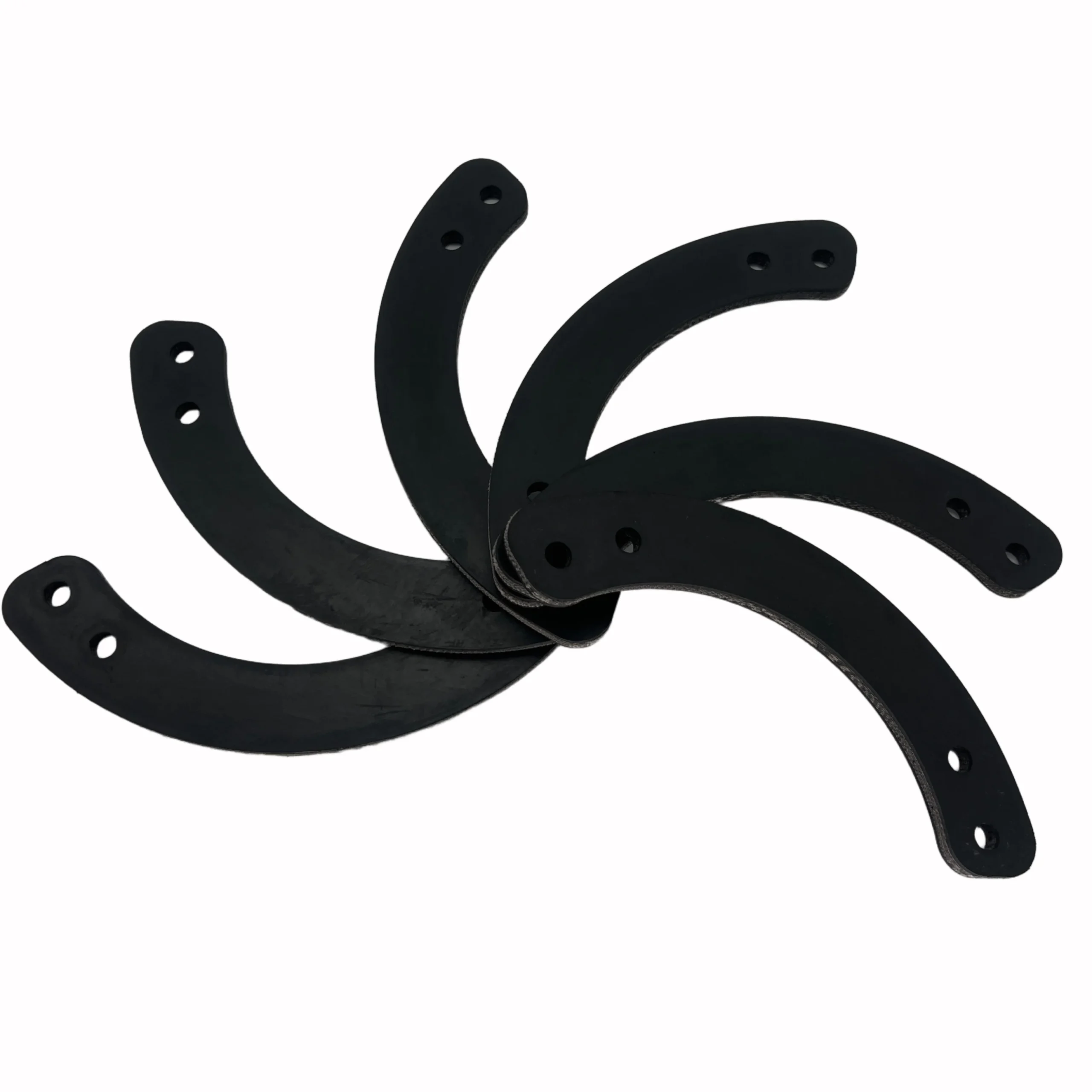
Think of HNBR 80 as a tough, flexible material designed to keep its properties where others fail: higher temperatures, oil exposure, and mechanical stress. It has become a go-to elastomer for seals, hoses, and gaskets in industries requiring uncompromised reliability.
Key Characteristics of HNBR 80
1. Durability
HNBR 80’s hydrogenation process gives it superior heat resistance—typically up to 150°C continuously, and sometimes higher for short durations. This translates into longer component lifetimes, especially in engines and pumps.
2. Chemical Resistance
Due to its high nitrile content, HNBR 80 is highly resistant to oils, fuels, and many solvents. This quality is critical for automotive fuel injection systems or oilfield equipment where fluid exposure is constant.
3. Mechanical Strength
It feels quite robust under tension and compression, making it suitable for dynamic seals that must withstand repeated motion without cracking or deforming.
4. Temperature Versatility
Besides high heat resistance, HNBR 80 performs well in cold temperatures (down to approximately -40°C), so it’s versatile across climates.
5. Cost Efficiency
Though slightly pricier than natural rubber, HNBR 80’s durability reduces the frequency of replacement, making it cost-effective long-term.
Mini takeaway: HNBR 80 blends chemical toughness with mechanical resilience, underpinning critical industrial parts globally.HNBR 80 Product Specifications
| Property | HNBR 80 Typical Value | Test Method |
|---|---|---|
| Acrylonitrile Content | ~80% | NMR Analysis |
| Hardness (Shore A) | 70–90 | ASTM D2240 |
| Temperature Range | -40°C to 150°C | ASTM D1329 |
| Tensile Strength | >15 MPa | ASTM D412 |
| Oil Resistance | Excellent | ASTM D471 |
Global Applications & Use Cases of HNBR 80
HNBR 80 finds itself at the heart of several vital applications worldwide.
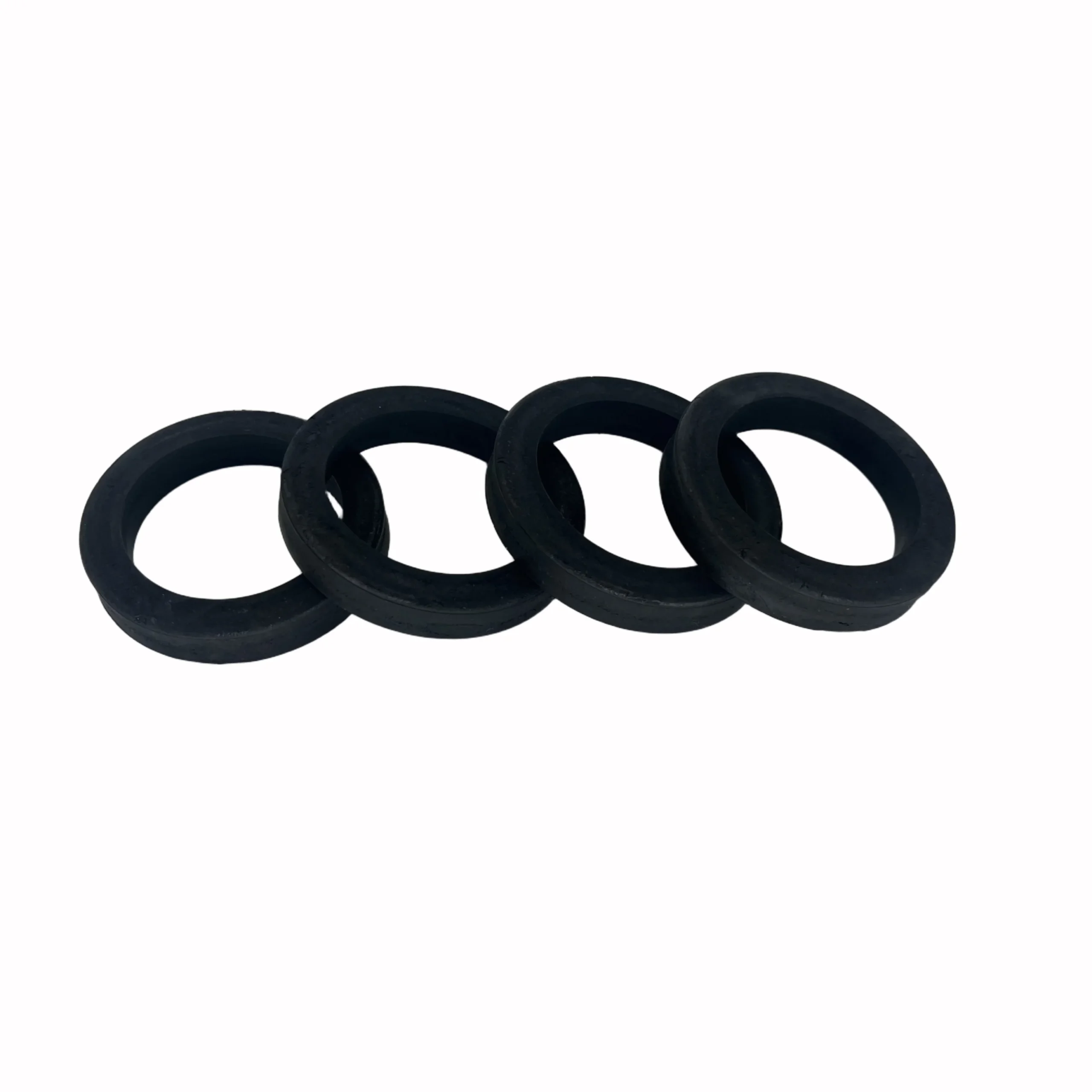
- Automotive Industry: Used widely in fuel system seals, O-rings, and timing belts. For instance, European car manufacturers rely heavily on HNBR 80 to meet emission and durability standards.
- Oil and Gas: In the rough conditions of Middle East oil fields, seals and hoses made with HNBR 80 prevent leaks amid high pressures and temperatures.
- Aerospace: Some aircraft manufacturers prefer HNBR 80 for hydraulic seals, where performance reliability is nothing short of critical.
- Industrial Machinery: Equipment in remote locations like Northern Russia uses HNBR 80 gaskets to endure freezing winters and intense mechanical pressure.
One real-world example: A major equipment supplier in Canada reported that replacing standard nitrile seals with HNBR 80 models reduced downtime by nearly 40%, saving thousands annually in maintenance.
Mini takeaway: HNBR 80 adapts well to diverse climates and sectors, proving indispensable worldwide.Advantages & Long-Term Value
Why shell out extra for HNBR 80? The obvious answer is the long run—it lasts longer, stands stronger, and keeps machines safer. From an environmental perspective, durability means fewer replacements and wasted materials, aligning with ISO sustainability goals (see ISO 14001).
On a human level, reliable seals and hoses mean less risk in potentially hazardous work environments. That’s not just about equipment uptime but worker safety and peace of mind.
Vendor Comparison of Popular HNBR 80 Grades
| Vendor | Hardness Range (Shore A) | Max Operating Temp | Oil Resistance | Typical Applications |
|---|---|---|---|---|
| SunliteTek | 70-85 | 150°C | Excellent | Seals, Hoses, O-rings |
| Global Elastomers Inc. | 75-90 | 160°C (short term) | Very Good | Automotive & Industrial Seals |
| RubberTech Solutions | 65-80 | 140°C | Good | Oilfield & Hydraulic Applications |
Future Trends & Innovations in HNBR 80
Oddly enough, while HNBR 80 is already quite advanced, researchers continue developing enhanced formulas leveraging nanotechnology to boost wear resistance and thermal limits.
There’s increasing interest in “green” HNBR blends that reduce petrochemical inputs, aligning with global sustainability mandates. Digital transformation in quality control—using AI to monitor compound mixes in real time—is also streamlining production.
On the policy front, new restrictions on volatile organic compounds (VOCs) in manufacturing processes will encourage cleaner HNBR formulations, benefiting workers and the environment alike.
Challenges & Solutions
No material is perfect. HNBR 80 can be sensitive to certain strong acids or prolonged UV exposure, which sometimes limits outdoor use without protective coatings.
Manufacturers often combine HNBR 80 with surface treatments or hybrid compounding methods to overcome these weaknesses. Ongoing R&D aims to improve resilience without impacting cost efficiency.
FAQ: Frequently Asked Questions About HNBR 80
- What does the “80” signify in HNBR 80?
- It generally refers to the acrylonitrile content percentage, around 80%, influencing its oil and chemical resistance. Higher acrylonitrile levels boost hardness and fuel resistance but can affect flexibility.
- Is HNBR 80 suitable for cold climates?
- Yes, HNBR 80 performs well down to approximately -40°C, maintaining elasticity and seal integrity in freezing conditions, making it ideal for Arctic or mountainous operations.
- How does HNBR 80 differ from regular nitrile rubber?
- HNBR 80 is hydrogenated, meaning it has enhanced resistance to heat, oxidation, and ozone, compared to standard nitrile rubber which degrades faster in harsh environments.
- Can HNBR 80 components be used in food-grade applications?
- While HNBR itself is chemically stable, compliance depends on specific formulations and certifications. Always verify with manufacturers if components meet FDA or EU food contact standards.
Conclusion: Why Choose HNBR 80?
In real terms, HNBR 80 represents the fine balance between flexibility, durability, and chemical resistance. Its growing global use signals trust from industries demanding high performance and longevity. If your project or manufacturing requires rubber components that don't quit under pressure, it’s worth considering. For detailed product options and consultation, visit hnbr 80.
It’s fascinating how a synthetic rubber derivative quietly shapes the safety, efficiency, and sustainability of so many sectors.
References:

Understanding HNBR 80: A Vital Elastomer in Modern Indu […]