Select Language
 Understanding HNBR 90: The Versatile Material Transforming Modern Industry
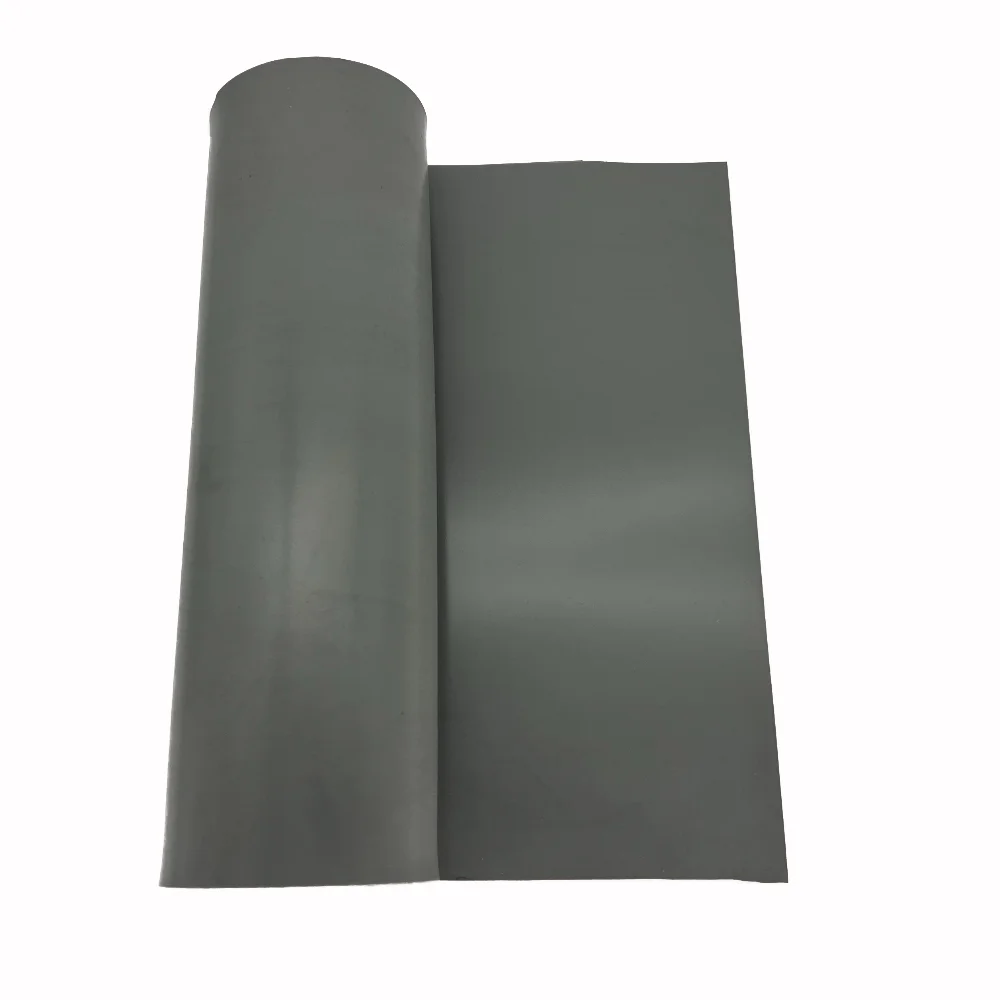
You've likely come across HNBR 90 mentioned in technical specs or heard engineers rave about it on job sites. But what exactly is this material, and why is it suddenly so important worldwide? Frankly, HNBR 90 is a specialized form of hydrogenated nitrile butadiene rubber boasting enhanced durability and resistance that make it a game-changer in industries ranging from automotive to oil and gas. Its ability to withstand extreme temperatures and harsh chemicals means it’s not just a lab curiosity — it’s a practical solution addressing global challenges in reliable sealing and mechanical parts.
Why HNBR 90 Matters Globally
Across the globe, industries face mounting pressure to improve safety, efficiency, and sustainability. According to the International Organization for Standardization (ISO), materials that can endure extreme conditions without degrading help extend product lifespans, reduce waste, and improve operational safety. This is where HNBR 90 steps in. Its unique chemical structure allows it to outperform many traditional elastomers, which means fewer failures and reduced environmental footprint in critical infrastructure. Oddly enough, the quiet revolution of better rubber components can ripple out to big-picture benefits like fewer industrial accidents and less frequent maintenance shutdowns.
What Is HNBR 90?
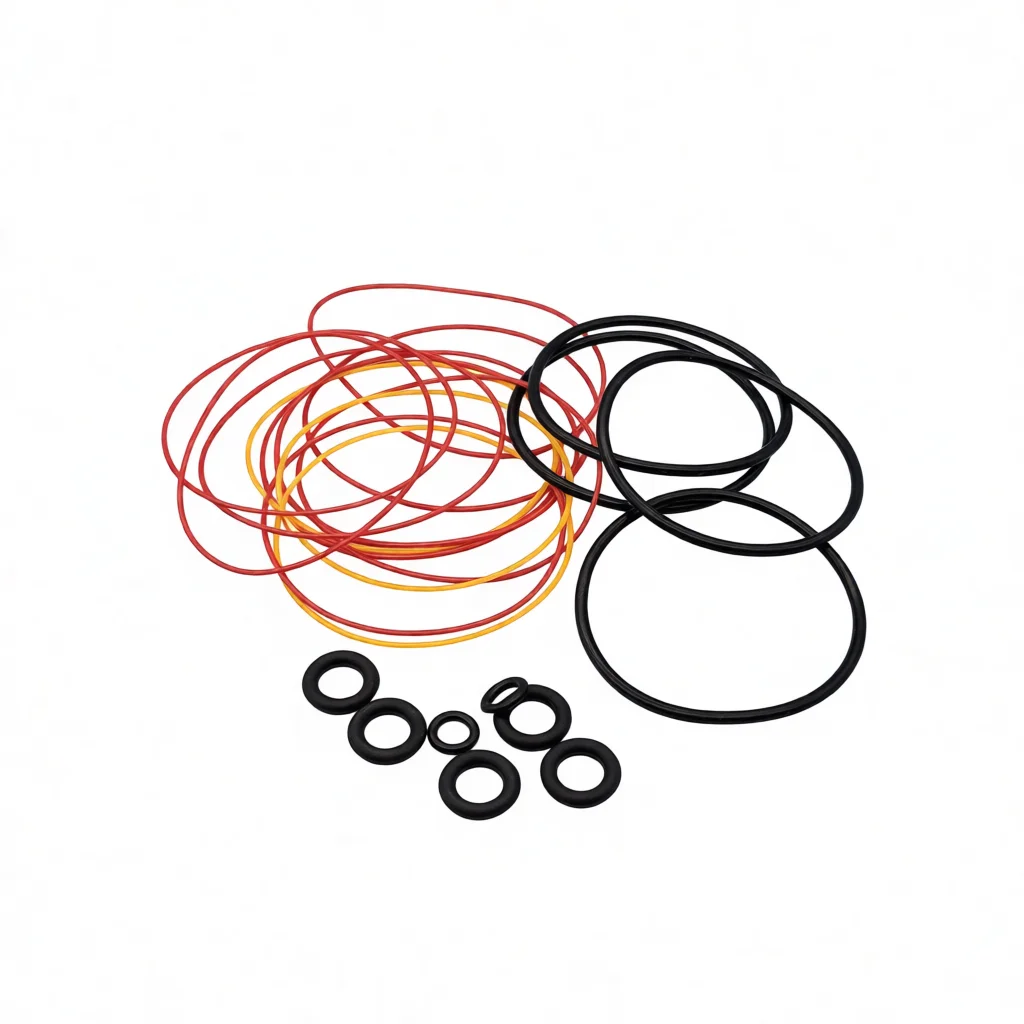
In plain terms, HNBR 90 is a highly saturated synthetic rubber synthesized by hydrogenating nitrile butadiene rubber (NBR). This process stabilizes the polymer chains, enhancing resistance to heat (up to about 150°C), oils, ozone, and wear. The “90” often references the material’s hardness on the Shore A scale, putting it in a firm yet flexible range ideal for seals, gaskets, and flexible coupling components.
Modern industries rely on materials that can survive harsh operating environments — whether it’s oil rigs in the North Sea or automotive engines exposed to high heat cycles. By ensuring mechanical parts don’t prematurely fail, HNBR 90 helps maintain safety and smooth operations.
Core Components and Key Characteristics of HNBR 90
1. Durability
HNBR 90’s chemical structure resists degradation from oils, fuels, and oxidizing agents far better than standard rubber compounds. This means parts last longer and save replacement costs.
2. Temperature Resistance
Operating continuously at temperatures near 150°C without cracking or losing elasticity is impressive—many elastomers fail above 100°C. This thermal resistance makes it a staple for automotive engine seals.
3. Chemical Compatibility
Unlike many rubber types, HNBR 90 tolerates exposure to a broad range of chemicals—acidic, alkaline, and hydrocarbon-based—making it invaluable in chemical processing plants.
4. Physical Strength
With its relatively high Shore A hardness, the material sustains mechanical stress while maintaining flexibility. This strength helps in applications subject to dynamic forces.
Product Specifications of a Typical HNBR 90 Compound
| Property | Specification | Unit |
|---|---|---|
| Hardness (Shore A) | 90 ± 5 | - |
| Tensile Strength | 14 – 18 | MPa |
| Elongation at Break | 250 – 350 | % |
| Temperature Range | -40 to +150 | °C |
| Compression Set (22h @ 150°C) | <25 | % |
Global Applications & Use Cases for HNBR 90
HNBR 90 finds itself in a variety of sectors across continents. For instance:
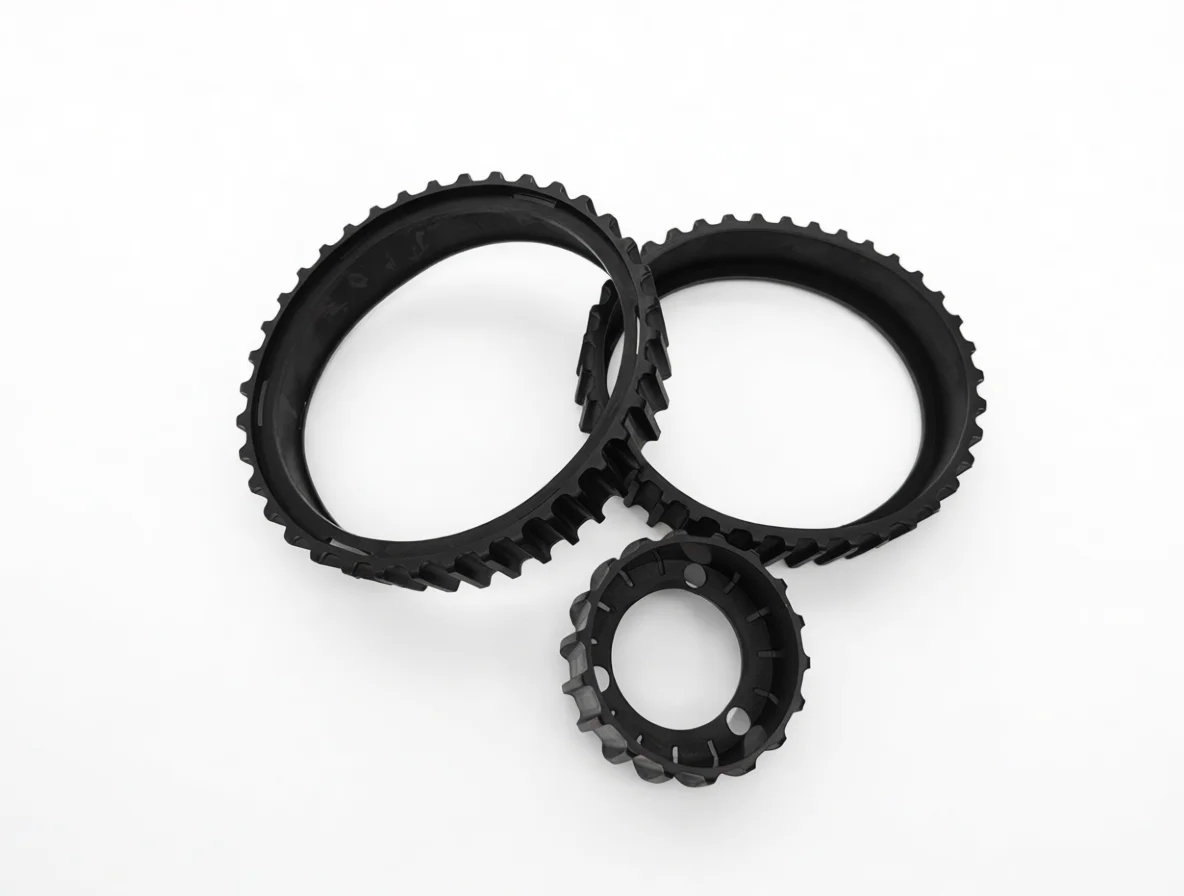
- Automotive Industry: Used in engine gaskets, seals, and fuel system components, particularly in countries with extreme temperature ranges like Canada and Russia.
- Oil & Gas Sector: Critical for seals in equipment exposed to hydrocarbons and corrosive fluids — notable in Middle Eastern and North Sea offshore rigs.
- Industrial Manufacturing: Valves and pumps across chemical plants in Europe and Asia rely on HNBR 90 for longevity and chemical resistance.
In emergency response contexts, components made from this material ensure equipment reliability under less-than-ideal conditions—whether in disaster zones or remote operations.
Vendor Comparison Table: HNBR 90 Material Suppliers
| Vendor | Material Grade | Hardness (Shore A) | Price per Kg (USD) | Typical Applications |
|---|---|---|---|---|
| Vendor A | HNBR 90 Premium | 90 ± 3 | $15.50 | Automotive, Oil & Gas |
| Vendor B | HNBR 90 Standard | 90 ± 5 | $13.75 | Industrial Seals, Pumps |
| Vendor C | HNBR 90 Enhanced | 90 ± 2 | $17.00 | Chemical Resistant Seals, Hydraulic Systems |
Advantages and Long-Term Value of HNBR 90
From a practical standpoint, using HNBR 90 means less downtime, fewer replacements, and safer equipment operation—each a major plus for manufacturers and operators. Financially, it reduces lifecycle costs and lowers resource consumption, which aligns with growing global sustainability goals (ISO 14001 standards, for one, encourage such choices). Emotionally, there’s peace of mind knowing seals won't fail unexpectedly and cause leaks or accidents.
Future Trends & Innovations in the HNBR 90 Landscape
The future is leaning heavily toward greener, smarter materials. The next frontier for HNBR 90 involves integrating bio-based additives to reduce fossil fuel usage in production and applying digital manufacturing techniques like 3D printing for faster prototyping and customization. Also, enhanced polymer blends are in the works to boost thermal and mechanical properties further, preparing HNBR compounds for even more demanding landscapes such as electric vehicle powertrains and renewable energy infrastructure.
Challenges & Solutions
HNBR 90 isn’t perfect—processing it requires careful temperature control during manufacturing, and it tends to be costlier than standard rubbers. Moreover, some extreme chemical exposures can still degrade it over time. However, ongoing research is focused on optimizing formulations to balance price and performance, and suppliers are increasingly offering tailored HNBR blends for specialized applications. You can expect vendors to provide more data sheets and testing certifications soon, which helps engineers make smarter choices.
FAQ: Frequently Asked Questions About HNBR 90
- What industries benefit most from HNBR 90 materials?
- HNBR 90 is widely used in automotive, oil & gas, chemical processing, and industrial manufacturing sectors, thanks to its toughness and resistance to heat and chemicals.
- Can HNBR 90 be used in extremely cold environments?
- Yes, it performs well down to -40°C but may harden at temperatures lower than that. For ultra-low temperatures, specialized blends or alternative elastomers might be preferred.
- How long can seals made from HNBR 90 last under industrial conditions?
- Typically, HNBR 90 seals can last 5–10 years depending on operating conditions and maintenance. Its resistance to wear and chemicals significantly extends service life compared to conventional rubbers.
- Is HNBR 90 environmentally friendly?
- While synthetic rubber is petroleum-based, ongoing efforts focus on bio-based formulations and recycling methods to improve its sustainability footprint.
- Where can I source high-quality HNBR 90 compounds?
- You can explore suppliers like Vendor A, B, and C (above) or visit trusted distributors. For bulk orders or custom grades, contacting manufacturers directly ensures the best match.
Conclusion
All told, HNBR 90 offers a remarkably balanced mix of durability, chemical resistance, and temperature tolerance that makes it indispensable for today’s demanding industrial needs. Understanding and selecting the right grade can lead to significant cost savings and safer operations over the long haul. If you’re curious to learn more about how HNBR 90 can improve your projects, don’t hesitate to visit our website and explore our resources.
Mini takeaway: HNBR 90 quietly but surely underpins the reliability of countless critical components, often without a second thought — yet its impact is enormous.

Understanding HNBR 90: The Versatile Material Transform […]