

 Select Language
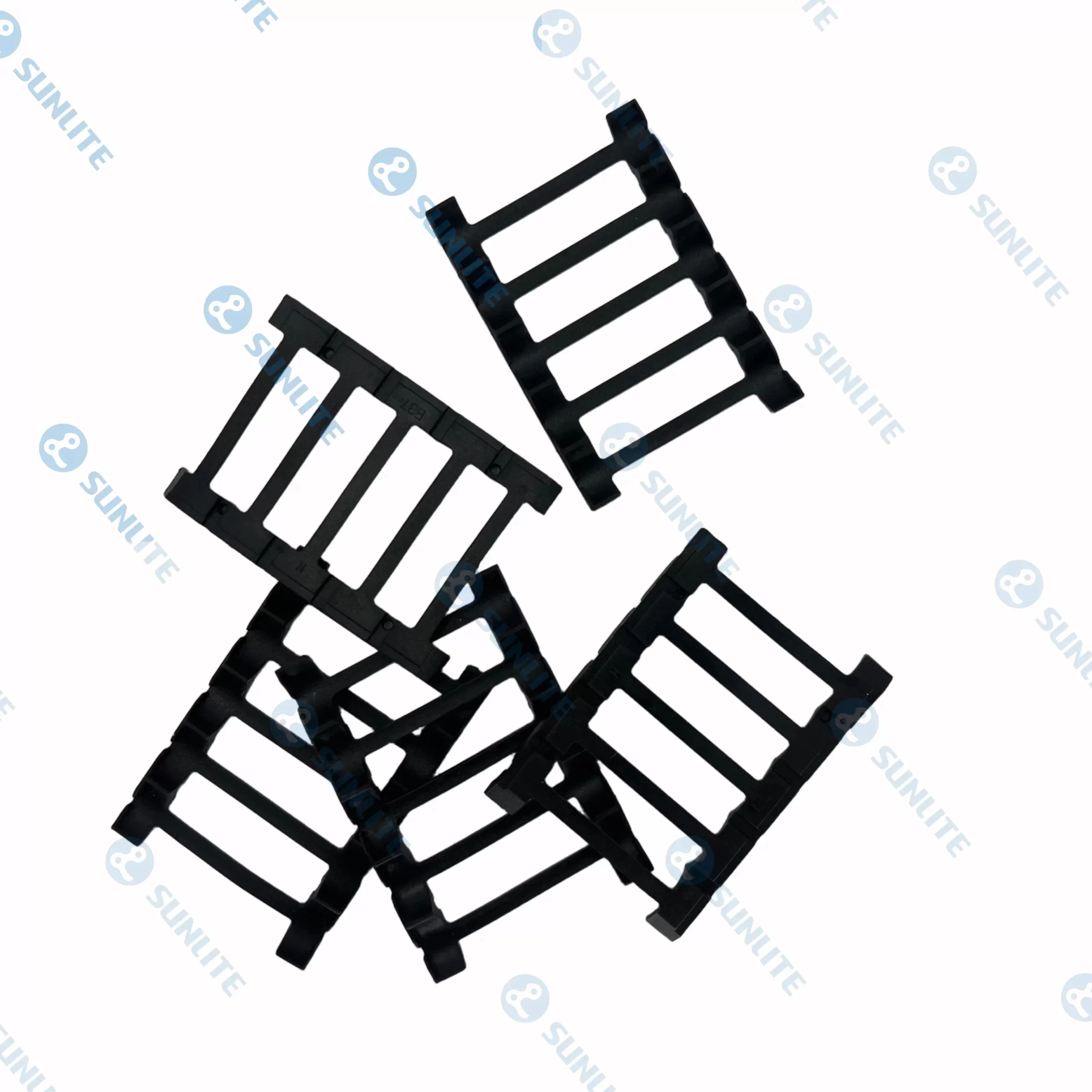
In the modern landscape of energy storage and portable power, the structural integrity of a battery pack is just as vital as the chemical composition of its cells. As electric tools, electric vehicles, and high-capacity storage modules become more compact and powerful, the internal components responsible for positioning and protection must meet increasingly rigorous standards. This demand has led to the development of specialized elastomer solutions that go beyond simple cushioning. Today, a high quality battery pad serves as a multi-functional barrier, providing thermal buffering, electrical isolation, and mechanical stability in environments where failure is not an option.
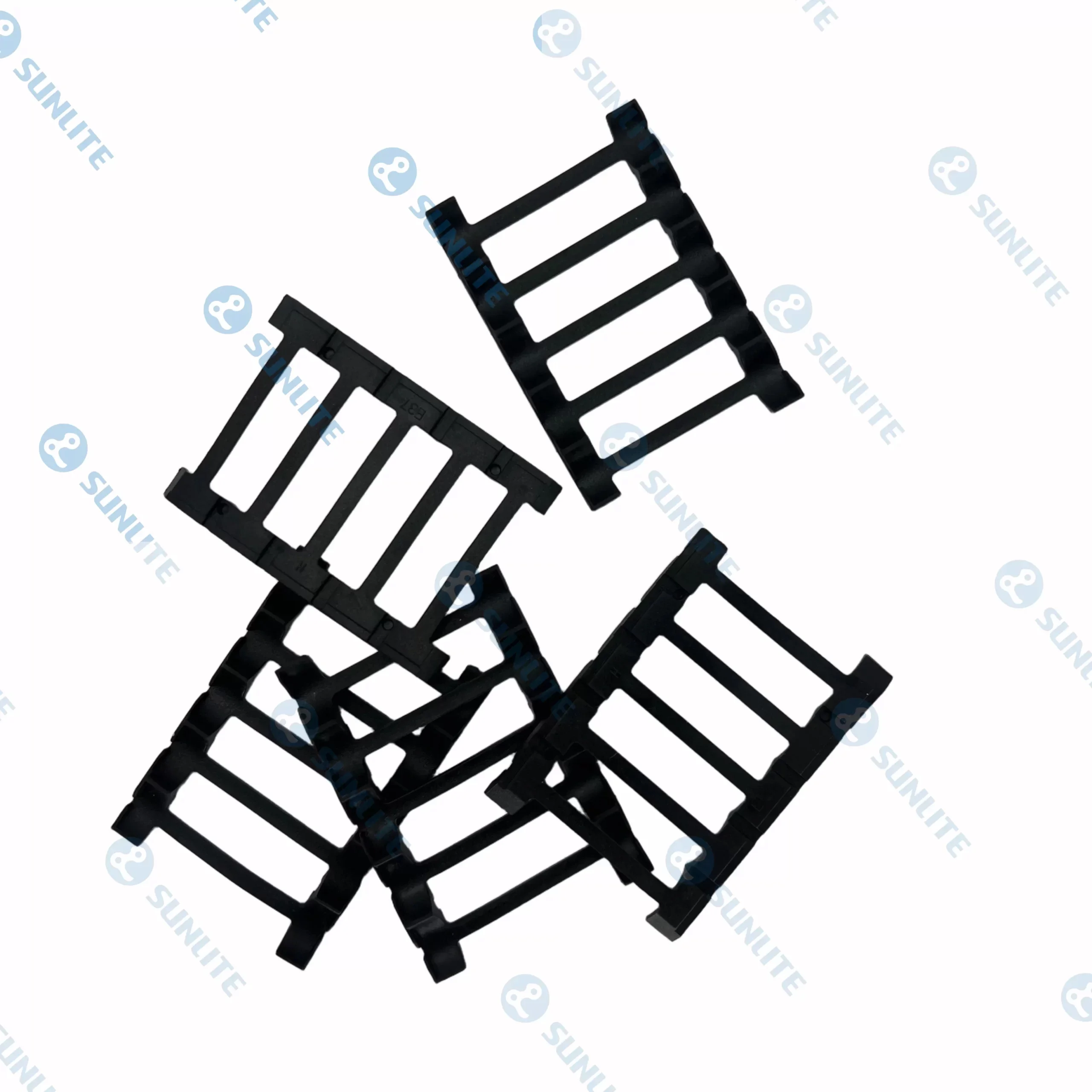
Advanced Material Science at the Specialized Battery Pad Factory
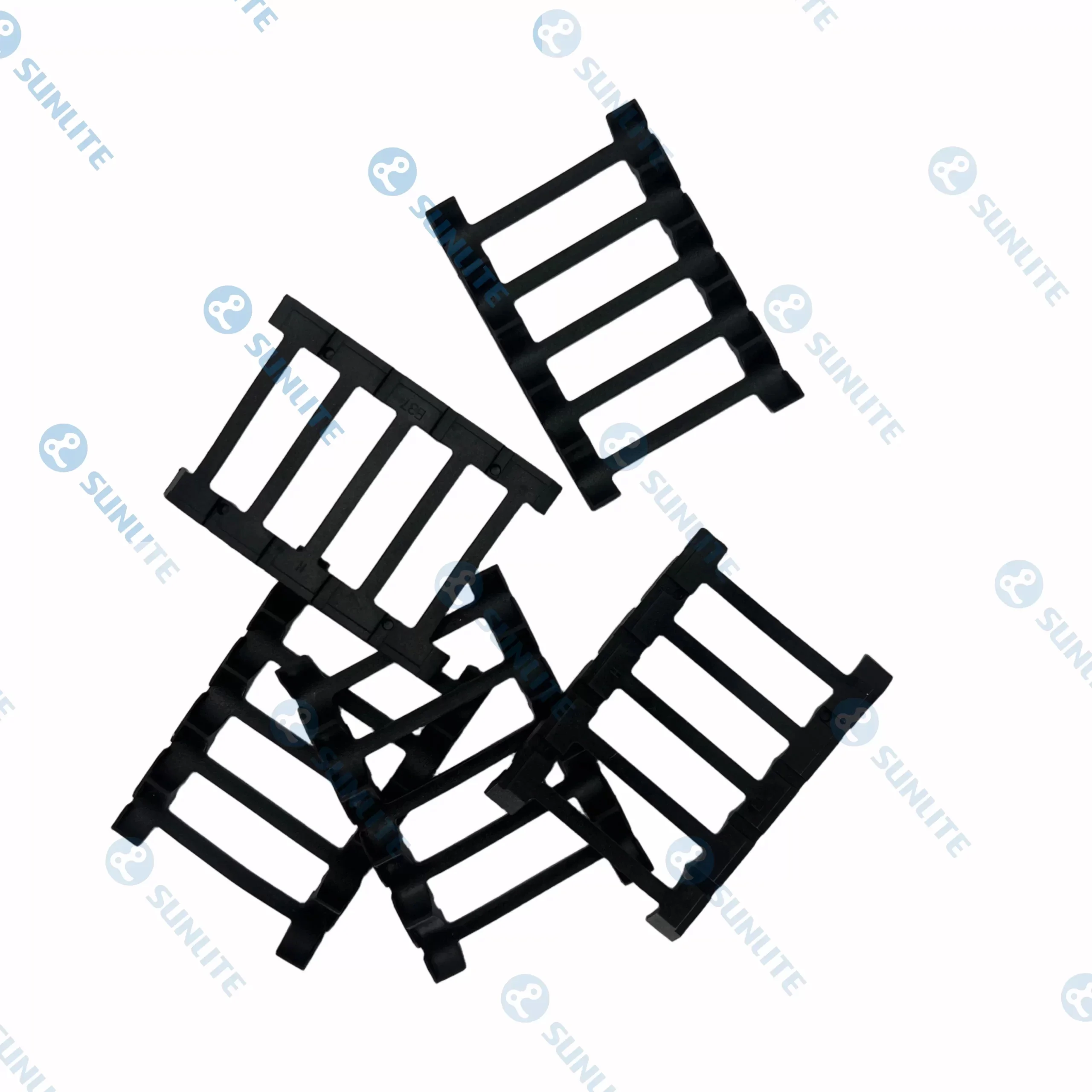
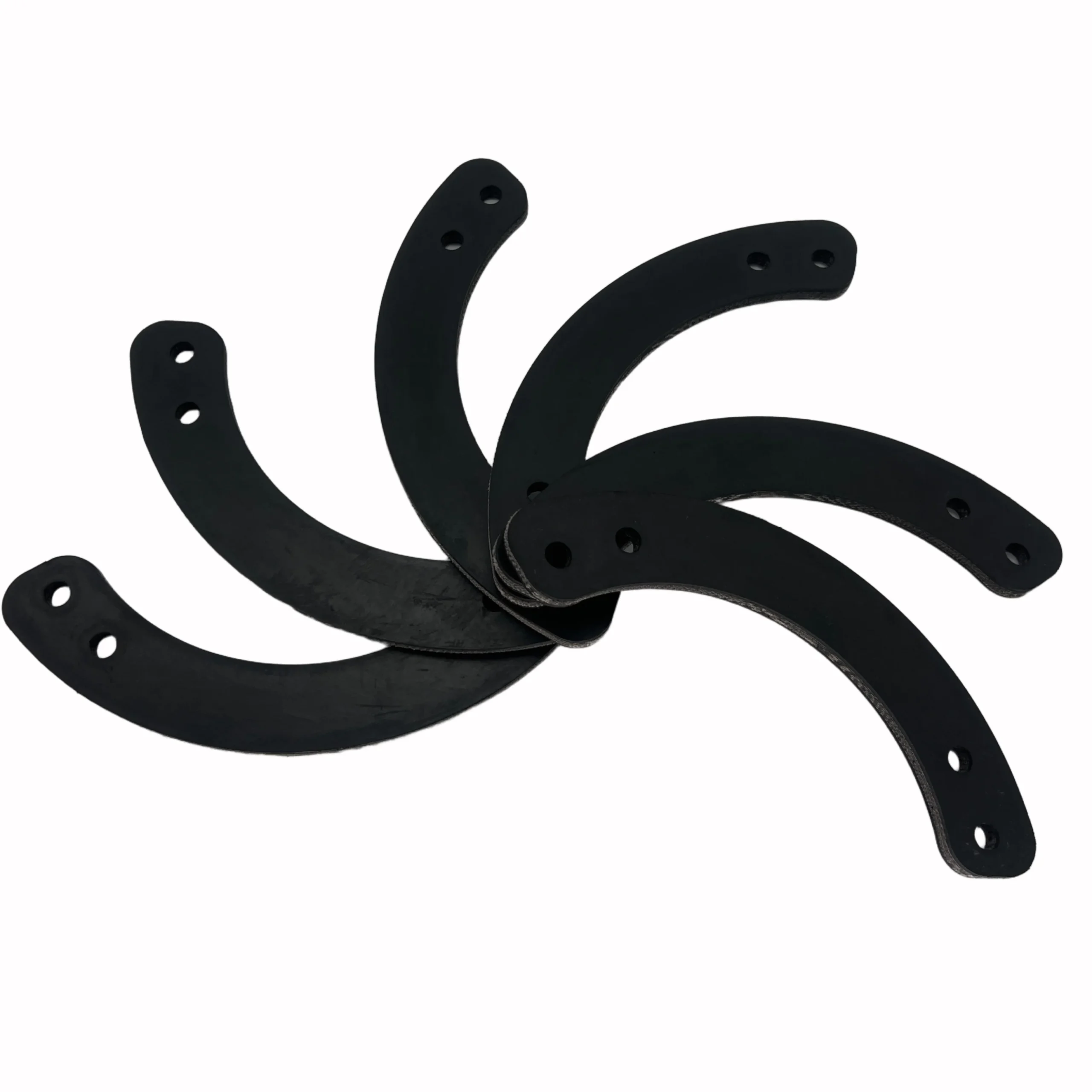
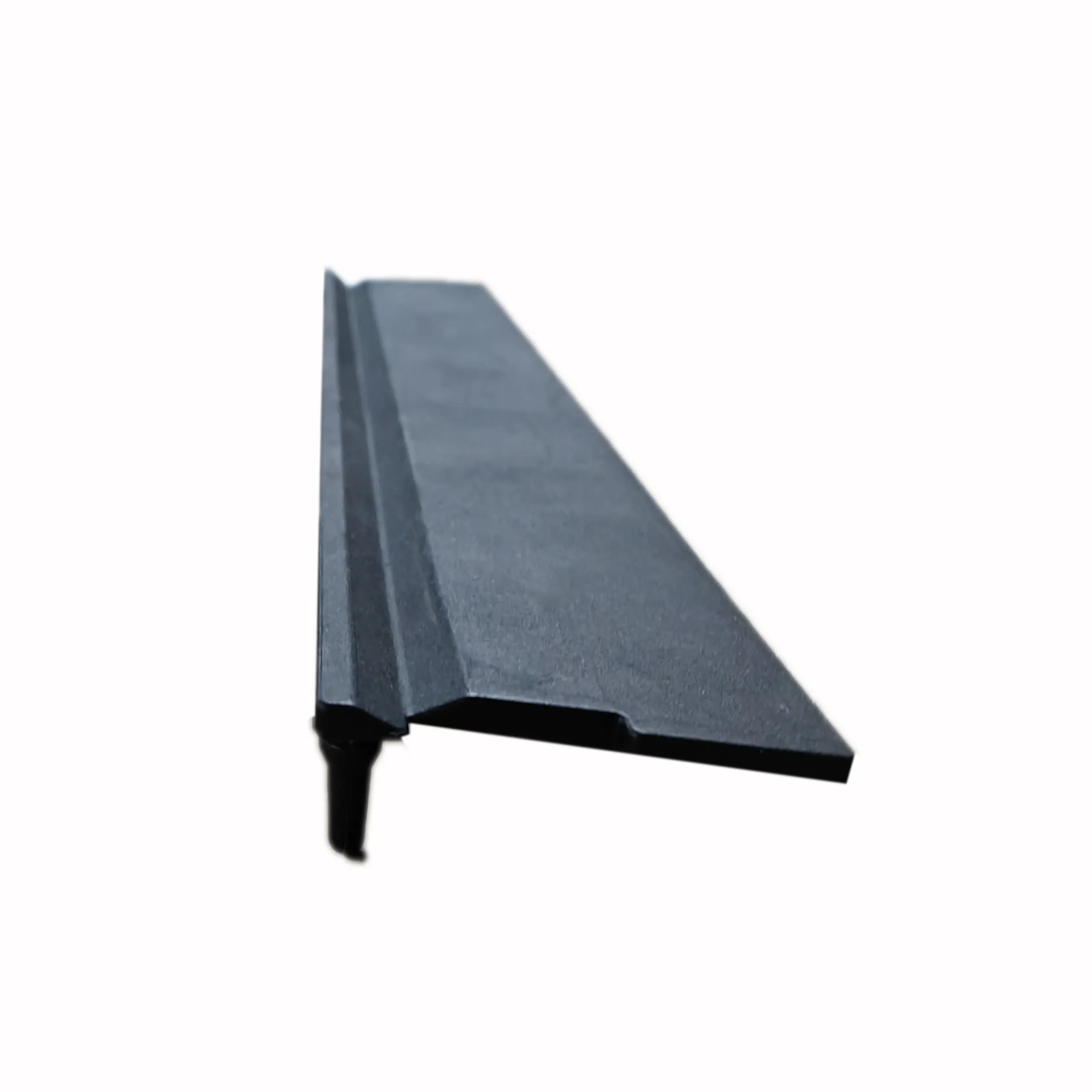
The production of reliable battery protection components requires a deep mastery of polymer chemistry. Within a professional battery pad factory, the focus is on creating materials that balance flexibility with long-term durability. Utilizing Ethylene Propylene Diene Monomer (EPDM) combined with halogen-free flame retardants, manufacturers create cell positioning strips that are specifically engineered for high-density battery packs. This material choice is critical; EPDM is renowned for its excellent resistance to heat, weather, and electrical conductivity, making it the ideal matrix for a high quality battery pad.
The preparation technology at a leading battery pad factory ensures that the resulting product meets the UL94 V0 flame retardancy standard. This is achieved through a precise composite formula that allows the material to extinguish itself within seconds if exposed to fire, a crucial safety feature for high-power lithium-ion systems. Furthermore, the manufacturing process focuses on achieving high rebound and impact resistance. When battery cells are secured within a plastic casing, they are subjected to constant vibrations and potential drops. The EPDM-based pads are designed to absorb these shocks effectively, preventing structural damage to the cells and maintaining the overall safety profile of the device.
Ensuring Safety with Antistatic Features from a Battery Pad Supplier
Static electricity represents a silent threat to electronic systems, particularly in the confined spaces of a battery compartment. As a specialized battery pad supplier, the goal is to provide solutions that mitigate the risk of static discharge which could lead to sparks or safety accidents. These materials are primarily used in environments where static buildup is frequent, providing an essential layer of protection for sensitive battery management systems.
A reputable battery pad supplier ensures that these antistatic functions do not compromise the basic mechanical properties of the elastomer. Through reasonable molecular design and strict process control, the material retains its high elasticity and temperature resistance while gaining the ability to eliminate static electricity. This dual-functionality—acting as both a vibration damper and a safety shield—allows the battery pad product to meet the diverse needs of different industrial fields. From power tools to large-scale transportation modules, the integration of antistatic properties enhances the safety level of the entire battery module, ensuring that thermal and electrical risks are managed simultaneously.
Global Compliance and the Role of the Battery Pad Exporter
In the international market, technical performance must be matched by a commitment to environmental stewardship. A leading battery pad exporter must guarantee that every product adheres to a wide array of global regulations, including RoHS 2.0, REACH, PAHs, and PFAS. This is particularly important for battery components, as the materials are often in close contact with sensitive chemicals and plastic casings. A non-leaching formula design is essential to avoid contaminating the battery cells or causing the degradation of the surrounding plastic box over time.
For a battery pad exporter, the ability to provide documented safety and environmental compliance is a key competitive advantage. International clients in the automotive and industrial sectors require long-term reliability—often demanding that components perform for up to 8 years without loosening or losing their rebound properties. By providing an EPDM battery pad that maintains its structural integrity and electrical insulation under cyclic loading and high temperatures, exporters help global manufacturers build safer and more durable energy products. This long-term stability is what defines a premium component in the eyes of international quality auditors and end-users alike.
Tailored Engineering through a Custom Battery Pad
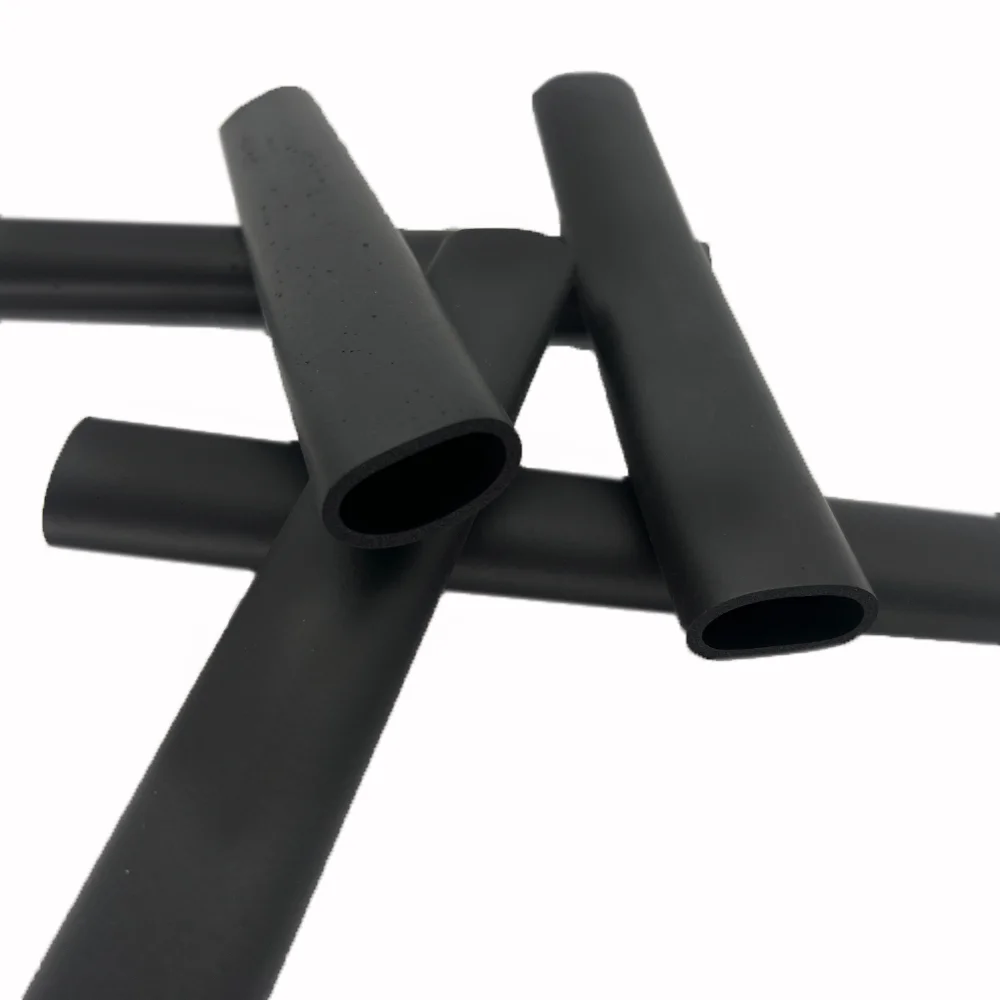
The diversity of battery pack designs—ranging from small handheld tool batteries to massive industrial power banks—means that standardized parts are rarely sufficient. The demand for a custom battery pad is driven by the need for precise cell positioning and unique form factors. Supporting customization based on technical drawings and samples allows manufacturers to produce gaskets and strips that fit perfectly within complex internal geometries. Whether the application requires a specific thickness to offset drop forces or a unique shape for electrical isolation between battery casings, a custom battery pad provides the necessary flexibility.
Developing a custom battery pad involves fine-tuning the material’s compression set and rebound characteristics to match the specific weight and heat output of the battery cells. For instance, a thermal buffer pad used in high-power environments must maintain its physical shape even as temperatures rise, ensuring that the cells remain firmly fixed without loosening over their service life. This level of bespoke engineering ensures that the battery module remains structurally stable during transportation and storage, as well as during intense operational phases. By working closely with design engineers, a battery pad factory can deliver a product that is not just a component, but a tailored safety solution.
Versatility and Performance of the EPDM Battery Pad
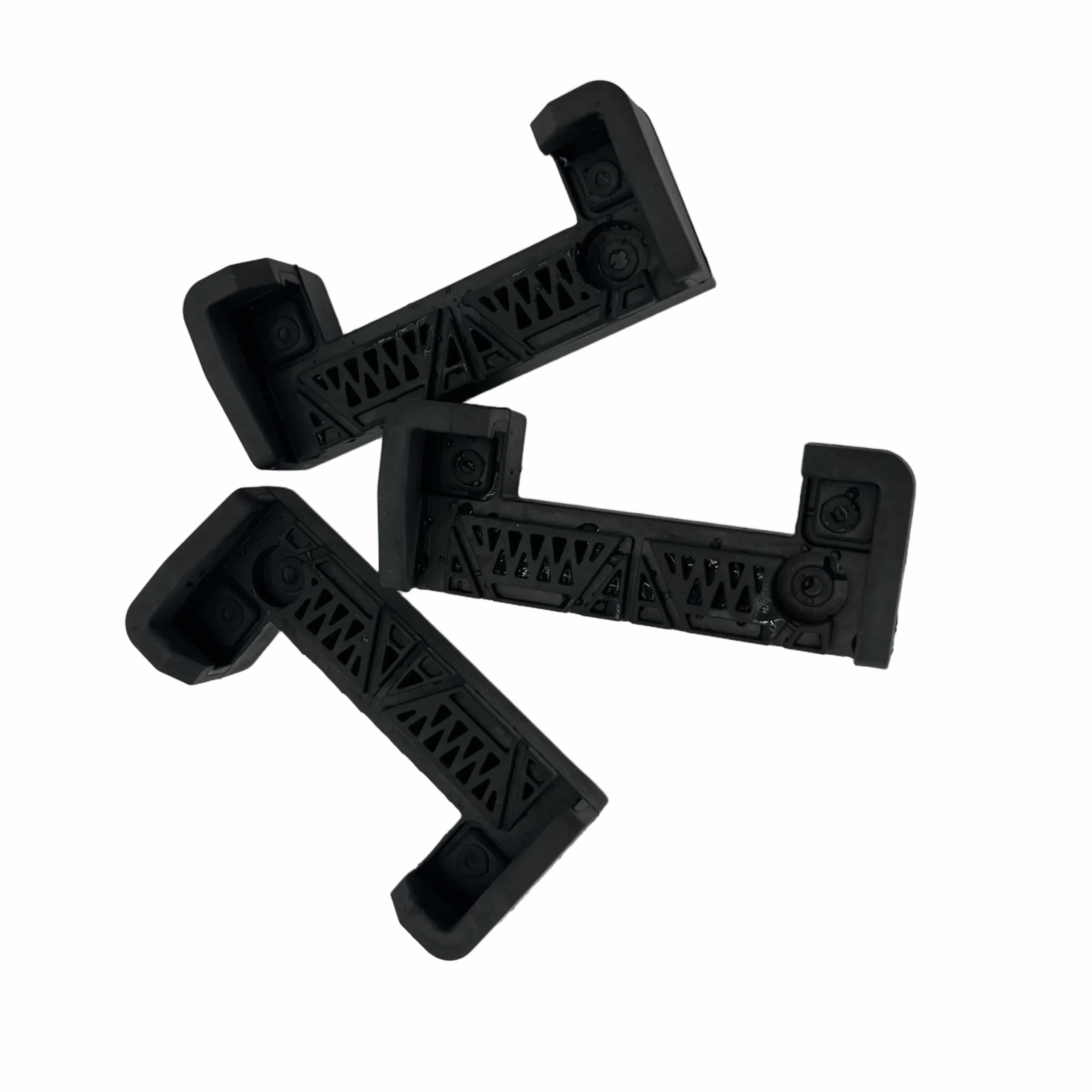
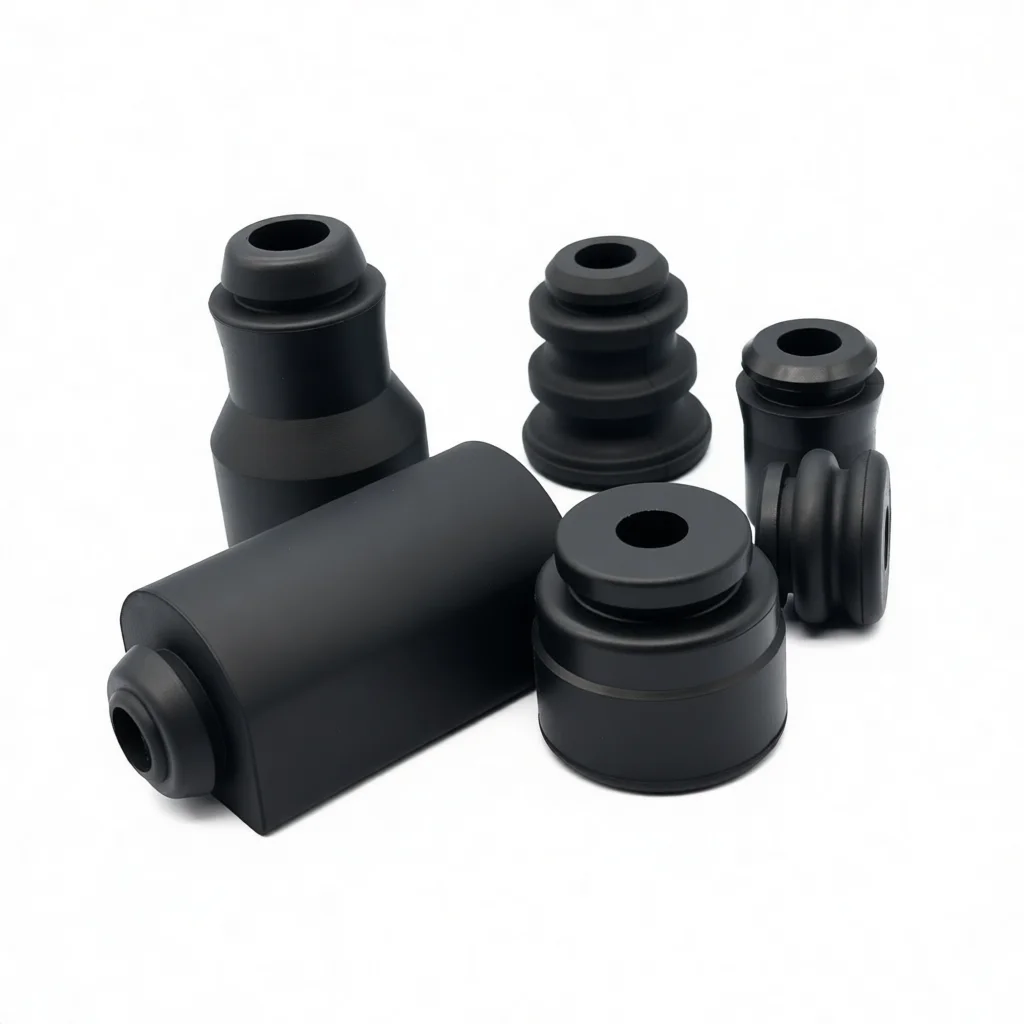
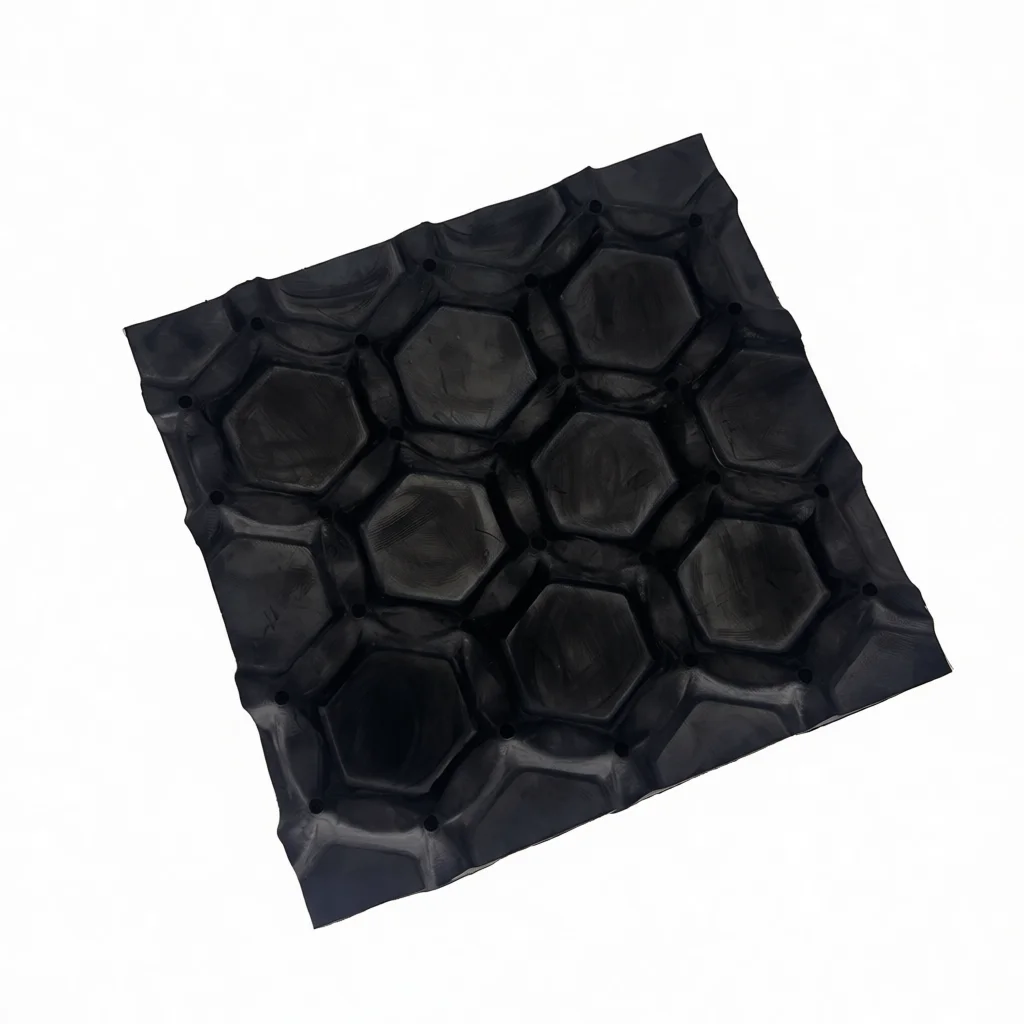
The inherent versatility of the EPDM battery pad makes it a staple across various application scenarios. In electric tool battery compartments, it functions as a critical gasket that prevents the shifting of cells during heavy use. In larger battery modules, it provides the necessary electrical isolation between casings, preventing short circuits and improving the overall insulation level of the system. The high resilience of the EPDM material ensures that it can effectively offset impact forces, which is essential for protecting the delicate internal connections of the battery pack.
Furthermore, the long-term reliability of a battery pad product is a significant factor in reducing maintenance costs and extending the life of the battery pack itself. With a supporting life of up to 8 years, these EPDM-based strips ensure that the cell positioning remains secure even after years of vibration and thermal cycling. This "set and forget" reliability is why high-performance EPDM pads are chosen for critical infrastructure and professional-grade tools. By providing excellent flame retardancy and impact resistance, the EPDM battery pad stands as a testament to how advanced elastomer technology can drive the safety and efficiency of the modern energy revolution.
Driving Innovation with a High Quality Battery Pad
The journey from raw polymer to a finished high quality battery pad is one of precision, innovation, and a commitment to safety. As the world becomes increasingly reliant on battery power, the components that protect these energy sources must continue to evolve. A dedicated battery pad manufacturer plays a vital role in this progression, blending advanced antistatic preparation technology with high-performance EPDM formulations to create products that are safe, reliable, and durable.
Whether through the global reach of a battery pad exporter or the bespoke capabilities of a custom battery pad design, the focus remains on ensuring that every battery pack is a fortress of stability. By meeting the highest environmental standards and delivering consistent performance over an extended service life, the modern battery pad product ensures that the tools and vehicles of tomorrow can operate with confidence. In the intricate world of battery pack engineering, the right pad is not just a buffer—it is the foundation of structural and electrical integrity.
In the modern landscape of energy storage and portable power, the structural integrity of a battery pack is just as vital as the chemical composition of its cells.