Select Language
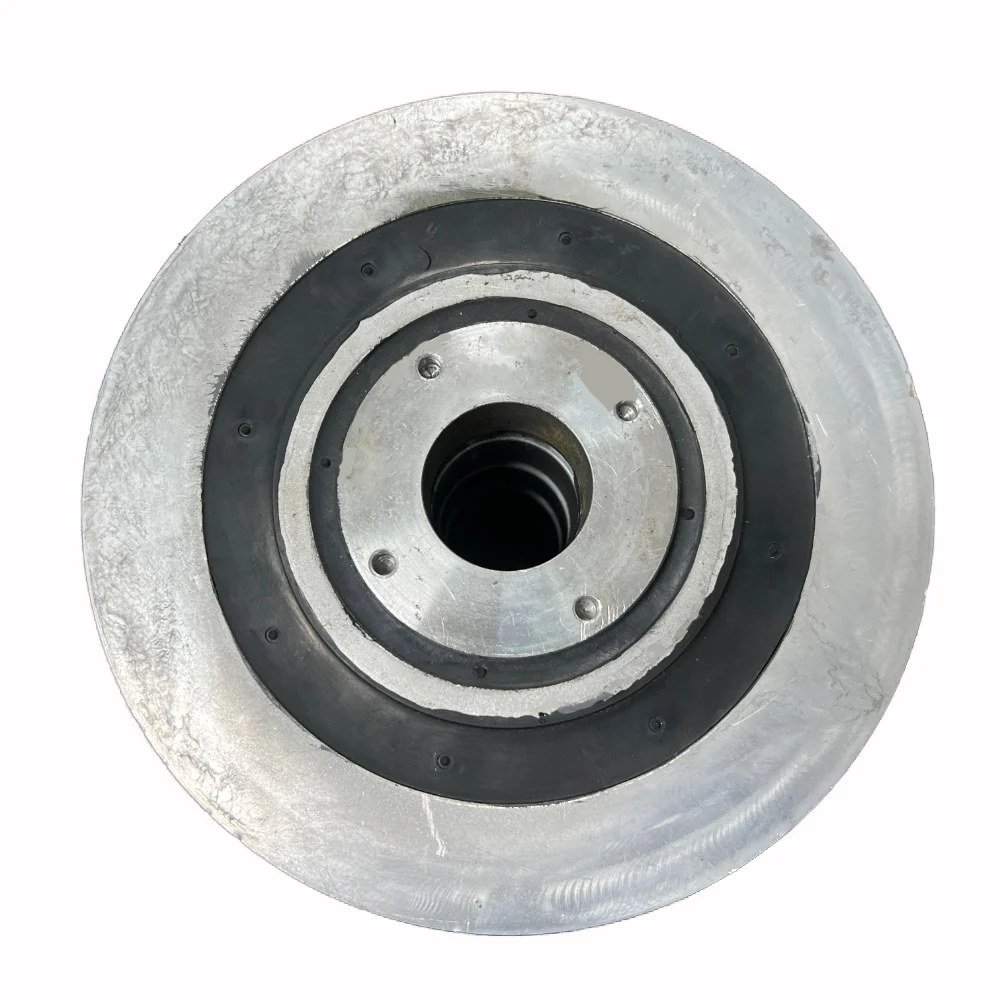
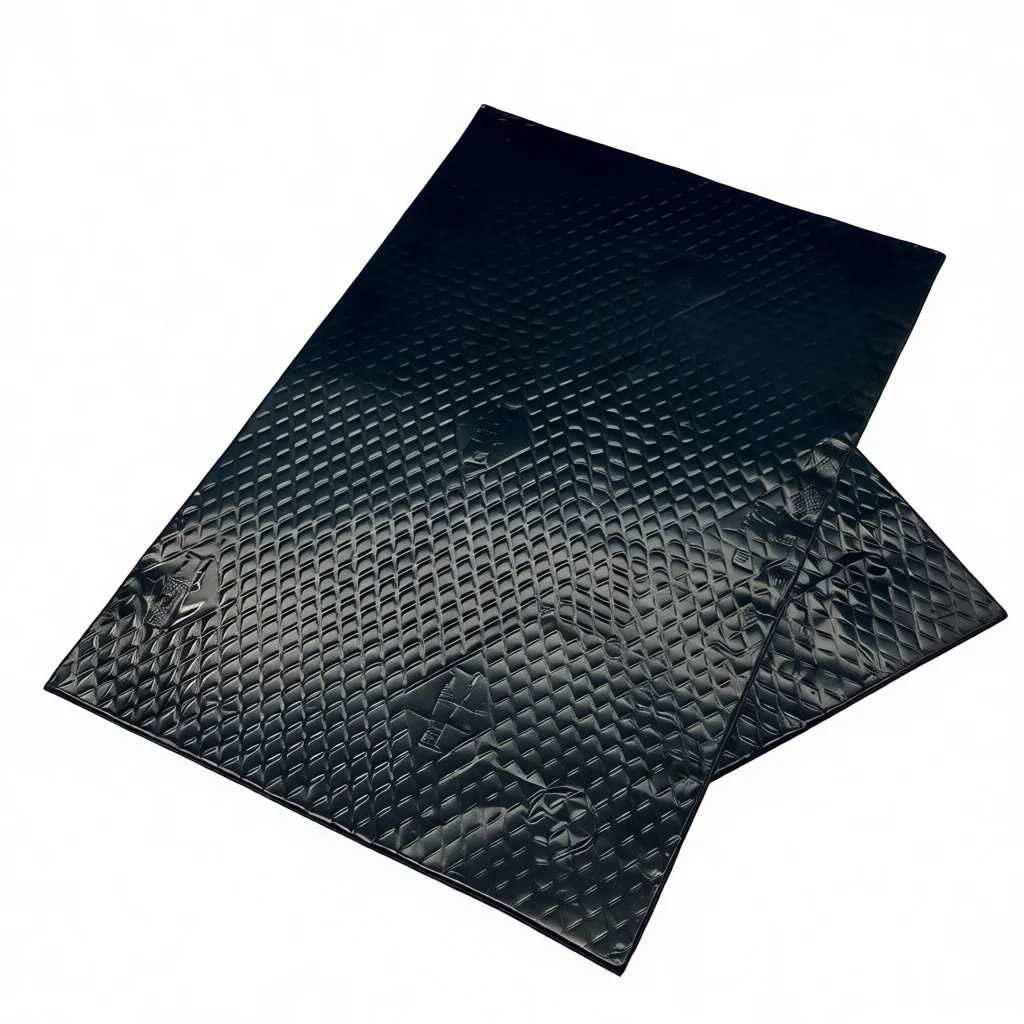
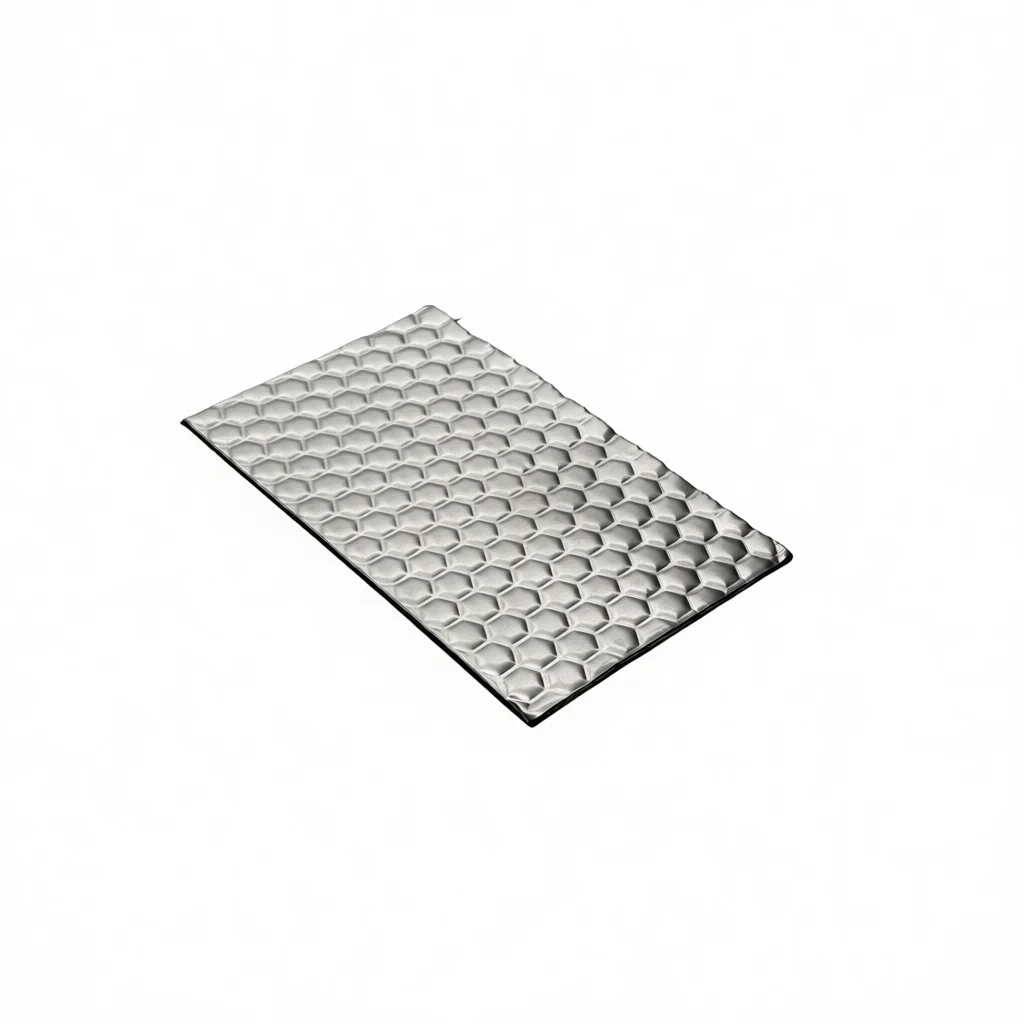
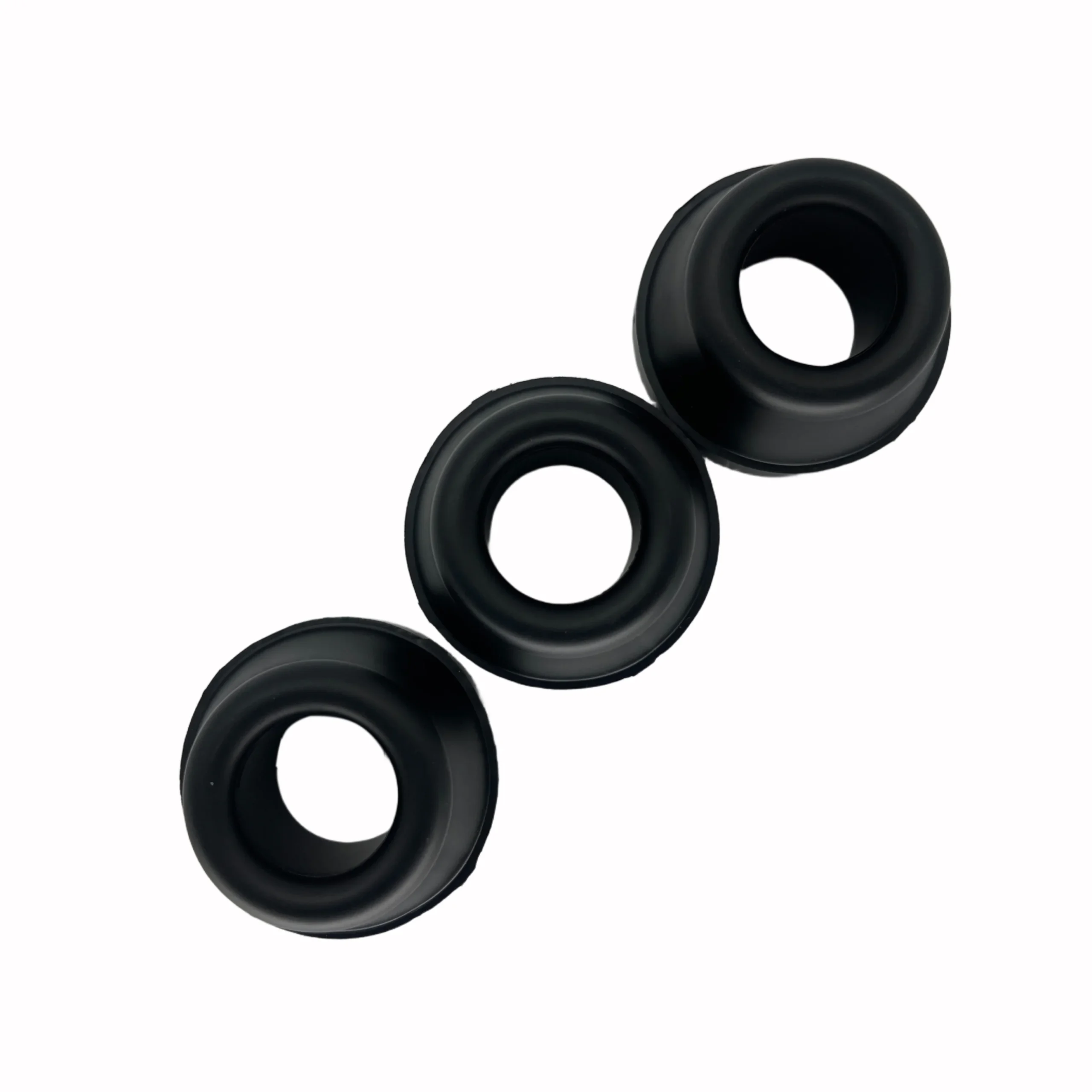
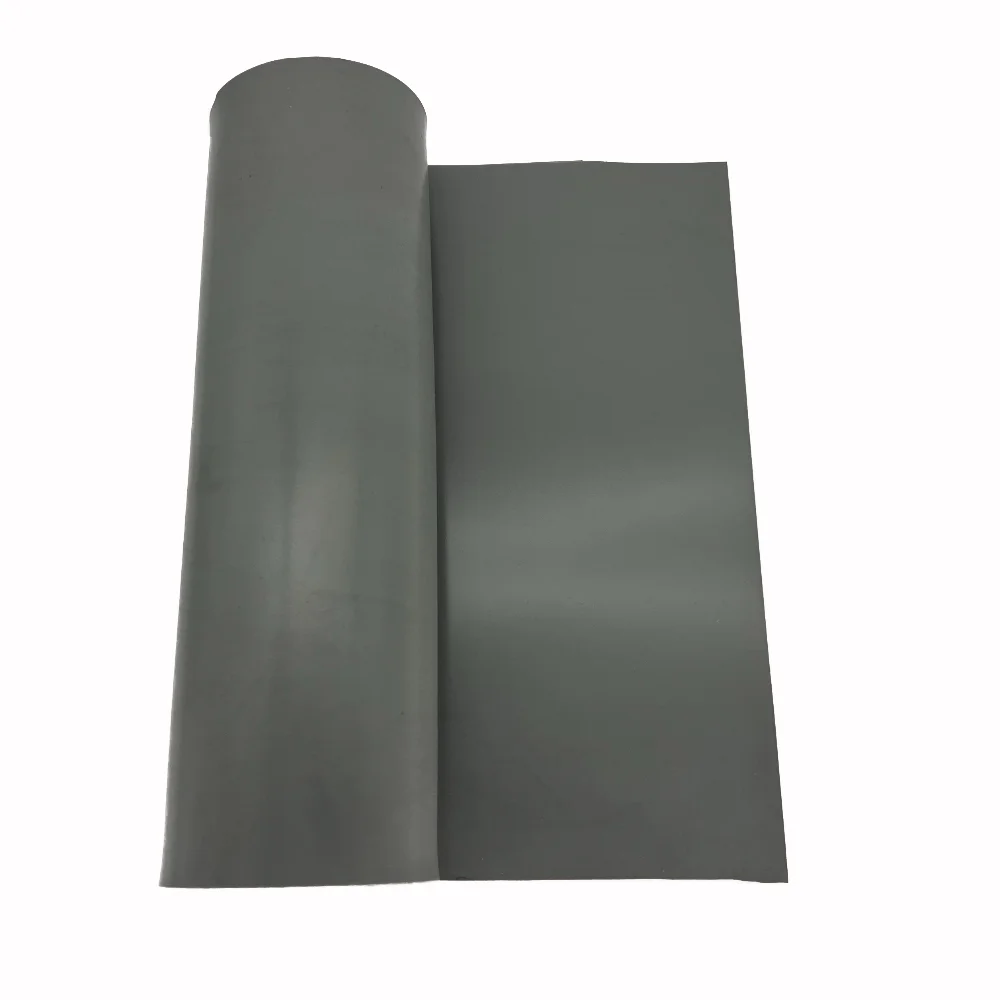
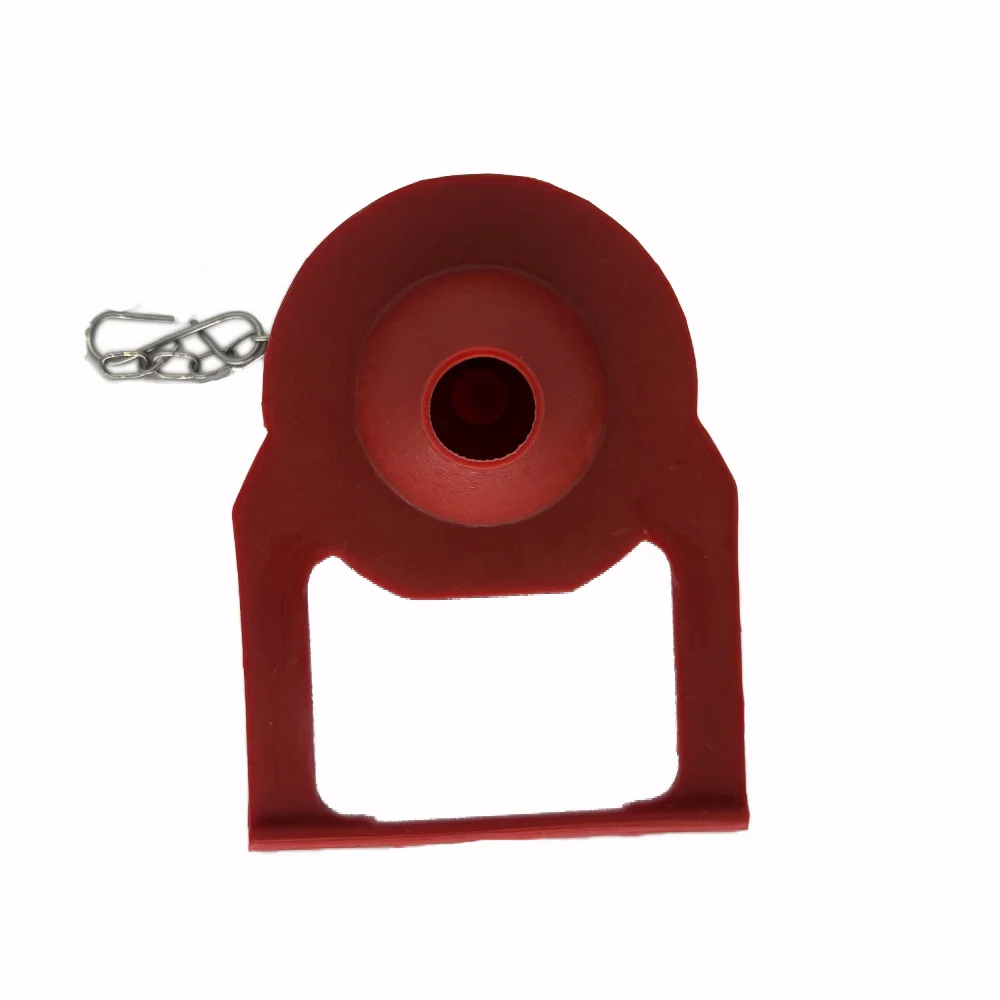
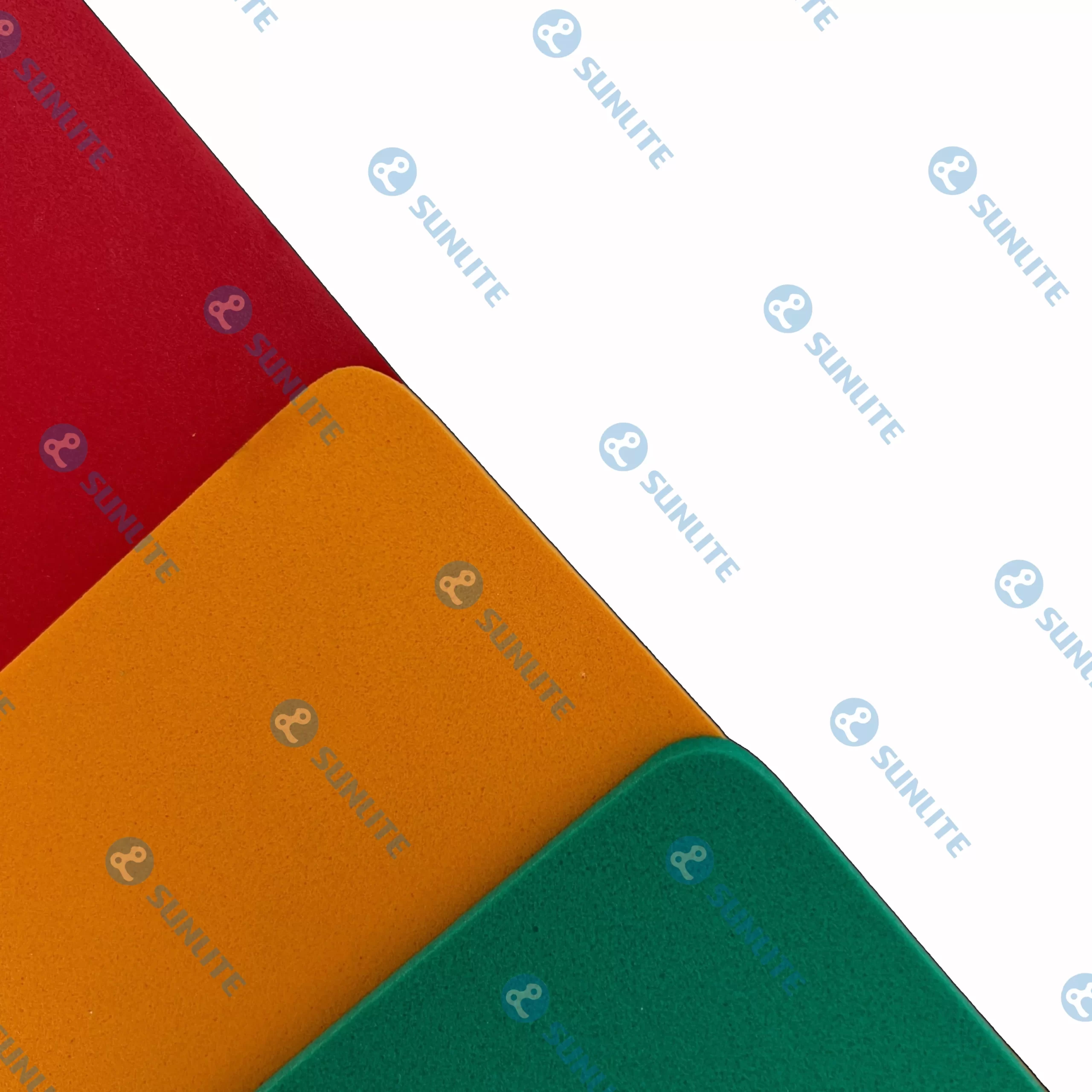
 If you’ve spent time around packaging engineers or NVH folks, you’ve probably heard about the Microcellular Polyurethane Cushioning Block. It’s one of those quiet components that make equipment feel premium—less rattle, longer life, cleaner assembly. Origin-wise, it comes from No. 16, Third Road, Zhangpeng Industrial Park, Machong Town, Dongguan City, Guangdong Province, China—an address I’ve visited; fast-moving shop floor, surprisingly tidy.
What’s trending (and why it matters)
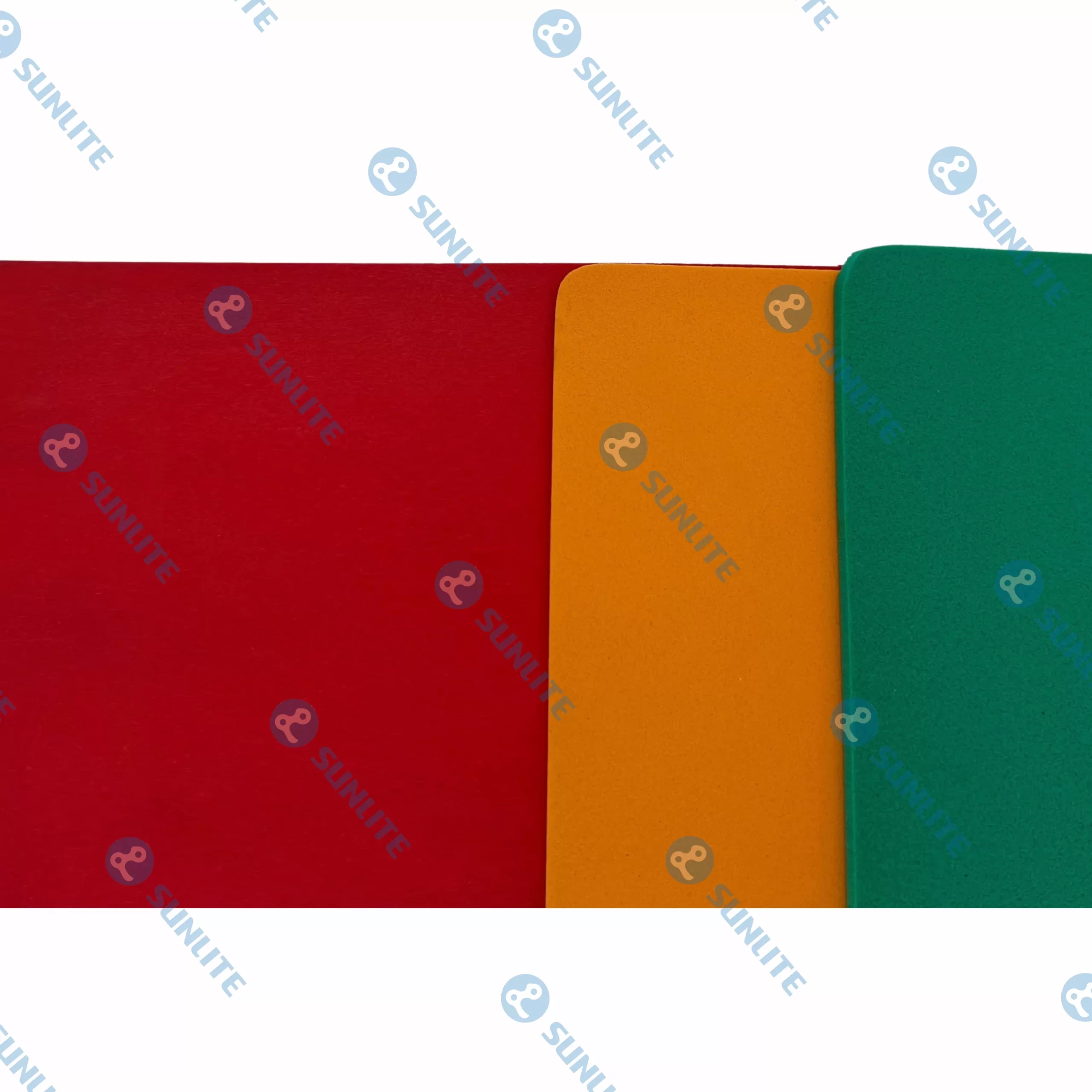
Three currents are pushing demand: electrification (battery packs hate shock), automation (robots need repeatable damping), and logistics (parcel drops are getting harsher). Many customers say they switched to Microcellular Polyurethane Cushioning Block from solid rubber to cut weight and improve rebound stability. To be honest, the oil and ozone resistance is a bonus on factory floors.
Core specs at a glance
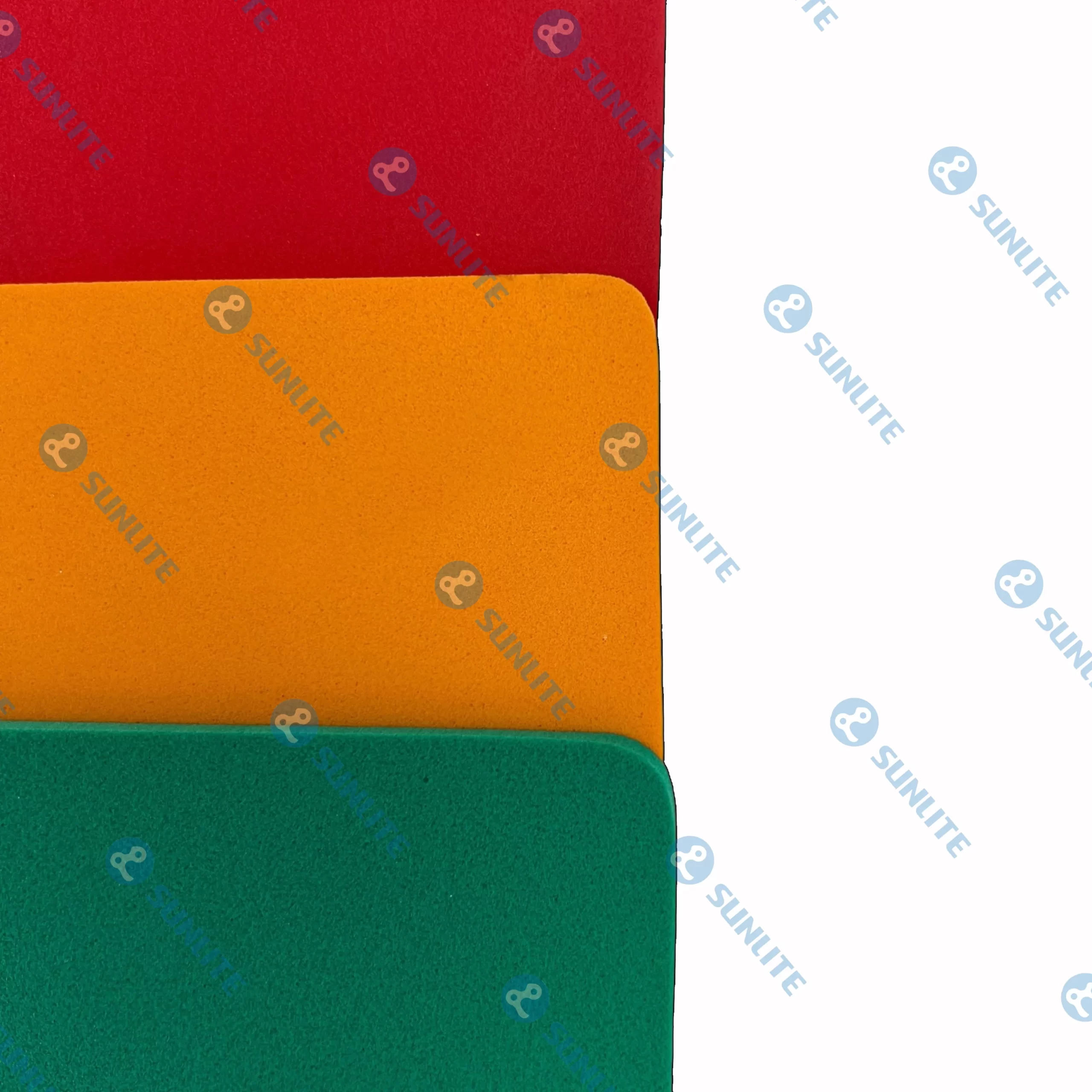
Lightweight, highly elastic, wear-resistant; oil- and weather-resistant from -40°C to 80°C. Real-world use may vary with load cycles and geometry, of course.
| Density | ≈0.28–0.45 g/cm³ |
| Hardness (Shore A) | ≈45–75 (ASTM D2240) |
| Compression Set @25%/24h | ≈4–10% (ASTM D3574) |
| Resilience (Ball Rebound) | ≈45–60% (ASTM D3574 H) |
| Tensile / Tear | ≈3–8 MPa / 15–35 kN/m (ASTM D412/D624) |
| Service life | around 5–10 years under typical duty cycles |
| Compliance | RoHS/REACH; optional UL 94 HB |
How it’s made (short version)
- Materials: polyether or polyester PU systems, chain extenders, catalysts, surfactants, blowing agents.
- Methods: reactive mixing, molded microcellular expansion, post-cure for dimensional stability.
- Finishing: die-cutting or CNC trimming; optional adhesive backing.
- Testing: ASTM D3574 (foam mechanics), D2240 (hardness), D412/D624 (tensile/tear), ISO 4892 (weathering).
- QC: lot traceability; IATF 16949/ISO 9001 workflows where automotive is involved.
Where it’s used
- EV battery modules, BMS brackets, and enclosure gasketing.
- Industrial robots and cobots for end-effector damping.
- Medical devices (portable pumps) for impact/anti-slip feet.
- Consumer appliances and electronics for drop/transport protection.
Advantages customers mention: predictable rebound, less creep than commodity foams, and solid chemical resistance in oily bays. One packaging engineer told me, “we cut damage claims by ~30% after switching to Microcellular Polyurethane Cushioning Block—and that was without redesigning the tray.”
Vendor snapshot (quick compare)
| Vendor | Customization | Lead Time | Certifications | Notes |
|---|---|---|---|---|
| Sunlite (Dongguan) | Hardness, density, die-cut, PSA | ≈10–18 days | ISO 9001, IATF 16949 (line-dependent) | Strong EV/robotics experience |
| Vendor A (general foam) | Limited hardness options | ≈2–4 weeks | ISO 9001 | Broader material mix, less PU focus |
| Vendor B (rubber blocks) | Custom shapes, fewer densities | ≈3–5 weeks | ISO 9001, some UL | Heavier; oil resistance varies |
Customization and quick cases
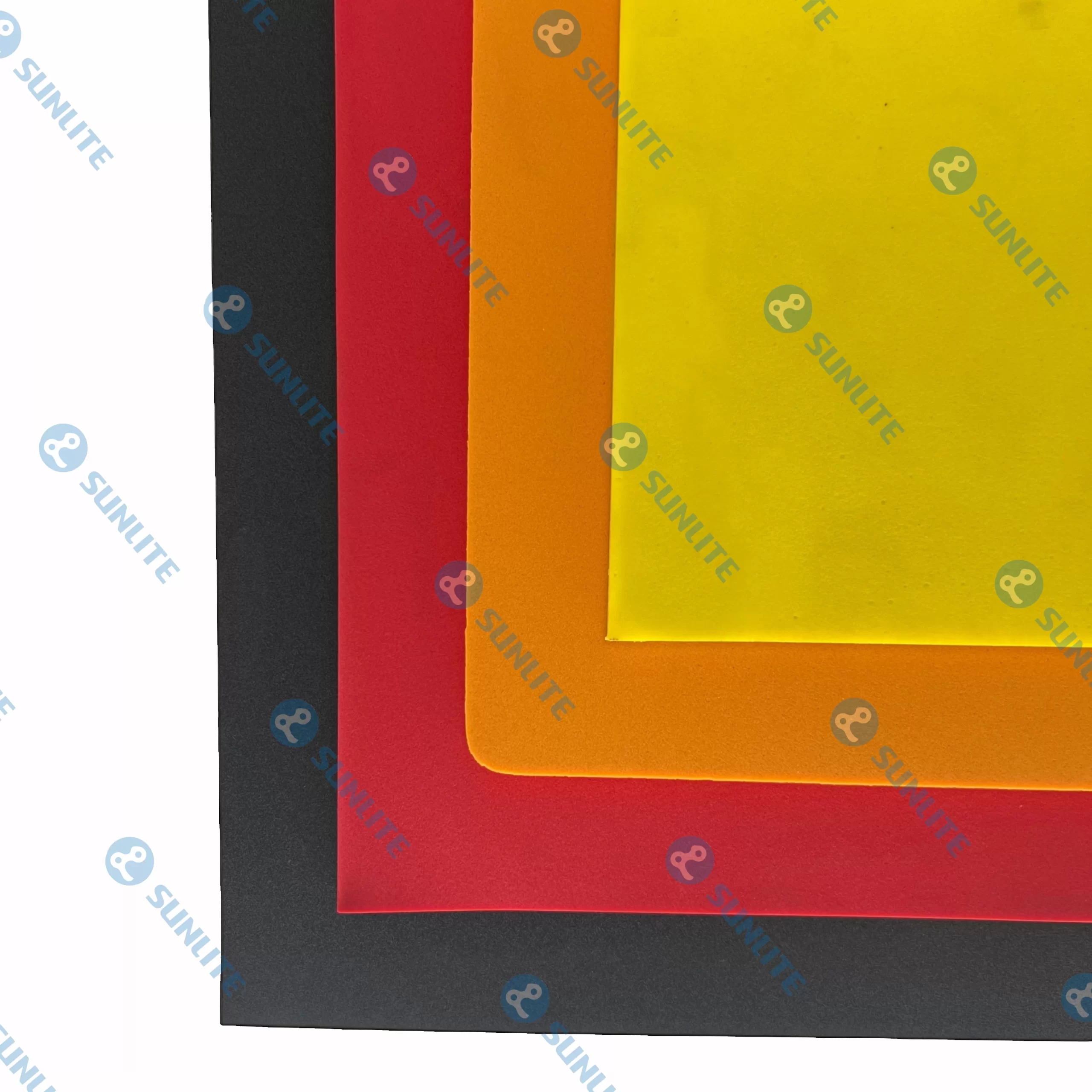
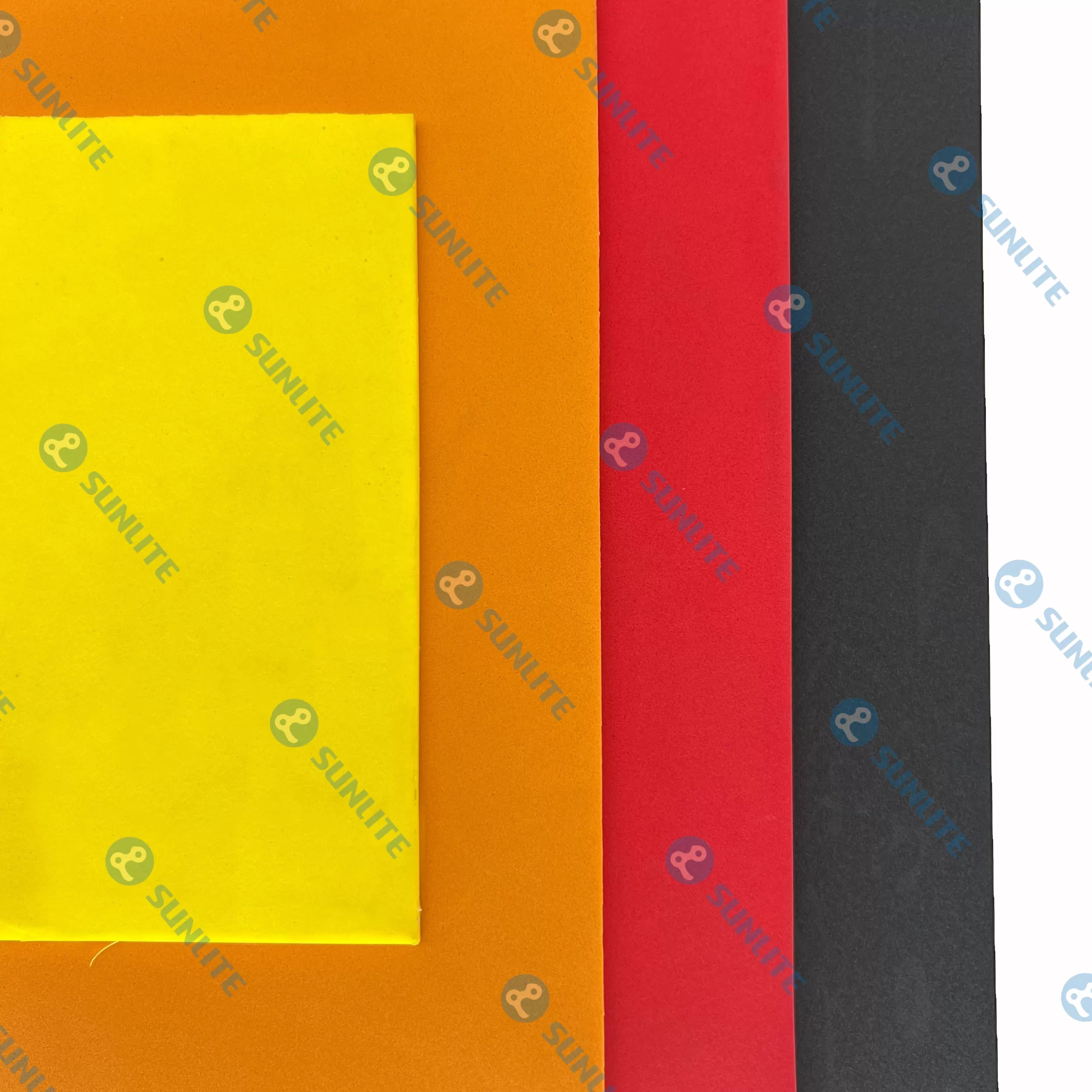
Options: hardness ±5 Shore A, density bands, thickness 2–50 mm, black/grey colors, kiss-cut parts on liners, VHB/PU-based PSA. MOQ is reasonable for pilots (I’ve seen around 1–2k pcs).
- EV battery pack: swapped rubber pads for Microcellular Polyurethane Cushioning Block, reduced pack buzz by 3–5 dB(A), maintained clamping force after 1k thermal cycles.
- Medical pump: cut unit weight by 12% and passed drop test at -20°C with no cracks.
- Automation tray: improved returnability; compression set stabilized near 7% at 25% deflection.
Standards, testing, and compliance
Validated against ASTM D3574 (foam properties), D2240 (hardness), D412/D624 (strength/tear). Weathering per ISO 4892, and materials designed to meet RoHS/REACH. For flame performance, ask for UL 94 HB data—some programs require it.
References:
- ASTM D3574 – Flexible Cellular Materials—Slab, Bonded, and Molded Urethane Foams.
- ASTM D2240 – Standard Test Method for Rubber Property—Durometer Hardness.
- ASTM D412 & D624 – Tensile and Tear Properties of Elastomers.
- ISO 4892 – Plastics—Methods of exposure to laboratory light sources.
- REACH Regulation (EC) No 1907/2006; UL 94 Flammability of Plastic Materials.

If you’ve spent time around packaging engineers o […]