

 Select Language
 Understanding Encapsulated O Rings Manufacturers: Why It Matters Worldwide
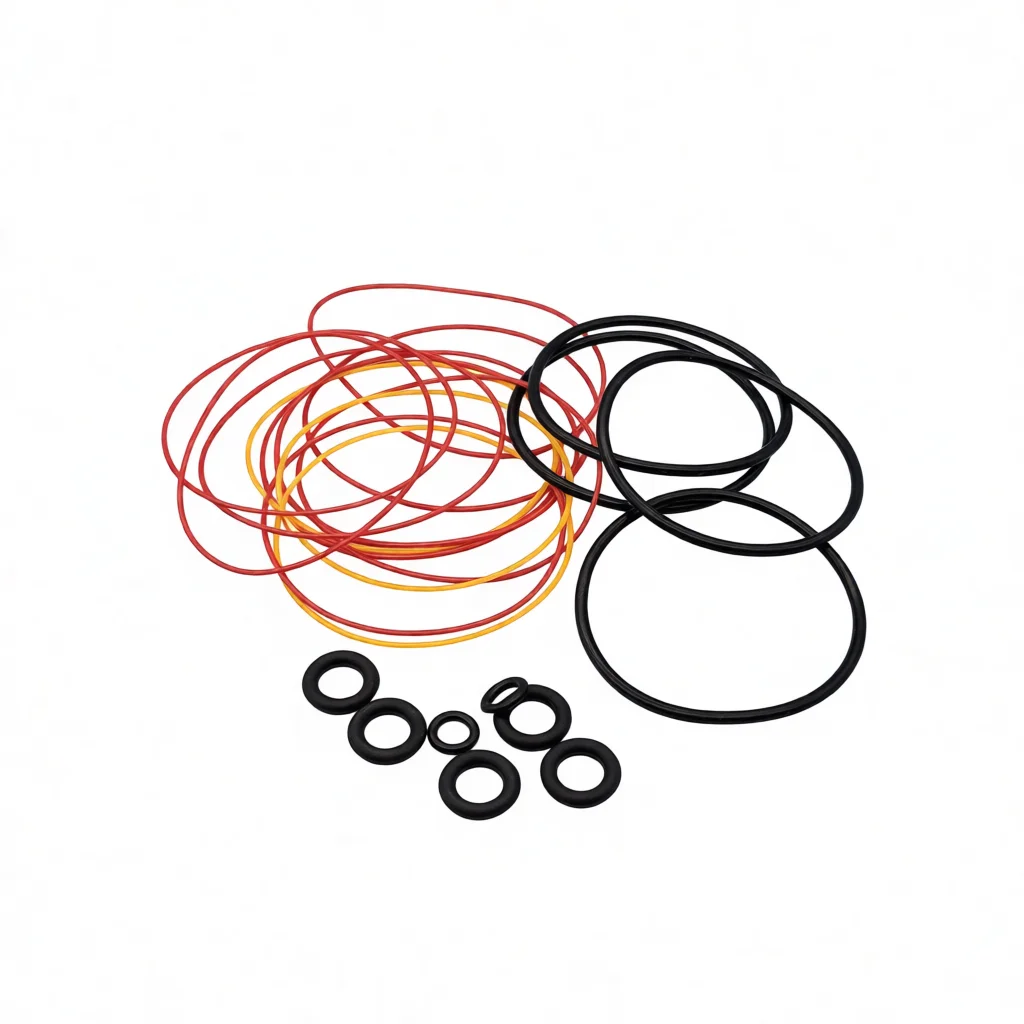
Encapsulated O rings might sound small and niche, but their impact across industries is surprisingly large. Simply put, these are sealing components with an elastomer core wrapped tightly in a protective outer layer — designed to handle tough environments without fail. When you peel back the layers (both literally and figuratively), you find that the manufacturers crafting these precise, durable seals are quietly holding up modern machinery, infrastructure, and even humanitarian equipment worldwide. Why should we care? Because encapsulated O rings are key to maintaining safety, efficiency, and longevity in equipment — think aerospace, oil and gas, or water treatment plants. If these tiny components fail, it could mean costly shutdowns, hazardous leaks, or catastrophic consequences in critical operations. Understanding who makes them and how they innovate is not just an industrial concern; it’s a global priority, especially as industries push for greener, more reliable technologies.Encapsulated O Rings Manufacturers in the Global Context
It turns out, demand for encapsulated O rings keeps growing — an undeniable trend backed by data from market analysts and standards bodies like ISO. Globally, industrial maintenance markets are projected to grow at 5-7% annually (source: ISO 3601 standards updates). This growth directly fuels the need for specialized o-ring producers who can guarantee quality and compliance internationally. But here’s the rub: different industries have different tolerance levels and standards. While aerospace demands stringent certifications, food processing plants often look for FDA-compliant materials. Then there’s the challenge of supply chain resilience. Post-pandemic disruptions spotlighted the risks of relying on scattered suppliers. Naturally, finding reliable encapsulated o rings manufacturers who can deliver quality on time, every time, is more than a convenience — it’s a necessity. Having specialized manufacturers who understand various global regulations and material science intricacies really keeps big operations chugging along without interruption.Mini Takeaway: The global demand for encapsulated o rings manufacturers is growing, influenced by diverse industrial needs and supply chain complexities that push quality and reliability to the forefront.
What Exactly Are Encapsulated O Rings Manufacturers?
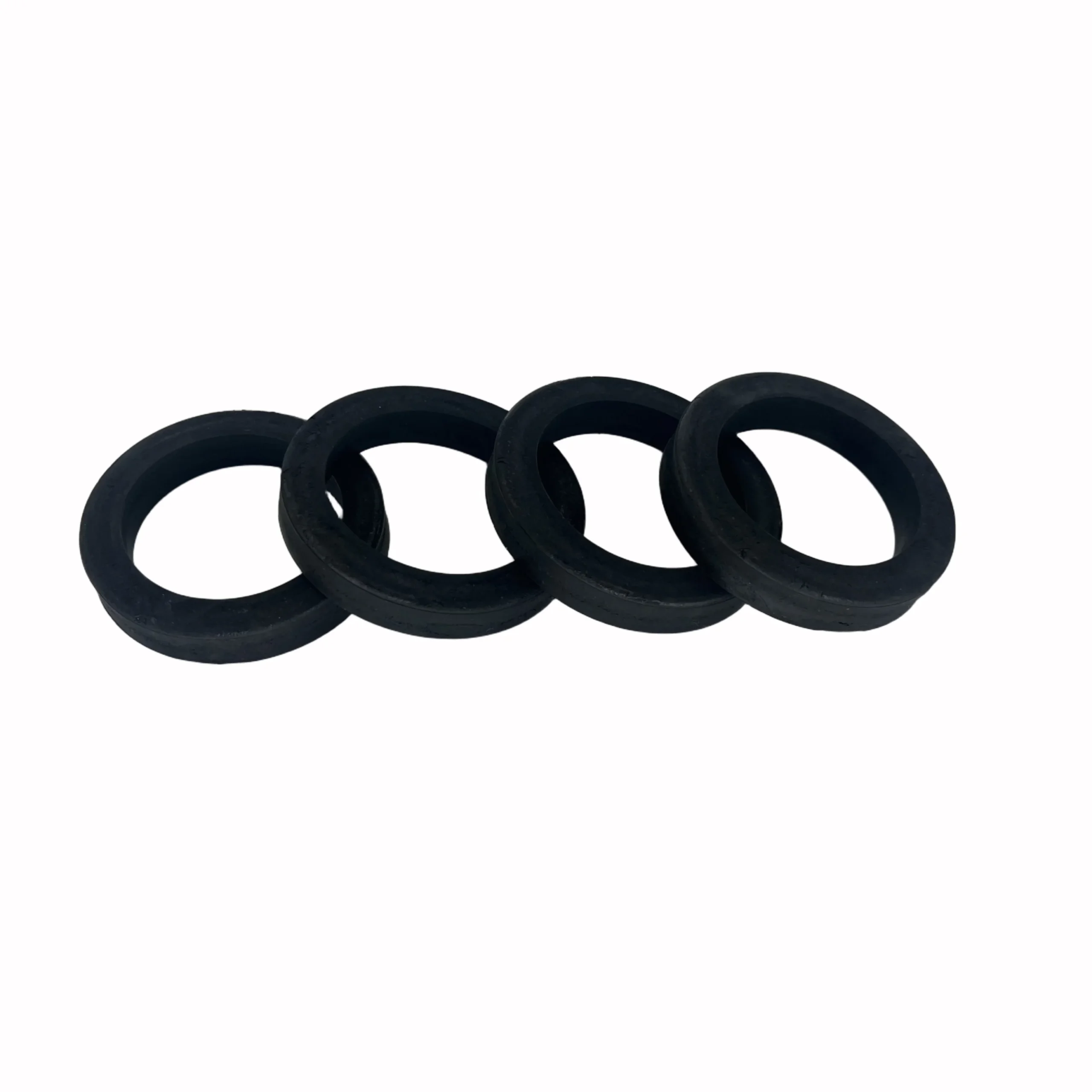
Encapsulated O rings manufacturers are companies specializing in producing O rings where an inner elastomer ring (the sealing core) is completely enclosed by a protective outer sheath — often made of PTFE (polytetrafluoroethylene) or other high-performance polymers. This encapsulation adds strength against chemical exposure, extreme temperatures, and mechanical wear. Think of them as the keepers of an advanced seal: by combining elasticity and toughness, encapsulated O rings prevent leaks in situations where standard O rings might degrade too fast. These manufacturers apply precision engineering, material science, and rigorous testing to deliver components that uphold industrial reliability. Their work enables smoother operations in everything from heavy machinery to delicate medical devices. Oddly enough, their products often go unnoticed — until something goes wrong! encapsulated o rings manufacturers typically serve sectors that demand zero leaks and long service lives — the backbone of modern equipment worldwide.Mini Takeaway: Simply put, encapsulated o rings manufacturers create advanced sealing solutions vital for industries needing enhanced durability and chemical resistance.
Key Factors That Define Quality in Encapsulated O Rings Manufacturers
1. Durability
The prime job of encapsulated O rings is to last — often in high-pressure, high-heat, or corrosive environments. Manufacturers select core elastomers like nitrile or FKM and pair them with PTFE encapsulation to enhance lifespan. In real terms, durability means fewer maintenance calls and safer equipment.2. Material Expertise
Not all elastomers or encapsulating polymers are created equal. Leading manufacturers understand how to blend chemical resistance, flexibility, and temperature tolerance. This knowledge allows customization depending on specific industrial demands.3. Precision Manufacturing
Tolerance is everything. Even a 0.01 mm variation can cause sealing failure. Modern manufacturers use CNC machining, automated quality checks, and leak testing to ensure each O ring meets exact specs.4. Scalability and Customization
From small batches for prototype testing to mass production for global projects, flexible manufacturing capacity is crucial. Custom sizes, colors, or certifications also separate top vendors from generic suppliers.5. Compliance and Testing
Certification by bodies like ISO 9001 and adherence to industry-specific norms (FDA, NSF, ASTM) assure product consistency. Many manufacturers also run accelerated aging tests, ensuring seals don’t suddenly fail in the field.Mini Takeaway: Durability, material mastery, manufacturing precision, scalability, and compliance form the backbone of what good encapsulated O rings manufacturers provide.
Encapsulated O Rings in Real-world Applications
These seals find themselves all over the map. In Middle Eastern oil fields, manufacturers supply encapsulated O rings resistant to harsh chemicals and blazing heat, ensuring pipeline safety. Meanwhile, in Scandinavian manufacturing plants, their resistance to extreme cold and fluctuating pressures is mission-critical. In the humanitarian sphere, when emergency water purification units get deployed after natural disasters, encapsulated O rings ensure valves and pumps keep working — often under unpredictable conditions. NGOs rely on such robustness for basic needs like clean water delivery. Even aerospace sectors, where a minor leak could lead to serious issues, lean heavily on specialized manufacturers to deliver flaw-free parts per strict aerospace standards.Mini Takeaway: Industries ranging from oil and gas to disaster response depend on encapsulated o rings manufacturers to maintain equipment reliability in high-stakes environments.
Product Specifications at a Glance
| Specification | Typical Values | Notes |
|---|---|---|
| Core Material | Nitrile Rubber (NBR), FKM, EPDM | Chosen by application requirements |
| Encapsulation Material | PTFE (Teflon), PFA | For chemical and thermal protection |
| Operating Temp. Range | -60°C to +260°C | Varies by material combination |
| Pressure Range | Up to 5000 psi (approx. 345 bar) | Suitable for heavy industrial applications |
| Standard Sizes | AS568, metric sizes | Custom sizes available |
Comparing Leading Encapsulated O Rings Manufacturers
| Manufacturer | Material Range | Certifications | Lead Time | Customization |
|---|---|---|---|---|
| Sunlite Tek | NBR, FKM, EPDM + PTFE | ISO 9001, FDA, RoHS | 2-4 weeks | High (sizes, colors, grades) |
| Global Seal Co. | FKM, Viton + PFA | ISO 14001, ASTM | 4-6 weeks | Moderate |
| SealTech Intl. | NBR, EPDM + PTFE | FDA, RoHS | 3-5 weeks | High |
Advantages and Long-Term Value of Choosing the Right Manufacturer
Picking the right encapsulated O rings manufacturer brings more than just a seal: it’s about forging trust with your supply chain, reducing downtime, and staying compliant with evolving environmental and safety regulations. Cost-wise, investing in premium encapsulated seals often means lower replacement frequency and less energy wasted on inefficient seals. Socially, reliable seals mean safer workplaces and fewer environmental incidents from leaks. Quite often, engineers I’ve talked to say the peace of mind from consistent quality beats any short-term cost saving on generic parts. The innovation these manufacturers bring also fuels broader trends — like establishing circular economies by using recyclable materials or designing seals for easier maintenance. In other words, it’s a win for business, people, and planet.Mini Takeaway: A reliable encapsulated O rings manufacturer isn’t just a supplier — they’re a partner driving safety, sustainability, and cost efficiency.
Looking Ahead: Future Trends in Encapsulated O Rings Manufacturing
The future? It’s green, digital, and smart. Manufacturers are exploring bio-based elastomers and encapsulations that reduce environmental footprints. Additive manufacturing (3D printing) is on the rise too, offering ultra-customized shapes with faster turnarounds. Digital twin technologies are entering quality testing, enabling real-time predictive maintenance through IoT sensors buried within equipment seals. Automation streamlines production while still giving room for bespoke orders — crucial because “one size fits all” never quite works here. Plus, with stricter global emissions policies, manufacturers focus on materials that better resist leakage of hazardous substances — expanding their role in supporting global sustainability goals like those outlined by the UN SDGs (Sustainable Development Goals).Common Challenges and Solutions in the Industry
A common snag? Matching material characteristics precisely to demanding applications often requires trial and error. Some materials last long chemically but crack under thermal cycling. Others resist heat but aren’t flexible enough. Solution: collaboration. Many encapsulated O rings manufacturers now work closely with end-users to tweak formulas or encapsulating techniques. Rapid prototyping and iterative testing cycles help avoid costly failures. Supply chain disruptions also challenge manufacturers—so many are pushing for regional manufacturing hubs or digital inventory systems to buffer delays.FAQ: Frequently Asked Questions About Encapsulated O Rings Manufacturers
Q1: What industries most commonly use encapsulated O rings?A1: Industries like oil and gas, aerospace, pharmaceuticals, and food processing frequently rely on encapsulated O rings because of their superior sealing performance in extreme conditions and compliance with industry-specific regulations.
Q2: How do encapsulated O rings differ from standard O rings?
A2: Unlike standard O rings made solely of elastomer, encapsulated O rings have a protective outer layer (usually PTFE) that guards against chemicals, temperature extremes, and mechanical wear — extending service life and expanding usability.
Q3: Can manufacturers customize encapsulated O rings for unique applications?
A3: Absolutely. Top-tier manufacturers offer custom sizes, materials, and certification options tailored to client industries, ensuring compatibility with demanding environments or regulatory requirements.
Q4: What should I look for when selecting an encapsulated O rings manufacturer?
A4: Look for material expertise, quality certifications, manufacturing precision, scalability, and transparent testing protocols. Reliable lead times and responsive customer service are also key indicators.
Q5: Are encapsulated O rings environmentally sustainable?
A5: Many manufacturers are adopting greener materials and processes. While traditional materials like PTFE are not biodegradable, advancements in bio-based polymers and recycling programs are gradually improving sustainability profiles.
Conclusion: Why the Right Encapsulated O Rings Manufacturer Makes All the Difference
Ultimately, encapsulated O rings manufacturers supply much more than sealing rings — they provide a foundation of safety, efficiency, and innovation vital to countless global industries. Their expertise protects equipment from failures, reduces environmental hazards, and helps businesses meet ambitious sustainability goals. Thinking about upgrading your seals or seeking a trusted supplier? It’s worth connecting with reputable experts like encapsulated o rings manufacturers. Your equipment — and peace of mind — depend on it.Thanks for sticking through this deeper dive. It’s one of those small corners of the industrial world that quietly supports so much. Funny how the tiniest parts sometimes shape the biggest outcomes...
References:
Understanding Encapsulated O Rings Manufacturers: Why I […]