Select Language
 Ball Joint is a key solution in the manufacturing industry, specifically within General equipment manufacturing industry and Manufacturing of bearings, gears, and transmission components. This article explores how Guangdong Sunlite Technology Co., Ltd. supports professionals with durable, high-performance products, and explains why this product is an ideal choice for businesses in these sectors.
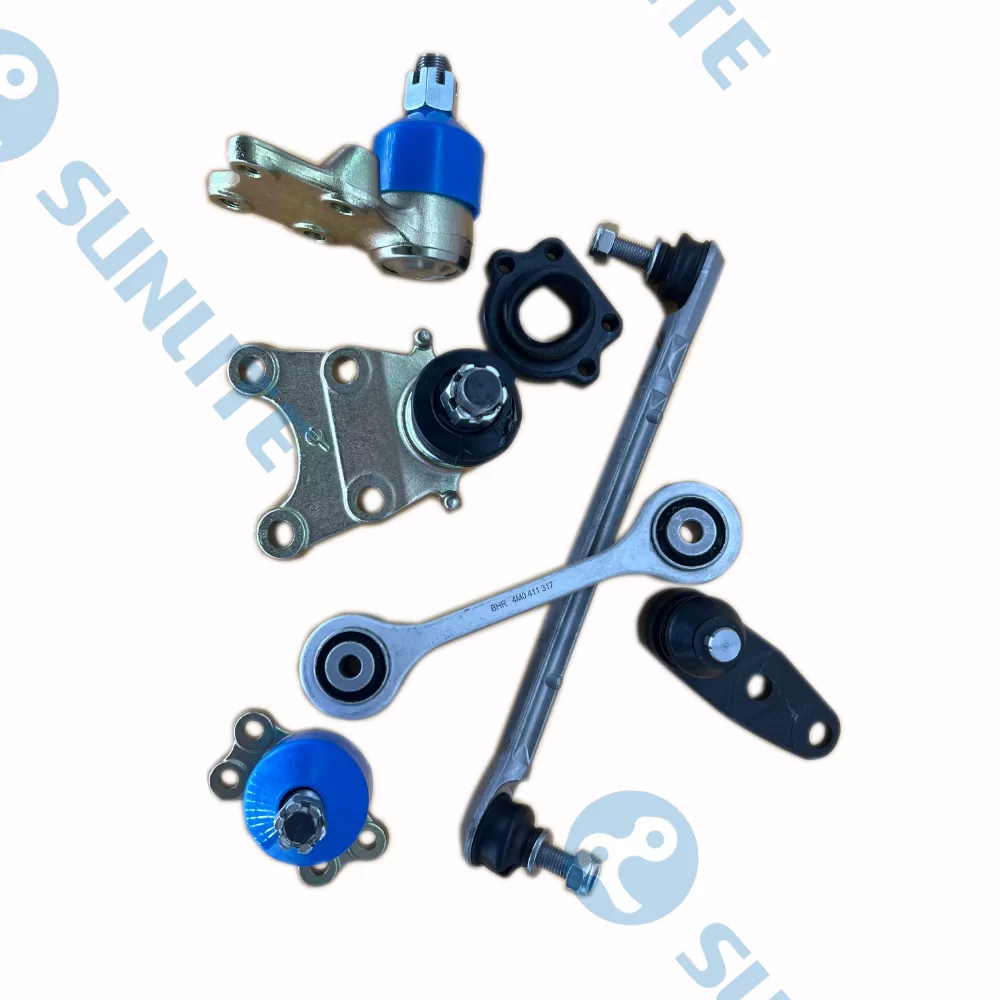
Table of Contents
- Ball Joint Overview
- Benefits & Use Cases of Ball Joint in Manufacturing of bearings, gears, and transmission components
- Cost, Maintenance & User Experience
- Sustainability & Market Trends in manufacturing
- Conclusion on Ball Joint from Guangdong Sunlite Technology Co., Ltd.
Ball Joint Overview
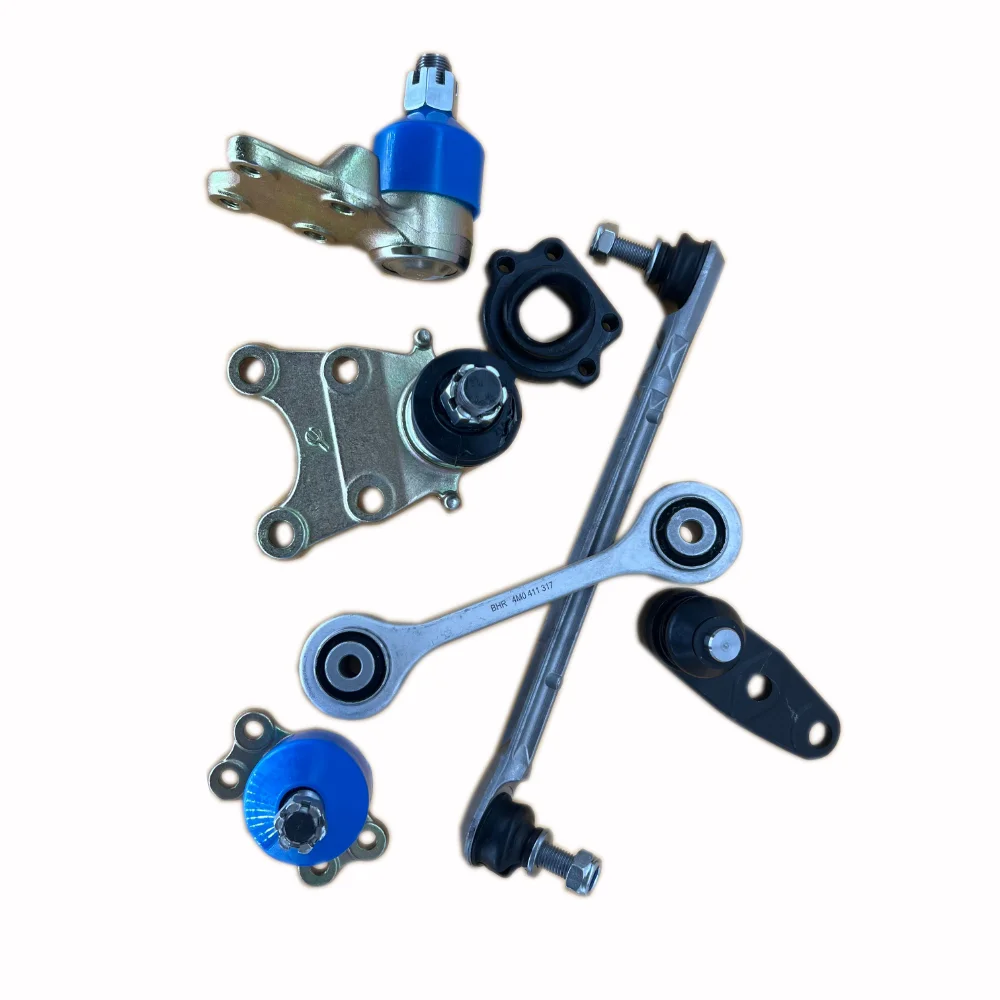
A Ball Joint is a spherical bearing that allows multi‑axis articulation while transmitting force, making it indispensable anywhere motion, load, and alignment must coexist. In the manufacturing of bearings, gears, and transmission components, ball joints connect actuators, jigs, and fixtures to moving mechanisms, absorbing misalignment, dampening vibration, and preserving precision. Typical configurations include male or female threaded ends, metal‑to‑metal or PTFE‑lined interfaces, and sealed or open designs for different environments. Options span metric and inch threads, various housing materials (such as alloy or stainless steel), and surface finishes for corrosion protection.
For B2B decision makers, the value of a ball joint lies in consistent tolerances, predictable performance, and interchangeability. Guangdong Sunlite Technology Co., Ltd. manufactures Ball Joint solutions with a focus on process control, dimensional accuracy, and application engineering support. Whether you need compact joints for constrained assemblies or heavy‑duty units for shock loads, Sunlite aligns product selection with target load ratings, angular travel, and life expectations. In production cells (e.g., indexing conveyors or gear hobbing auxiliaries), upgrading to sealed, low‑friction ball joints can help reduce manual re‑lubrication and stabilize takt time across shifts.
Benefits & Use Cases of Ball Joint in Manufacturing of bearings, gears, and transmission components
Within bearing, gear, and transmission component manufacturing, Ball Joint components are widely used in grippers and end‑effectors, transfer lines, press feeders, gauge fixtures, conveyor diverters, and torque‑reaction arms. On gear hobbing and honing machines, they enable precise linkage motion under continuous cycling. In transmission assembly, they maintain alignment across palletized conveyors while tolerating real‑world misalignments that would otherwise accelerate wear on adjacent parts.
Key benefits include: - Angular misalignment compensation without sacrificing stiffness - High load capability in compact envelopes - Options for PTFE liners for low friction and reduced maintenance - Sealed designs to keep contaminants out and lubrication in - Corrosion‑resistant finishes for coolant‑rich or outdoor environments - Easy installation via standardized thread forms and lengths.
Guangdong Sunlite Technology Co., Ltd. brings engineering depth to these applications, helping OEMs select ball joint geometries that balance load, travel, and life. For fast‑moving lines, Sunlite can recommend sealed or pre‑lubricated models to minimize scheduled stops. For heavy‑shock stations (e.g., forming or press operations), metal‑to‑metal constructions can be prioritized for robustness. This application‑driven approach helps reduce unexpected downtime and supports more consistent OEE in demanding production environments.
Cost, Maintenance & User Experience
Total cost of ownership for a Ball Joint extends beyond purchase price. Material selection, sealing approach, and liner style directly influence service intervals, labor time, and line availability. Sealed, PTFE‑lined joints often reduce lubrication requirements, lower friction, and help keep conveyors and fixtures cleaner. Greaseable, metal‑to‑metal designs can be ideal where shock loads and high impact are routine, with planned maintenance integrated into daily or weekly checks.
From a maintenance standpoint, standardize on thread sizes and mounting styles to reduce SKU count and simplify spares management. Inspect boots or seals during routine checks, verify articulation remains smooth without binding, and replace joints showing excessive play, corrosion, or torn seals. Many users in general equipment manufacturing report fewer micro‑stoppages after moving to sealed, pre‑lubricated Ball Joint configurations—helping stabilize cycle times and reduce rework. Procurement teams appreciate consistent lead times and dimensional repeatability, which support predictable MRO planning and avoid expedited freight.
The ROI typically appears in reduced downtime, fewer lubrication tasks, and longer service life of adjacent components (shafts, actuators, and fixtures). Guangdong Sunlite Technology Co., Ltd. supports this with application guidance and reliable supply, allowing plant managers to align joint specifications with target lifecycle and operating conditions.
Sustainability & Market Trends in manufacturing
Manufacturers are under pressure to improve reliability and sustainability simultaneously. Ball Joint selection plays a subtle but important role. Longer‑life, sealed designs reduce lubricant consumption and help prevent contamination in machining cells. Low‑friction liners can cut energy losses in automated motion systems, while corrosion‑resistant materials extend service life in coolant‑rich or high‑humidity environments, reducing scrap and replacement frequency.
Market trends point to increased automation, cobots, and flexible production lines—areas where compact, high‑precision joints are essential for safe, repeatable motion. Predictive maintenance initiatives also favor components with stable performance signatures and clear wear indicators, simplifying condition‑based replacement. Packaging optimization and responsible material usage are becoming standard requirements across Tier‑1 and Tier‑2 supply chains.
Guangdong Sunlite Technology Co., Ltd. approaches these trends with a focus on efficiency, waste reduction, and design for application fit. By helping customers select Ball Joint configurations that run longer with less maintenance, Sunlite supports both sustainability targets and cost objectives. Upon request, products can be specified to align with common environmental directives and customer sustainability frameworks, helping enterprises meet internal and external ESG commitments.
Conclusion on Ball Joint from Guangdong Sunlite Technology Co., Ltd.
For manufacturers of bearings, gears, and transmission components, a well‑specified Ball Joint is a small part with outsized impact—stabilizing motion, tolerating misalignment, and protecting upstream and downstream assets. Guangdong Sunlite Technology Co., Ltd. delivers dependable, application‑driven solutions that balance load capacity, friction, and service life to elevate line reliability and total cost of ownership.
Ready to optimize your assemblies and fixtures?
Contact us: email: overseas@sunlitetek.com
Visit our website: https://www.sunlitetek.com

Ball Joint is a key solution in the manufacturing indus […]