Select Language
 What’s Moving the Market for Polymer Damping Composites in 2025
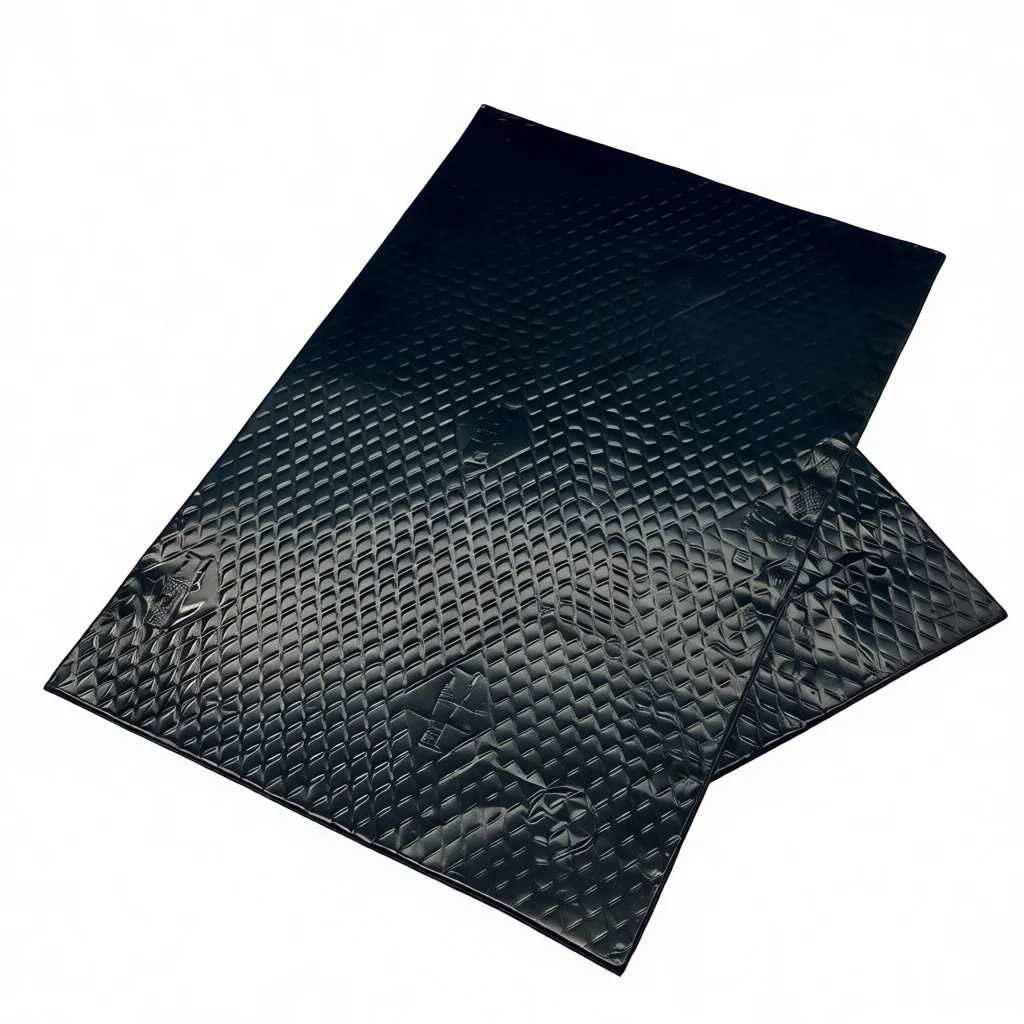
If you spend time in vehicle NVH labs or around HVAC OEMs, you’ve probably noticed the quiet revolution (literally). Panels that used to buzz now behave. A big reason is the polymer damping composite sheet—think butyl rubber plus foil, tuned for loss factor and practical to install. To be honest, the best examples feel deceptively simple: peel, place, press, and the resonance drops.

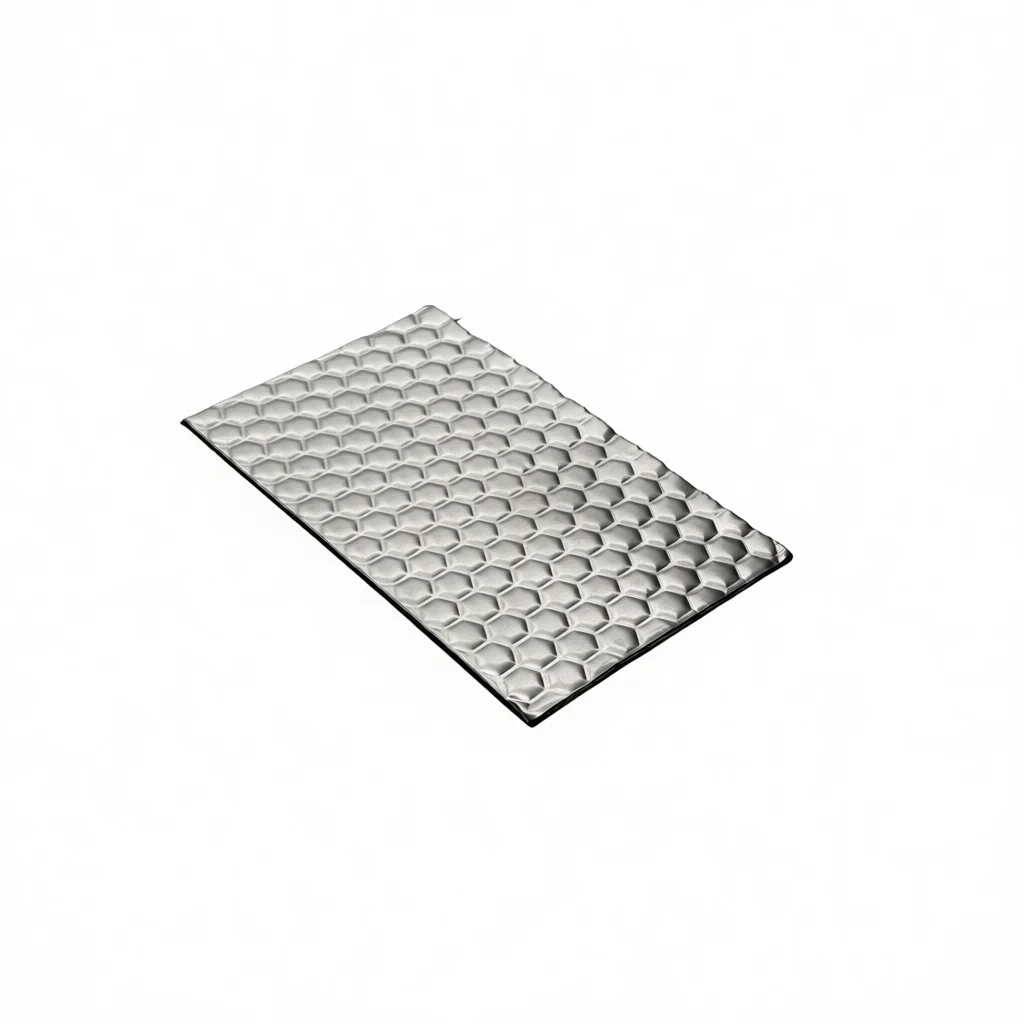
Product snapshot: Vibration Damping Plate
Origin: No. 16, Third Road, Zhangpeng Industrial Park, Machong Town, Dongguan City, Guangdong Province, China. Many customers say it’s “easy to fit, non‑shedding, and cuttable,” which matches my own shop-floor experience.
Core stack: butyl rubber damping layer + composite aluminum foil. Targets: noise reduction, vibration damping, and moisture resistance. And yes, it sticks—without the mess.
| Parameter | Spec (typical) |
|---|---|
| Thickness | ≈ 1.5–3.0 mm (customizable) |
| Backing Foil | Aluminum 50–100 μm |
| Area Mass | ≈ 3.0–5.0 kg/m² |
| Loss Factor η (ASTM E756) | 0.20–0.35 @ 200 Hz, 20°C (real‑world use may vary) |
| Peel Adhesion (PSTC‑101) | ≈ 18–22 N/25 mm @ 23°C |
| Temperature Range | -40°C to +120°C (short peaks to 150°C) |
| Compliance | RoHS, REACH; FMVSS 302 pass |
Process and quality flow
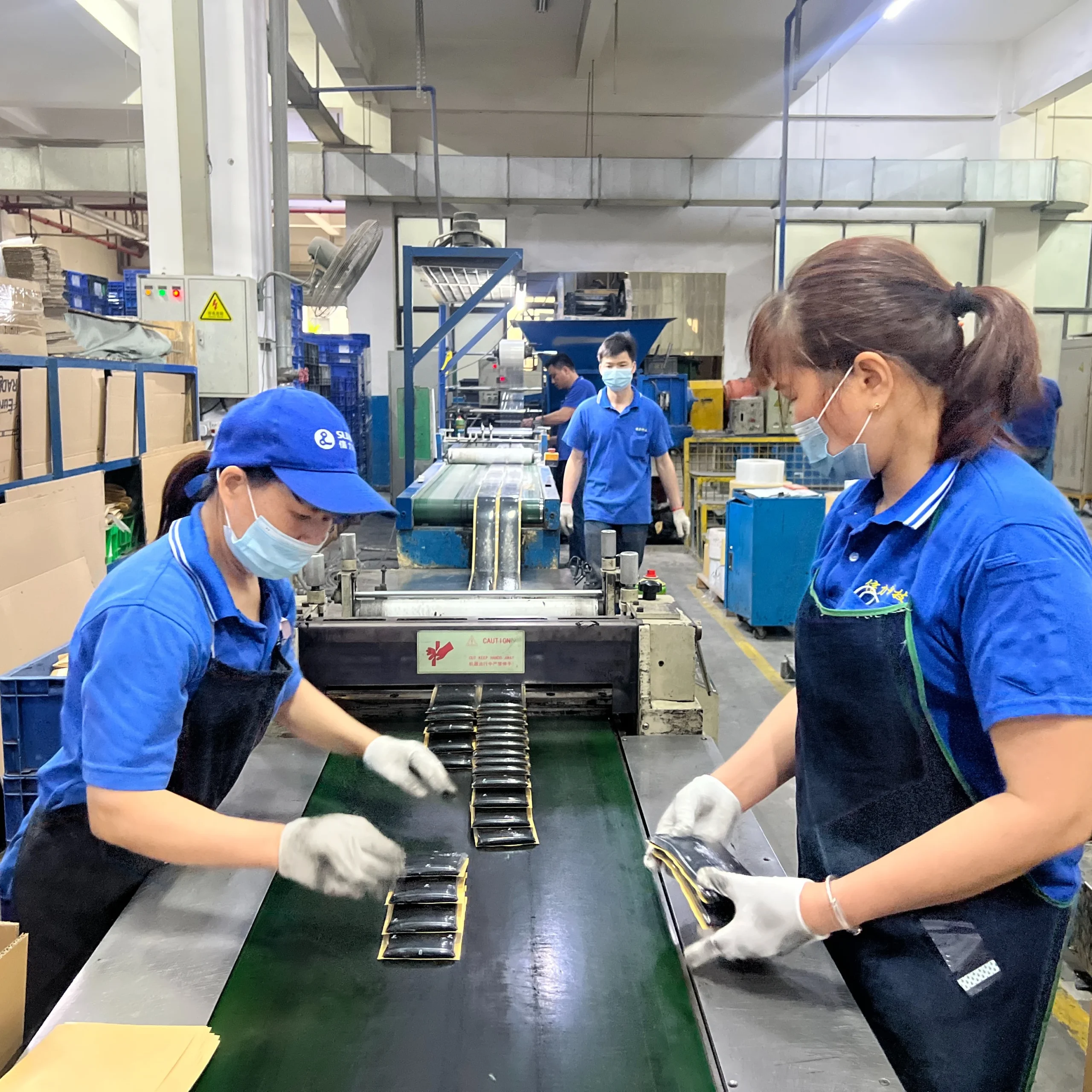
Materials: refined butyl rubber, mineral fillers, elastomeric modifiers, tackifiers; laminated to aluminum foil with a release liner. Methods: compounding → calendaring → foil lamination → precision slitting/die‑cutting. Testing: loss factor by ASTM E756/ISO 6721, peel by PSTC‑101, flammability per FMVSS 302, and environmental cycling (humidity/thermal shock). Service life: around 8–12 years in automotive interiors (I’ve seen older panels still doing fine).

Where it works (and why)
- Automotive: doors, roofs, wheel arches, trunk floors; EV battery enclosures (careful with thermal budgets).
- Appliances/HVAC: compressor housings, ducts, panels.
- Industrial: machine guards, metal cabinets, sheet‑metal kiosks.
- Rail/marine interiors where moisture resistance helps a lot.
Advantages of a polymer damping composite sheet: predictable panel loss factor, simple installation, corrosion and moisture resistance, and—surprisingly—nice weight‑to‑benefit tradeoffs when tuned to the resonance peak.
Vendor landscape (quick take)
| Vendor / Model | Base | η @ 20°C (≈) | Lead Time | Notes |
|---|---|---|---|---|
| Sunlitetek Vibration Damping Plate | Butyl + Al foil | 0.20–0.35 | ≈ 2–3 weeks | Strong customization, value pricing |
| 3M 2552 (example) | Acrylic CLD | 0.18–0.30 | Stock‑dependent | Great consistency; premium cost |
| Nitto 686 series (example) | Butyl | 0.20–0.32 | ≈ 3–5 weeks | Strong automotive presence |

Customization and integration
Options: thickness and foil gauge, pre‑applied logos, kiss‑cut kits for door assemblies, odd‑shaped die‑cuts, even batch‑specific tuning of modulus for cold climates. For a polymer damping composite sheet in EV battery covers, thermal constraints often dictate foil thickness—worth a quick DVP check.
Field data and feedback
- Automotive door panel: -3.1 dB(A) cabin SPL at 200–400 Hz band, 1.8 mm sheet, ASTM E756 tuned; internal test, sample size 8.
- HVAC compressor shroud: panel resonance Q-factor reduced ~40%, operator perceived noise down ~2.5 dB(A).
- Machine tool cabinet: +8–12 dB insertion loss at resonance vs. bare steel, per lab modal sweep; your mileage may vary.
Customer notes: “Cuts clean, no crumbly edges.” “Adhesion held after salt‑spray.” “We liked the consistent roll flatness.”

Standards, certifications, and compliance
Tested to ASTM E756 and ISO 6721 for viscoelastic behavior; peel via PSTC‑101; flammability FMVSS 302. Typical quality systems: ISO 9001; many automotive programs expect IATF 16949. Materials are RoHS and REACH compliant. For cabin apps, some buyers additionally run SAE J1400 acoustics validation.
Citations:
- ASTM E756 – Standard Test Method for Measuring Vibration‑Damping Properties of Materials
- ISO 6721 – Plastics: Determination of dynamic mechanical properties
- FMVSS 302 – Flammability of Interior Materials
- RoHS Directive 2011/65/EU (and amendments)
- REACH Regulation (EC) No 1907/2006
- PSTC‑101 – Peel Adhesion of Pressure‑Sensitive Tape
- SAE J1400 – Laboratory Measurement of Sound Absorption of Automotive Materials

What’s Moving the Market for Polymer Damping Comp […]