Select Language
 Understanding the Faucet Rubber Ring: Why It Matters Globally
If you’ve ever fixed a dripping tap, chances are you encountered a tiny but mighty component — the faucet rubber ring. While it’s often overlooked, this small piece plays a pivotal role in plumbing systems worldwide. From preventing leaks in homes to ensuring water safety in large industrial setups, the faucet rubber ring quietly supports a seamless flow of life’s most essential resource. Globally, water wastage due to leaking taps accounts for billions of gallons annually, raising environmental and financial concerns that impact urban and rural communities alike. Understanding this ring’s function, materials, and applications isn’t just for plumbers — it’s a modest key to better water conservation and sustainability. In essence, the faucet rubber ring contributes to lessening water loss, reducing maintenance costs, and improving durability in faucets everywhere. It’s one of those unsung heroes in everyday infrastructure that quietly powers sanitation and hygiene worldwide.The Global Relevance of Faucet Rubber Rings
Consider this: according to the United Nations, approximately 2 billion people live without access to safely managed drinking water services (UN Water Report, 2023). Plumbing infrastructure like faucets and their seals are vital in bridging that gap. Leakages, often caused by worn-out components like rubber rings, contribute significantly to water wastage — the Environmental Protection Agency estimates that household leaks waste over 1 trillion gallons yearly in the United States alone. This challenge presents a global opportunity for innovation in faucet components, especially with the rising push for sustainable water management under frameworks like the UN Sustainable Development Goals (SDG 6). Better materials and improved manufacturing techniques for faucet rubber rings can directly reduce leakage rates, improve faucet longevity, and support hygiene standards in both developing and developed nations.What Is a Faucet Rubber Ring?
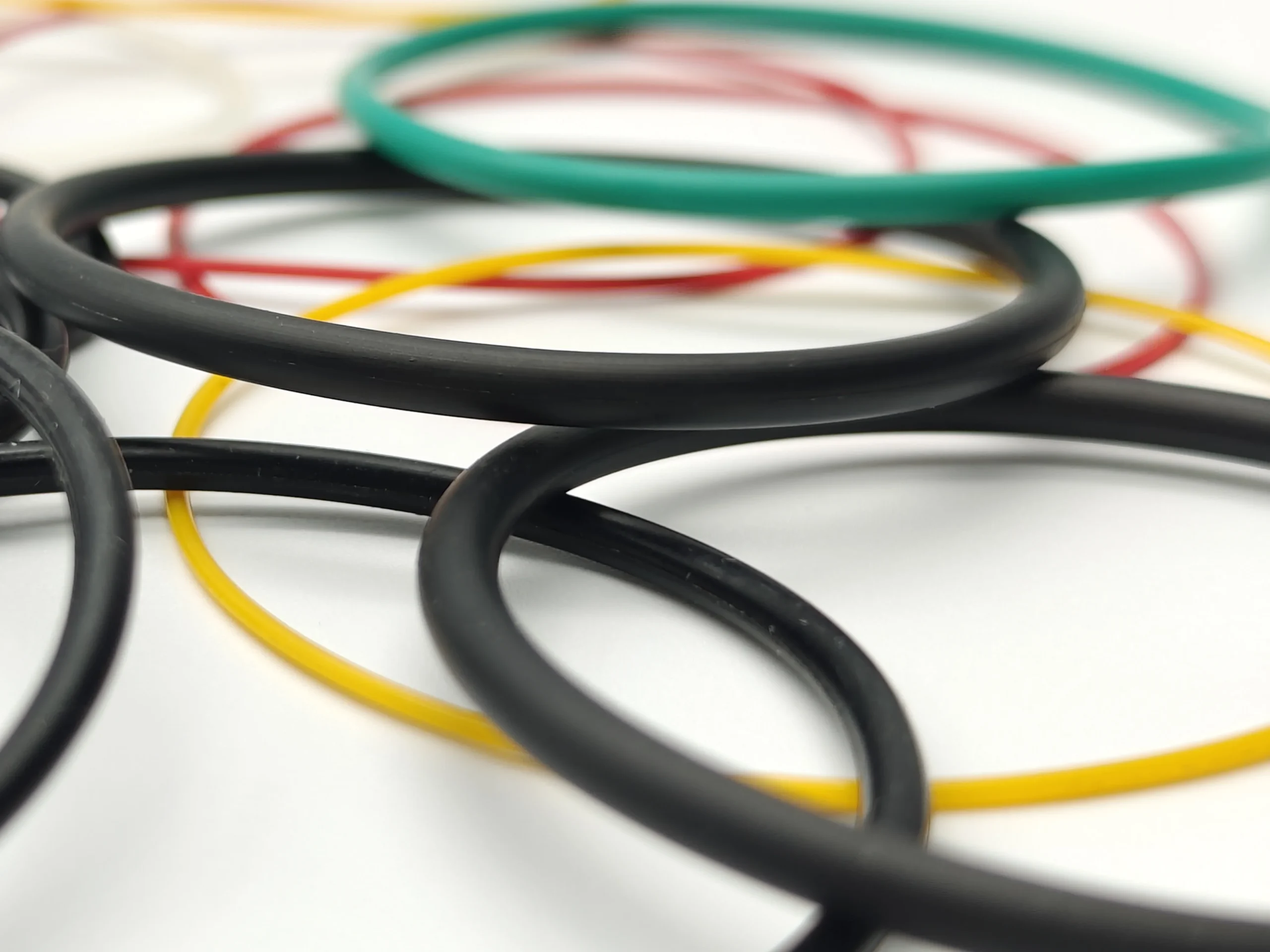
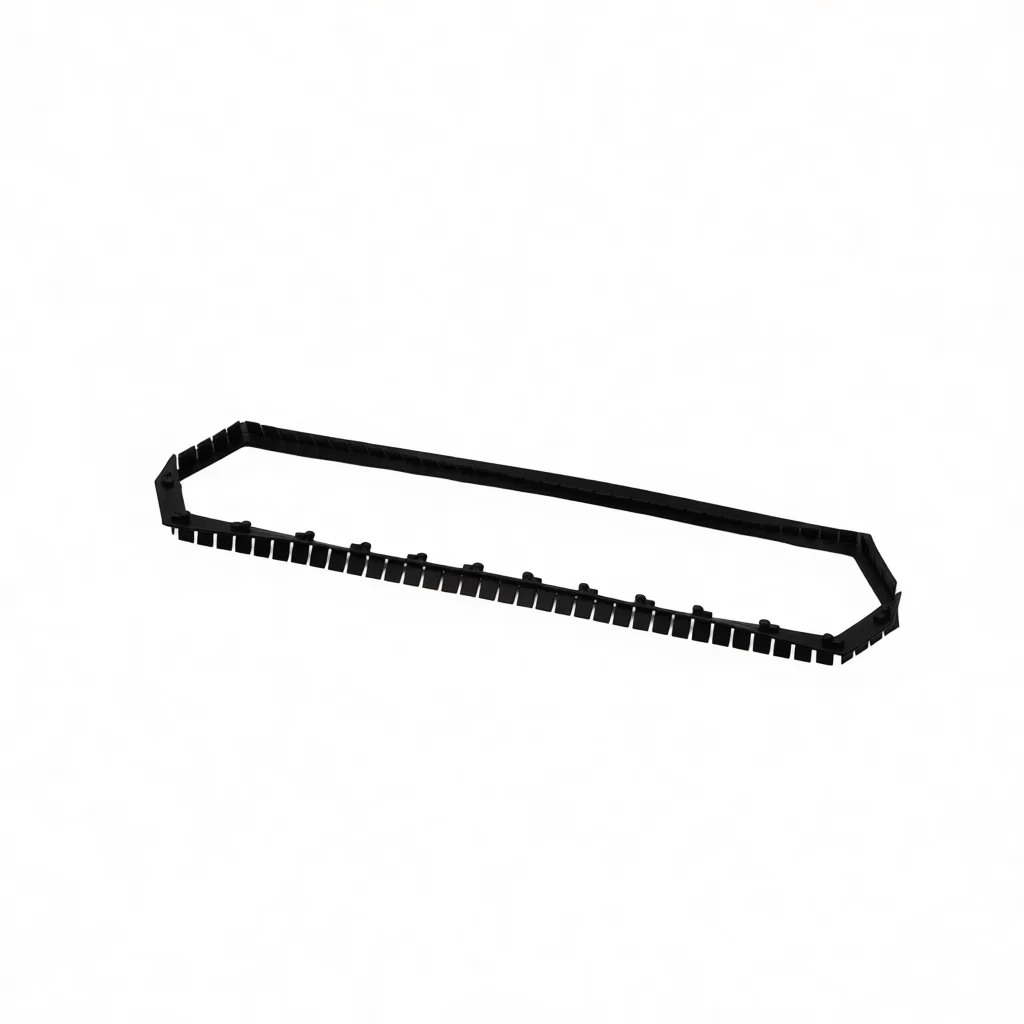
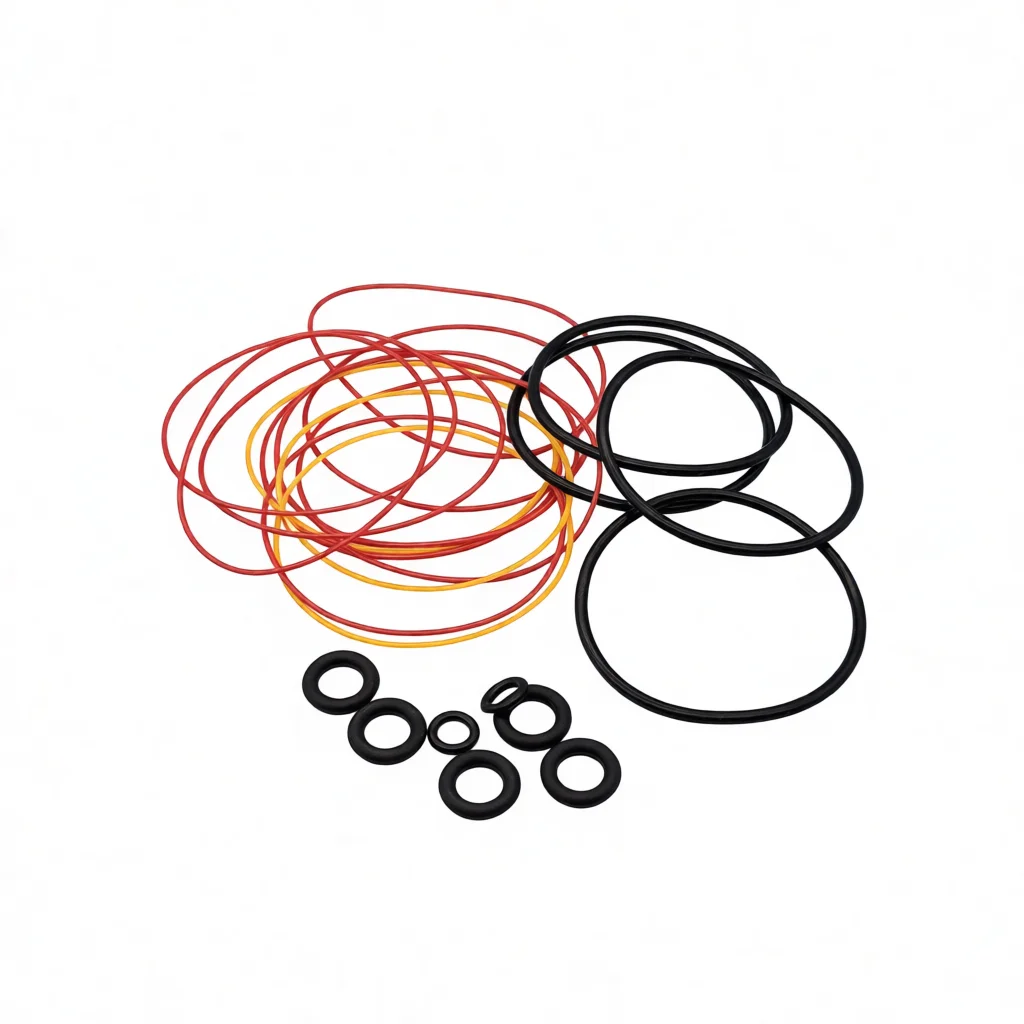
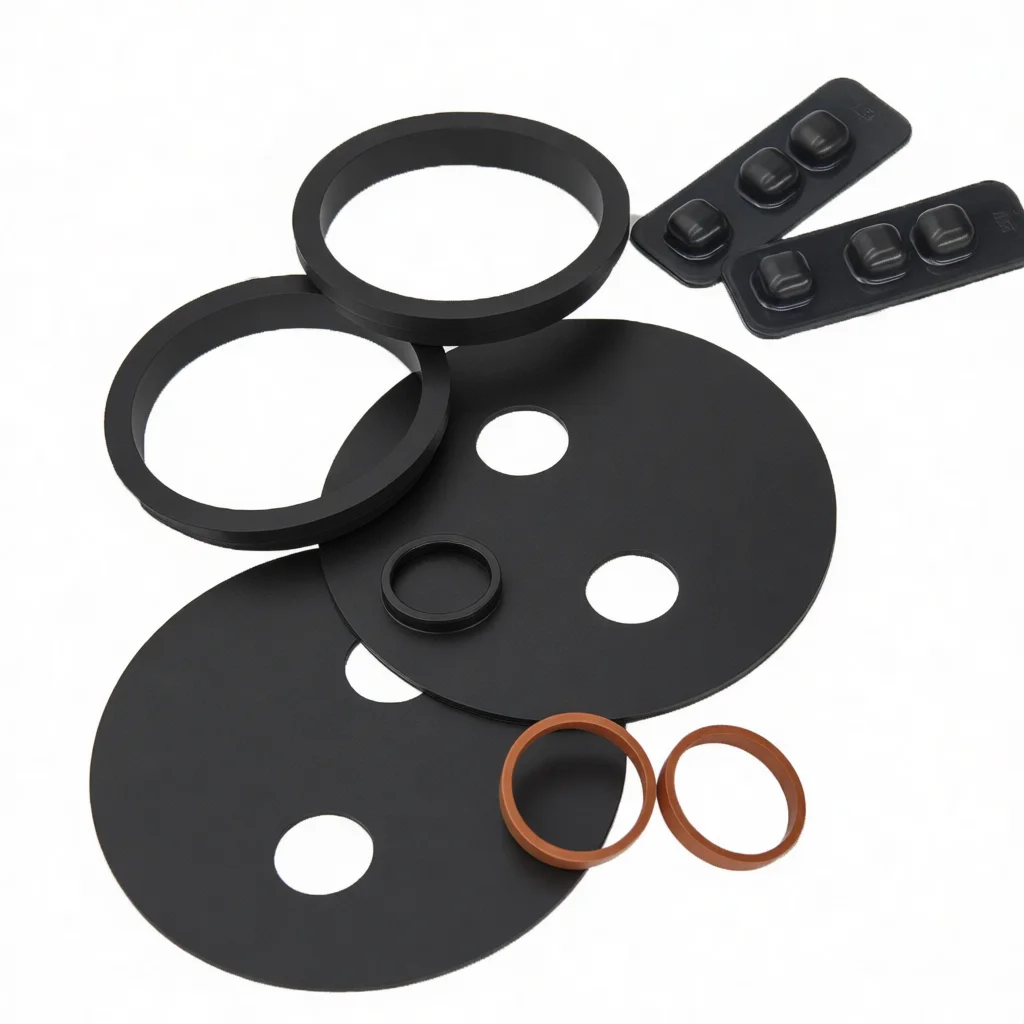
Simply put, a faucet rubber ring is the sealing gasket positioned inside the faucet assembly. It sits tightly around the valve to provide a watertight seal that stops water from dripping when a tap is closed. Often made of flexible, resilient rubber or synthetic elastomers like EPDM (ethylene propylene diene monomer), these rings absorb pressure, accommodate slight movement, and hold up against water, temperature shifts, and chemical exposure. In modern plumbing, these rings are fundamental components enabling efficient water control in faucets, valves, and other fittings. They also play a critical part in humanitarian settings where access to reliable water fixtures can determine health outcomes.Mini takeaway:
The faucet rubber ring is a simple yet essential seal preventing water leaks, with broad impact from household taps to humanitarian water infrastructure.
The Core Aspects of a Faucet Rubber Ring
Durability and Material Composition
A quality rubber ring needs to resist wear from constant water pressure, temperature variations, and chemical agents like chlorine. Common materials include EPDM, neoprene, and silicone. EPDM is favored for its water resistance and longevity. I’ve noticed many industry pros lean heavily on ISO standards to ensure these seals last multiple years before replacement.Cost Efficiency
Because faucet rubber rings are so small and simple, their cost is often negligible compared with the savings they enable. Replacing a faulty ring is far cheaper than some bulky faucet overhaul. Plus, better materials reduce frequency of replacements — that’s a win for homeowners and large-scale water utilities.Compatibility and Scalability
Faucets come in diverse designs and sizes. The rubber ring must fit snugly across brands and models, often inspiring modular designs or flexible thicknesses. It’s common to find multipurpose rings adjusted to suit standardized taps — which is great, considering the sheer number of faucet variants worldwide.Environmental Impact
There’s a growing push toward eco-friendly materials, including biodegradable or recycled rubbers. Industry leaders are experimenting with bio-based elastomers to curb microplastic pollution and chemical leaching in water systems. This shift is exciting for those who think sustainability can live even in miniature plumbing parts.Testing and Quality Assurance
Reputable manufacturers conduct leak tests, chemical resilience experiments, and compression set evaluations per ISO 21003 or ASTM D2000 standards. It’s fascinating how material science meets real-world plumbing needs here.Mini takeaway:
The rubber ring’s material, cost, compatibility, environmental profile, and rigorous testing all shape its real-world performance and relevance.
Real-World Applications of Faucet Rubber Rings
Industries and regions across the world rely on these seals for smooth water delivery.- Residential plumbing: In daily homes, rubber rings prevent the persistent drip — which, oddly enough, you might ignore until the water bill jolts you.
- Industrial facilities: Chemical plants, food processing units, and manufacturing rely on sturdy faucet seals to avoid contamination and maintain hygiene.
- Disaster relief efforts: NGO water kits often include taps fitted with reliable rubber rings to ensure rapid deployment and leak-proof functionality — think refugee camps or post-flood recovery zones.
- Remote or rural areas: In places where plumber visits are rare, durable faucet seals reduce maintenance cycles drastically — offering communities long-term access to potable water.
| Feature | Typical Range/Value | Industry Standard |
|---|---|---|
| Material | EPDM, Neoprene, Silicone | ASTM D2000 / ISO 21003 |
| Hardness (Shore A) | 40 – 70 | ISO 7619 |
| Temperature Range | -40°C to 120°C | ISO 1431 |
| Lifespan | 3–7 years (dependent on use) | ISO 1817 |
The Long-Term Value and Advantages of Faucet Rubber Rings
When you think about it, these tiny rings go beyond mere function — they ensure trust and comfort. Water leaks not only waste money but can damage homes and pose hygiene risks. A reliable gasket safeguards dignity: clean, drip-free water access is vital for families and industries alike. Cost savings emerge clearly over time. Households avoid costly repairs, municipalities minimize wastage, and large enterprises reduce downtime. From a sustainability viewpoint, preventing leakage is just sensible environmental stewardship. I recall a case study from a Southeast Asian urban center — after introducing higher-grade rubber rings to municipal fixtures, water leakage dropped by 25% in six months. The emotional relief and economic impact on households was palpable.Mini takeaway:
Investing in quality faucet rubber rings delivers ongoing economic savings, sustainability benefits, and social value by ensuring accessible water without waste.
What's Next? Future Trends & Innovations
The tech side of faucet rubber rings isn’t static. There’s notable research into:- Smart sealing materials: Elastomers that change properties with temperature or pressure to optimize sealing dynamically.
- Bio-based rubbers: Alternatives derived from natural polymers to reduce ecological footprint.
- Digital quality control: AI-driven inspection for precision manufacture ensuring perfect seals every batch.
- Customization via 3D printing: Tailored rings for unique or legacy faucet designs swiftly produced at scale.
Overcoming Challenges in Faucet Rubber Ring Use
Despite advancements, problems remain. Rubber degradation due to UV or chemical exposure can cause premature failures. Poor installation or incorrect sizing reduces sealing efficiency. Sourcing Eco-friendly materials at scale also remains tricky in cost-sensitive markets. Industry experts suggest:- Regular maintenance schedules with routine gasket inspection
- Standardized measurement and compliance certifications
- Investment in R&D for sustainable, durable compounds
- Better consumer education around water-saving fixtures
FAQ: Common Questions About Faucet Rubber Rings
Q1: How often should a faucet rubber ring be replaced?A: Typically, 3 to 7 years depending on water quality and usage. Signs like drips or stiffness indicate replacement needs. Q2: Can I use any rubber ring for my faucet?
A: Not always. Proper size and compatible material (e.g., EPDM for water) are essential for a leak-proof seal. Consult your faucet’s specs or a professional. Q3: Are there eco-friendly faucet rubber rings available?
A: Yes, some manufacturers offer bio-based elastomers or recyclable options, though availability and cost vary by region. Q4: Will installing a new rubber ring stop all faucet leaks?
A: It often resolves common leaks but underlying valve or cartridge issues might need separate repair.
In Summary — Why Faucet Rubber Rings Are More Important Than You Think
These small seals keep the modern world’s water flowing efficiently and safely. Investing a little attention in choosing, maintaining, and understanding faucet rubber rings means better water conservation, lower costs, and ultimately cleaner, safer living spaces. The planet’s water scarcity issues remind us that even tiny components hold big responsibility. Curious to explore reliable faucet rubber ring options? Visit our website at https://www.sunlitetek.com for quality products and expert advice.Vendor Comparison: Leading Faucet Rubber Ring Suppliers
| Supplier | Material Options | Customization | Global Reach | Certifications |
|---|---|---|---|---|
| SunliteTek | EPDM, Silicone, Bio-elastomers | Full size & hardness customization | Yes (America, Asia, Europe) | ISO 21003, FDA |
| HydroSeal Co. | Neoprene, EPDM | Standard sizes only | North America focus | ISO 9001 |
| EcoSeal Industries | Bio-based elastomers | Partial customization | Europe & Asia | ISO 14001, RoHS |
Final Thoughts
So, the next time you hear that annoying tap drip, just remember there’s a tiny rubber ring inside doing most of the heavy lifting. Keeping it in mind — and on hand for replacement — helps ensure water runs clean, uninterrupted, and waste-free. Water is life, after all.References:
1. United Nations World Water Assessment Programme (2023).
2. Environmental Protection Agency, WaterSense Program (2021).
3. ISO Standards for Elastomer Seals (ISO 21003, ISO 1817).

Understanding the Faucet Rubber Ring: Why It Matters Gl […]