Select Language
 Understanding Hydrogenated Nitrile O Rings: Essential Seals in Modern Industry
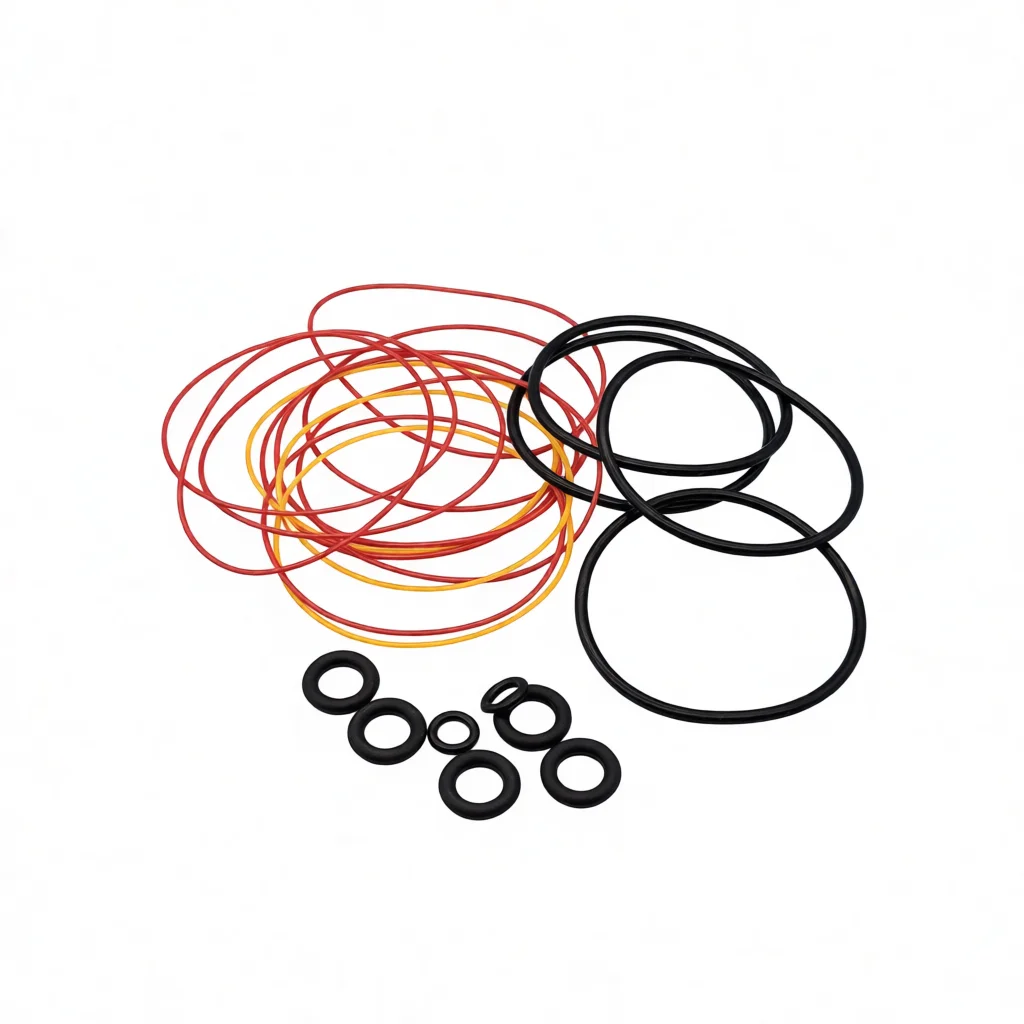
In many of the mechanical marvels humming quietly around us—from automotive engines to industrial hydraulics—the humble hydrogenated nitrile o ring plays a crucial role. These small, looped seals might not grab headlines, but they keep machines tight and leak-free, making them indispensable worldwide. Frankly, without their durability and chemical resistance, many modern systems would struggle under pressure, literally and figuratively.
Global Importance of Hydrogenated Nitrile O Rings
The global market for sealing solutions like hydrogenated nitrile o rings is expected to grow steadily—driven by expanding automotive sectors, aerospace advancements, and energy infrastructure across North America, Asia-Pacific, and Europe (ISO). These seals help solve a critical challenge: securing fluid and gas containment in harsh environments where leaks can cause costly downtime, environmental damage, or safety hazards.
For example, industries embracing stricter environmental regulations depend heavily on reliable sealing technology to reduce emissions. As the International Energy Agency highlights, efficient sealing contributes directly to lowering industrial leaks, which are often an overlooked source of pollution.
What Exactly Is a Hydrogenated Nitrile O Ring?
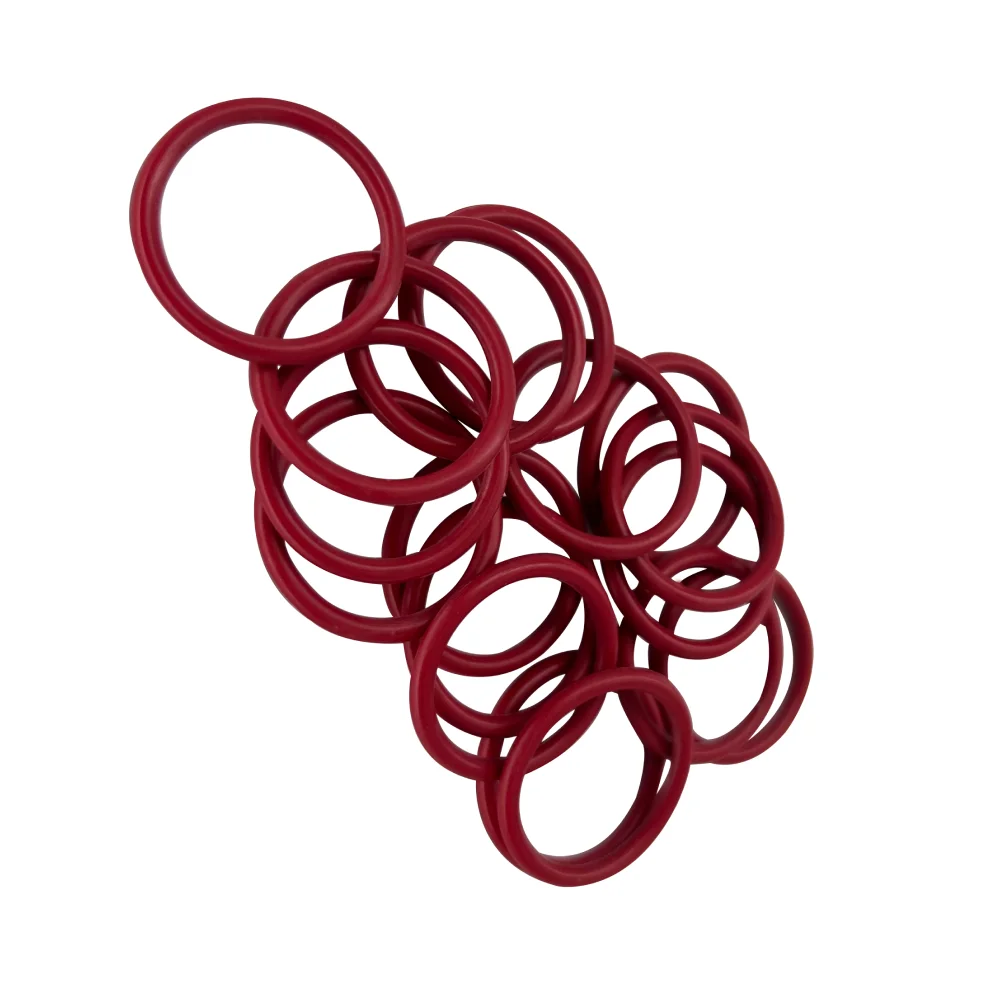
Simply put, a hydrogenated nitrile o ring is a circular sealing component made from hydrogenated nitrile butadiene rubber (HNBR). HNBR is a synthetic elastomer prized for its resistance to heat, oils, and chemicals. It represents an improved form of nitrile rubber but offers enhanced physical properties, especially in elevated temperature settings.
These o rings effectively seal the interface between two parts, preventing leaks in systems ranging from car fuel injectors to industrial pumps. They stand at the intersection of robust chemistry and practical engineering.
Key Factors That Make Hydrogenated Nitrile O Rings Stand Out
Durability under Harsh Conditions
Hydrogenated nitrile o rings excel in high-temperature environments, typically up to 150°C (302°F), and some specialized grades tolerate even more. This heat resistance is vital in engine compartments or processing plants where temperatures fluctuate dramatically. Moreover, their resistance to oil, fuel, and many chemicals means they won’t degrade quickly like standard rubber.
Chemical and Abrasion Resistance
The hydrogenation process saturates the rubber’s molecular bonds, making HNBR less susceptible to attack from ozone, oxygen, and aggressive fluids compared to traditional nitrile o rings. This extends operational lifespan and reduces maintenance cycles.
Elasticity and Compression Set
These seals maintain elasticity over time, ensuring a tight fit even after repeated compression. Minimizing compression set—the permanent deformation after being squeezed—means they preserve sealing function longer, which is crucial for equipment running 24/7.
Temperature and Pressure Adaptability
Hydrogenated nitrile o rings perform effectively across a wide spectrum of temperatures and pressures, enabling use in diverse scenarios from sub-zero refrigeration systems to high-pressure hydraulic controls.
Product Specifications Snapshot
| Characteristic | Typical Value | Unit |
|---|---|---|
| Temperature Range | -40 to 150 | °C |
| Hardness (Shore A) | 70-90 | Durometer |
| Tensile Strength | 14-25 | MPa |
| Elongation at Break | 220-350 | % |
| Compression Set (22 hrs at 100°C) | <25 | % |
Mini takeaway: Hydrogenated nitrile o rings combine exceptional heat and chemical resistance with mechanical robustness, making them go-to seals in demanding environments.
Global Applications and Use Cases
These o rings are everywhere. In the automotive industry, manufacturers rely on hydrogenated nitrile seals in fuel systems and air conditioning units for their reliability and safety standards. In oil and gas operations—particularly in regions like the Middle East and Russia—they help withstand exposure to harsh hydrocarbons and extreme temperatures.
Oddly enough, humanitarian logistics also benefit. For instance, engineers deploying mobile water purification systems in remote, disaster-prone areas can count on these seals to prevent leaks in volatile conditions. Similarly, aerospace components engineered in the US and Europe utilize HNBR o rings to meet stringent performance demands.
Comparing Vendors – A Quick Look
| Feature | Vendor A | Vendor B | Vendor C |
|---|---|---|---|
| Material Quality | High purity HNBR | Standard HNBR compound | Premium grades with additives |
| Custom Sizes Available | Yes | Limited | Yes |
| Certifications | ISO 9001, RoHS | ISO 14001 | ISO 9001, REACH |
| Typical Lead Times | 2 weeks | 4–6 weeks | 3 weeks |
| Price Range | Mid | Low | High |
Advantages and Lasting Value
Choosing hydrogenated nitrile o rings means investing in safety, reliability, and sustainability. Their cost-effectiveness comes not just from initial price but from reduced downtime and less frequent replacements. That reliability also fosters trust between manufacturers and end-users, an emotional but often overlooked benefit.
Moreover, their compatibility with environmentally conscious formulations supports efforts towards greener manufacturing and operation—all aligning with global sustainability goals like those outlined by the UN.
Looking Ahead: Future Trends and Innovations
The future’s bright here. Advances in polymer chemistry hint at even more resilient hydrogenated nitrile compounds, incorporating nanomaterials or bio-based additives to further boost performance and reduce environmental impact. Digital transformation also promises smarter manufacturing and quality control, ensuring each o ring meets exacting standards.
Automation in production could shrink lead times and costs, while better design tools optimize seal geometry for specific applications. The rise of green energy technologies demands seals that tolerate novel fuels and lubricants—further expanding hydrogenated nitrile applications.
Challenges & Expert-Driven Solutions
That said, challenges persist. For example, exposure to extreme temperatures outside specified ranges can degrade performance, and not all chemical environments are friendly to even HNBR. Selecting the right compound and size is a nuanced art, often requiring engineering expertise.
Innovative co-polymers and hybrid sealing solutions are emerging to address these gaps, alongside rigorous testing under ISO and ASTM standards ensuring reliability in the real world (ISO 3601:2012).
FAQ: Frequently Asked Questions About Hydrogenated Nitrile O Rings
- Q: How long do hydrogenated nitrile o rings typically last in automotive engines?
A: Generally, they last 5–10 years depending on operating conditions. Their resistance to heat and fuel helps them maintain sealing integrity during typical engine lifecycles. - Q: Can hydrogenated nitrile o rings withstand exposure to hydraulic fluids?
A: Yes, one of their key advantages is excellent compatibility with a variety of hydraulic and lubrication fluids, minimizing swelling or cracking. - Q: Are these o rings suitable for food-grade applications?
A: Some HNBR grades meet FDA standards for food safety, but it’s essential to verify certifications specific to your application. - Q: How do I select the correct size and hardness?
A: This depends on your application’s temperature, pressure, and fluid type. Consulting with suppliers who offer customization and testing services is advisable. - Q: Is it possible to order hydrogenated nitrile o rings in small batch quantities?
A: Many manufacturers provide custom small batch orders, but lead times and price may differ from bulk purchases.
Conclusion
To sum it all up: hydrogenated nitrile o rings might be small, but their impact is substantial in sealing performance across diverse industries worldwide. Their durability, chemical resistance, and adaptability ensure they keep systems leak-free, boosting safety and efficiency in critical applications. If you want to explore reliable sealing solutions that stand the test of time and tough environments, visit our website: https://www.sunlitetek.com to learn more.
I suppose next time you start your car or use heavy machinery, you’ll appreciate the quiet work of these tiny but mighty seals.
References:
1. Wikipedia: O-ring
2. ISO 3601-1:2012 - O-rings standards
3. International Energy Agency: Oil and Gas Industry
Mini takeaway: Reliable sealing starts with understanding materials—and hydrogenated nitrile o rings continue to lead the way in industrial sealing excellence.

Understanding Hydrogenated Nitrile O Rings: Essential S […]