Select Language
 Understanding Hydrogenated Nitrile Butadiene Rubber O Ring: Why It Matters Globally
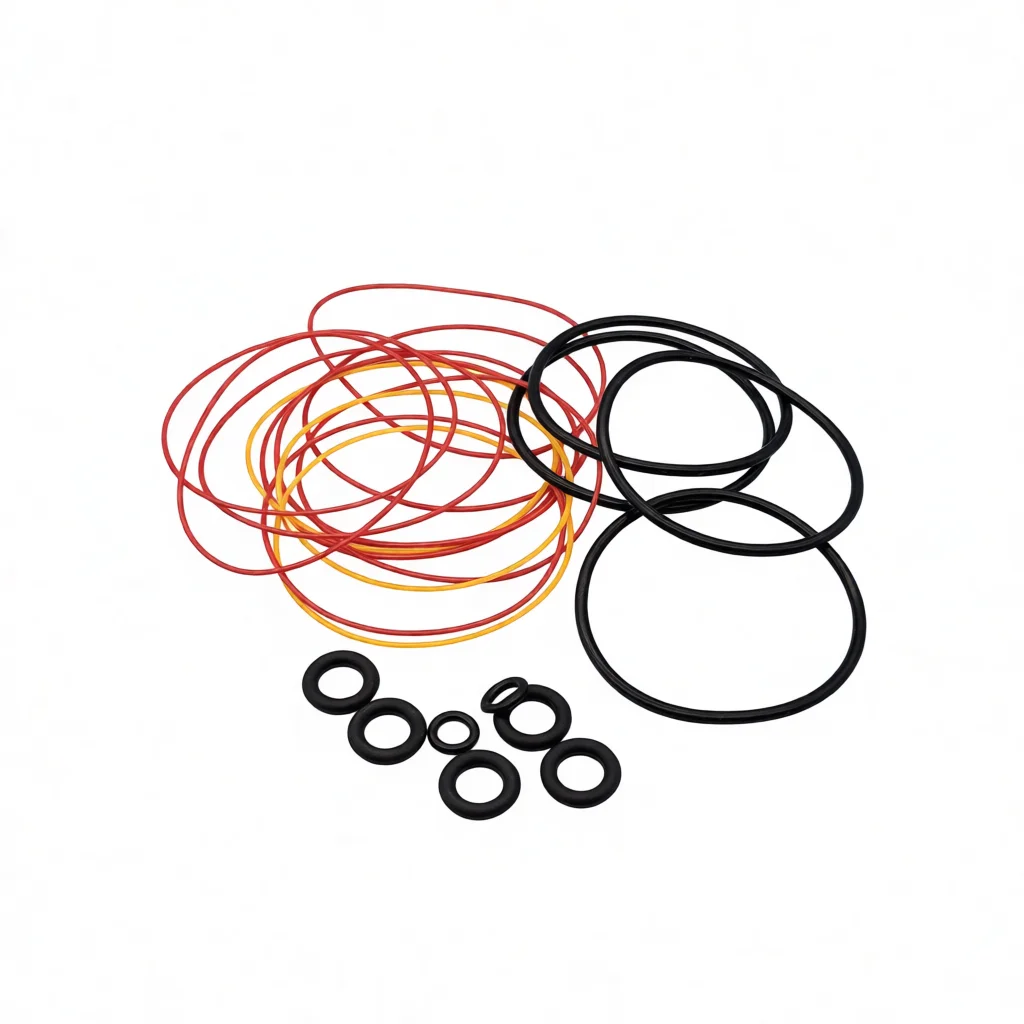
When it comes to sealing solutions in industries ranging from automotive to aerospace, hydrogenated nitrile butadiene rubber o ring stands out as a game-changer. You might wonder, “Why all the fuss about this specific rubber o ring?” Well, frankly, its global relevance boils down to durability, chemical resistance, and safety—essentials in an increasingly interconnected and high-pressure world. From manufacturing plants in Asia to remote oil rigs in the North Sea, ensuring a reliable seal can literally mean the difference between smooth operations and costly failures. And with stringent environmental and safety standards around the globe, understanding what makes these o rings tick is more important than ever.
Introduction: Global Context and Industry Significance
According to the International Organization for Standardization (ISO), sealing components like o rings are critical in maintaining system integrity across industries. The global sealing devices market was valued at several billion USD in recent years, with hydrogenated nitrile butadiene rubber (HNBR) products gaining a significant share due to their enhanced attributes compared to traditional materials. Oddly enough, these specialized o rings address key challenges like chemical degradation and extreme temperature conditions that materials like natural rubber simply can’t handle.
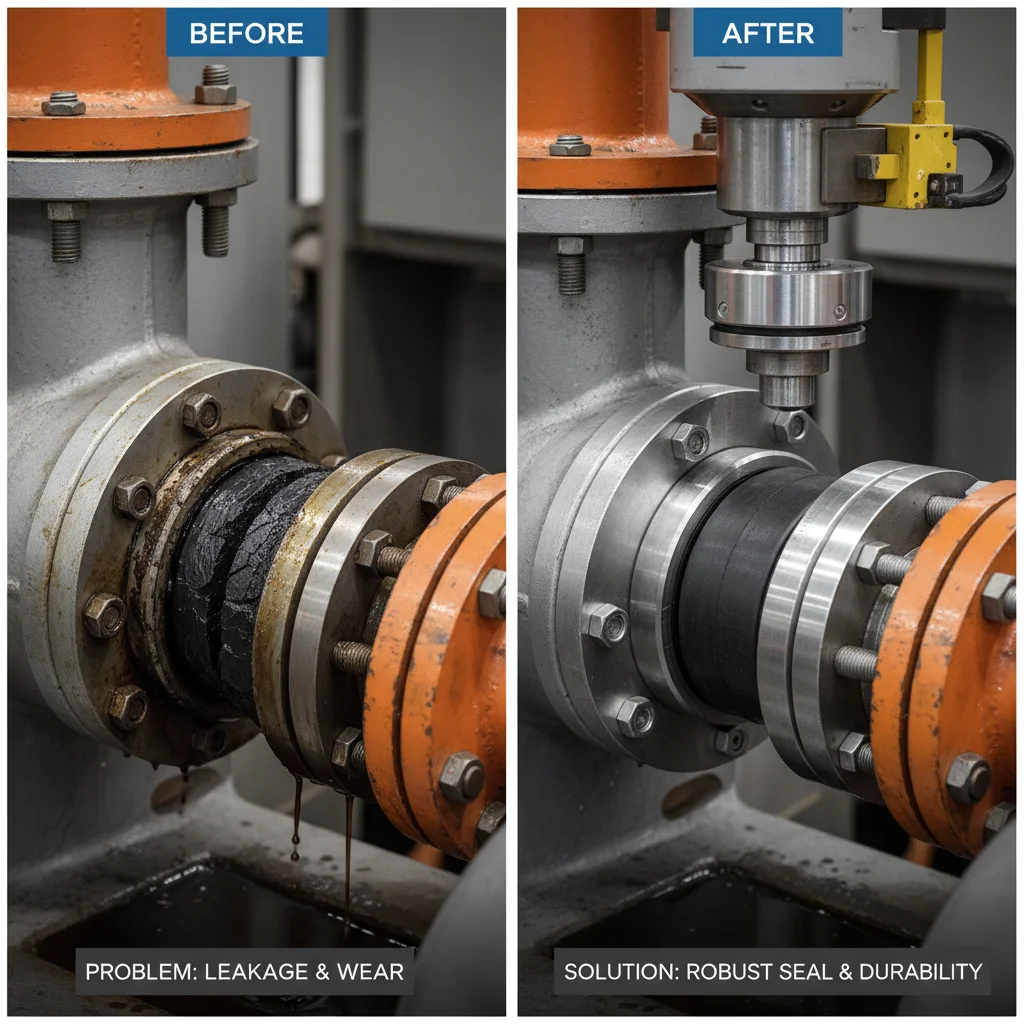
To put it in perspective, industries operating in harsh climates or dealing with aggressive fluids often suffer downtime due to seal failure—this impacts financial performance but also safety. The demand for reliable sealing solutions that comply with international regulations is pressing. This is where hydrogenated nitrile butadiene rubber o rings come into play.
What Is a Hydrogenated Nitrile Butadiene Rubber O Ring?
At its core, a hydrogenated nitrile butadiene rubber o ring is a sealing ring crafted from HNBR—an improved version of nitrile rubber that has undergone a hydrogenation process. This process saturates the molecular structure of the rubber, making it more resistant to heat, oil, and wear. If you imagine a traditional rubber band but one that can hold up in 150°C heat or resist aggressive chemicals, you’re getting the picture.
These o rings create tight seals between static or dynamic components, preventing leaks and contamination. They play a crucial role in hydraulic systems, fuel lines, compressors, and even medical devices—where failure is not an option and precision matters.
Key Features of Hydrogenated Nitrile Butadiene Rubber O Rings
1. Durability
HNBR o rings showcase remarkable durability against aging and cracking caused by heat and ozone exposure. Their molecular stability means fewer replacements and less maintenance downtime in industrial settings.
2. Chemical Resistance
Unlike standard nitrile o rings, their hydrogenated form delivers superior resistance to oils, fuels, and chemicals used in automotive and aerospace applications. This reduces the risk of swelling and degradation.
3. Temperature Range
Operating effectively from approximately -40°C to +150°C makes these o rings versatile for both cold climates and high-heat engine parts.
4. Mechanical Strength
The rubber’s improved tensile strength and abrasion resistance support high-pressure applications where seals must withstand mechanical stress.
5. Cost Efficiency Over Time
While HNBR o rings might carry a higher upfront cost compared to traditional rubbers, their longevity and reduced failure rates can lead to significant savings long-term.
Mini Takeaway: If your application demands stamina in tough chemical and temperature environments, hydrogenated nitrile butadiene rubber o rings offer a combination of durability and resilience that pays off.
Global Applications & Real-World Use Cases
HNBR o rings weave their way through countless industries and geographies:
- Automotive Industry: Used in fuel injection pumps and air conditioning systems, especially in zones like North America and Europe where emissions standards are strict.
- Oil and Gas: In offshore rigs in the Gulf of Mexico, these o rings prevent leaks and withstand exposure to harsh seawater and hydrocarbons.
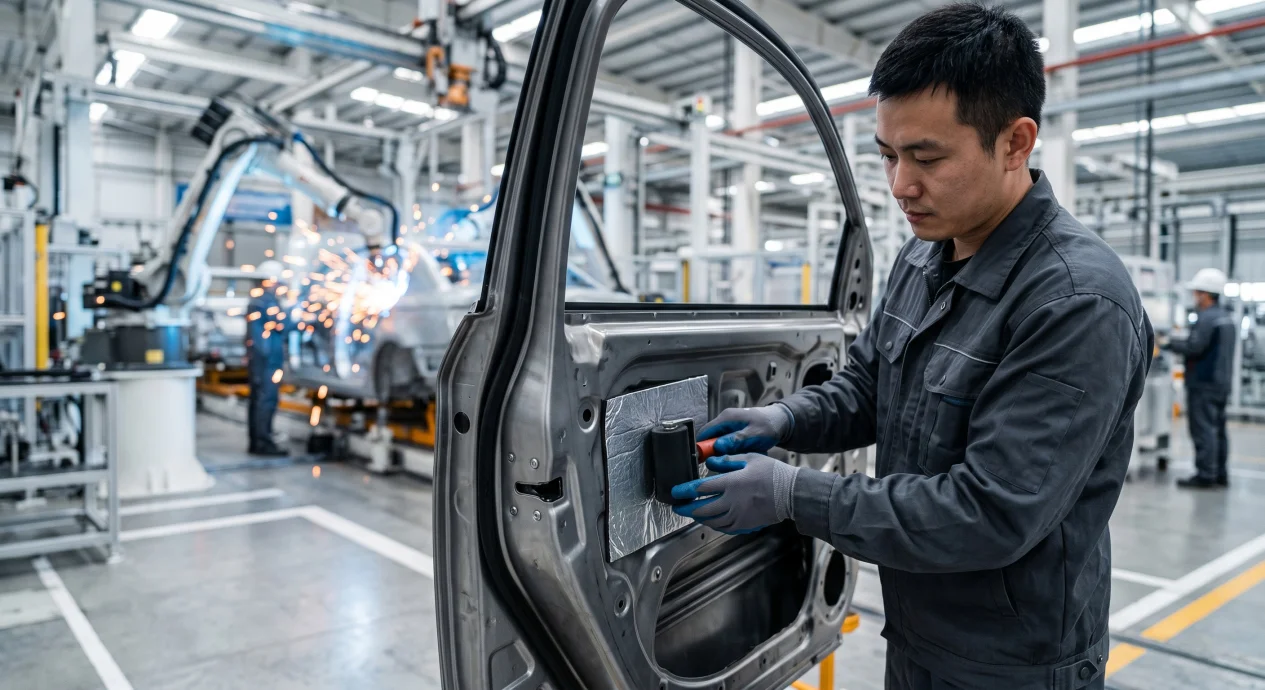
- Manufacturing Plants: Asian industrial hubs rely on HNBR seals in hydraulic presses and robotic automation due to their robustness.
- Medical Devices: Precision seals here ensure sterility and safety, bolstered by HNBR’s biocompatibility when compounded properly.
- Renewable Energy: Wind turbines and solar thermal systems also make use of these o rings for durable seals that endure fluctuating temperatures.
For instance, during a recent post-disaster infrastructure rebuild, a Southeast Asian water treatment plant opted for HNBR o rings in their pumps to guarantee chemical resistance amidst uncertain water quality conditions. Oddly enough, these small seals ensured longevity in a challenging environment.
Advantages & Lasting Value
In real terms, the advantages of hydrogenated nitrile butadiene rubber o rings extend beyond their physical attributes:
- Reliability & Safety: Reducing seal failures means less environmental contamination and safer industrial operations.
- Sustainability: Longer lifespan means fewer discarded parts, aligning with circular economy principles.
- Cost Savings: Maintenance and downtime costs dwindle over time.
- Social Impact: In sensitive industries like healthcare, peace of mind translates to enhanced patient safety.
Product Specifications at a Glance
| Property | Specification |
|---|---|
| Material | Hydrogenated Nitrile Butadiene Rubber (HNBR) |
| Temperature Range | -40°C to +150°C |
| Hardness (Shore A) | 70–90 |
| Tensile Strength | 15–30 MPa |
| Chemical Resistance | Excellent to oils, fuels, solvents |
Vendor Comparison: Popular HNBR O Ring Suppliers
| Vendor | Lead Time | Customization | Pricing | Certification |
|---|---|---|---|---|
| SunliteTek | 2–3 weeks | Full custom designs & sizes | Competitive | ISO 9001, RoHS |
| GlobalSeal | 4–6 weeks | Limited to stock sizes | Premium | ISO 9001 certified |
| SealTech | 3–5 weeks | Custom available but MOQ applies | Mid-range | RoHS |
Future Trends & Innovations in HNBR O Rings
In the near future, advances in polymer chemistry could enhance HNBR’s resistance even further. Environmental concerns and stricter regulations drive the push towards greener manufacturing and bio-based alternatives—though that’s still in development stages for this material. Digital transformation brings real-time monitoring of seal performance via IoT-based sensors embedded near or around the o rings, enabling predictive maintenance.
Moreover, as automation proliferates in manufacturing and energy sectors, o ring design will evolve in tandem, emphasizing lightweight yet ultra-resilient materials. Hydrogenated nitrile butadiene rubber o rings could also find new roles in emerging electric vehicle systems where temperature extremes are commonplace.
Challenges & Expert Solutions
One notable challenge arises from the fact that HNBR o rings require specific molding and curing processes. Incomplete curing can compromise their excellent properties, leading to early failure. Also, while their temperature and chemical range is impressive, they don’t perform well in contact with strong acids or bases. For those situations, fluorocarbon rubber might be better—but it tends to cost more.
Industry experts recommend thorough compatibility testing before application in novel environments. Additionally, partnering with vendors like SunliteTek, who emphasize quality control and certifications, brings peace of mind.
FAQs: Common Questions About Hydrogenated Nitrile Butadiene Rubber O Rings
- What industries most commonly use hydrogenated nitrile butadiene rubber o rings?
- They’re predominantly used in automotive, oil & gas, aerospace, and manufacturing sectors due to their durability and chemical resistance.
- How do I know if an HNBR o ring is suitable for my specific temperature requirements?
- Check the temperature range of the product (usually -40°C to +150°C). For extreme applications beyond this, consider consulting your supplier or looking into other materials.
- Can these o rings resist exposure to fuels like diesel or gasoline?
- Yes, hydrogenated nitrile butadiene rubber boasts excellent resistance to fuels and oils, making it ideal for fuel injection systems.
- Are custom sizes available if I have unique equipment needs?
- Most reputable vendors offer full customization of size, hardness, and design to fit specific sealing challenges.
- How long can these o rings last under typical industrial usage?
- While lifespan varies based on environment and pressure, proper grades of HNBR can last several years, yielding lower total cost of ownership.
Conclusion: Long-Term Benefits & Next Steps
In summary, hydrogenated nitrile butadiene rubber o rings represent a highly reliable sealing solution that meets the demands of modern, global industries. Their resilience against heat, chemicals, and wear coupled with economic and sustainability benefits makes them a smart choice for engineers and decision-makers alike. So, if you value performance and peace of mind, consider exploring offerings from quality vendors like SunliteTek. Looking ahead, the fusion of innovation and rigorous standards means these small but mighty seals will stay essential players in industrial reliability for years to come.
Ready to upgrade your sealing solutions? Visit SunliteTek today.
Final thought: Sometimes, the smallest components, like o rings, speak volumes about the quality and safety of an entire system.
References

Understanding Hydrogenated Nitrile Butadiene Rubber O R […]