Select Language
 What Makes the toilet bowl ring seal Essential in Industrial Settings?
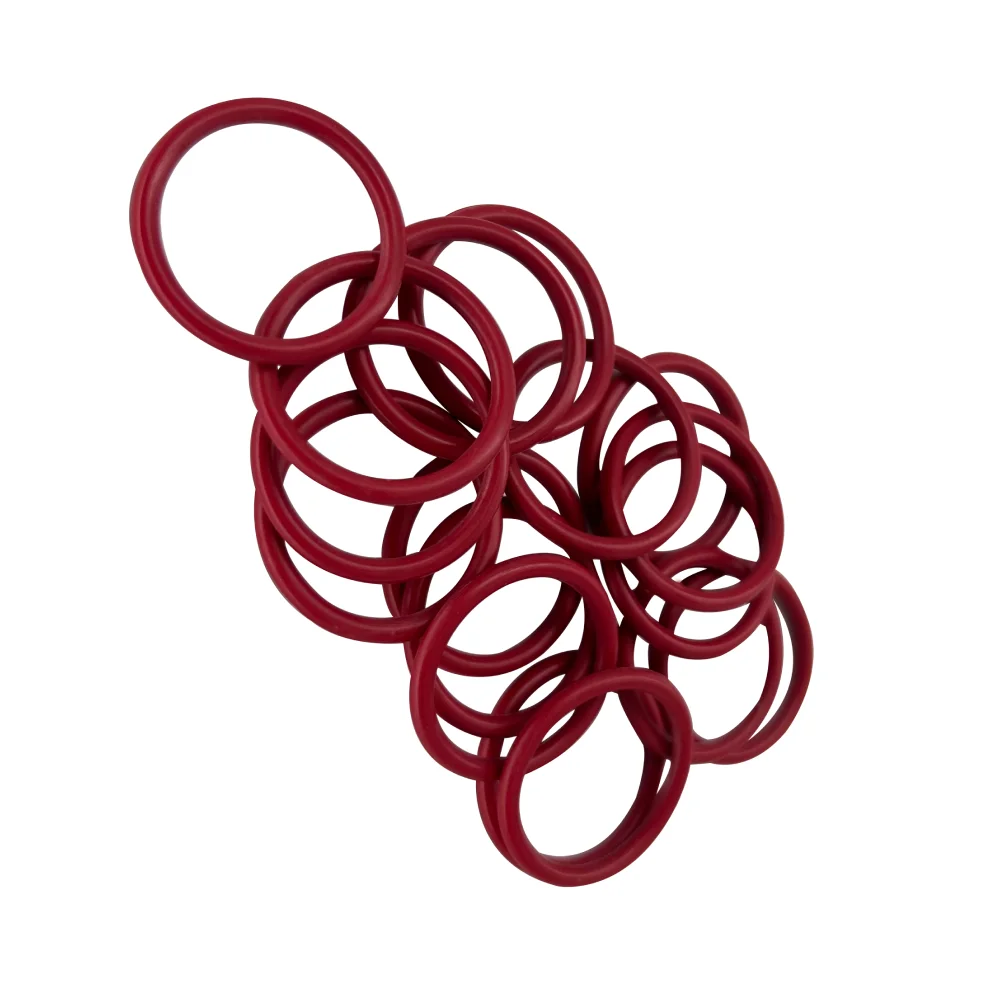
Having spent a good number of years dealing with all sorts of industrial equipment, I’ve always found the small components—those out-of-the-way parts—to be oddly fascinating. One that’s often overlooked but absolutely critical is the toilet bowl ring seal. You might think it’s a mundane piece, but in real terms, its design and function can mean the difference between a clean, leak-free environment and a maintenance nightmare.
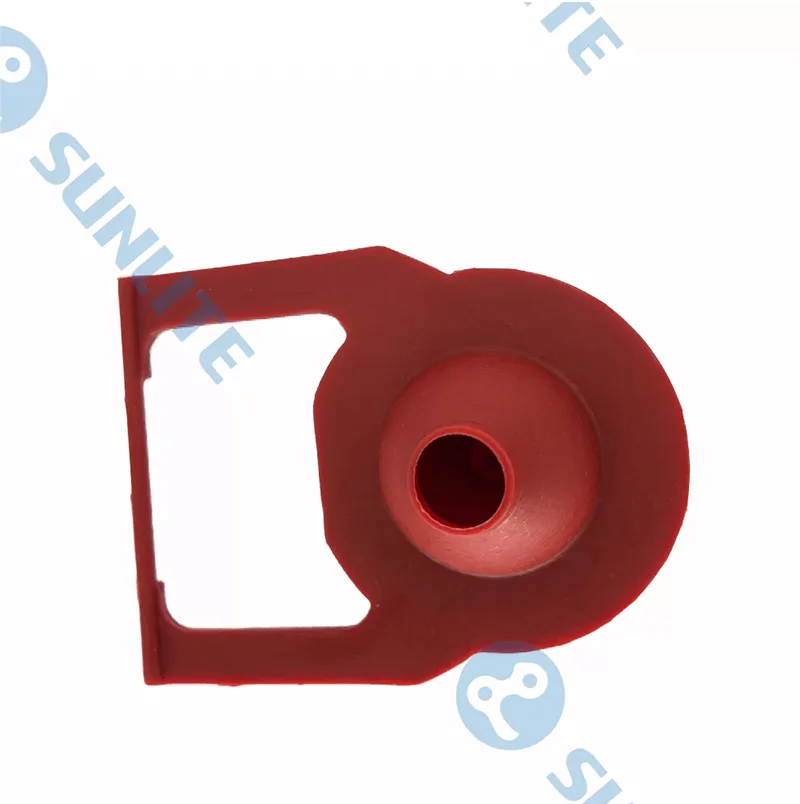
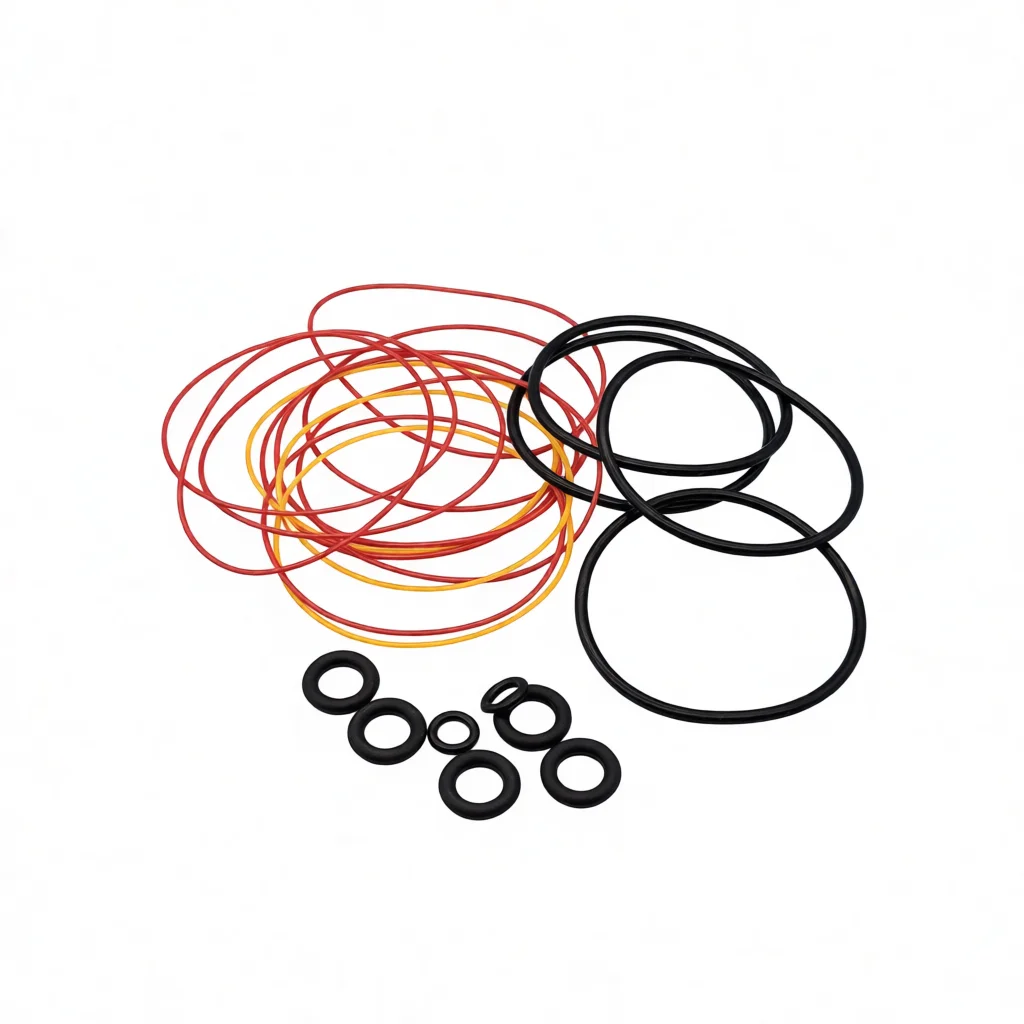
The toilet bowl ring seal, sometimes calls to mind the classic wax ring we all know from household plumbing, but industry calls for a bit more nuance here. Depending on the facility—whether it’s a manufacturing plant or a large commercial building—the seal must hold up against a variety of waste compounds and withstand pressure fluctuations that your average home won’t ever see. It feels a lot like a silent guardian, if you will.
Frankly, the evolving material science behind these seals has been impressive. Traditionally, wax rings were the go-to, but today, advanced elastomers and synthetic compounds offer superior durability. Many engineers I’ve spoken with swear by their resilience, especially where chemical exposure is a concern. This is exactly why selecting the right toilet bowl ring seal is no simple plug-and-play affair.
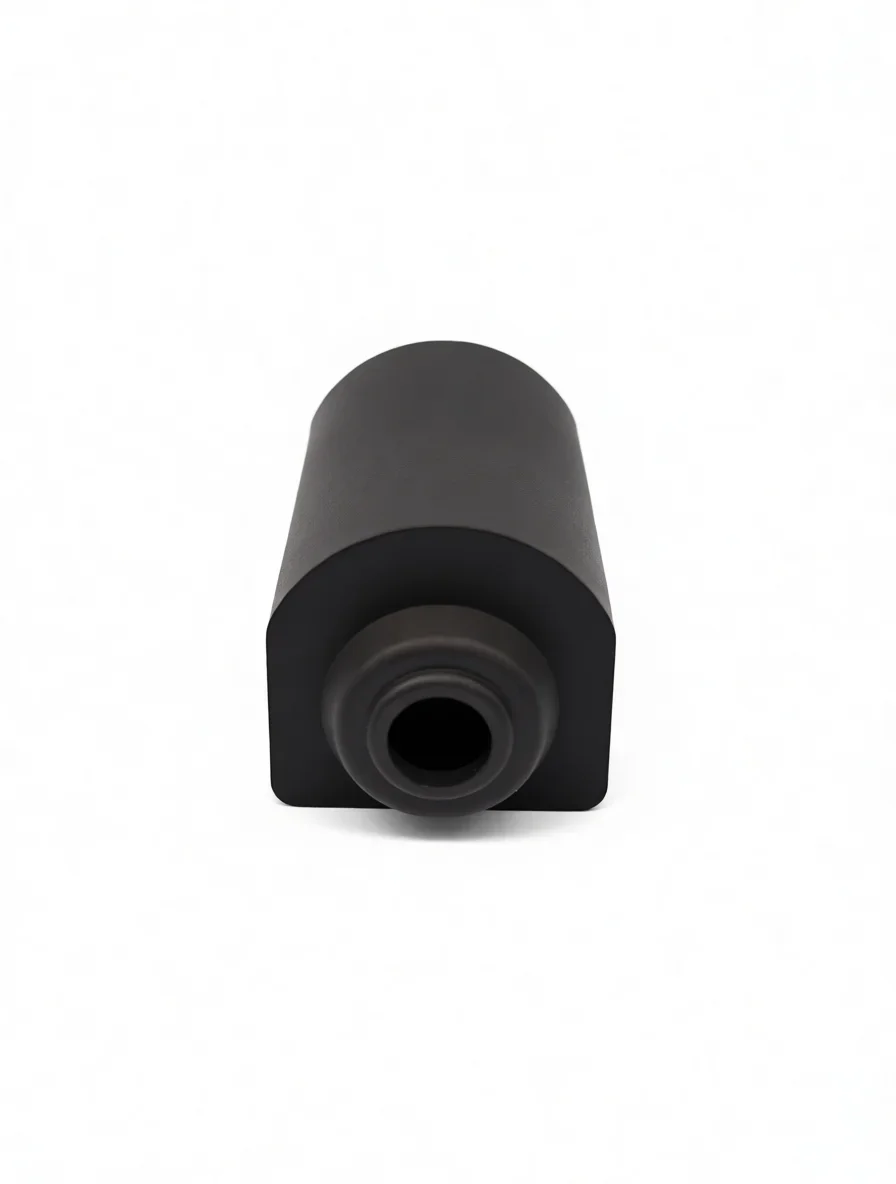
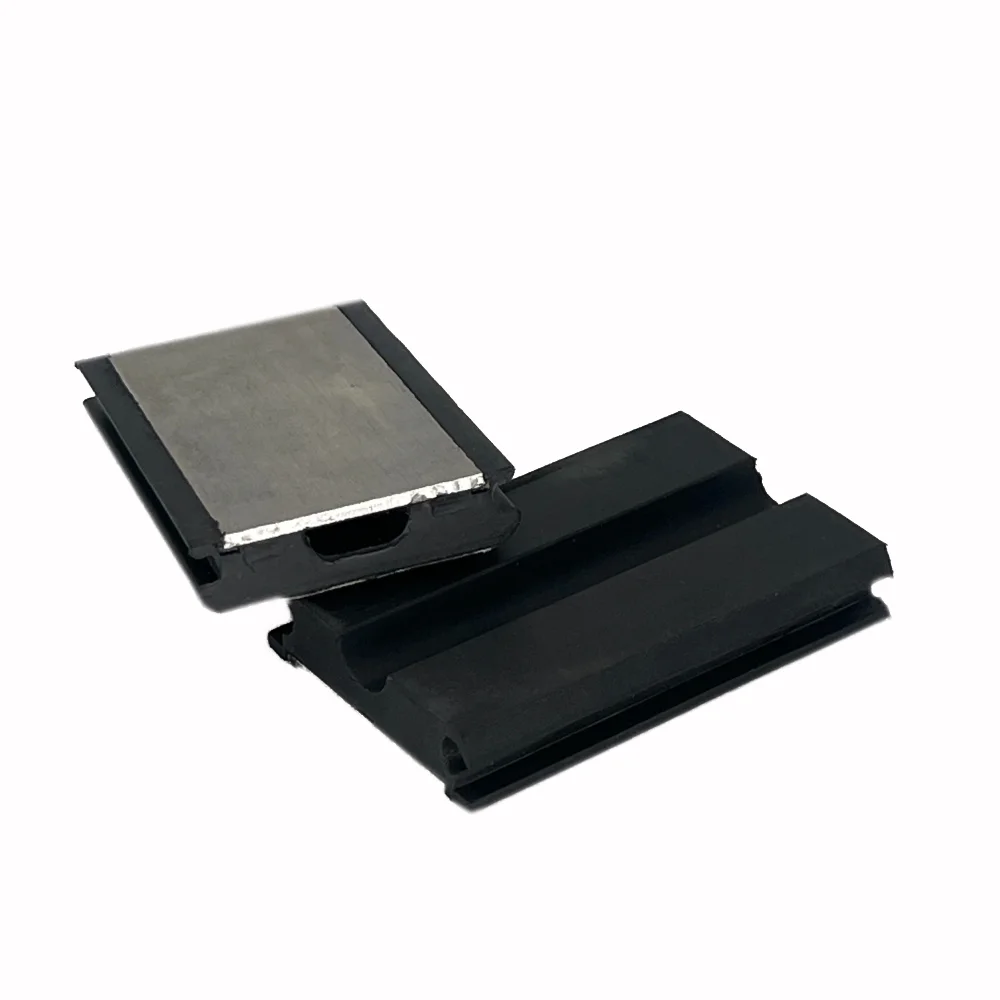
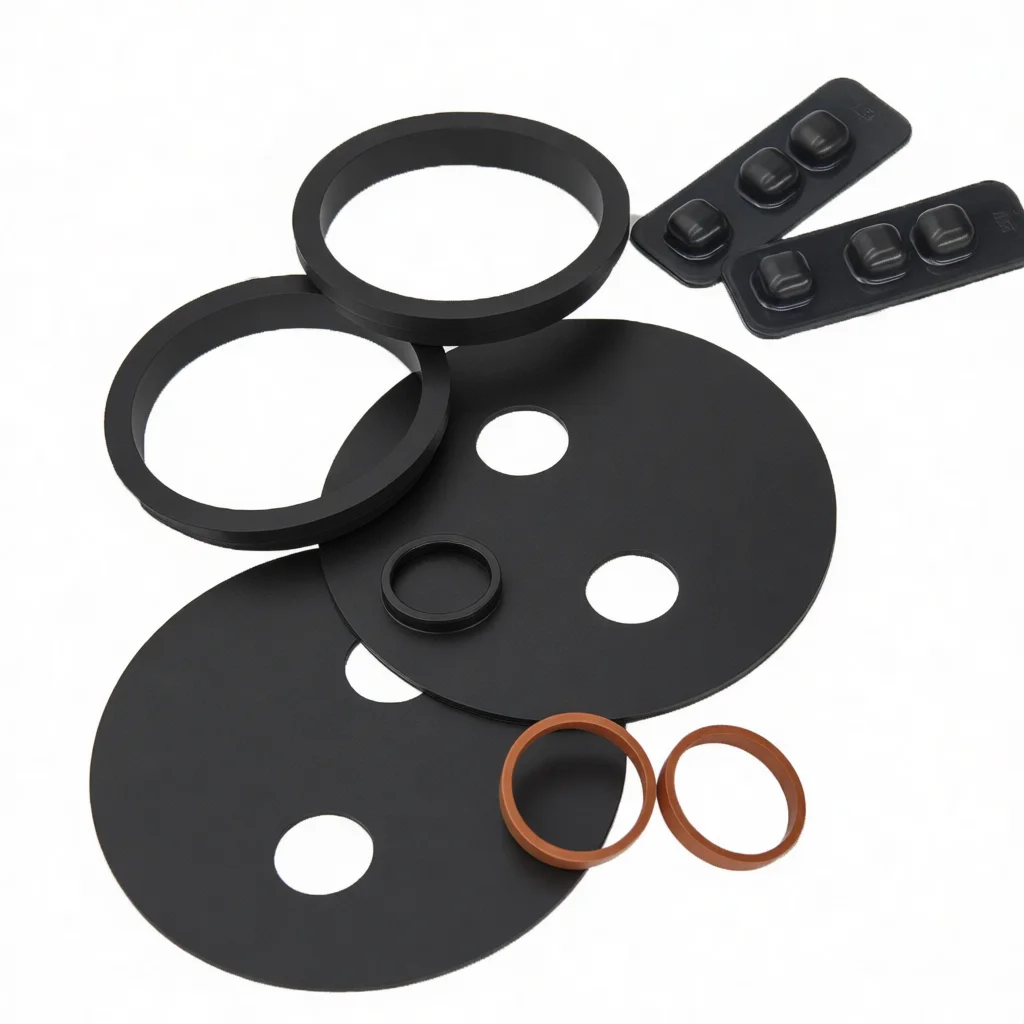
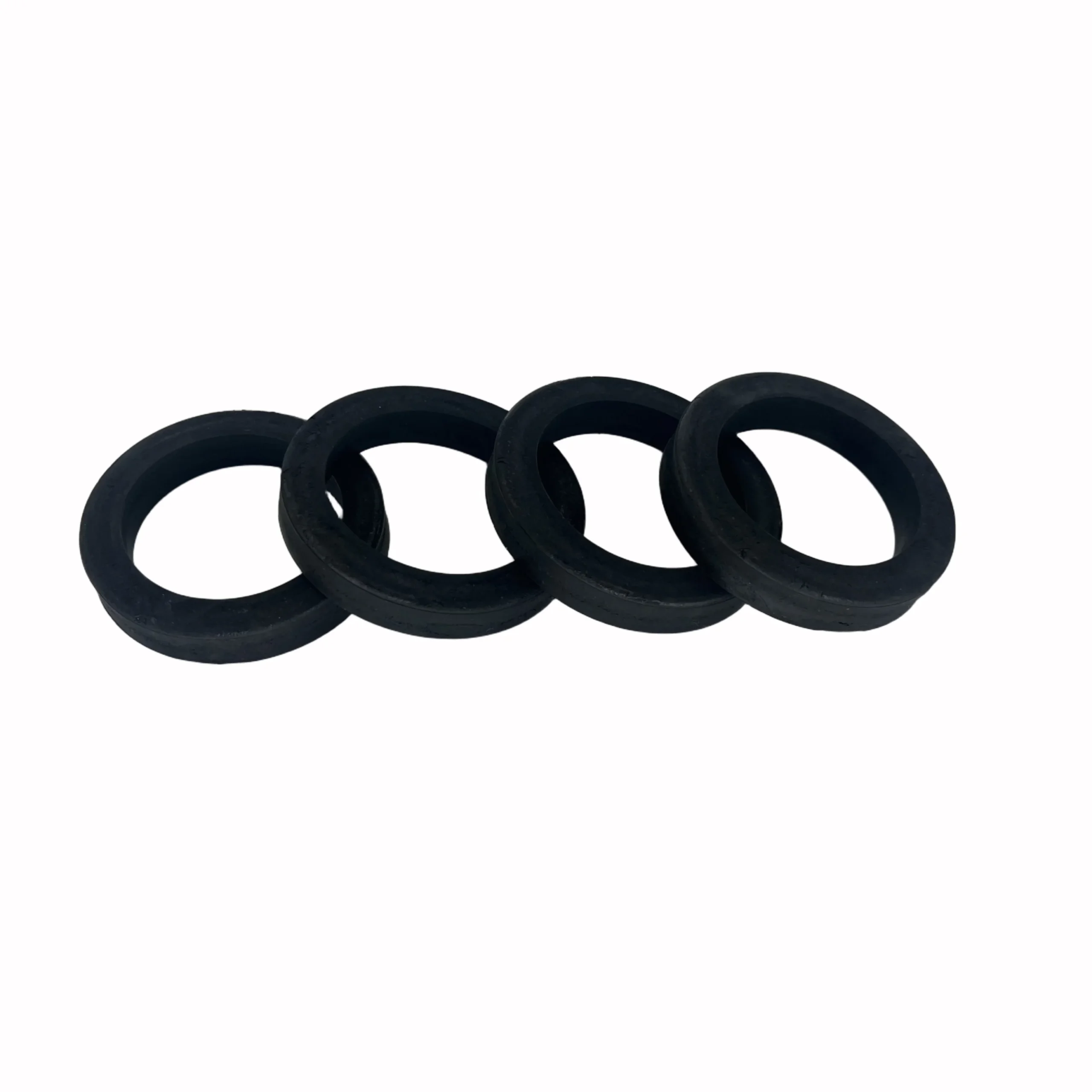
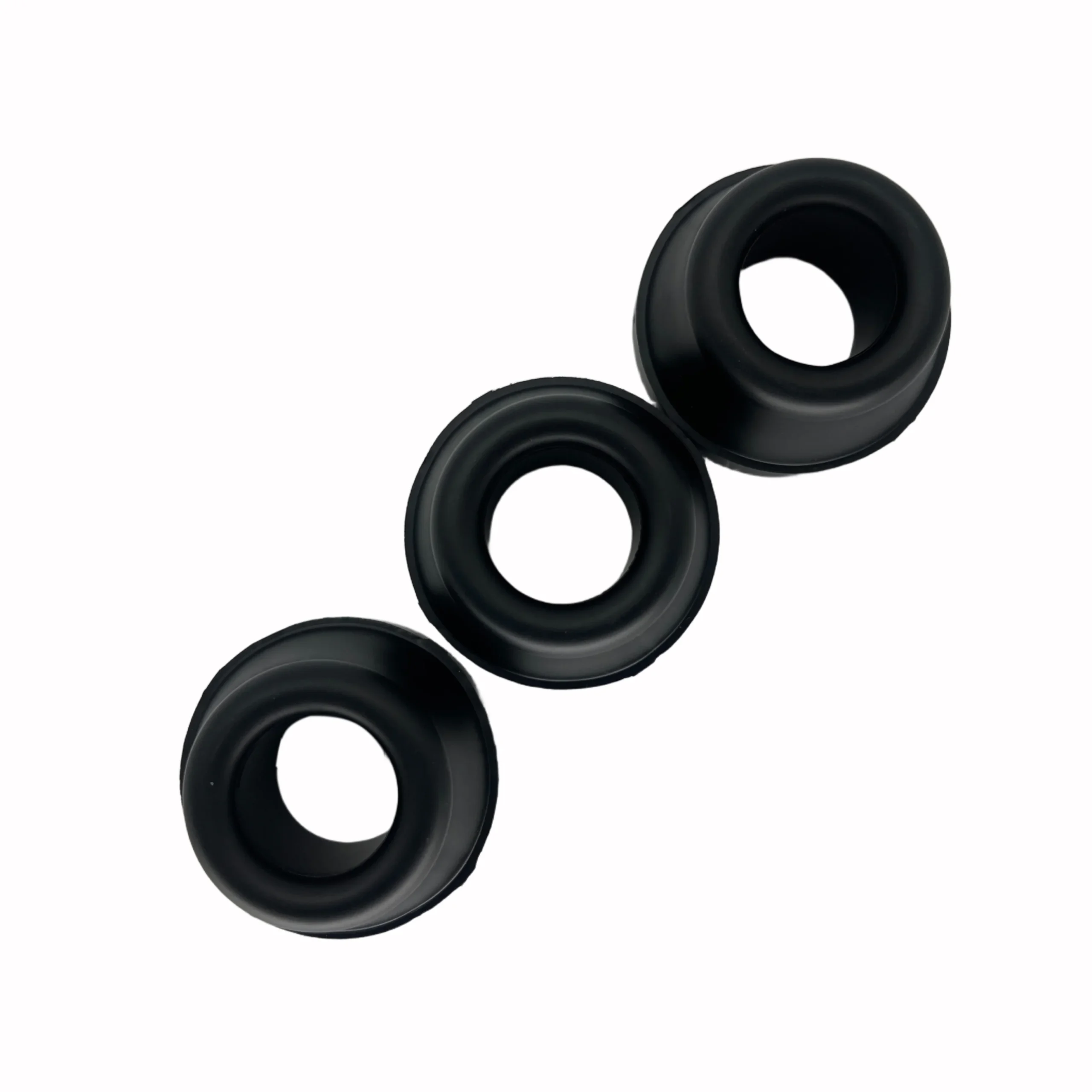
Here’s a quick peek at what you’d generally expect in the specs of a modern industrial-grade toilet bowl ring seal:
| Specification | Typical Value |
|---|---|
| Material | Silicone-based elastomer or EPDM rubber |
| Diameter Range | 100mm - 250mm (custom sizes often available) |
| Temperature Resistance | -40°C to 120°C |
| Chemical Resistance | Resistant to acids, alkalis, and bio-waste |
| Compression Set | Less than 15% after 72 hours at 70°C |
Oddly enough, one of the things customers mention most often is the ease of installation—yes, the right ring seal actually makes life easier for maintenance crews. I recall a case in a wastewater treatment plant where a poor-quality seal caused constant leaks, meaning daily downtime for clean-ups. Once they switched to a trusted industrial-grade seal (like the ones offered by Sunlite Tek), the leak problems dropped dramatically. That’s equipment reliability speaking very loudly.
Choosing a vendor can be tricky because the market has plenty of options—some focus on cost, others on custom engineering. I’ve put together a brief comparison reflecting my experiences:
| Vendor | Product Range | Customization | Chemical Resistance | Pricing |
|---|---|---|---|---|
| Sunlite Tek | Broad (standard and custom sizes) | High, with design support | Excellent (specialized elastomers) | Mid-range, value for money |
| Generic Supplier A | Limited | Low | Moderate | Low |
| Premium Brand B | Wide | Medium | Very high | High |
What’s also quite interesting is the customization options — if you’ve got unusual bowl shapes or non-standard plumbing architecture, vendors like Sunlite Tek will work with you on custom dimensions and materials. This kind of flexibility isn’t as common as you might think, but it’s priceless when failures aren’t an option.
In my experience, stopping to really consider the toilet bowl ring seal might sound trivial until you see what a poor choice can cost you in downtime, replacements, and messy cleanup. So yea — these seals may be small, but they carry significant weight in industrial plumbing integrity.
The takeaway? When you source your toilet bowl ring seal, look for durability, chemical resistance, and vendor support. Trust me, your maintenance team will thank you.
References
- Industrial Sealing Solutions, Journal of Plumbing Technology, 2021
- Material Durability Reports, Elastomeric Components, 2022
- Sunlite Tek Product Catalog and Customer Testimonials, 2023

What Makes the toilet bowl ring seal Essential in Indus […]