Select Language
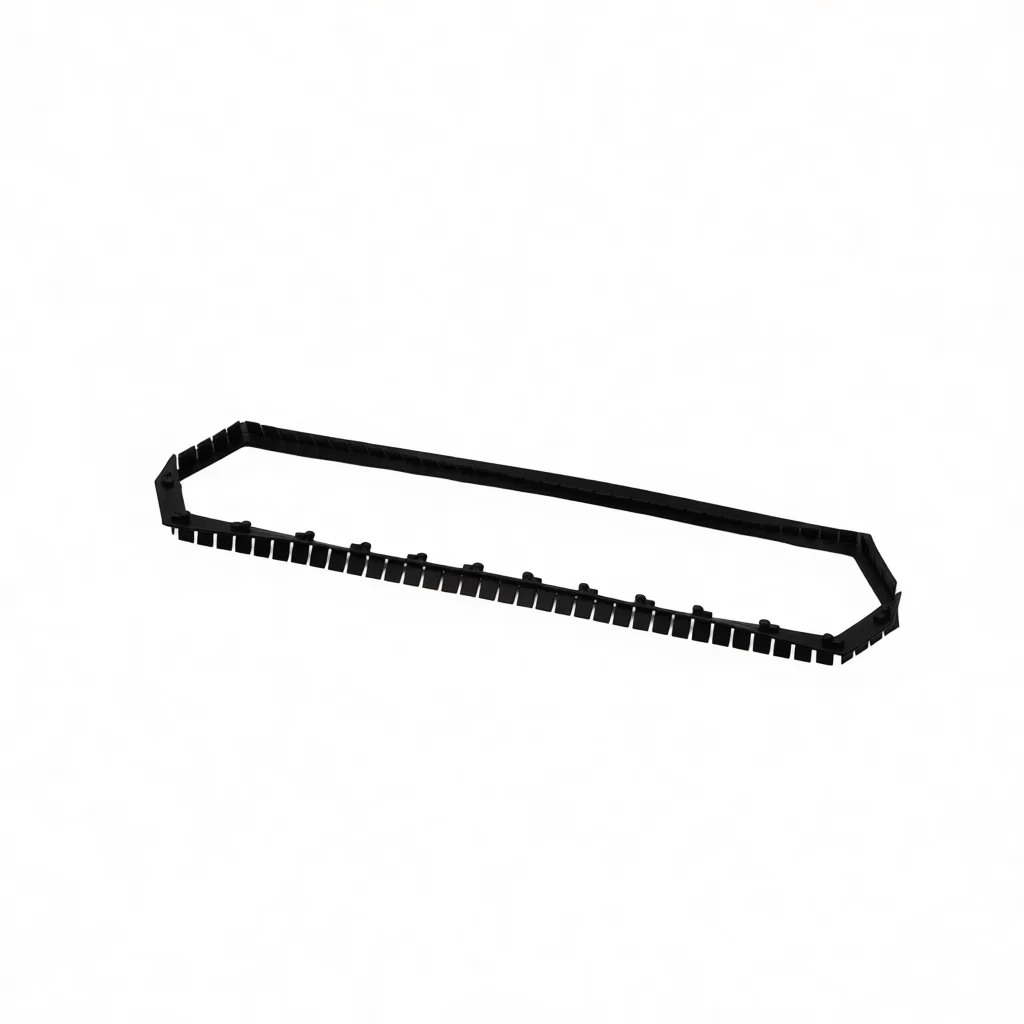
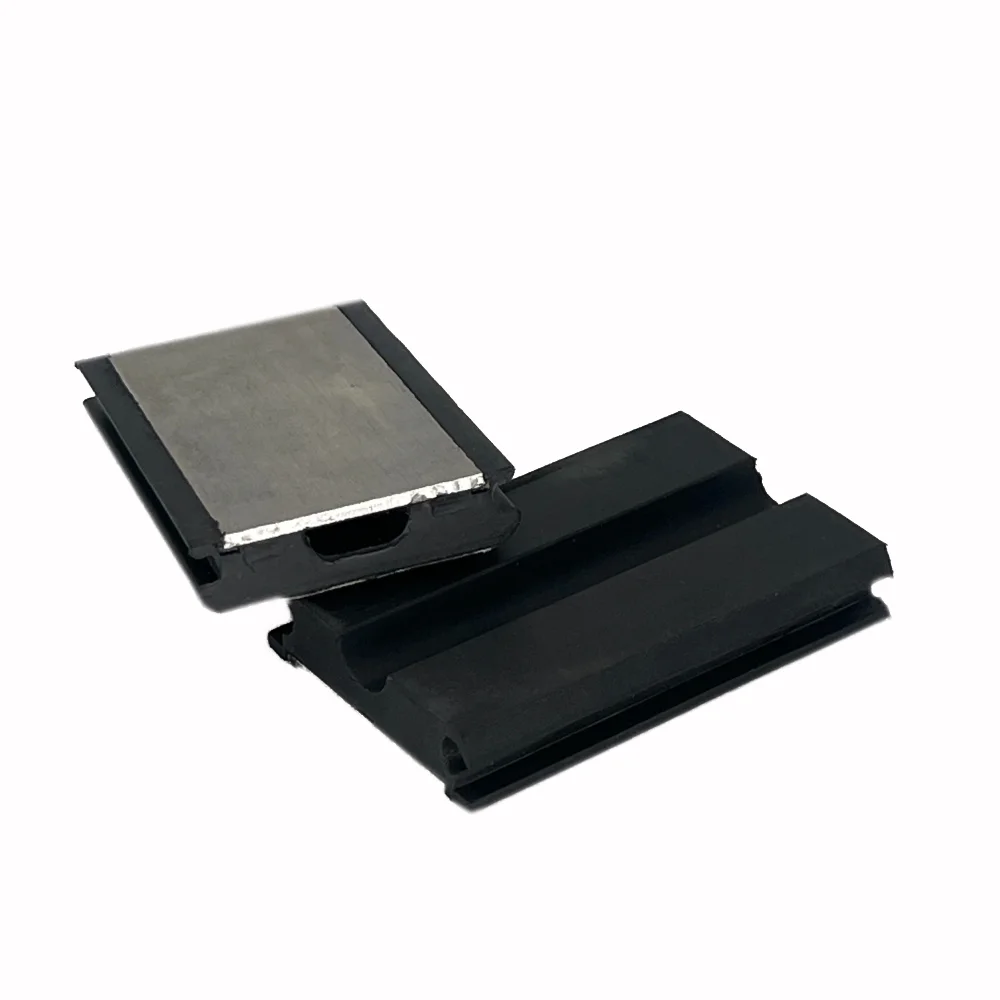
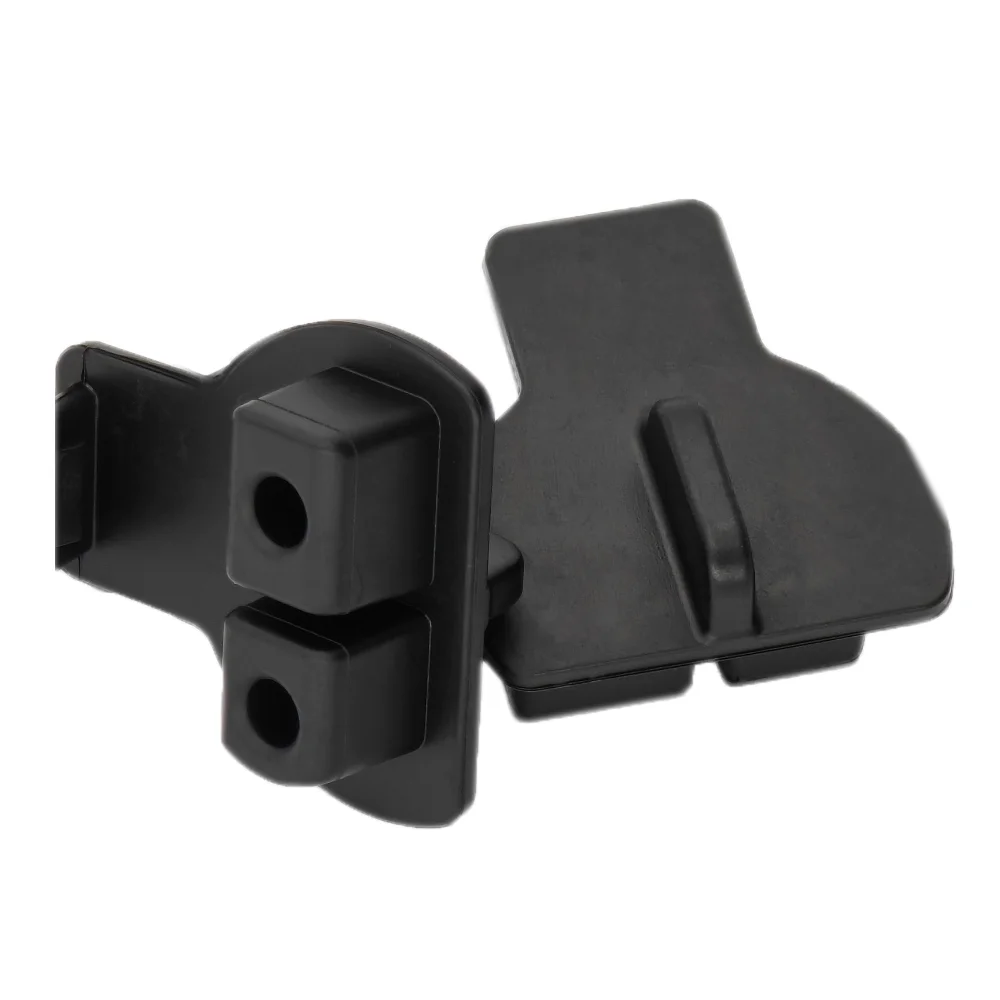
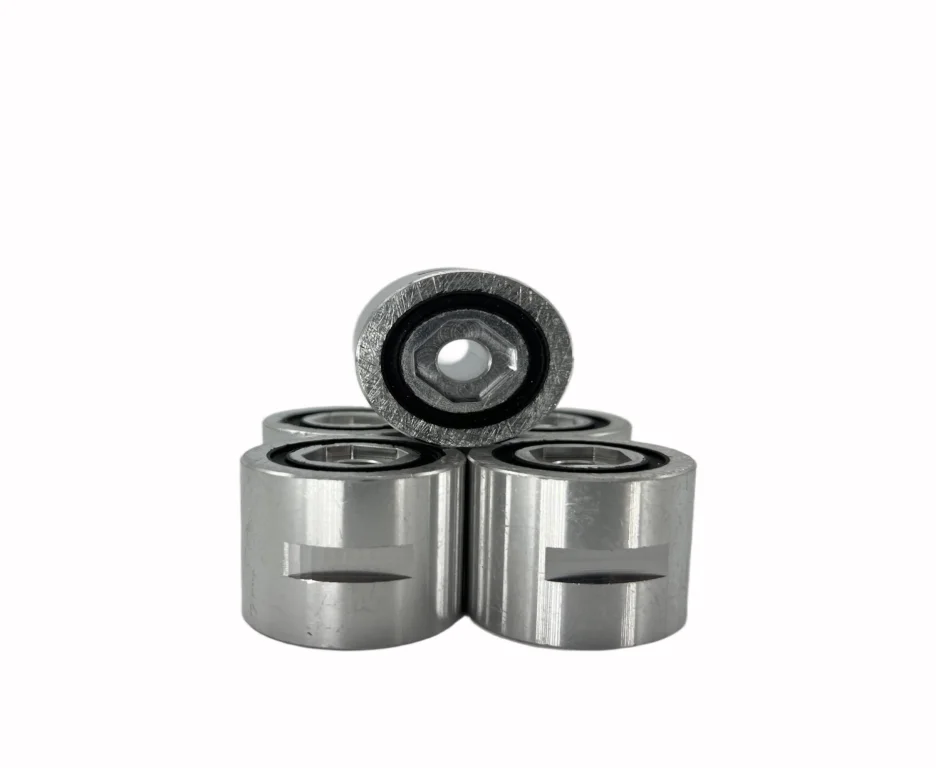
In the global transition toward renewable energy,the scale of wind turbine components has reached unprecedented dimensions.Modern turbine blades,often exceeding 100 meters in length and weighing several dozen tons,represent the pinnacle of composite engineering.However,these multi-million dollar assets face their greatest risk not while spinning in the air,but during transport and storage.The interface between the blade’s delicate composite surface and the transport cradle—the wind blade nesting—is a critical engineering component that determines the success or failure of a multi-gigawatt project.
At Guangdong Sunlite Science&Technology Co.,Ltd.,we view wind blade nesting not as mere packing material,but as a high-performance elastomeric interface.A failure in nesting design—whether through material hardening,UV degradation,or improper load distribution—leads to surface delamination,structural micro-cracks,and catastrophic financial loss during the logistics phase.As an engineering partner to the global wind industry,we specialize in delivering nesting solutions that prioritize structural damping and long-term reliability.
Technical Breakdown:The Material Science of Protective Nesting
The primary challenge in wind blade logistics is the"Point Load"problem.Because blades are aerodynamic and non-uniform,the nesting must distribute massive weights evenly across a specific surface area to prevent localized crushing.Furthermore,these components are exposed to extreme environmental stressors,from the salt-spray of oceanic shipping to the intense UV radiation of high-altitude transport routes.
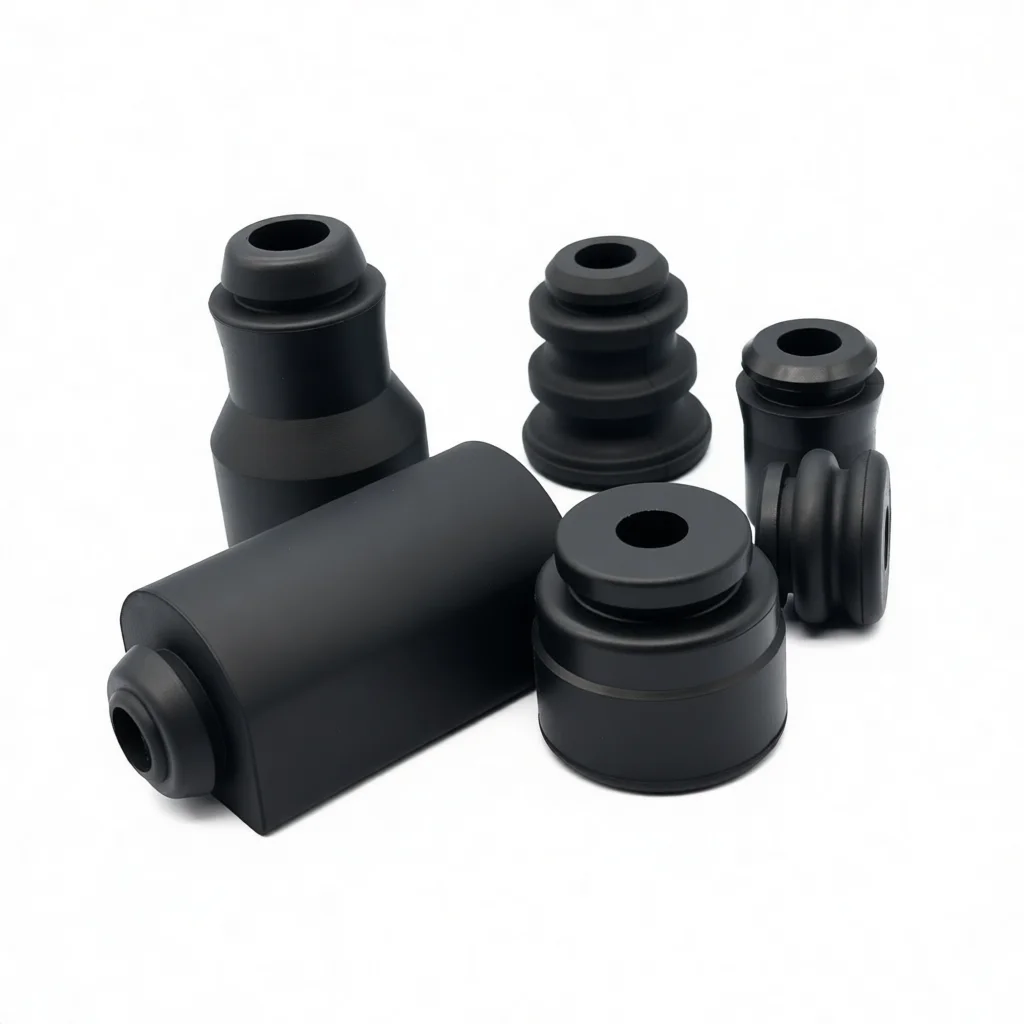
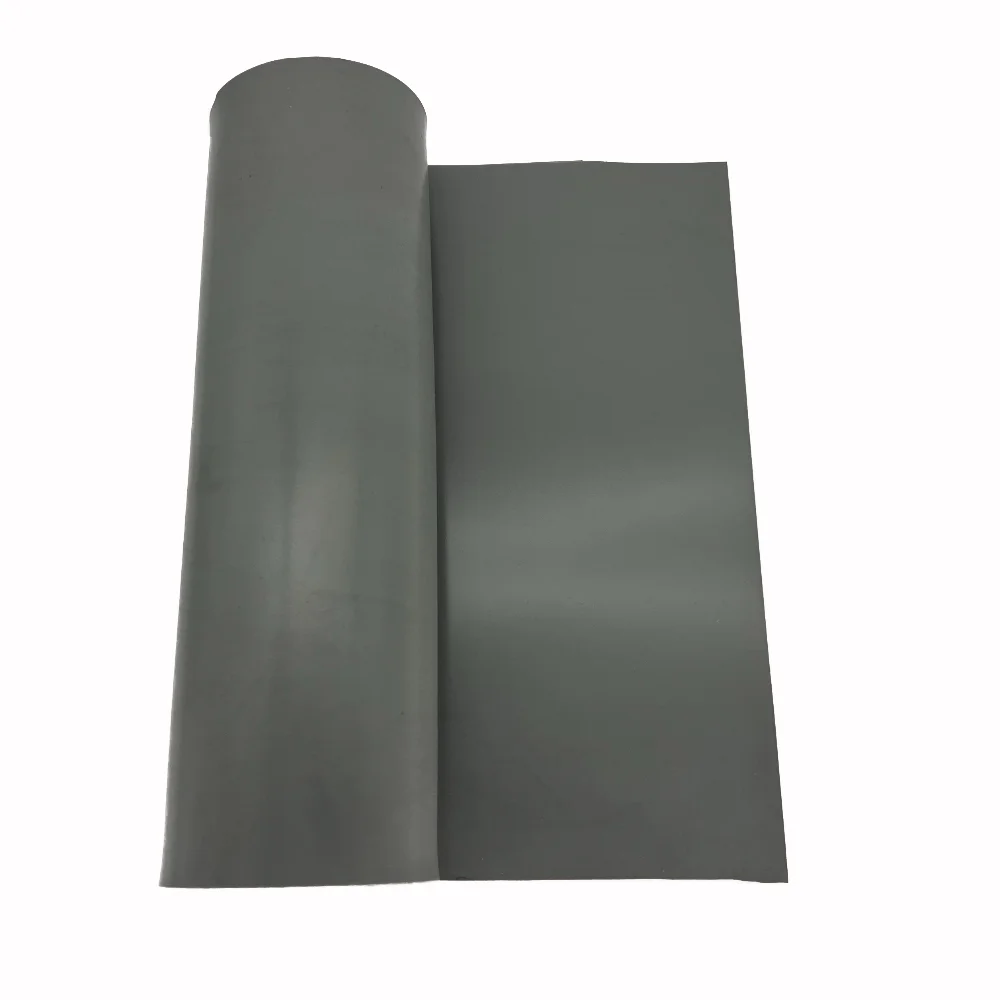
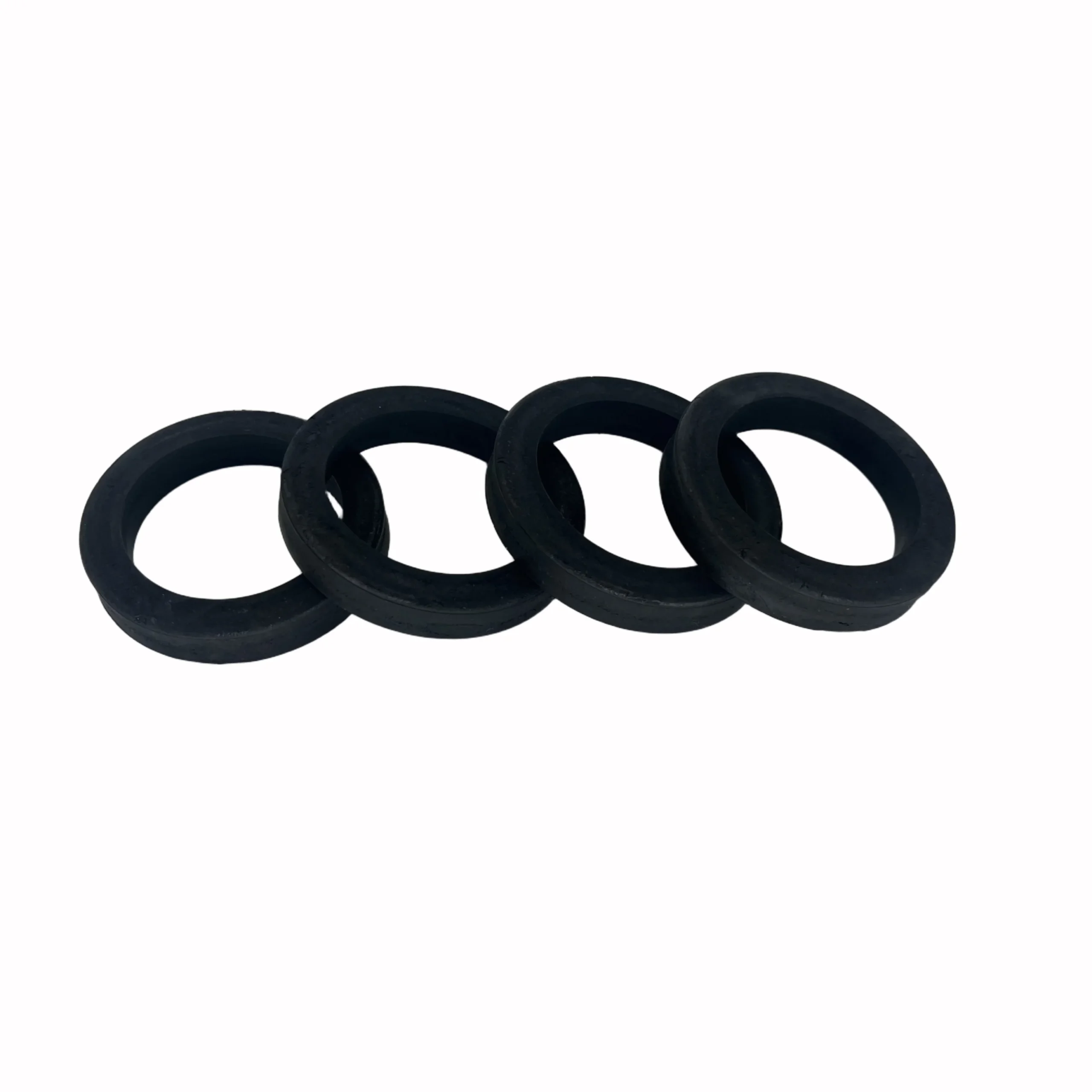
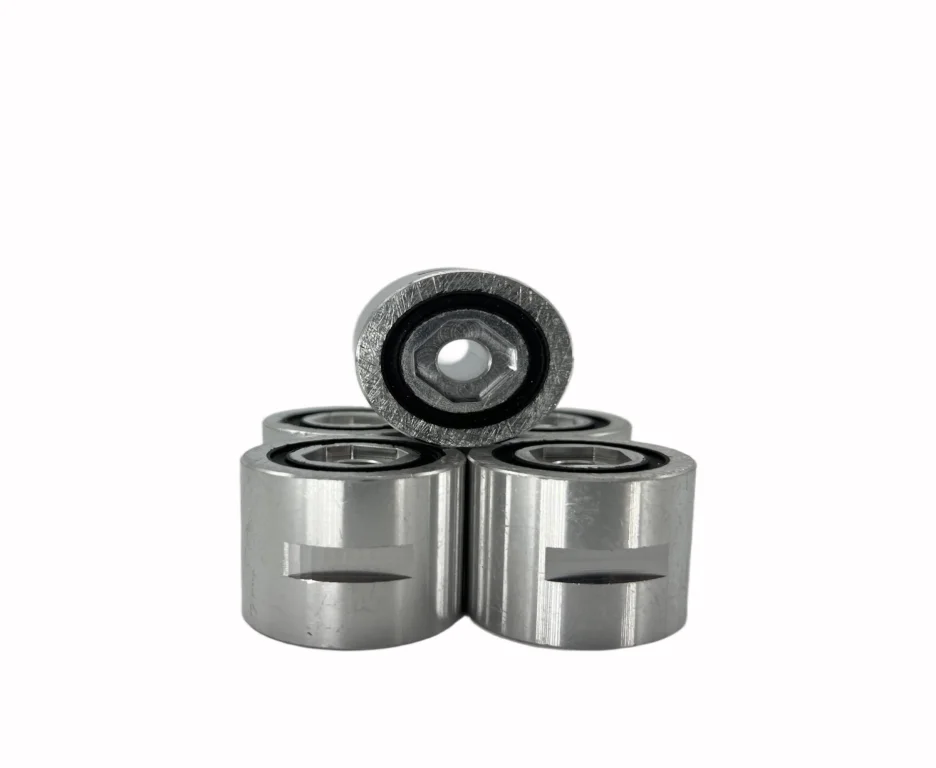
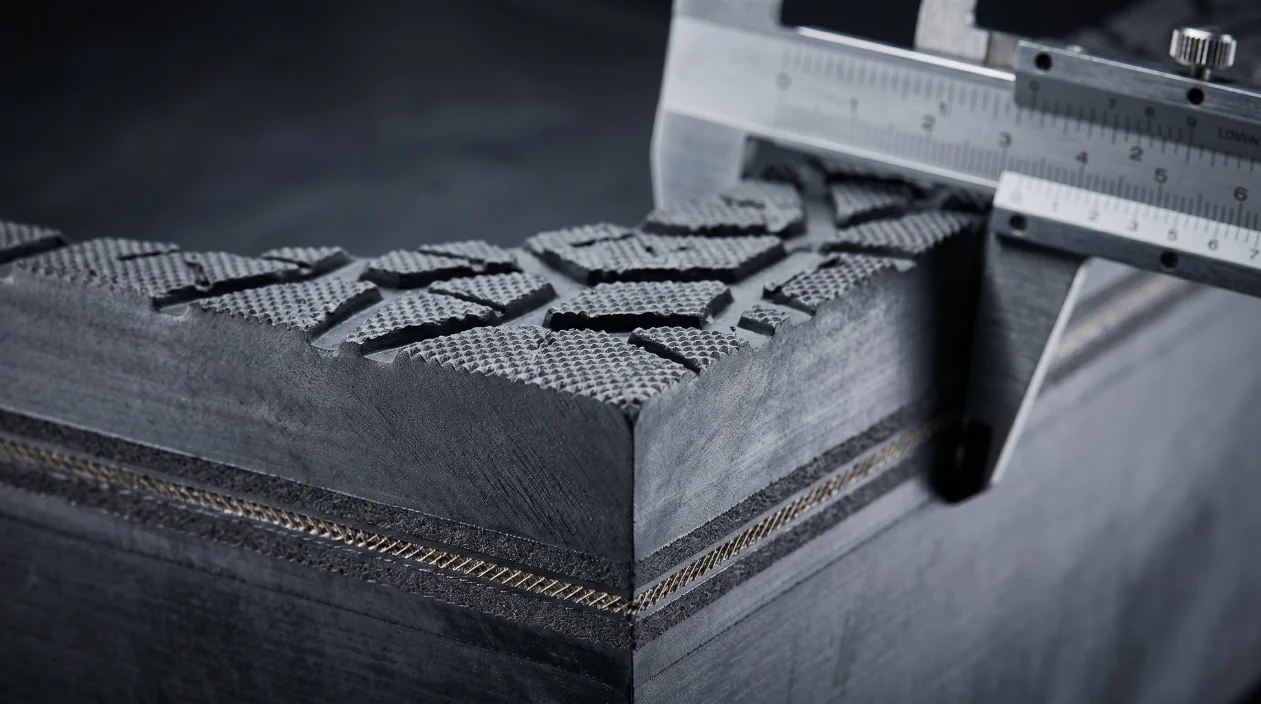
Guangdong Sunlite utilizes proprietary high-density elastomers and specialty EPDM blends to ensure that our nesting blocks maintain their dampening coefficients and structural memory under constant load.
Engineering Comparison:Sunlite High-Performance Nesting vs.Standard Industrial Rubber
Performance Metric | Sunlite High-Density Elastomer(EPDM-Based) | Standard Industrial Rubber |
Static Load Bearing | Extraordinary(Optimized for 20+Ton Blades) | Moderate(Prone to permanent deformation) |
UV&Ozone Resistance | Excellent(ASTM D1149 Compliant) | Poor(Surface cracking within 6 months) |
Operating Temp Range | -45°C to+110°C | -10°C to+60°C |
Vibration Damping | High Loss Factor(Reduces kinetic energy transfer) | Low(Transmits road/sea vibrations) |
Coefficient of Friction | Controlled(Prevents slippage without abrasion) | Variable(Risk of surface marring) |
Material Memory | >98%Recovery after long-term compression | <70%(Leads to loose fittings) |
By optimizing the Shore Hardness and Tensile Strength,our engineering team ensures that the nesting provides a"soft-touch"interface that possesses the"rigid-strength"necessary to stabilize the blade during 45-degree ship rolls or heavy-haul trucking maneuvers.
Real-World Applications:Securing the Future of Energy
1.Offshore Wind Logistics(The Salt-Spray Environment)
Transporting blades to offshore sites exposes nesting components to high salinity and 100%humidity.Standard rubber components often undergo chemical breakdown,losing their grip and structural integrity.Sunlite’s wind blade nesting blocks are formulated with advanced antioxidants and antiozonants,ensuring the material remains pliable and secure during long sea voyages,preventing the blade from shifting in its cradle.
2.Rough-Terrain Inland Transport
The journey to remote mountain ridges or desert plains involves extreme vibration and shock loads.Our nesting solutions act as a mechanical low-pass filter,absorbing the high-frequency shocks from the road before they reach the blade’s spar cap.This prevents the formation of internal composite fractures that are invisible to the naked eye but fatal to the turbine’s lifespan.
3.Factory Staging and Long-Term Storage
During manufacturing pauses or site delays,blades may sit in nesting cradles for months.Inferior materials can"leach"chemicals or stick to the blade’s gel coat,requiring expensive buffing or repair.Sunlite’s non-reactive,non-marring formulations ensure that even after a year of storage under intense sun,the nesting releases cleanly,leaving the blade surface in"as-manufactured"condition.
TCO Analysis:The"Small Product,Big Impact"Philosophy
In the wind industry,procurement often focuses on the cost of the steel cradle,viewing the rubber nesting as a secondary expense.This is a profound misunderstanding of Total Cost of Ownership(TCO).
The Cost of Inadequate Nesting:
Direct Asset Damage:A single delaminated blade can cost over$250,000 to repair or replace.
Project Delay Penalties:If a blade arrives damaged,the entire crane and installation crew(costing$50k-$100k/day)stands idle.
Safety Risks:A shifted load during transport is a major road safety hazard and a liability nightmare.
The Sunlite Engineering ROI:
By investing in Guangdong Sunlite’s precision-engineered nesting,developers significantly reduce their"Risk of Non-Conformance"(RNC).Our products are designed for multi-project reusability.While cheap rubber blocks must be discarded after one transport cycle due to permanent deformation or UV rot,Sunlite nesting components maintain their geometry and damping properties across multiple logistics cycles.This reduces the per-trip cost and aligns with the sustainability goals of the renewable energy sector.
FAQ:Engineering Insights for Wind Logistics
Q1:How do you determine the correct Shore Hardness for a specific blade profile?
Our engineers analyze the blade’s weight distribution and the surface area of the cradle.We typically recommend a dual-durometer approach:a softer outer layer to grip the gel coat without scratching,and a high-density core to provide the structural support needed to prevent the cradle from bottoming out under dynamic G-loads.
Q2:Can Sunlite provide custom-molded nesting for next-generation 15MW+turbine blades?
Yes.We specialize in large-format compression molding.We can develop custom geometries that match the specific curvature of your blade’s root,mid-span,or tip,ensuring 100%contact area and optimized pressure distribution.
Q3:How does your material handle exposure to hydraulic fluids and cleaning chemicals?
Our EPDM and specialty elastomeric blends are engineered to be chemically resistant to the hydraulic oils and industrial cleaners commonly found in port environments and manufacturing facilities,preventing the material swelling that causes nesting failure.
Partner with Guangdong Sunlite Science&Technology Co.,Ltd.
The scale of modern wind energy leaves no room for"good enough"components.Whether you are an OEM manufacturer or a specialized logistics provider,you need an engineering partner who understands the mechanical demands of wind blade protection.
Guangdong Sunlite Science&Technology Co.,Ltd.offers more than just rubber;we offer peace of mind for your most valuable assets.Our team provides comprehensive technical support,from material selection to custom mold design and load testing.
Contact our engineering team today to discuss your project requirements,request a material data sheet,or schedule a technical consultation.Let’s ensure your blades arrive at the hub exactly as they left the factory:perfect.
In the global transition toward renewable energy,the scale of wind turbine components has reached unprecedented dimensions.