Select Language

Industrial machinery operates in environments where constant movement, heavy loads, and mechanical vibration are unavoidable. From manufacturing plants and processing facilities to transportation hubs and power systems, industrial equipment generates continuous dynamic force during operation. Over time, these vibrations can negatively affect machine performance, structural integrity, and workplace safety. This is why many industries rely on advanced vibration control systems such as Floor vibration dampers to improve equipment stability and reduce operational stress.
These vibration control materials not only help stabilize equipment but also contribute to quieter work environments, lower maintenance costs, and improved operational efficiency. As industrial systems become more advanced and production demands increase, vibration management continues to play a critical role in maintaining reliable equipment performance.

Why Floor Vibration Dampers Are Important for Industrial Environments
Every industrial machine creates some degree of vibration during operation. Rotating motors, hydraulic systems, compressors, pumps, and heavy processing equipment all generate movement that transfers energy into floors and surrounding structures.
Without proper vibration control, this energy can spread throughout the facility, causing equipment instability, structural fatigue, and excessive noise. Floor vibration dampers are designed to absorb and isolate these vibrations before they affect surrounding systems.
The flexibility and shock absorption properties of rubber-based dampers allow them to reduce vibration intensity while maintaining stable equipment positioning. Instead of allowing mechanical energy to travel directly into the floor structure, dampers create a cushioning layer that disperses force more evenly.
This vibration isolation process helps protect machinery from excessive movement while reducing stress on supporting structures. In industrial facilities where multiple machines operate simultaneously, controlling vibration becomes even more important for maintaining overall operational stability.
By limiting vibration transfer, industrial facilities can create more reliable equipment foundations and reduce the risk of long-term structural damage.
Vibration Damping Pads Help Reduce Equipment Wear
One of the biggest challenges in industrial equipment management is minimizing mechanical wear caused by continuous vibration. Even small vibrations can gradually loosen fasteners, weaken support systems, and increase fatigue on machine components.
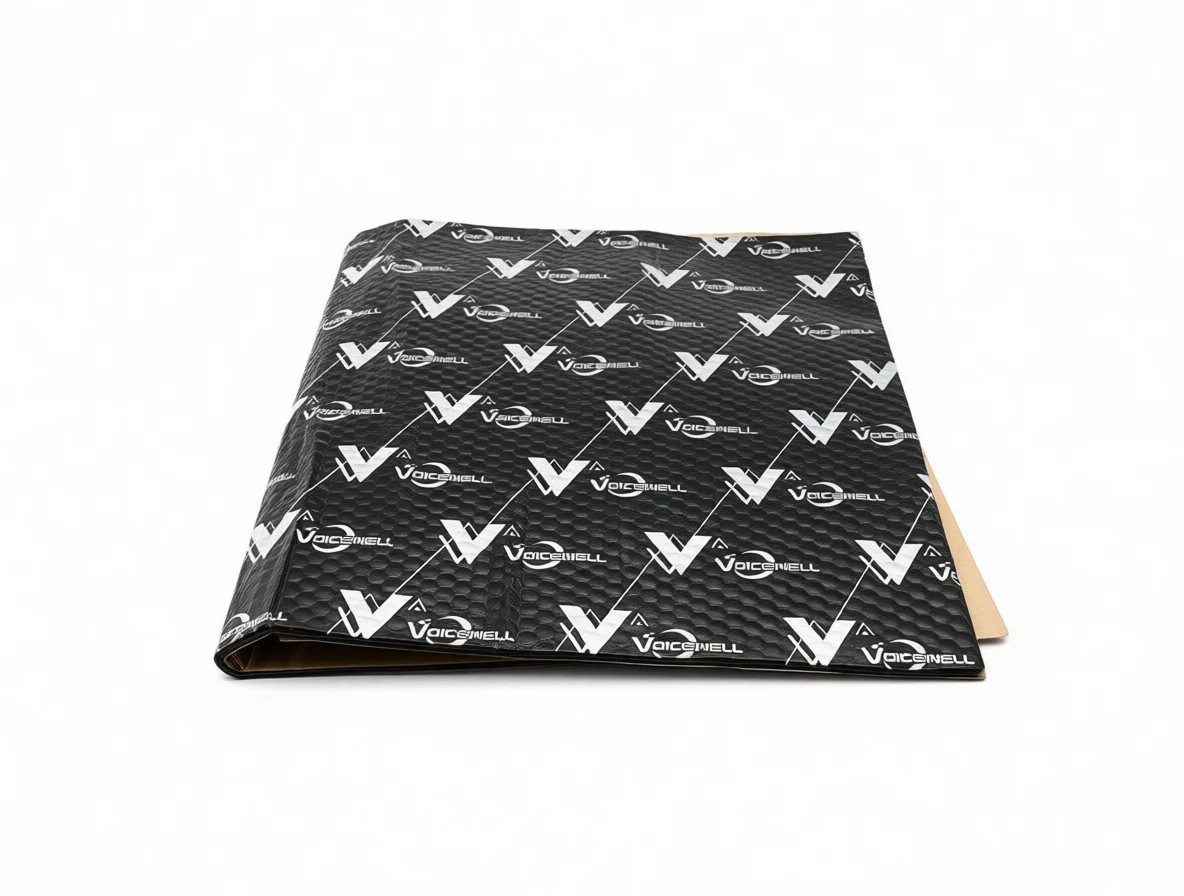
High-quality vibration damping pads help reduce these issues by absorbing mechanical energy before it reaches critical equipment parts. The cushioning effect of rubber materials softens repeated impacts and reduces the stress created during machine operation.
Over time, uncontrolled vibration can lead to misalignment, uneven wear, and reduced operational precision. Machines operating on unstable surfaces may require more frequent maintenance and experience shorter service life. Installing vibration damping systems beneath equipment helps maintain balanced operation and reduces long-term mechanical strain.
The protective benefits of vibration damping materials are especially important in industries that rely on continuous production systems. Stable machinery operation contributes to smoother workflows and more consistent performance across manufacturing processes.
Because vibration control directly influences machine reliability, many industries now consider vibration damping solutions a necessary part of preventive maintenance strategies.
Rubber Damping Pad Improves Structural Protection
Industrial vibration does not only affect machinery. Floors, walls, foundations, and nearby structures also experience continuous stress when mechanical energy spreads through rigid surfaces.
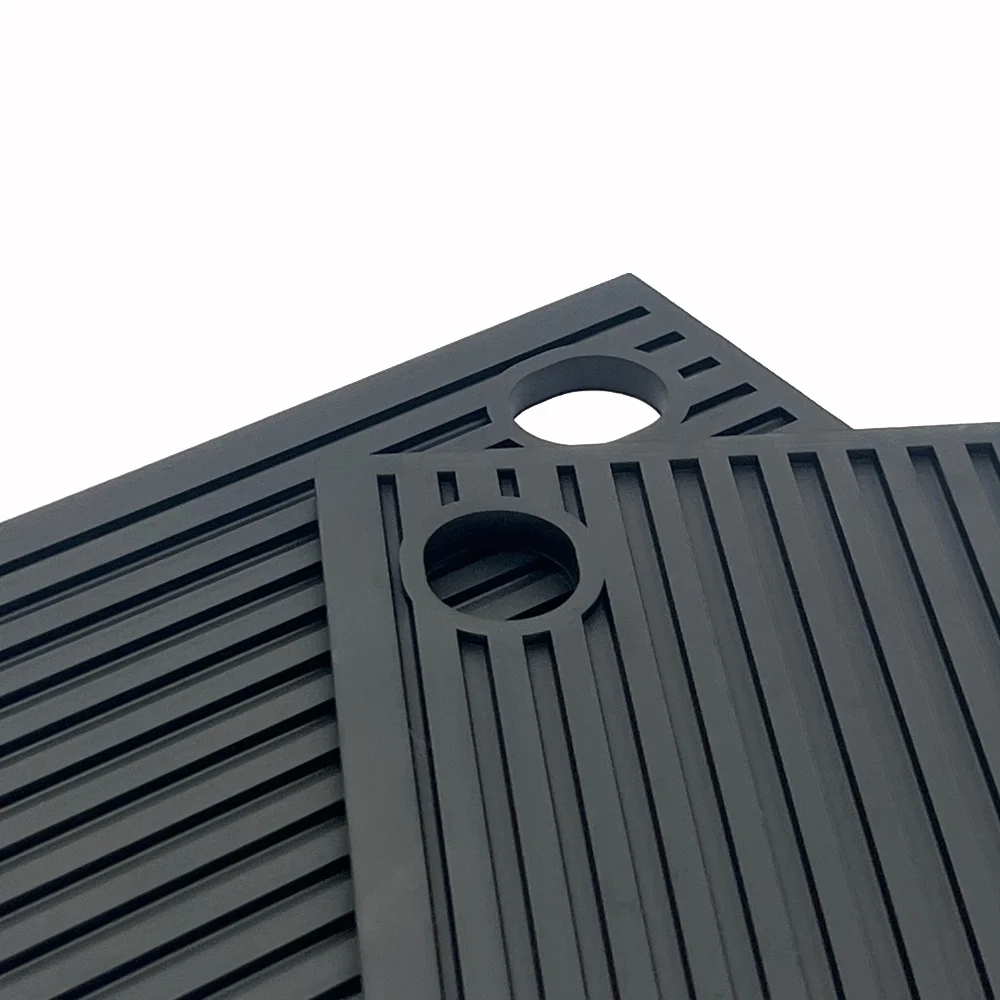
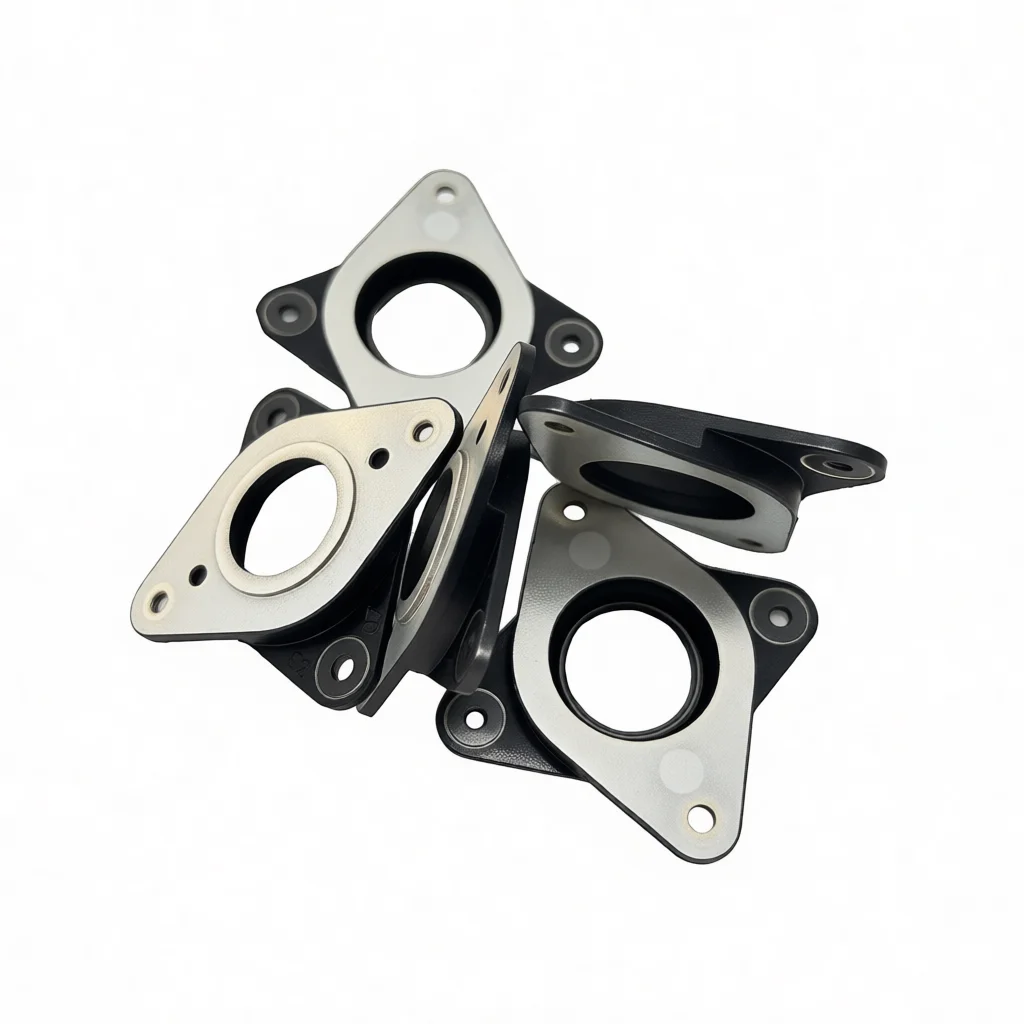
A durable rubber damping pad acts as a protective barrier between industrial equipment and structural foundations. Rubber naturally absorbs and disperses impact force, reducing the amount of vibration transferred into the building structure.
This protection is particularly important in facilities housing heavy equipment or high-speed machinery. Repeated vibration can gradually weaken concrete foundations, create cracks, and contribute to long-term structural deterioration. Rubber damping systems help reduce this stress while preserving the integrity of industrial flooring systems.
Rubber materials also adapt well to changing pressure conditions. Industrial equipment often experiences fluctuating loads during operation, and flexible rubber supports help compensate for these changes without losing stability.
The durability of modern rubber damping materials allows them to maintain performance under continuous pressure and vibration exposure. This makes them highly suitable for long-term industrial applications where reliable structural protection is required.
Vibration Isolation Dampening Pads Enhance Machine Precision
Many industrial systems depend on precise machine operation to maintain production quality. Excessive vibration can interfere with calibration, positioning accuracy, and equipment alignment, especially in advanced manufacturing environments.
Vibration isolation dampening pads help improve operational precision by minimizing unwanted movement during machine operation. By isolating mechanical vibration from surrounding surfaces, these pads create a more stable foundation for sensitive equipment.
This stability is especially valuable for industrial systems involving cutting, measuring, printing, packaging, or automated assembly processes. Small vibration disturbances can affect production consistency, but properly installed vibration isolation systems help maintain controlled operating conditions.
Vibration isolation also supports smoother machine startup and shutdown processes. Sudden movement or impact during operational transitions can create unnecessary stress on equipment structures. Dampening pads absorb part of this force, helping reduce wear caused by abrupt mechanical movement.
In industrial environments where efficiency and accuracy are essential, vibration isolation technologies contribute to improved production stability and reduced equipment downtime.
Vibration Damping Rubber Pads Help Create Quieter Workspaces
Industrial facilities are often exposed to high noise levels generated by machinery vibration and mechanical movement. Excessive noise can affect employee comfort, workplace communication, and overall operational conditions.
Vibration damping rubber pads help reduce industrial noise by absorbing vibration energy before it spreads through floors and structural surfaces. Since vibration is a major source of mechanical sound transmission, controlling vibration directly contributes to quieter equipment operation.
Rubber materials naturally possess sound-dampening properties that make them highly effective for industrial noise reduction applications. By reducing the intensity of mechanical vibration, rubber pads help minimize echo, resonance, and structural noise throughout the facility.
Quieter work environments can improve employee concentration and support safer operational conditions. In some industrial settings, reducing equipment noise is also important for meeting workplace environmental standards and facility design requirements.
The combination of vibration control and acoustic insulation makes rubber damping solutions highly valuable for modern industrial infrastructure.
Floor Vibration Dampers Support Heavy Equipment Stability
Heavy industrial machinery often generates powerful operational forces that can destabilize equipment foundations if not properly controlled. Equipment movement caused by vibration may reduce machine efficiency and increase the risk of structural imbalance.
Floor vibration dampers help maintain equipment stability by distributing pressure more evenly and reducing excessive movement during operation. This stable support system improves machine balance while protecting surrounding infrastructure from unnecessary vibration stress.
Heavy-duty applications such as generators, compressors, turbines, conveyors, and industrial processing systems all benefit from effective vibration isolation. Stable equipment positioning helps maintain consistent operational performance while reducing wear on support structures and internal components.
Rubber-based damping systems are particularly effective because of their ability to absorb repeated dynamic loads without losing flexibility. Their resilience allows them to perform continuously under demanding industrial conditions.
In facilities where equipment operates around the clock, maintaining stable machine foundations is essential for ensuring long-term reliability and reducing unexpected operational disruptions.
Rubber Damping Pad Solutions Improve Maintenance Efficiency
Frequent maintenance interruptions can reduce productivity and increase operational costs. One of the main causes of industrial equipment maintenance is vibration-related wear and component fatigue.
A properly installed rubber damping pad helps reduce maintenance demands by limiting the mechanical stress placed on equipment systems. Components exposed to lower vibration intensity often maintain better alignment and experience slower wear progression.
Vibration control systems also help protect structural foundations from damage, reducing the need for floor repairs and infrastructure maintenance. By preserving both machinery and facility structures, vibration damping solutions support more efficient long-term facility management.
Reduced vibration can also improve the lifespan of bearings, fasteners, support brackets, and internal mechanical assemblies. This contributes to fewer unexpected breakdowns and more stable production schedules.
As industries continue focusing on operational efficiency and cost reduction, vibration management technologies are becoming increasingly important for preventive maintenance planning.

Industrial machinery operates in environments where constant movement, heavy loads, and mechanical vibration are unavoidable.