Select Language
 Natural Rubber O Ring: Essential Sealant for Global Industry and Everyday Reliability
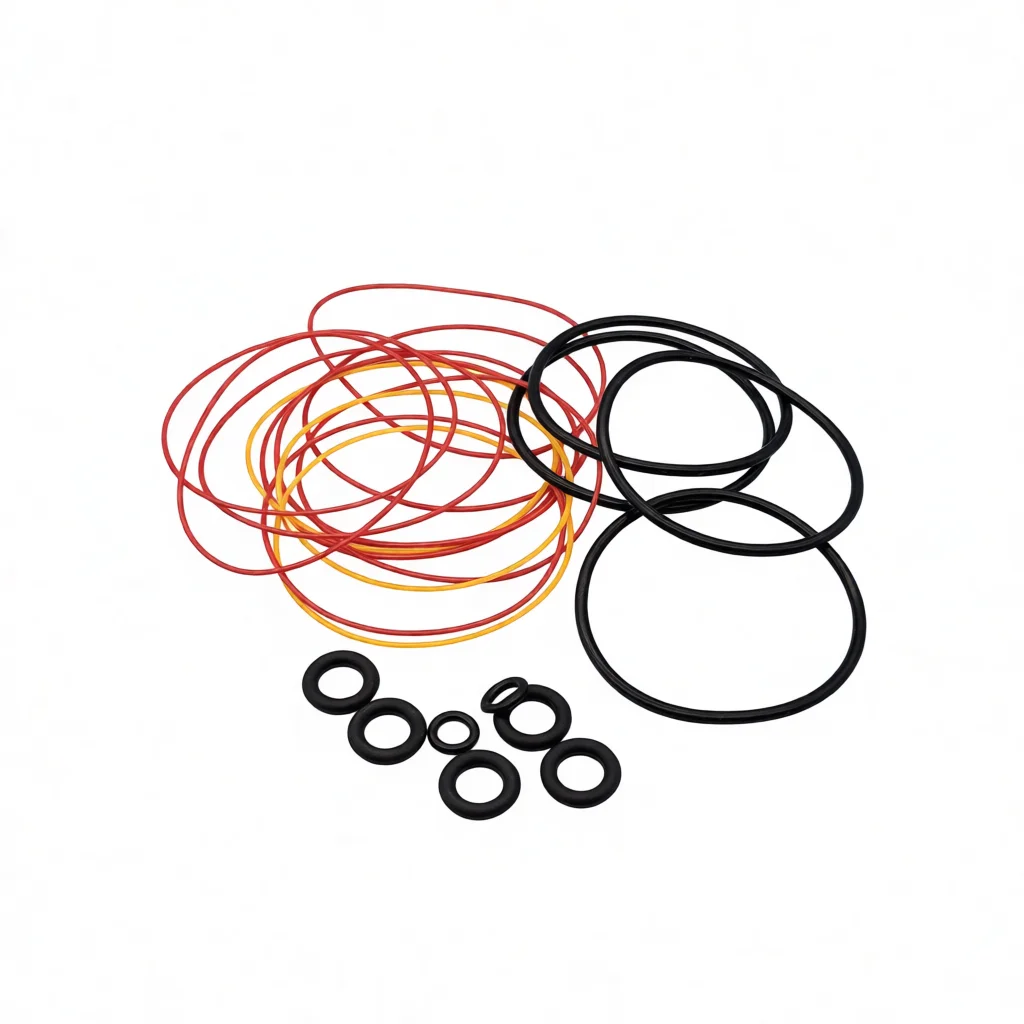
Natural rubber o rings might seem like small, unassuming components, but their impact stretches far beyond their size. These tiny sealing rings play an essential role in everything from automotive engines and industrial machinery to humanitarian water systems — basically anywhere a reliable seal prevents leaks and contamination. Globally, understanding the value and characteristics of natural rubber o ring helps industries innovate better and ensures sustainability, especially as demand for durable, affordable sealing solutions grows.
Introduction: The Global Relevance of Natural Rubber O Rings
The global market for o rings is enormous and expanding, with industrial reports estimating the sealing components market at over $10 billion by 2025, partly driven by automotive, aerospace, and manufacturing sectors. Natural rubber, harvested mostly in Southeast Asia, remains a crucial raw material, prized for its elasticity and resilience. The World Bank and International Rubber Study Group highlight that over 70% of global natural rubber comes from smallholder farms, underlining its socioeconomic importance in developing regions.
However, challenges like synthetic alternatives gaining traction and environmental concerns around rubber cultivation put pressure on supply chains. Additionally, as machinery becomes more complex, there’s a growing need for o rings that can perform under harsher conditions — heat, chemicals, or pressure. This balance between natural material advantages and industrial demands makes learning about natural rubber o rings even more important.
What is a Natural Rubber O Ring?
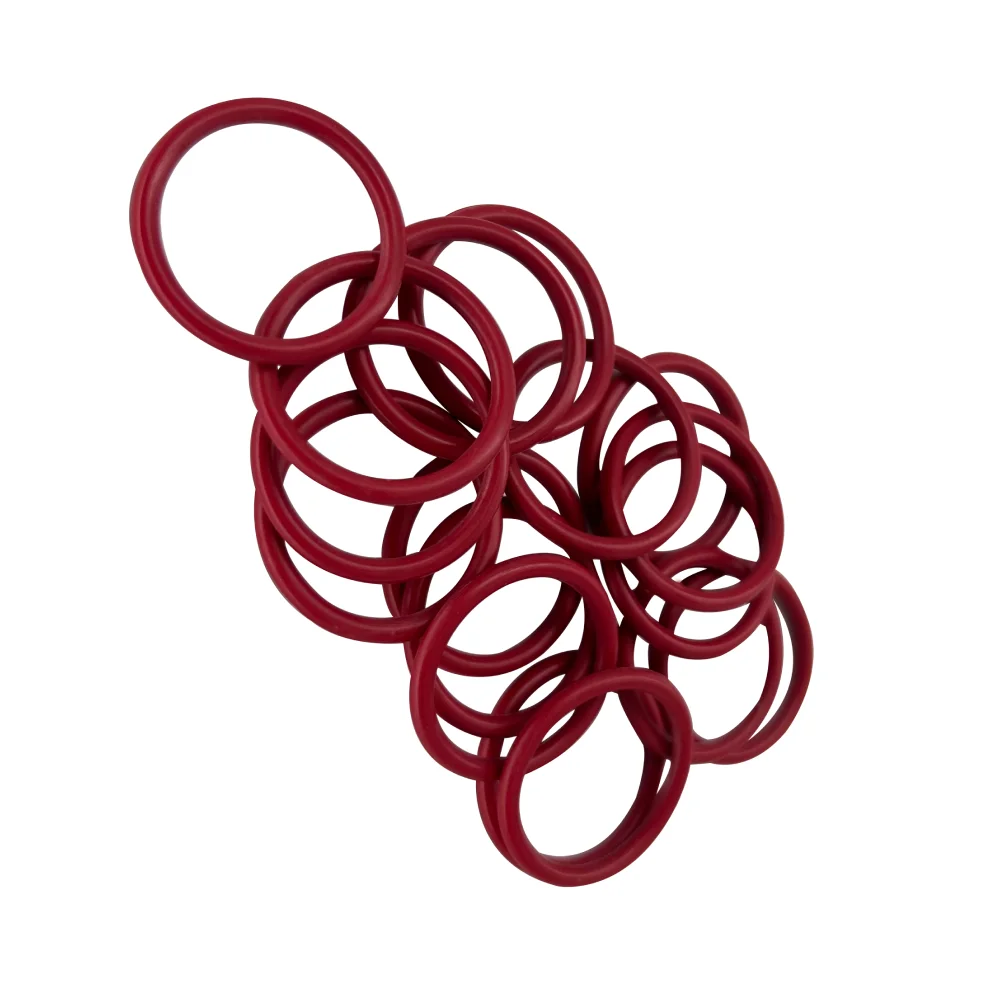
In the simplest terms, a natural rubber o ring is a circular elastomer seal made from natural rubber latex. Its doughnut-shaped cross-section is designed to create a tight seal where two or more parts meet, preventing the escape of gases or liquids. Because natural rubber is elastic and flexible, these o rings compress to fill gaps efficiently without cracking or breaking.
More than just mechanical parts, they’re a vital link in modern industry: from sealing fuel injectors in vehicles to ensuring water purity in emergency relief. Their natural origin also connects them with environmental sustainability, unlike fully synthetic seals that often rely on petrochemical sources.
Key Factors Defining Natural Rubber O Rings
1. Durability
Natural rubber o rings possess excellent elasticity and tensile strength, which means they can withstand repeated compression without permanent deformation. However, they can deteriorate when exposed to oils, solvents, or ozone. This means their use is ideal in water systems or air-sealing rather than petroleum-heavy environments.
2. Elasticity & Flexibility
One of natural rubber’s standout qualities is its ability to stretch and return to its original shape. This ensures long-term reliable sealing, even with fluctuating pressure or movement — crucial in automotive and heavy machinery applications.
3. Cost Efficiency
Compared to many synthetic alternatives, natural rubber o rings typically offer a more affordable solution for standard sealing needs, especially when sourced from sustainable suppliers. This makes them attractive for large-scale industrial use or infrastructure projects with tight budgets.
4. Environmental Impact
Since natural rubber is derived from renewable latex sap, it generally has a smaller carbon footprint compared to synthetic elastomers. Moreover, rubber plantations provide livelihoods in rural economies, though deforestation risk remains a concern that the industry is increasingly addressing.
5. Temperature and Chemical Resistance
Natural rubber’s performance can decline above 70°C and in contact with oils or harsh chemicals. This limits their applications, but improvements in compounding and blends are extending these ranges somewhat.
Product Specifications of Typical Natural Rubber O Rings
| Spec | Value | Notes |
|---|---|---|
| Material | Natural Rubber (NR, cis-1,4-polyisoprene) | Harvested from Hevea brasiliensis trees |
| Shore Hardness | 40-70 (A scale) | Varies by formulation |
| Operating Temperature | -40°C to +70°C | Limited by ozone and oil exposure |
| Tensile Strength | > 20 MPa | Indicative of durability |
| Typical Applications | Water sealing, pneumatic systems, food processing | Avoid petrochemical fluids |
Vendor Comparison: Selecting Your Natural Rubber O Rings Supplier
| Vendor | Material Quality | Customization Options | Sustainability Practices | Lead Time | Price Range |
|---|---|---|---|---|---|
| SunliteTek | Premium natural latex, ISO 9001 cert. | Custom sizes, hardness, and packing | Sourced from certified sustainable plantations | 2-3 weeks | Mid-range |
| SupplierX | Standard natural rubber blend | Limited to standard sizes | Minimal sustainability focus | 1-2 weeks | Low-range |
| EcoSeal Corp. | Organic natural rubber, eco-certified | Custom formulations, eco-friendly packaging | Strong environmental standards | 3-4 weeks | Higher-end |
Global Applications and Use Cases
Natural rubber o rings play starring roles across very diverse fields. Oddly enough, one of their most critical uses is in humanitarian relief — sealing water purification units to provide safe drinking water after floods or earthquakes. In remote industrial zones across Africa and Southeast Asia, these o rings are essential for pneumatic tools, drilling equipment, and irrigation systems where synthetic alternatives are either cost-prohibitive or not readily available.
In automotive manufacturing worldwide, natural rubber o rings help seal cooling systems, preventing overheating. Aerospace engineers still favor natural rubber for non-critical seals where flexibility at low temperatures is needed. Additionally, food processing plants use these o rings because natural rubber is food-contact safe when formulated properly.
Advantages and Long-Term Value
- Cost Efficiency: Their affordability combined with reliability makes them the go-to for many standard industrial uses.
- Environmental Sustainability: Derived from renewable latex, they support sustainable agriculture and reduce reliance on synthetic polymers.
- Trust and Safety: Their elasticity and resilience ensure minimal leakage and operational safety — crucial in medical, automotive, and aerospace sectors.
- Social Impact: They provide livelihoods for millions of smallholders in rubber-producing regions, contributing to rural economies.
Frankly, the feeling of using natural rubber o rings in machinery or infrastructure projects is knowing you’ve chosen a blend of tradition, science, and trustworthiness.
Future Trends and Innovations
In the future, natural rubber o rings may undergo exciting evolution. Industry experts are experimenting with bio-composites and nanotechnology to enhance natural rubber’s chemical resistance and temperature tolerance. Coupled with digital manufacturing technologies like 3D printing for custom shapes, this could revolutionize the market.
Moreover, there’s a push within the global rubber industry to expand sustainable plantation certifications and reduce deforestation. As green energy and electric vehicles advance, the demand for eco-friendly sealing solutions like natural rubber variants is poised to grow.
Challenges & Solutions
Natural rubber's susceptibility to oils, ozone, and high temperatures is a well-known drawback. However, blends with small amounts of synthetic rubber or surface coatings can help mitigate these weaknesses. Additionally, quality control remains a challenge, especially from smaller suppliers, stressing the importance of ISO-certified vendors.
Researchers also explore recycling methods and circular economy approaches for natural rubber products, which may reduce waste and improve lifecycle sustainability.
FAQ: Frequently Asked Questions About Natural Rubber O Rings
- Q: How do natural rubber o rings compare to synthetic ones in chemical resistance? A: Natural rubber has limited resistance to oils and solvents compared to synthetic options like Nitrile or Viton. It’s best used in water, air, and mild chemical environments.
- Q: Can natural rubber o rings be customized in size and hardness? A: Yes, most reputable suppliers offer custom dimensions and durometer (hardness) adjustments to fit specific sealing needs.
- Q: What industries benefit most from natural rubber o rings? A: Automotive, food processing, water treatment, and humanitarian relief sectors find these o rings especially valuable for their effective sealing and eco-friendliness.
- Q: How sustainable is natural rubber production? A: While natural rubber is renewable, traditional plantations face challenges like deforestation. Sustainable certifications help ensure environmentally and socially responsible sourcing.
Conclusion
Understanding and choosing the right natural rubber o ring means tapping into a product that blends durability, eco-consciousness, and cost-effectiveness. As industries evolve, these small rings remain a surprisingly big part of global infrastructure and economy. If you’re considering sealing solutions that support sustainability and reliability, starting with quality natural rubber o rings is a smart move.
Ready to explore high-quality options? Visit us at SunliteTek to learn more about how natural rubber o rings can fit your industry needs.

Natural Rubber O Ring: Essential Sealant for Global Ind […]