Select Language
 Everything You Need to Know About Micro Rubber O Rings: Tiny Components with Big Impact
Micro rubber O rings might sound like just another small part tucked away inside complex machinery, but their global importance is anything but small. These tiny, flexible seals are key contributors to countless industrial and humanitarian applications — holding together systems that range from fuel injection to medical devices worldwide. Understanding the intricacies of micro rubber O rings can unlock significant value: durability, leak prevention, cost savings, and ultimately reliability in everything from aerospace technology to water purification.
Global Relevance of Micro Rubber O Rings
Globally, the demand for miniature sealing solutions has skyrocketed, fueled by the rapid growth in sectors like healthcare, automotive, consumer electronics, and environmental technology. According to recent ISO standards on sealing components (ISO 3601), and data from the World Bank indicating a 7% annual growth in smart device installations, micro rubber O rings form an essential backbone. Why? Because without them, many fluid control and pneumatic systems simply can't operate effectively. They solve one of industry’s nagging problems: maintaining airtight and liquid-tight seals at miniature scales—a challenge underscored by strict environmental regulations and skyrocketing quality standards.
What Exactly Are Micro Rubber O Rings?
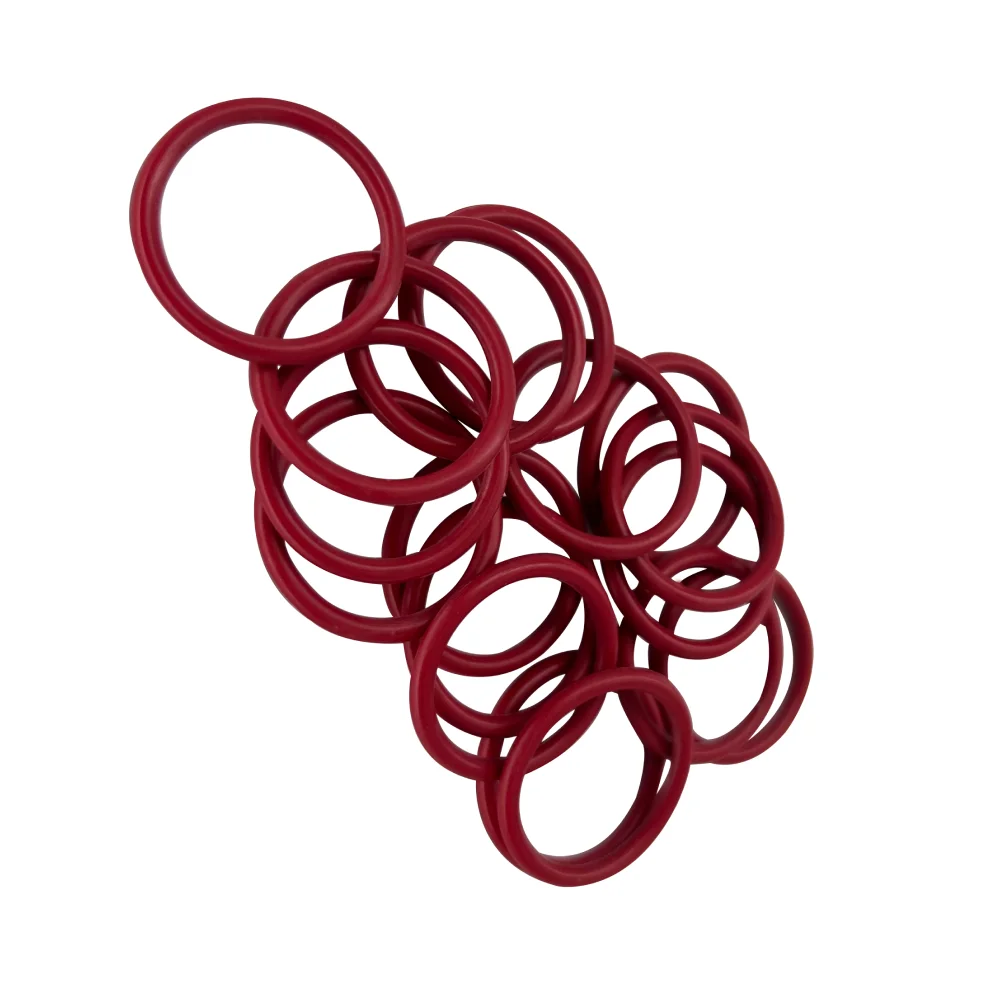
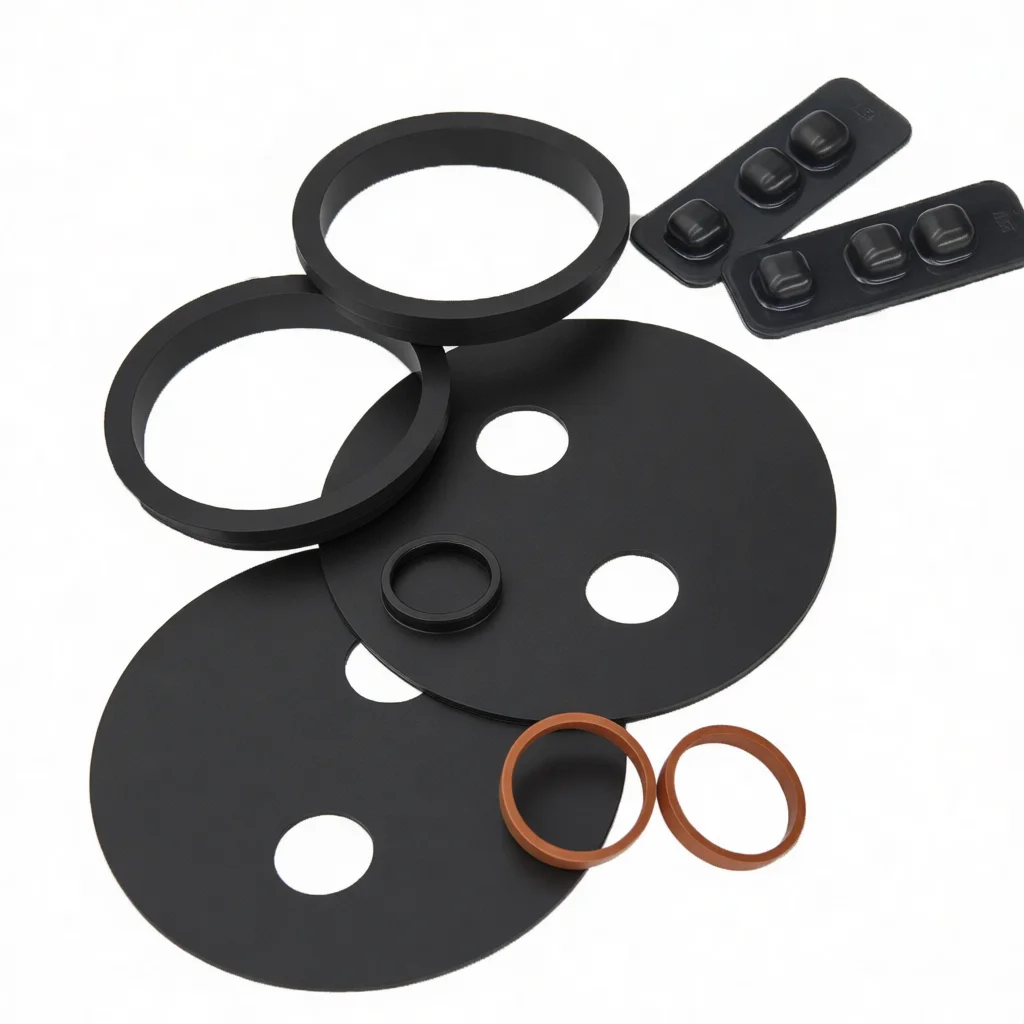
Put simply, micro rubber O rings are small, donut-shaped rubber seals engineered to prevent fluid and gas leaks in devices where even a tiny leak could cause serious functionality or safety issues. They are manufactured from specialized elastomers and often measure just a few millimeters in diameter — that’s about the size of a pencil eraser or smaller. These seals might be microscopic, but they hold significant responsibility in modern industry by providing dependable sealing for tiny mechanical assemblies and high-precision applications.
Key Factors Shaping Micro Rubber O Rings
1. Durability
Because micro O rings often operate under intense pressure, temperature fluctuations, and chemical exposure, their material composition is vital. Silicone, Viton, and nitrile rubber are common choices balancing flexibility with resistance to wear and degradation. Engineers continually test these rings to withstand millions of compression cycles — hardly a minor feat.
2. Scalability and Precision
Manufacturing micro O rings requires microscopic precision to ensure each seal fits snugly into its groove; otherwise, the effectiveness drops dramatically. Automation and laser measuring tools have revolutionized how these rings are produced, enabling mass production without sacrificing quality.
3. Cost Efficiency
Oddly enough, while these components sound specialized, many are economically made, thanks to advances in synthetic rubbers and molding techniques. This cost-efficiency makes widespread deployment possible, especially in developing regions needing reliable industrial parts.
4. Chemical & Temperature Resistance
Depending on their application — from automotive engines to medical devices — micro rubber O rings must resist oils, fuels, or sterilization chemicals. Some FDA-approved compounds even allow use in food and pharmaceutical environments, speaking to their versatility.
Typical Product Specifications
| Specification | Detail |
|---|---|
| Material | Viton, Silicone, Nitrile |
| Size Range | 0.3mm to 10mm diameter |
| Temperature Range | -60°C to +250°C (depends on material) |
| Tolerance | ±0.01 mm |
| Applications | Medical devices, aerospace, automotive, electronics |
Where Micro Rubber O Rings Matter Most
These small components have huge footprints across many industries:
- Medical Devices: Used in infusion pumps and diagnostic equipment for sterile, leak-proof seals.
- Aerospace: Crucial for fuel and hydraulic systems where failsafe sealing impacts safety.
- Automotive: Fuel injectors and braking systems rely on precise sealing performance.
- Consumer Electronics: Smartphones and wearable sensors use micro O rings for waterproofing.
- Environmental Tech: Water filtration units depend on reliable seals to prevent contamination.
Interestingly, NGOs operating in remote industrial zones or disaster relief setups growingly require these seals for water purification or field medical equipment. It's fascinating how a tiny ring ties into large-scale humanitarian efforts.
Advantages of Micro Rubber O Rings: Long-Term Value
The benefits extend beyond simply plugging leaks:
- Cost Savings: Reduces downtime by preventing leaks and malfunctions, saving thousands in repairs.
- Durability & Reliability: Long-lasting performance ensures safety and trust in critical operations.
- Sustainability: High-quality materials support longer product lifespans, reducing waste.
- Versatility: Adaptable to many industries, often FDA or ISO certified.
- Peace of Mind: For engineers and end-users alike, a dependable seal is reassuring.
Vendor Options: Quick Comparison
| Vendor | Materials Offered | Production Capacity | Certifications | Pricing Tier |
|---|---|---|---|---|
| SunliteTek | Viton, Silicone, EPDM | High (Automated) | ISO 9001, FDA | Mid-range |
| SealPro | Nitrile, Silicone | Medium | ISO 14001 | Competitive |
| MicroSealTech | Fluorosilicone, Viton | Low (Custom orders) | ISO 9001 | Premium |
Emerging Trends and Innovations
Frankly, the world of micro sealing is evolving fast. There's a growing push towards greener elastomers — bio-based rubbers that reduce reliance on petrochemicals. Digital transformation means more exact 3D scanning and modeling during product design, improving fit and function. Automation in production ensures higher consistency, while new materials enable O rings that resist extreme environments, such as cryogenic temperatures or aggressive chemicals. In the bigger picture, micro rubber O rings also play roles in emerging hydrogen fuel infrastructure and next-gen medical implants. The future is quite exciting indeed.
Challenges and How They're Being Tackled
Although micro rubber O rings are marvels, they’re not without quirks. Manufacturing to tight tolerances can lead to higher rejection rates and waste. Material incompatibility sometimes leads to unexpected failures — say, swelling in certain chemicals. To combat this, advanced material science and testing protocols (including accelerated lifecycle analysis per ISO 14310) are becoming the norm. Also, modular designs and custom sealing solutions are on the rise to meet complex application needs. Vendors like SunliteTek invest significant R&D into these issues, which is reassuring.
Frequently Asked Questions About Micro Rubber O Rings
- Q: What materials are best for micro O rings in medical devices?
A: Typically, silicone or FDA-approved EPDM are preferred for their biocompatibility and sterilization resistance. - Q: How precise are micro rubber O rings in sealing performance?
A: Most high-quality rings maintain tolerance within ±0.01 mm, enabling effective sealing even in sensitive microfluidic systems. - Q: Can micro O rings be custom-sized for unique applications?
A: Yes, many manufacturers offer custom tooling and design to fit specialized needs and unusual size requirements. - Q: Are micro O rings reusable or single-use?
A: Generally, they are designed for long-term single use due to compression set and material fatigue but may be re-used in controlled, low-stress conditions. - Q: How do environmental factors affect micro rubber O ring performance?
A: Exposure to ozone, UV, and chemicals can degrade the elastomer; selecting the right compound for the environment is critical to longevity.
In Summary: The Small Ring with a Powerful Role
Micro rubber O rings might be easy to overlook given their size, but their contribution to industry, healthcare, and sustainable technology is paramount. Whether ensuring fuel systems stay leak-tight or medical devices perform without fail, these miniature seals offer long-term value, safety, and performance. If you’re interested in exploring high-quality micro rubber O rings tailored to your needs, reach out today — the right seal is often the difference between success and costly failure.
It sometimes feels strange reflecting how something so tiny can hold such responsibility — but when it’s your equipment or safety on the line, it makes all the difference.
References

Everything You Need to Know About Micro Rubber O Rings: […]