Select Language
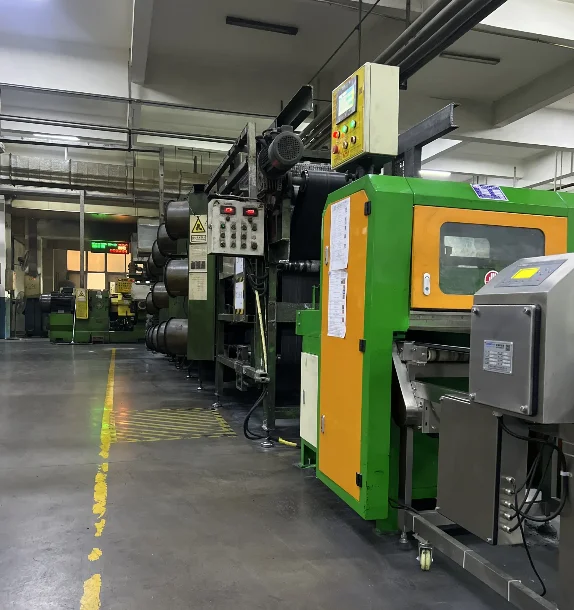
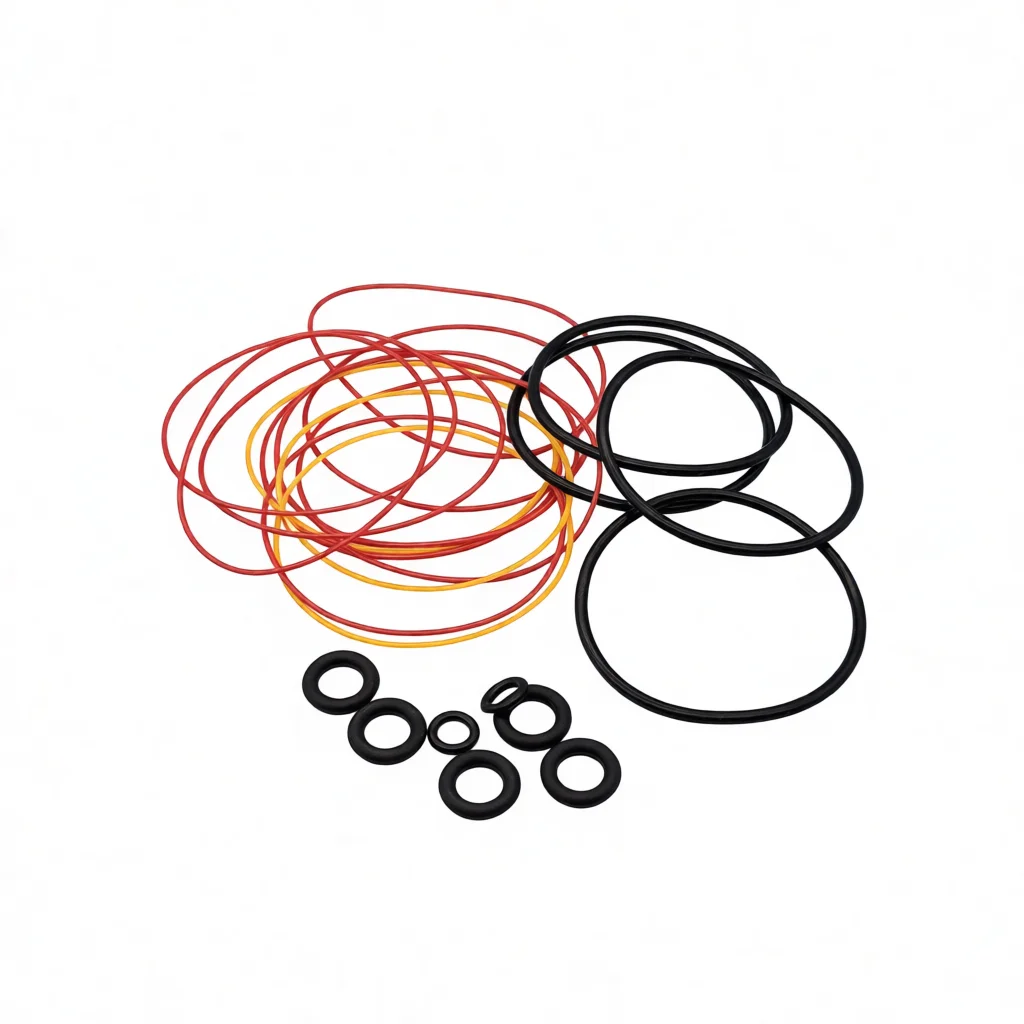
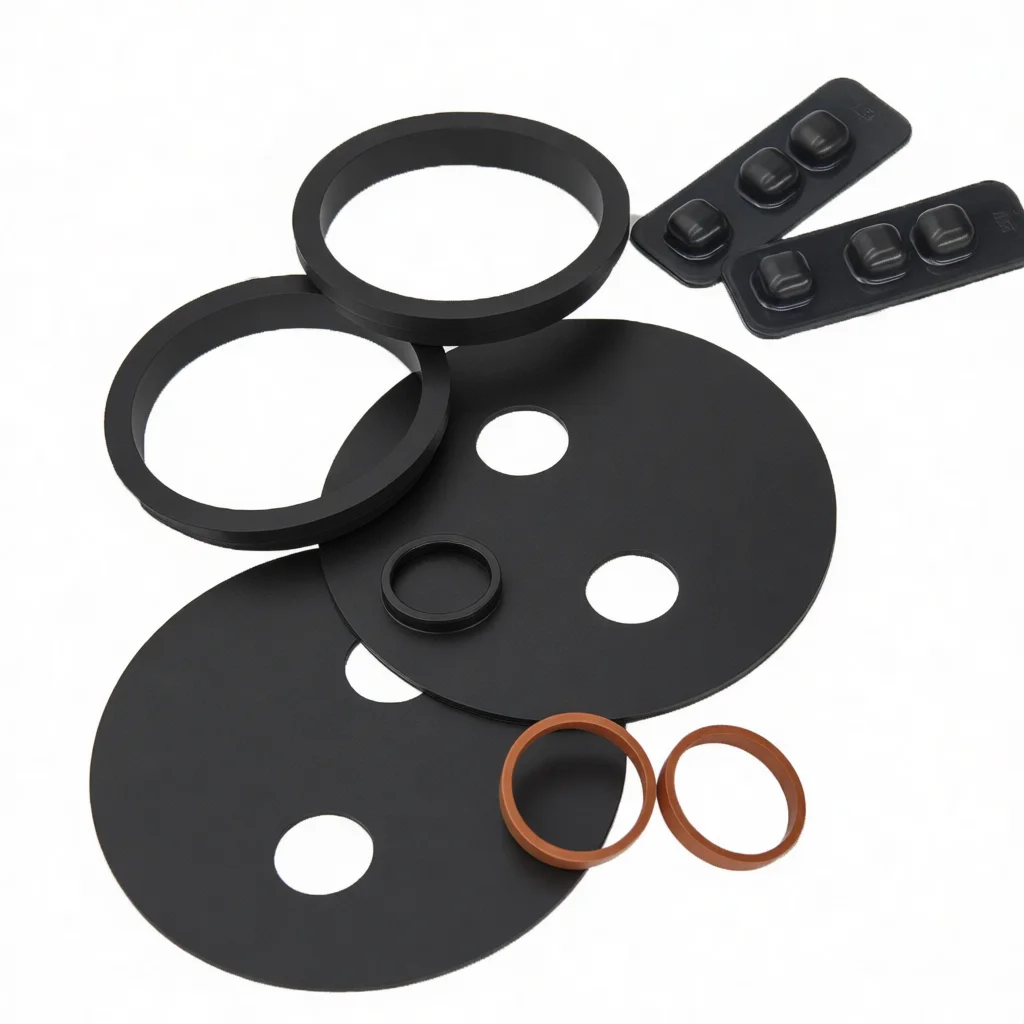
Vulcanization is the core process in rubber product manufacturing. It crosslinks rubber molecules, endowing products with high strength, wear resistance, elasticity, and vibration damping performance
Posted on September 25, 2025
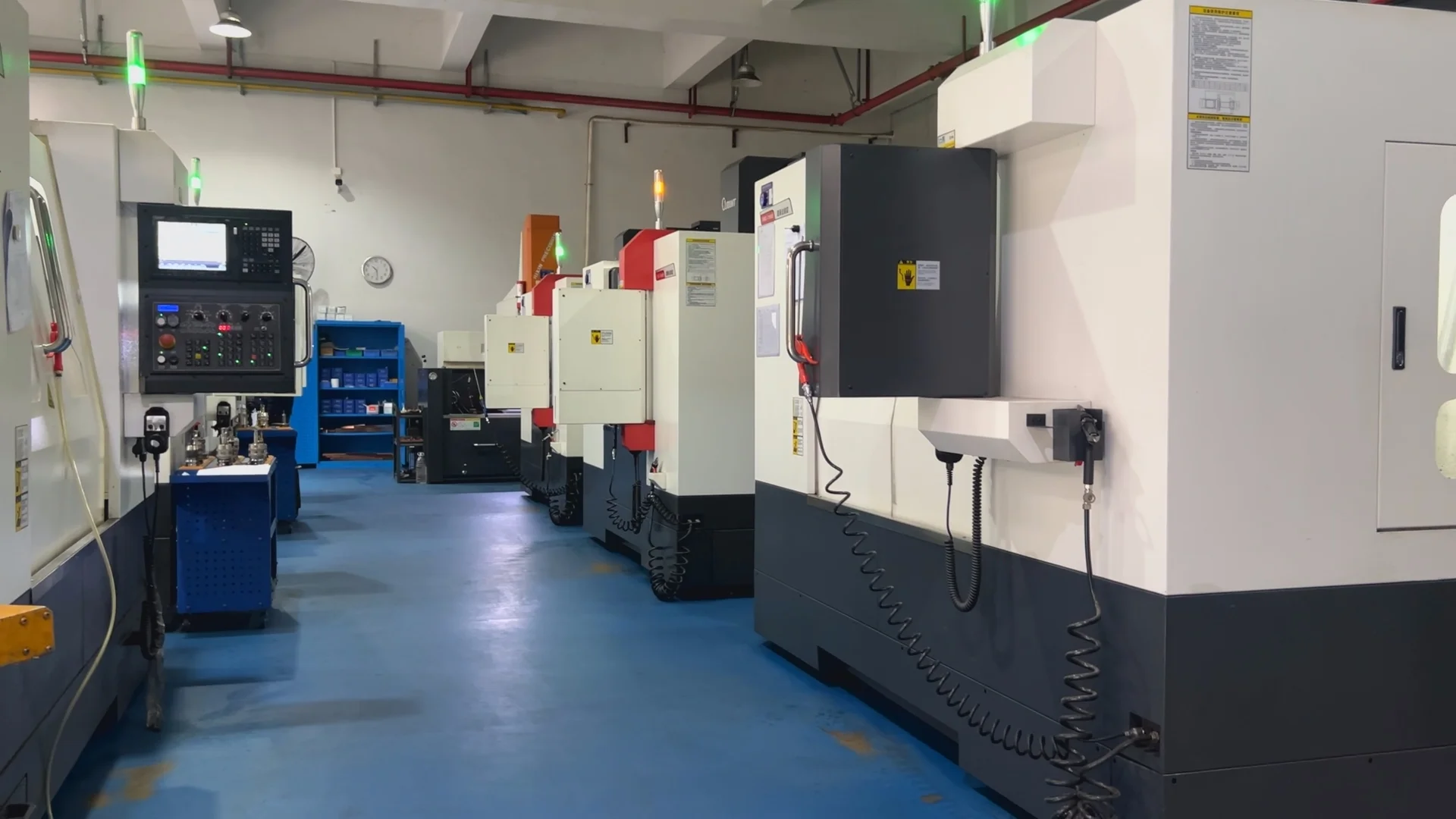
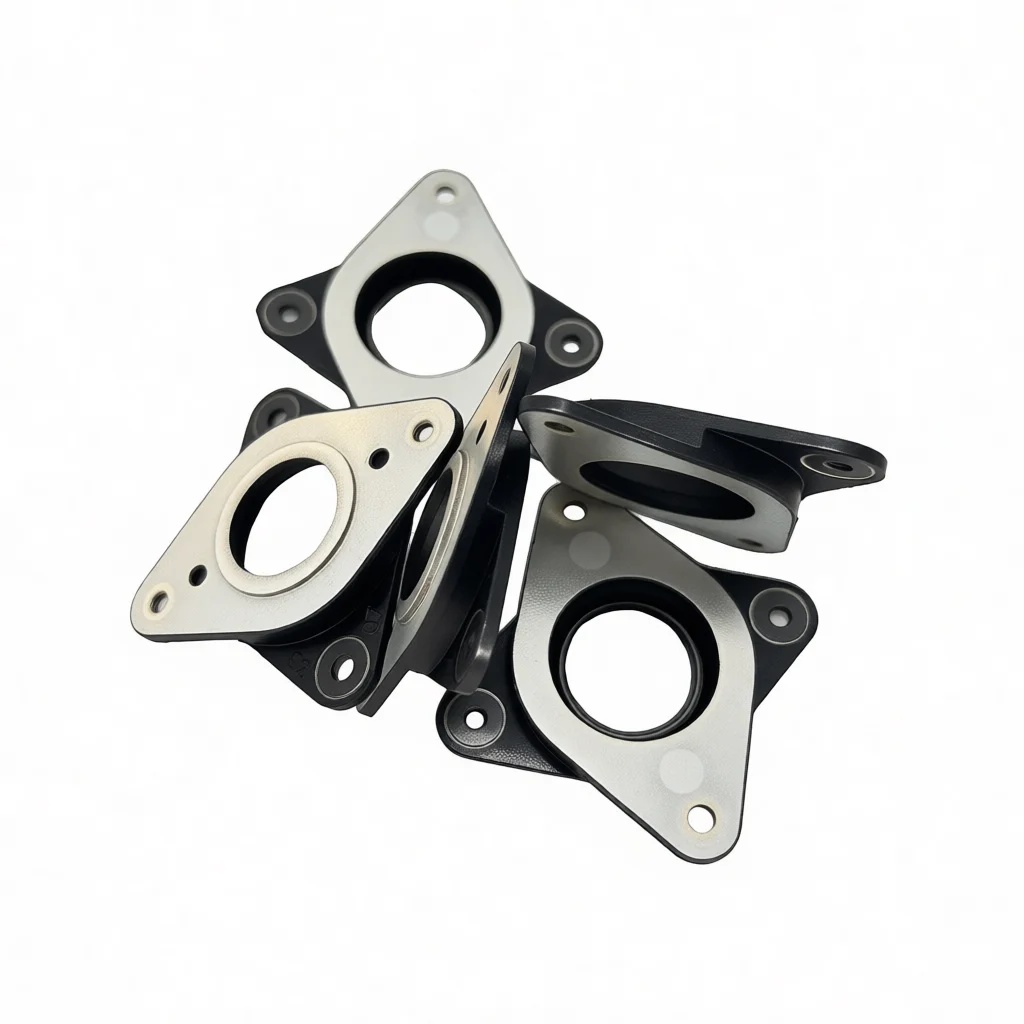
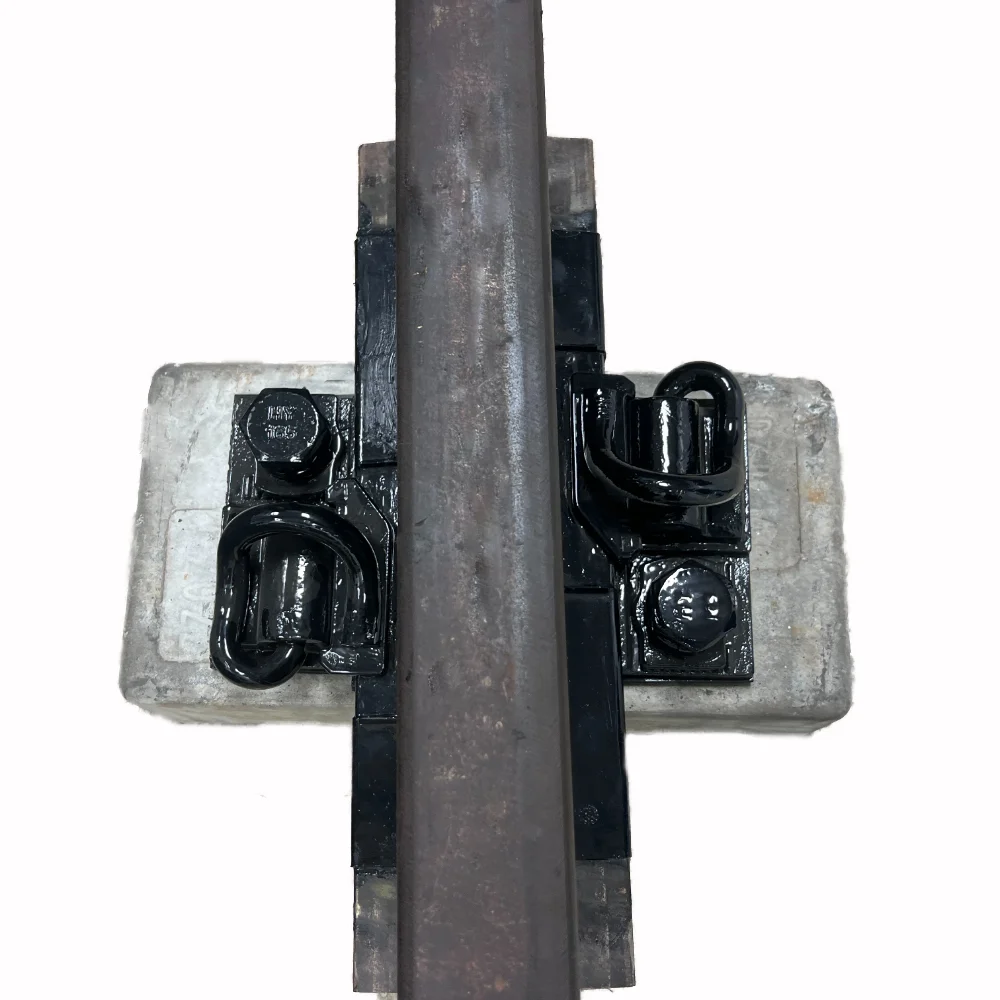
Suntite’s machining workshop specializes in mold design, manufacturing, maintenance, and related production services, widely applied in industries such as automotive, power tools, UAVs, underwater robotics, construction and home appliances, and rail transit.
Posted on September 25, 2025
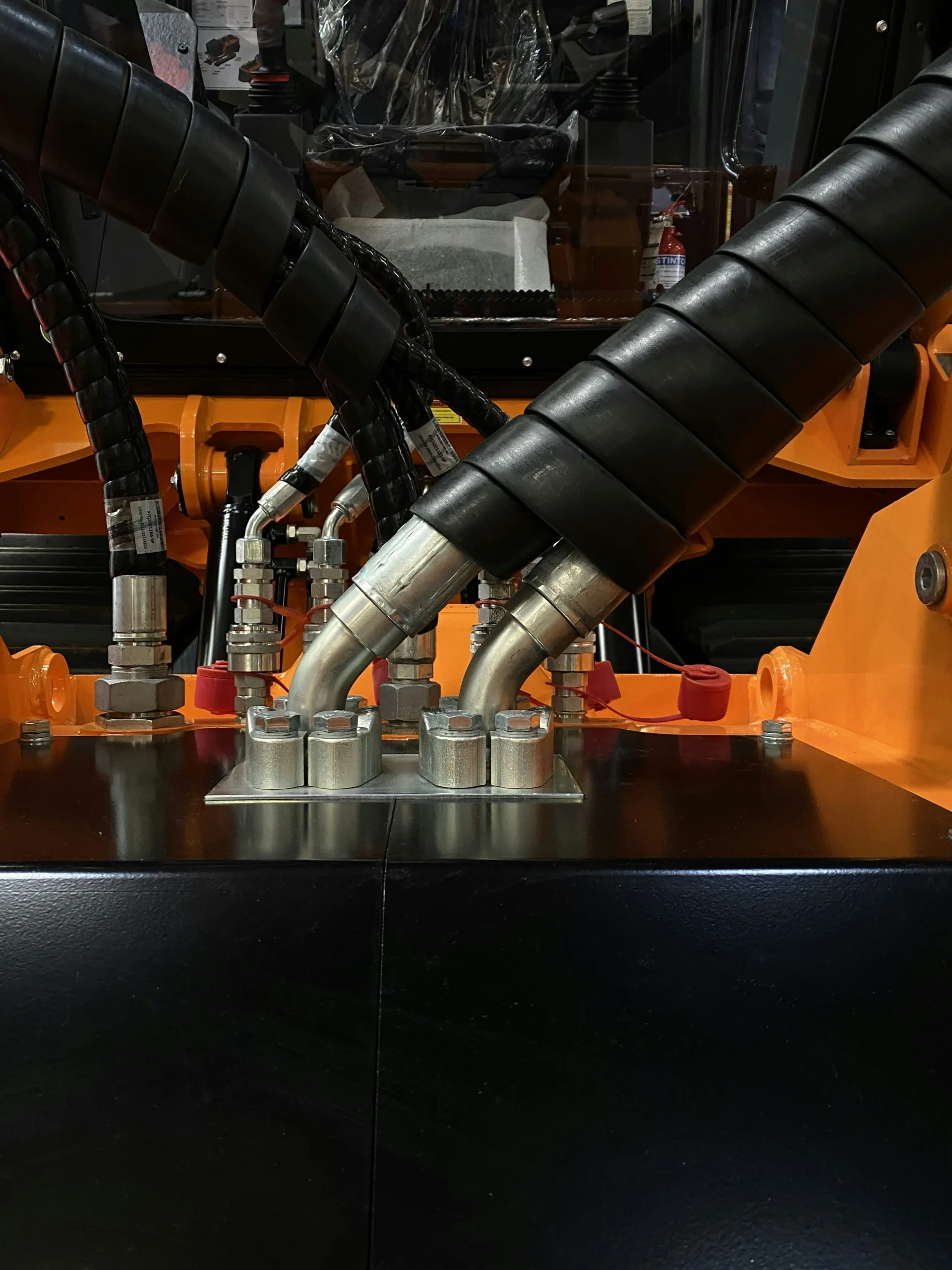
In the production of rubber products, vulcanization is the key process that determines final performance.
Posted on September 25, 2025
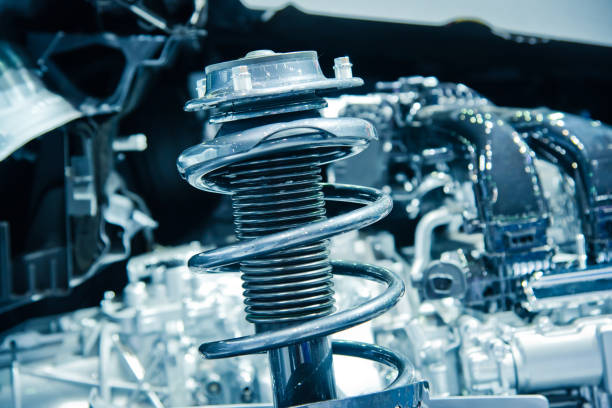
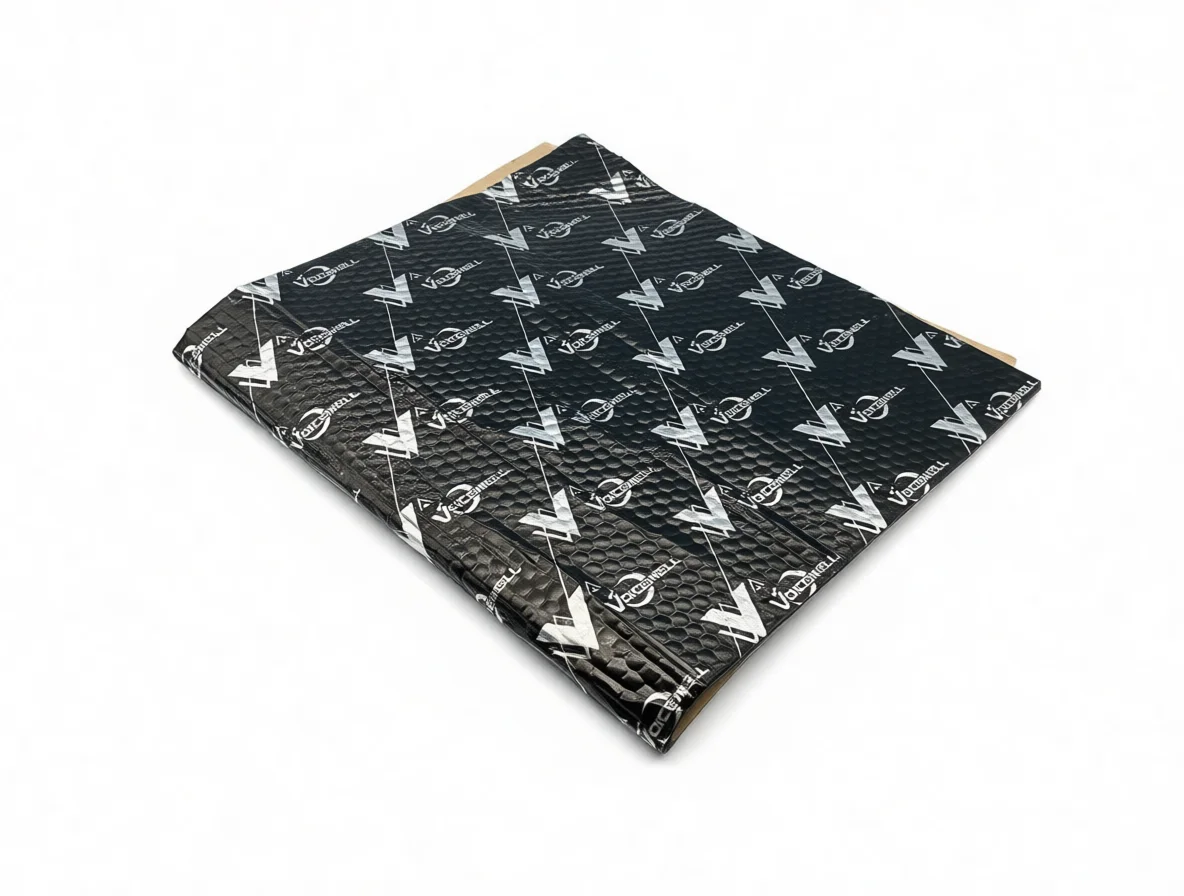
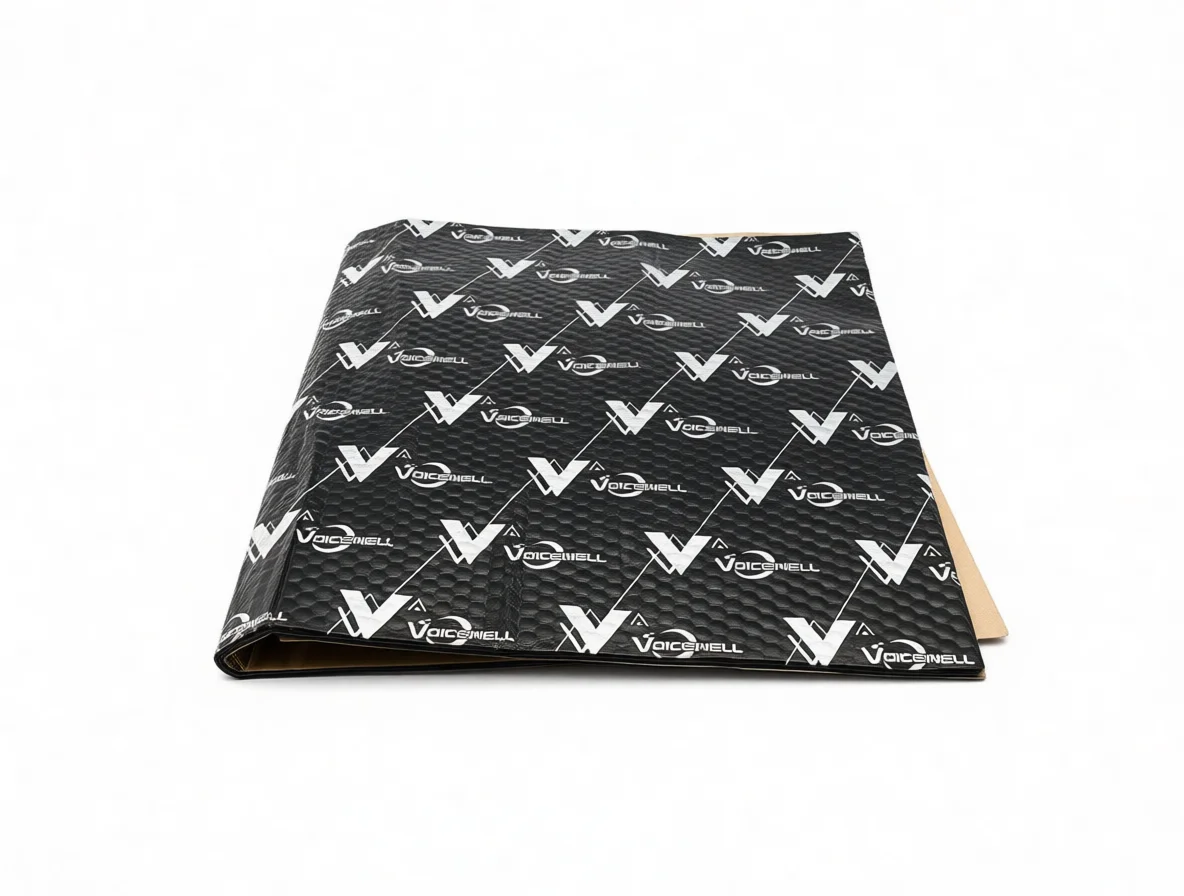
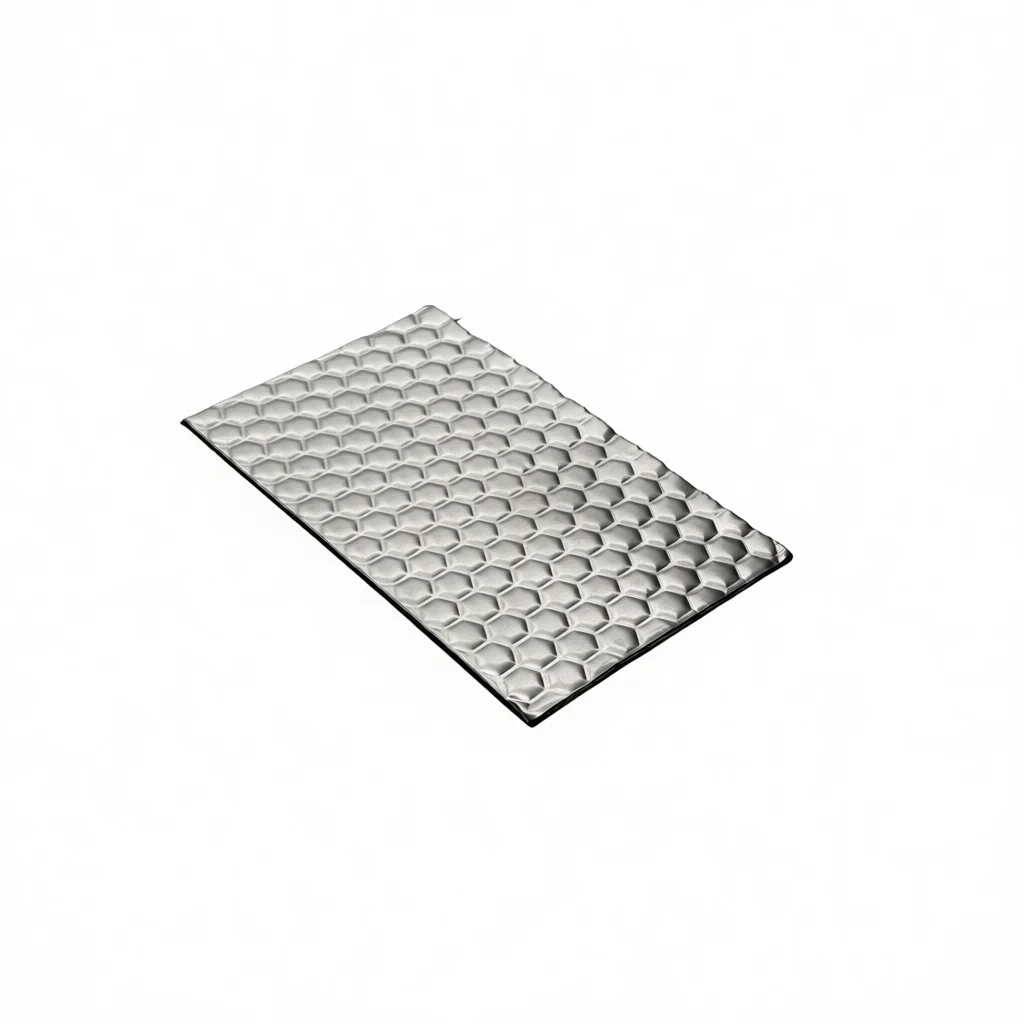
As new energy vehicles and intelligent cockpit technologies evolve rapidly, ride comfort has become a key battleground for automakers seeking differentiation. Addressing the environmental drawbacks and performance limitations of traditional asphalt-based damping sheets, a new generation of polymer composite damping materials is reshaping automotive NVH (Noise, Vibration, and Harshness) control standards through molecular-level innovation.
Posted on July 16, 2025
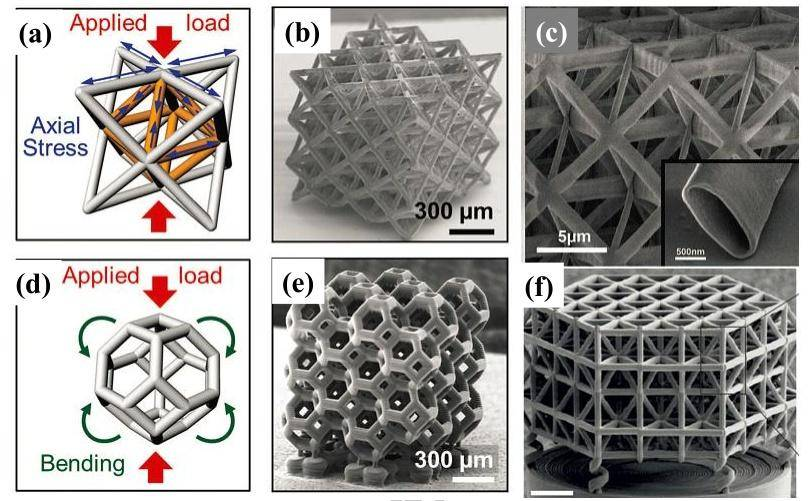
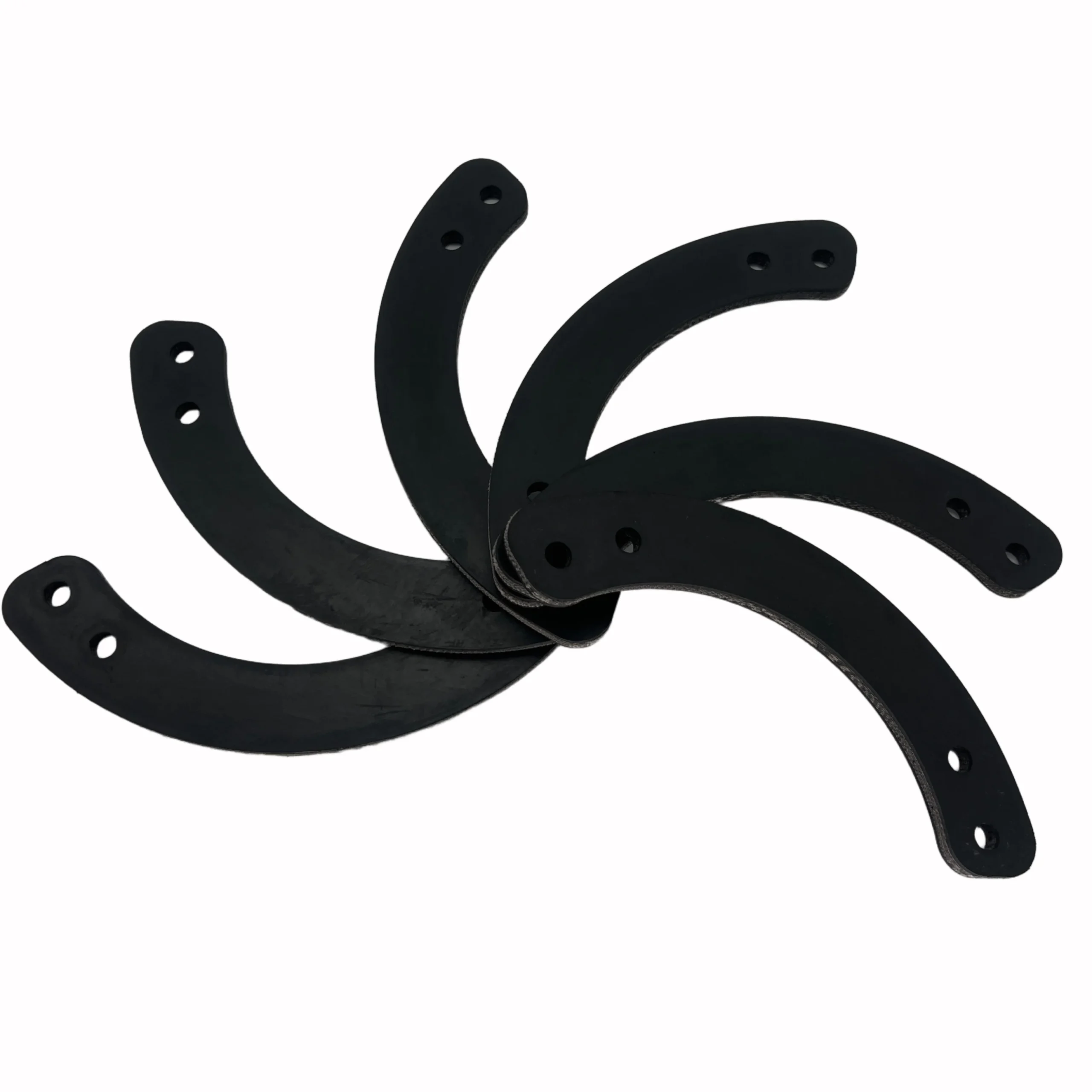
In high-frequency impact tools such as electric nail guns, rubber damping blocks serve as key vibration-reducing components. Their performance directly affects equipment lifespan and operator safety. Traditional rubber materials often suffer from poor impact resistance, leading to premature equipment failure or hand injuries for users.
Posted on July 16, 2025
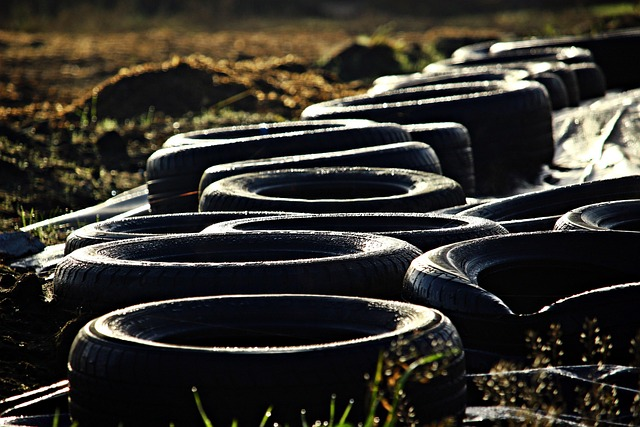
South China University of Technology developed a bio-based polyester rubber (BBPR) via glutaric acid/sebacic acid copolymerization, achieving a tensile strength of 10 MPa and compatibility with traditional vulcanization processes.
Posted on June 25, 2025