Select Language
 Understanding hnbr 70: A Vital Material in Modern Industry
In today's fast-evolving industrial landscape, hnbr 70 plays a quietly essential role. But what exactly is hnbr 70, and why does it matter on a global scale? Frankly, it’s more than just a technical term; it’s a linchpin for industries ranging from automotive to oil and gas, offering a blend of durability, chemical resistance, and flexibility that can’t be ignored. With increasing demand for high-performance materials amid strict environmental and safety standards, hnbr 70’s relevance only grows.
Introduction: hnbr 70’s Global and Industrial Significance
Just to set the scene: worldwide, materials like hnbr 70 are underpinning advanced manufacturing and heavy industry improvements. According to ISO reports, nearly 3 million tons of specialty elastomers are produced annually, with hydrogenated nitrile butadiene rubber (hnbr) making up a significant portion.
One challenge that industries face is the need for components with superior chemical and heat resistance while maintaining elasticity — think of oilfield operations in scorching climates or automotive parts exposed to harsh fuels. This is where hnbr 70 shows its mettle.
hnbr 70 meets this demand with its unique balance of properties, reducing maintenance costs and enhancing safety across multiple regions.
What is hnbr 70?
Simply put, hnbr 70 is a type of hydrogenated nitrile butadiene rubber, a synthetic elastomer renowned for its resistance to heat, oils, and chemicals. The “70” denotes the material’s hardness on the Shore A scale, meaning it is moderately firm yet flexible enough for demanding applications.
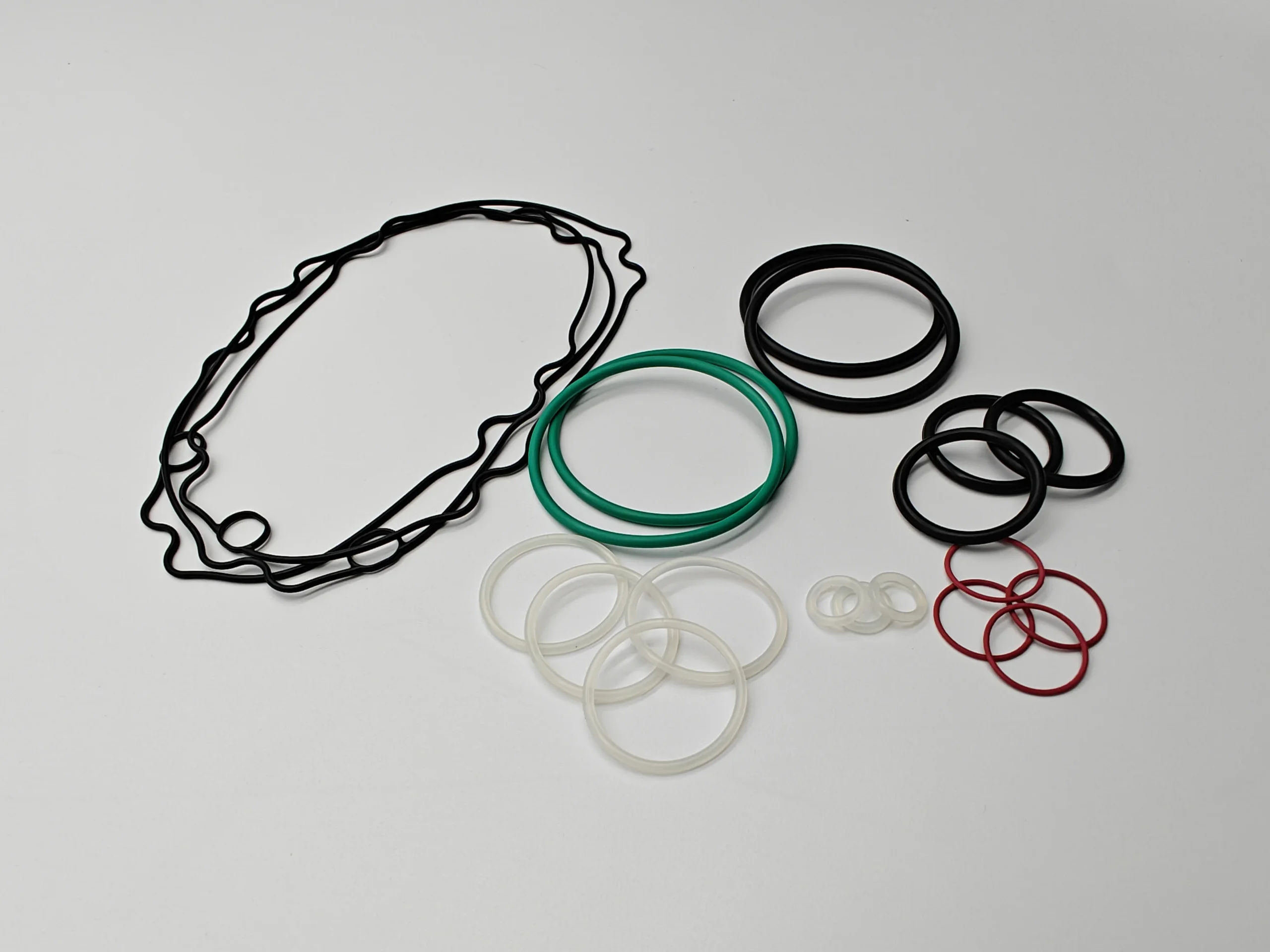
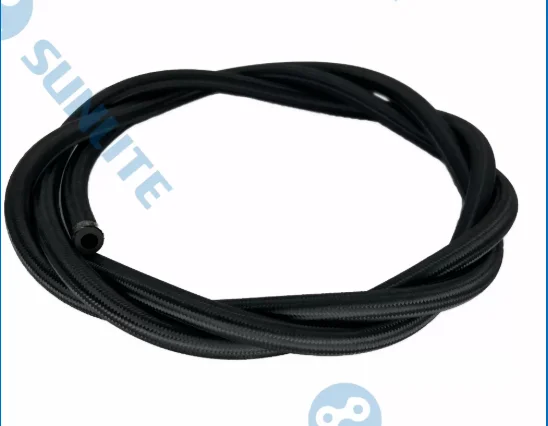
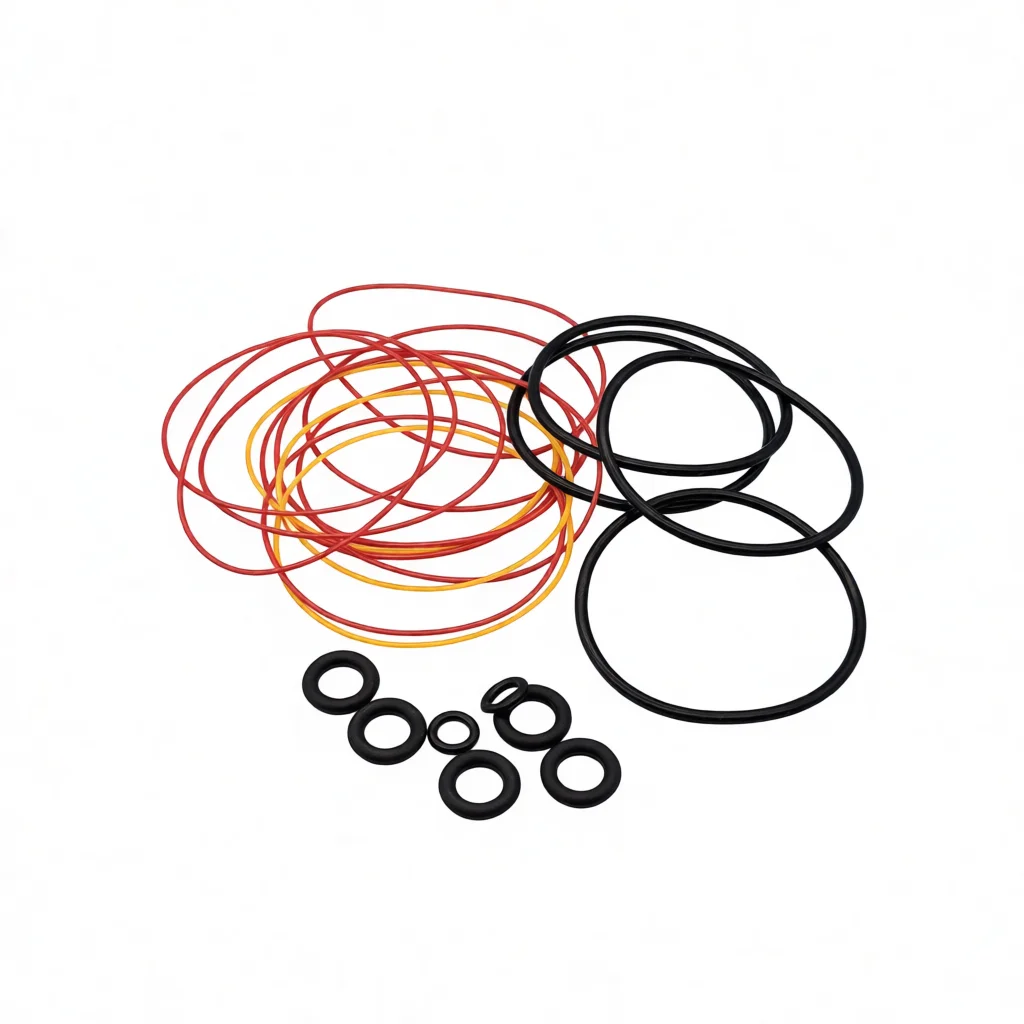
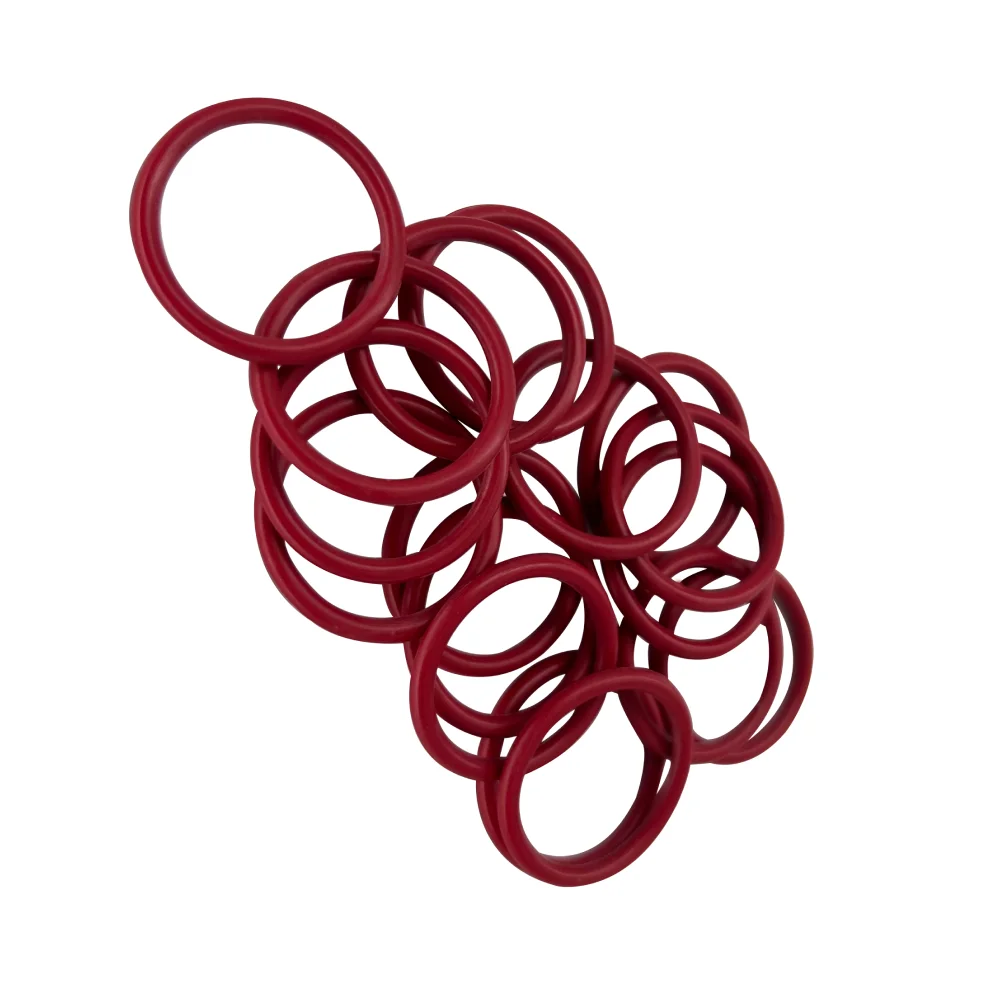
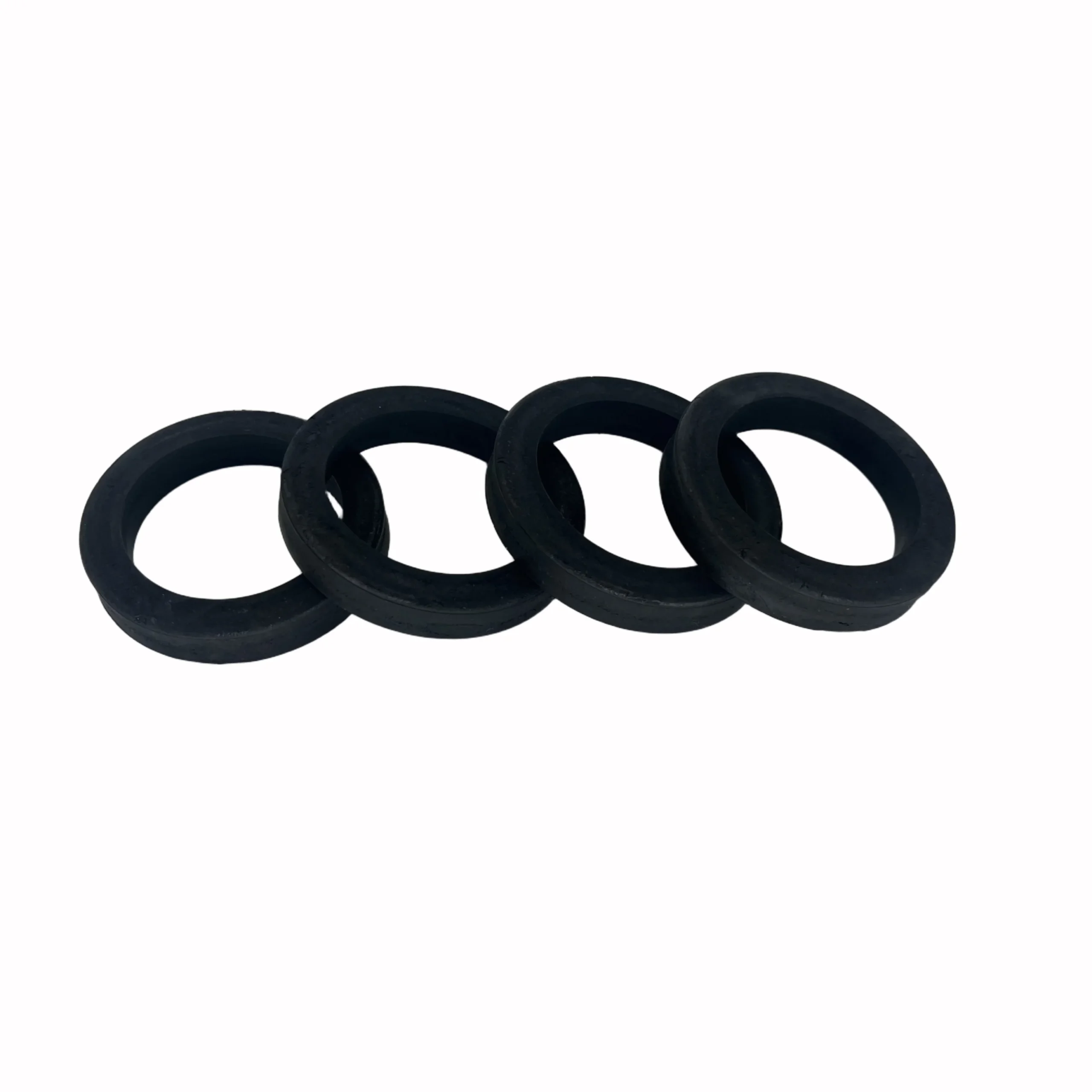
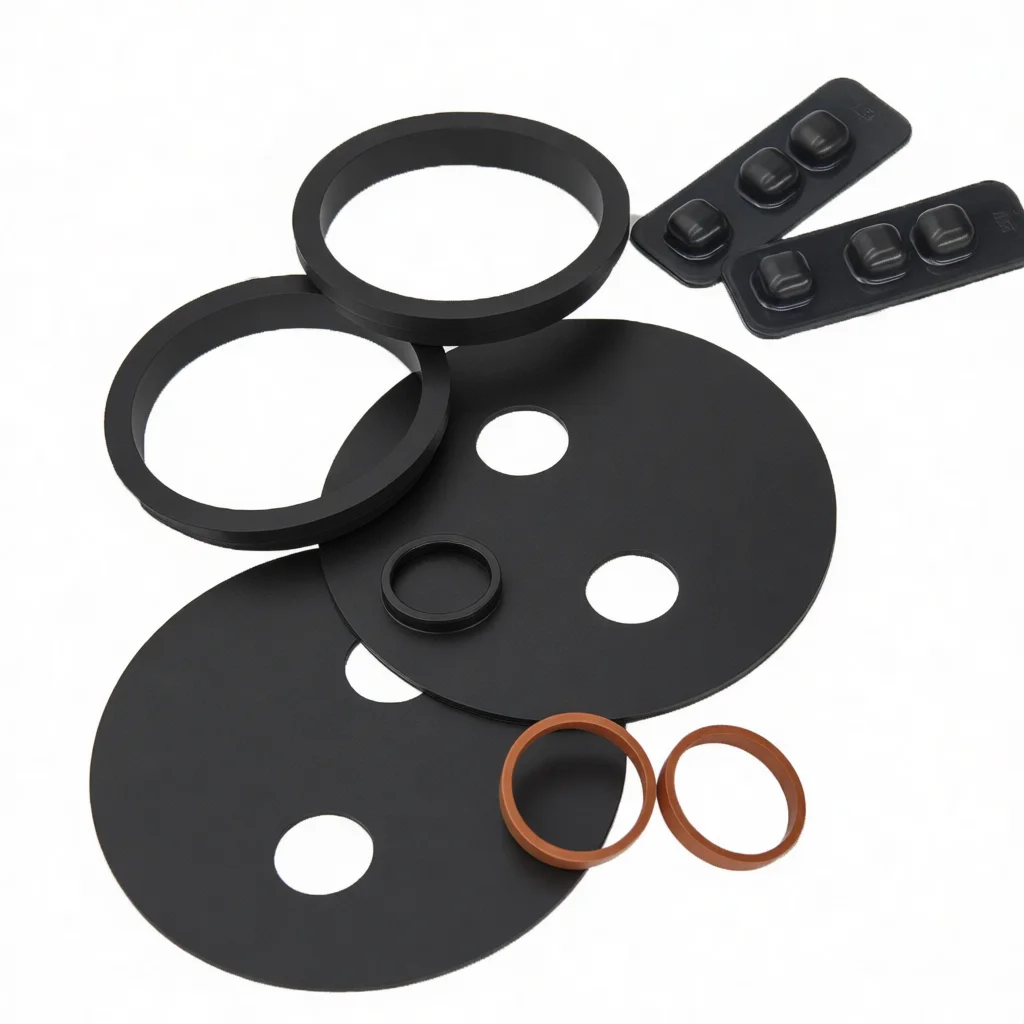
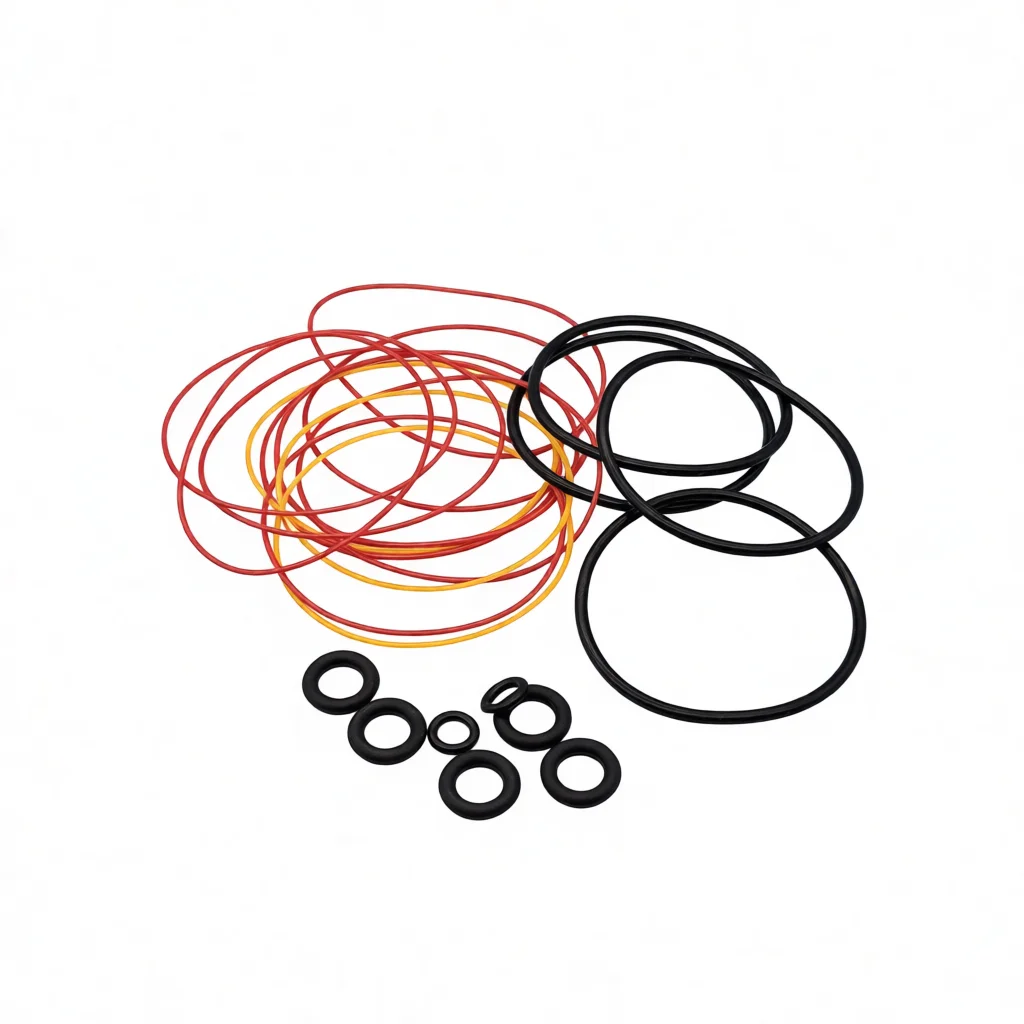
This makes hnbr 70 especially suitable for seals, gaskets, and hoses — parts that must endure harsh conditions without cracking or losing elasticity.
In humanitarian efforts, for example, flexible but durable seals can be critical in portable water purification units or emergency fuel systems, highlighting hnbr 70’s indirect but vital role.
Key Characteristics of hnbr 70
Durability
The hydrogenation process significantly enhances resistance to heat and ozone compared to standard NBR rubber. This means hnbr 70 parts last longer, even in extreme environments.
Chemical Resistance
hnbr 70 resists fuels, oils, and many acids remarkably well. For industries like oil extraction or automotive manufacturing, this chemical stability is a must.
Elasticity & Hardness
With its Shore A hardness of 70, hnbr strikes a balance — firm enough to retain form, yet elastic to absorb shocks and maintain tight seals.
Temperature Range
Typically functional between -40°C and +150°C, hnbr 70 polymer remains stable in a wide range of climates, from arctic chills to desert heatwaves.
Cost Efficiency
Though generally more expensive than traditional rubbers, the longevity and lower failure rates make hnbr 70 a cost-effective investment over time.
| Property | Measurement | Detail |
|---|---|---|
| Hardness (Shore A) | 70 | Medium firm, flexible |
| Temperature Range | -40°C to 150°C | Wide climate applicability |
| Tensile Strength | 15-20 MPa | High mechanical stress resistance |
| Chemical Resistance | Excellent | Resistant to fuels, oils, solvents |
Global Applications and Industry Use Cases
hnbr 70 isn’t just a lab curiosity — it powers real-world solutions.
- Oil and Gas: Seals and gaskets in pipeline valves and pumping systems, especially where chemical exposure and temperature vary widely.
- Automotive Industry: Fuel system components like hoses and O-rings benefit from hnbr’s resistance to gasoline and heat.
- Industrial Equipment: Pneumatic systems and hydraulic seals leverage hnbr 70 for longevity and reliability.
- Emergency and Humanitarian Relief: Portable filtration and fuel systems use hnbr 70 seals because failures aren’t an option.
For instance, in the harsh deserts of the Middle East or the cold tundra of Siberia, hnbr 70-equipped equipment runs smoother, safer, and longer.
Oddly enough, even some aerospace applications are exploring hnbr variants for specific O-ring solutions.
Vendor Comparison: Leading Providers of hnbr 70
| Vendor | Product Range | Price Range (per kg) | Lead Time | Notable Features |
|---|---|---|---|---|
| SunliteTek | Hnbr 70 & custom grades | $12 - $15 | 2-3 weeks | Tailored formulations, strong customer support |
| RubberTech Co. | Standard hnbr 70 grades | $10 - $13 | 3-4 weeks | Wide distribution network |
| ElastoParts Ltd. | Hnbr 60 - 80 variants | $11 - $16 | 4-5 weeks | Custom color and hardness options |
Advantages and Long-Term Value of hnbr 70
Here’s where the story gets compelling. Using hnbr 70 does cost a bit more upfront compared to some classic rubbers, but the payoff is a long game of reduced downtime and fewer part replacements. It means better safety for workers and less environmental risk when seals hold tight under pressure.
There’s also a dignity factor. Industries relying on hnbr 70 know they’re providing equipment that stays dependable — critical when lives or huge investments are on the line.
It’s innovation married to trust. That, frankly, is priceless.
Future Trends & Innovations in hnbr 70
Interestingly, the future of hnbr 70 looks greener and smarter. Research is pushing towards incorporating bio-based oils in the manufacturing process to reduce environmental impact.
There’s also talk of integrating nanoscale fillers to enhance wear resistance, though these innovations come with verification challenges.
As automation and digital quality control improve, producing consistent hnbr 70 grades at scale will become easier and more cost-efficient — perfect for global markets demanding quality and quantity.
Challenges & Solutions
One ongoing challenge with hnbr 70 is balancing hardness and flexibility without sacrificing chemical stability. Some formulations stumble on this, leading to premature wear. The solution? Customized compounding, tailoring additives to meet precise application demands.
Also, the material can be sensitive to certain hydrocarbons, so technical consulting during material selection is vital. Vendors like SunliteTek are known for this hands-on approach.
Frequently Asked Questions about hnbr 70
- Q: What makes hnbr 70 better than standard NBR rubber?
A: Hydrogenation improves heat and ozone resistance, making hnbr 70 more durable in harsh, chemically aggressive environments compared to regular NBR. - Q: How long can hnbr 70 seals last in high-temperature applications?
A: Typically, hnbr 70 seals withstand continuous use up to 150°C, often lasting multiple years depending on application stresses. - Q: Is hnbr 70 environmentally safe?
A: While synthetic, hnbr 70 is inert and stable; ongoing efforts target greener manufacturing methods to reduce ecological impact. - Q: Can I source custom hnbr 70 compounds for specialized products?
A: Absolutely. Several vendors offer tailored formulations to meet hardness, color, and resistance requirements. - Q: How relevant is hnbr 70 in disaster relief equipment?
A: Highly relevant — its chemical and environmental stability make hnbr 70 ideal for durable seals in emergency hydration or fuel systems.
Conclusion and Call to Action
hnbr 70 may not be a household name, but in the industrial world, it’s a quietly brilliant performer enabling safer, more durable, and environmentally considerate operations worldwide. Its specialty properties address real challenges faced across climates and sectors — a testament to human ingenuity and material science.
Interested in discovering how hnbr 70 can optimize your applications? Visit our website for detailed product info and expert guidance. Your next project deserves materials designed for the future.
It really does feel like hnbr 70 is one of those quietly indispensable materials — you rarely notice it, but industries simply can’t do without it.
References:

Understanding hnbr 70: A Vital Material in Modern Indus […]