Select Language
 Understanding the Hydraulic Ring: A Global Industrial Backbone
If you’ve ever been curious about how industries manage precise fluid control in everything from heavy machinery to water supply systems, then the hydraulic ring is a concept worth knowing. Globally, hydraulic rings play a quiet but essential role in ensuring reliability, safety, and efficiency in environments ranging from industrial manufacturing floors to emergency relief operations. Understanding how these components function and their broader impact can open doors to smarter maintenance, design improvements, and operational upgrades.
Introduction: Why the Hydraulic Ring Matters Globally
The global hydraulics market is projected to reach over $50 billion by 2026, with growing demand across Asia-Pacific and North America, according to recent data from the International Hydraulics Organization (IHO). This surge underlines the increasing reliance of industries on hydraulic systems, of which the hydraulic ring is a core component controlling fluid movement and pressure seals. Yet challenges persist—leakages, wear under pressure, and maintenance costs threaten operational continuity, especially in remote or disaster-stricken regions.
For example, in large-scale agriculture or post-disaster water purifying projects, a failed seal (like that provided by the hydraulic ring) can mean costly downtime or worse, safety hazards. Frankly, the humble hydraulic ring is a cornerstone to many of these efforts, making it a silent hero worth exploring.
Definition & Meaning: What Exactly is a Hydraulic Ring?
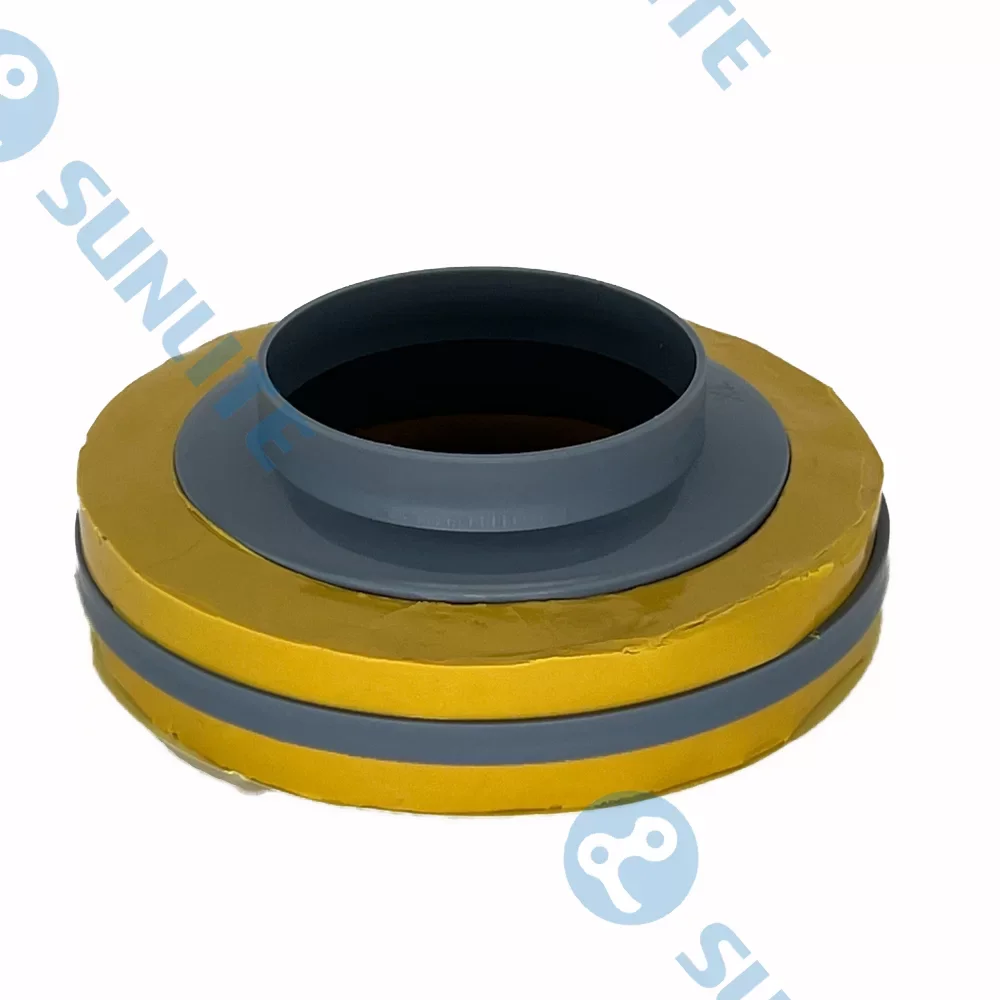
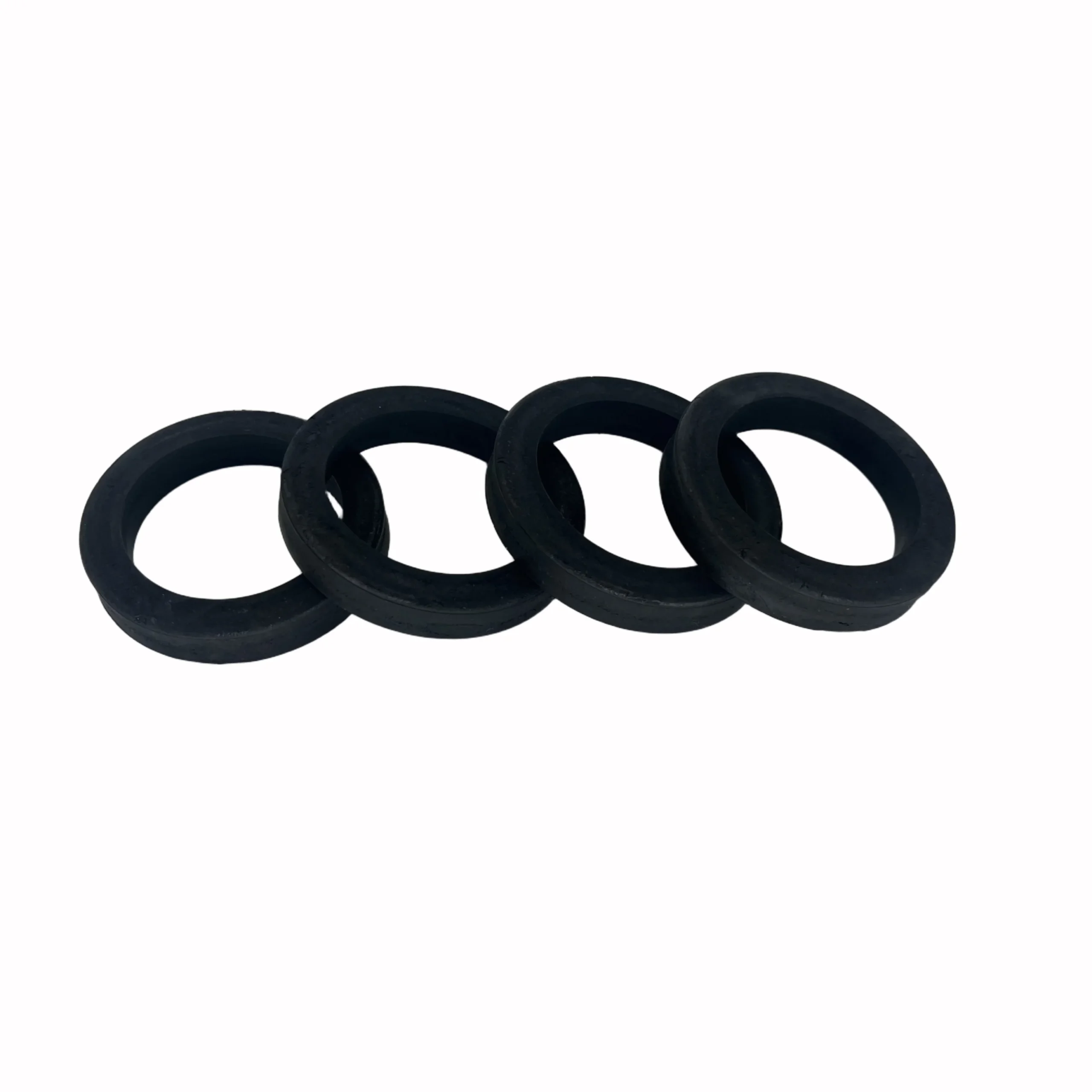
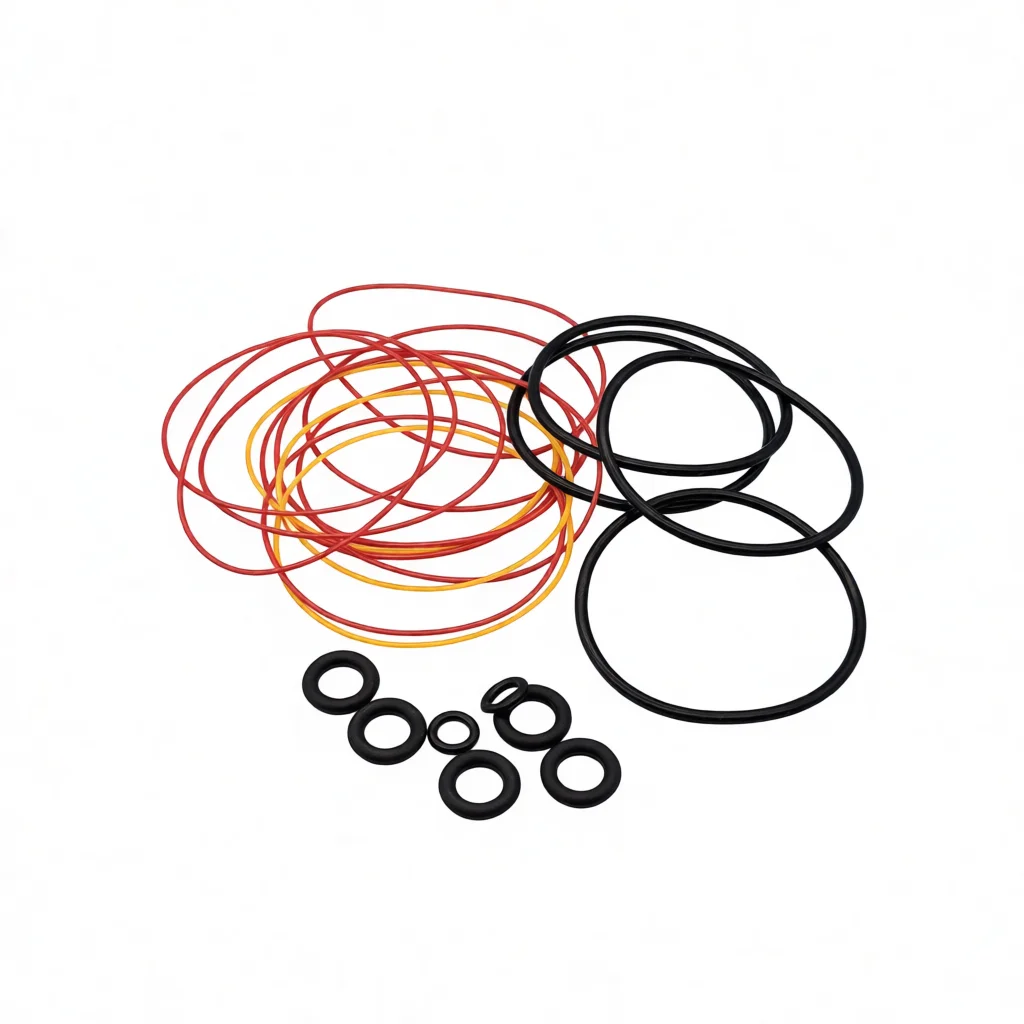
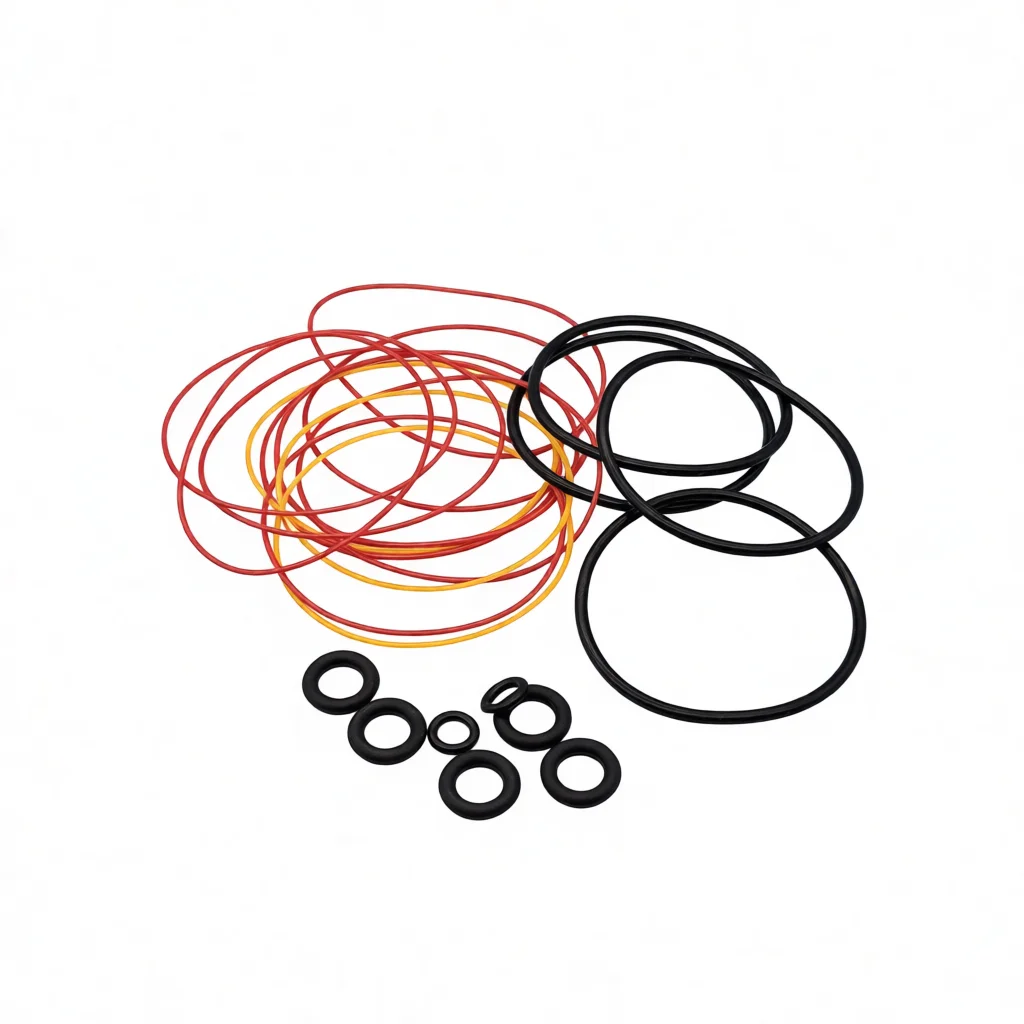
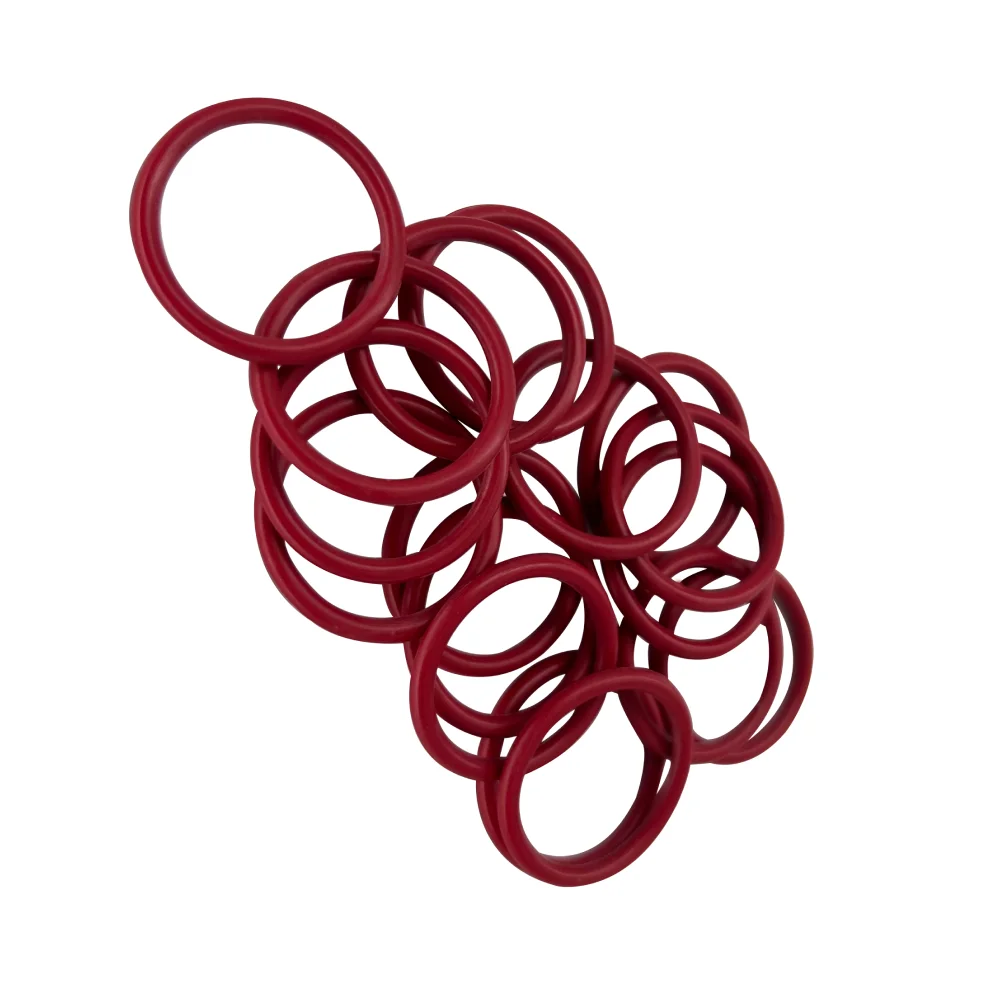
In simple terms, a hydraulic ring is a circular seal or gasket used inside hydraulic systems to prevent leaks and maintain system pressure. Usually made of durable elastomers, metals, or composites, it fits snugly around cylinders or pistons where fluid forces are applied. Think of it as a watchful gatekeeper that keeps hydraulic fluid exactly where it needs to be—no more, no less. This functionality links it directly to crucial industrial and humanitarian sectors that demand precise fluid control and safety, including aerospace, construction, and emergency relief operations.
Key Factors Behind Hydraulic Ring Performance
1. Durability
The materials used—whether nitrile rubber, polyurethane, or PTFE—must withstand high pressure, temperature fluctuations, and chemical exposure. Durability means longer system life and fewer failures in the field.
2. Pressure Resistance
Hydraulic rings are designed to maintain airtight seals under thousands of PSI (pounds per square inch). This ensures that the hydraulic fluid moves without leaks, maximizing system efficiency.
3. Compatibility
Because fluids vary (mineral oils, synthetics, water-glycol), rings must be chemically compatible to prevent degradation or swelling.
4. Ease of Installation and Maintenance
Quick replacement options and modular designs save time, especially in remote or emergency environments where downtime is expensive.
5. Environmental Sustainability
Increasingly, manufacturers focus on eco-friendly materials that reduce environmental hazards once the ring reaches end-of-life.
Mini Takeaway: Understanding these factors helps engineers and operators choose the right hydraulic ring suited for their specific application, improving reliability and performance.
Hydraulic Ring Product Specifications
| Specification | Standard Value | Notes |
|---|---|---|
| Material | Nitrile Rubber (NBR) / PTFE | Depends on fluid compatibility |
| Operating Pressure | Up to 5000 PSI | Varies with design |
| Temperature Range | -40°C to 150°C | Application-dependent |
| Hardness (Shore A) | 70-90 | Balanced flexibility and strength |
| Lifespan | 5–10 years under normal use | Depends on maintenance |
Global Applications & Use Cases of Hydraulic Rings
We often find hydraulic rings at the heart of industries like heavy machinery manufacturing in Germany, oil and gas equipment in the Middle East, and agricultural irrigation in India. Oddly enough, these small components become absolutely critical in situations with high stakes — for instance, during post-disaster relief efforts where hydraulic pumps are part of water purification systems or temporary infrastructures. In remote industrial zones, reliable hydraulic seals can prevent hours of downtime and major financial loss.
- Manufacturing: Ensuring machine hydraulics run smoothly in automotive plants.
- Construction: Heavy equipment like excavators rely on hydraulic rings for leak-free operation.
- Emergency relief: Portable water systems use hydraulic rings for quick setup and reliable operation.
- Agriculture: Precision irrigation systems depend on fluid control maintained by hydraulic rings.
Mini Takeaway: Seeing such versatility—and the widespread dependency—really underlines how vital hydraulic rings are, beyond just a piece of rubber or metal.
Vendor Comparison: Leading Hydraulic Ring Manufacturers
| Vendor | Material Options | Lead Time | Customization | Price Range |
|---|---|---|---|---|
| SunliteTek | NBR, PTFE, Polyurethane | 2-4 weeks | High – custom sizes & compounds | $$ |
| HydroSeal Co. | NBR, Silicone | 1-3 weeks | Medium | $ |
| SealTech Ltd. | PTFE, Fluorocarbon | 3-6 weeks | Low | $$$ |
Advantages & Long-Term Value of Hydraulic Rings
Choosing the right hydraulic ring translates into several tangible benefits:
- Cost Savings: Reduced fluid leaks and maintenance downtime shrink operating expenses.
- Sustainability: Improved sealing means less fluid wastage, cutting environmental harm.
- Safety & Trust: Reliable seals prevent accidents in critical hydraulic machinery.
- Social Impact: In humanitarian projects, dependable hydraulic components support dignified living conditions.
Many engineers I’ve spoken to say that reliable hydraulic rings feel like “unsung heroes” whose performance just quietly keeps things moving. In real terms, that reliability fosters trust — between operators, end-users, and communities relying on hydraulic technology.
Future Trends & Innovations in Hydraulic Rings
Looking ahead, the hydraulic ring market is experiencing a green revolution. Innovations include bio-based elastomers, nano-coatings to reduce friction and increase lifespan, and smart hydraulic rings embedded with sensors for real-time wear detection. Automation and digital transformation, such as predictive maintenance powered by IoT, will likely make hydraulic systems smarter and more efficient. These advances emphasize sustainability and lifecycle cost reduction, which frankly feels like a very welcome direction.
Challenges & Solutions
Of course, challenges remain. Some hydraulic rings fail prematurely in extreme conditions, and material incompatibility can cause costly system failures. Supply chain delays and lack of local customization exacerbate these issues.
Expert solutions—like partnering with innovative vendors such as SunliteTek that offer tailored compounds and fast lead times—help mitigate these problems. Plus, advances in material sciences and modular replacements enable quicker, cheaper fixes in the field.
FAQ: Frequently Asked Questions About Hydraulic Ring
-
Q: How do I choose the right hydraulic ring for my machinery?
A: Consider the fluid type, operating pressure, temperature range, and compatibility. Consulting with a trusted supplier like SunliteTek can ensure you select the best material and design for your specific needs. -
Q: What maintenance is required for hydraulic rings?
A: Regular inspections to check for wear, cracks, or swelling are essential. Replacing the ring before failure prevents expensive downtime. Proper installation techniques also extend lifespan. -
Q: Are hydraulic rings environmentally friendly?
A: Traditional materials have some waste implications, but newer bio-based and recyclable options are emerging, improving sustainability over time. -
Q: Can hydraulic rings be customized for unique applications?
A: Yes. Many manufacturers offer custom sizes, compound mixtures, and hardness ratings tailored to industry-specific challenges.
Conclusion & Call to Action
In summary, the hydraulic ring is more than just a part; it’s a crucial enabler of reliable hydraulics worldwide. Its value extends across industries and humanitarian efforts alike, promising safety, efficiency, and sustainability. If you want to explore how advanced hydraulic rings can elevate your projects, do visit our website: https://www.sunlitetek.com for detailed product info and expert guidance.
Honestly, once you start paying attention to these little rings, the bigger picture of fluid power and industrial resilience becomes much clearer — and frankly, pretty fascinating.
Takeaway: Next time you power up hydraulic machinery, spare a thought for the humble hydraulic ring quietly ensuring everything runs smoothly.
References:

Understanding the Hydraulic Ring: A Global Industrial B […]