Select Language
 Understanding the Toilet Rubber Seal Ring: Essential Component for Hygiene and Plumbing Efficiency
When you think about a toilet rubber seal ring, it might not be the most glamorous item on your radar. But oddly enough, this small, often overlooked piece plays a vital role in ensuring sanitary, leak-free toilets worldwide. In fact, toilet rubber seal rings are quietly critical to global health, water conservation, and the ease of modern plumbing systems. Let’s delve into what they are, why they matter so much, and how innovations in this tiny rubber ring are making waves across industries and humanitarian efforts alike.
Global Context: Why Does the Toilet Rubber Seal Ring Matter?
Toilets are everywhere — from bustling metropolitan cities to remote villages. According to the World Health Organization, over 4.2 billion people worldwide lack access to safe sanitation, leading to serious health and environmental challenges. A well-functioning toilet is not merely about comfort; it's also a front line in preventing the spread of disease and protecting water sources.
Here’s where the humble toilet rubber seal ring is crucial. It prevents leaks between the toilet bowl and the waste pipe, sealing in malodors and ensuring wastewater follows the right path to treatment facilities or septic systems. Without reliable seals, systems fail, moisture damages buildings, and public health risks increase. The demand for durable, reliable sealing solutions continues to grow sharply — particularly in urbanizing regions and for emergency relief setups.
Mini takeaway: The toilet rubber seal ring, though small, is a big player in global sanitation challenges.
What Is a Toilet Rubber Seal Ring?
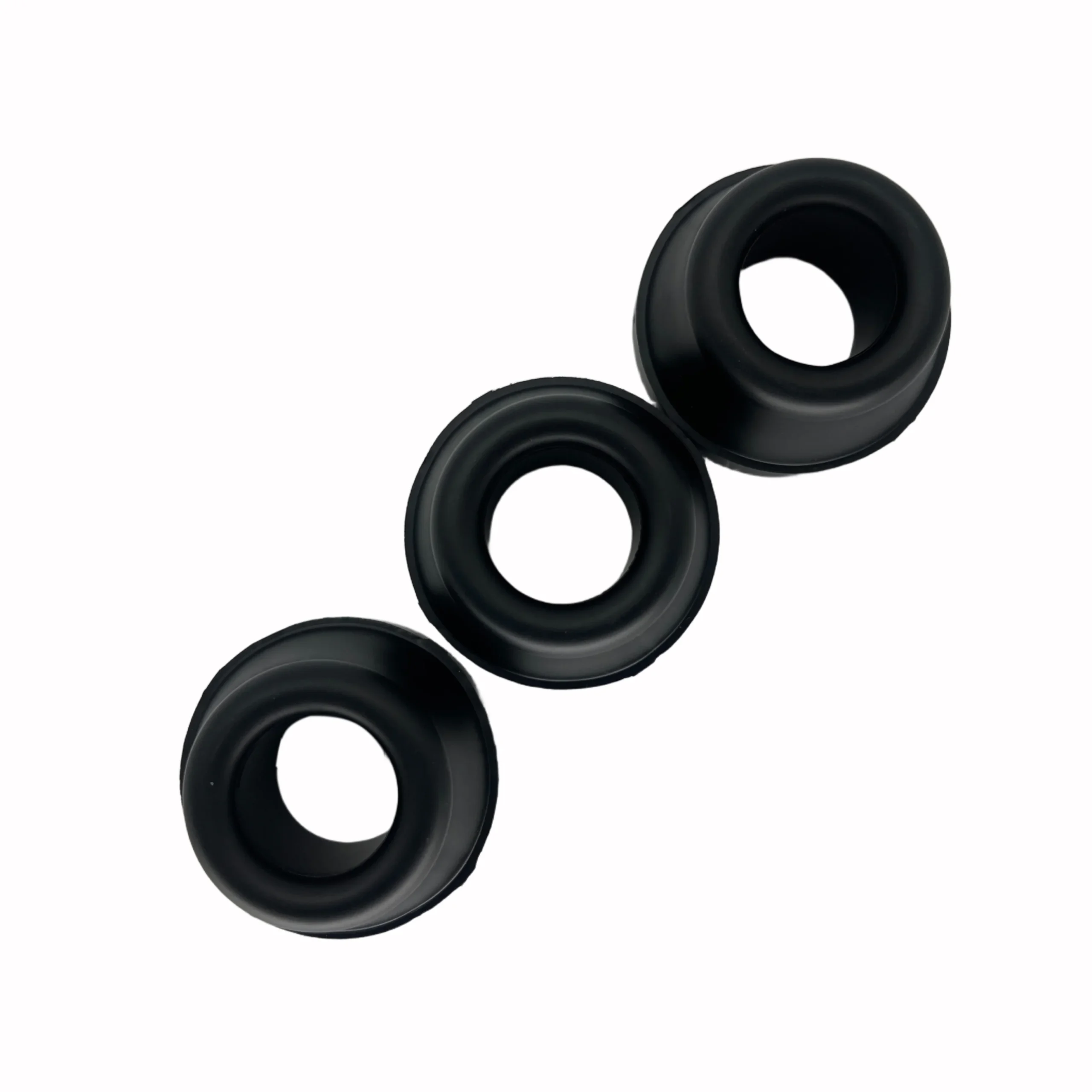
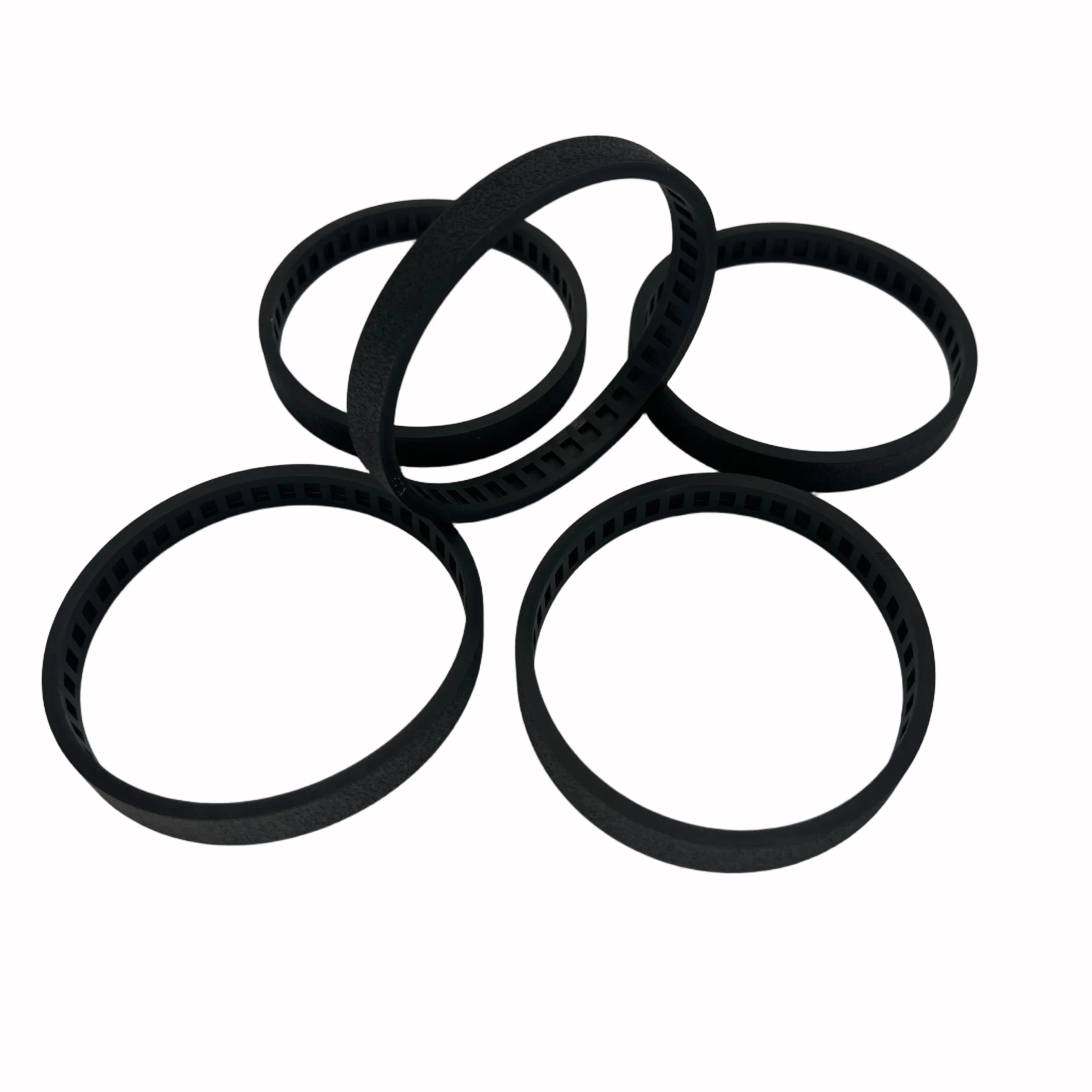
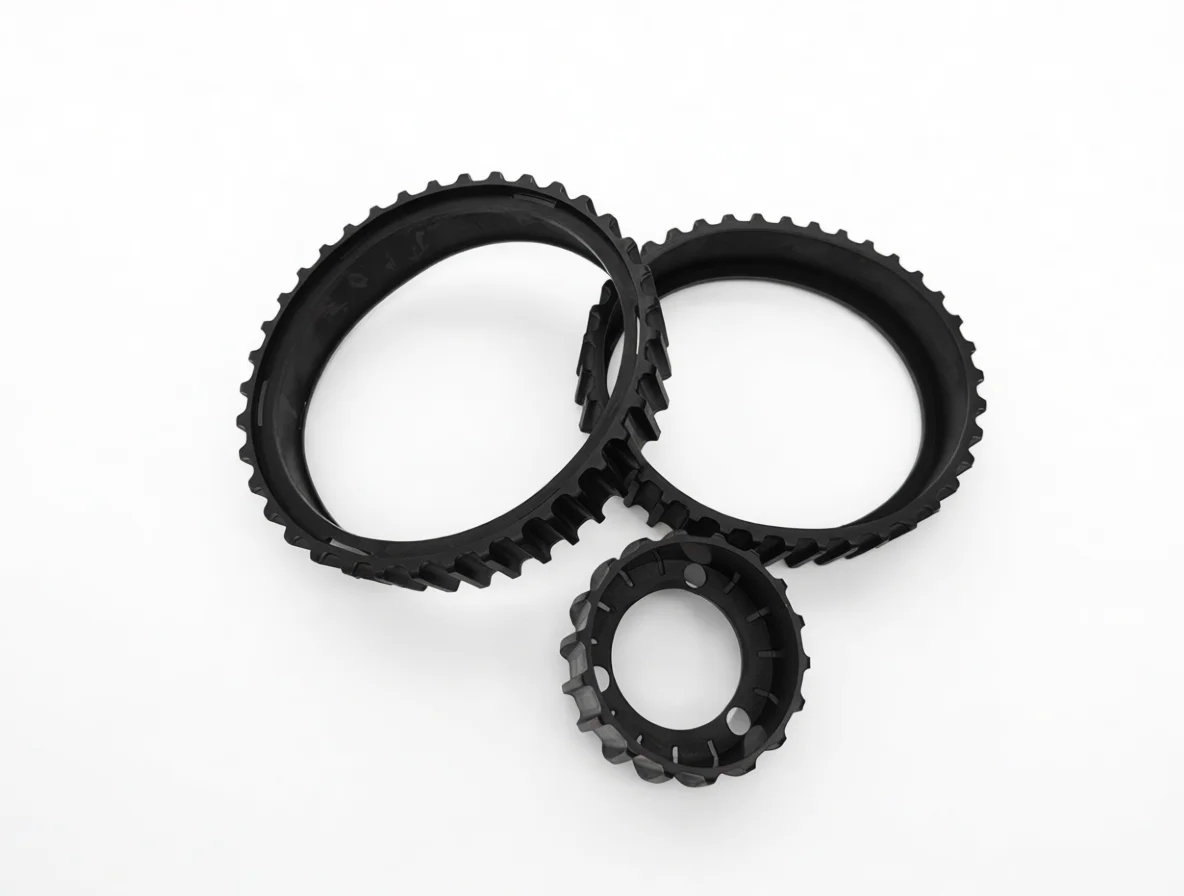
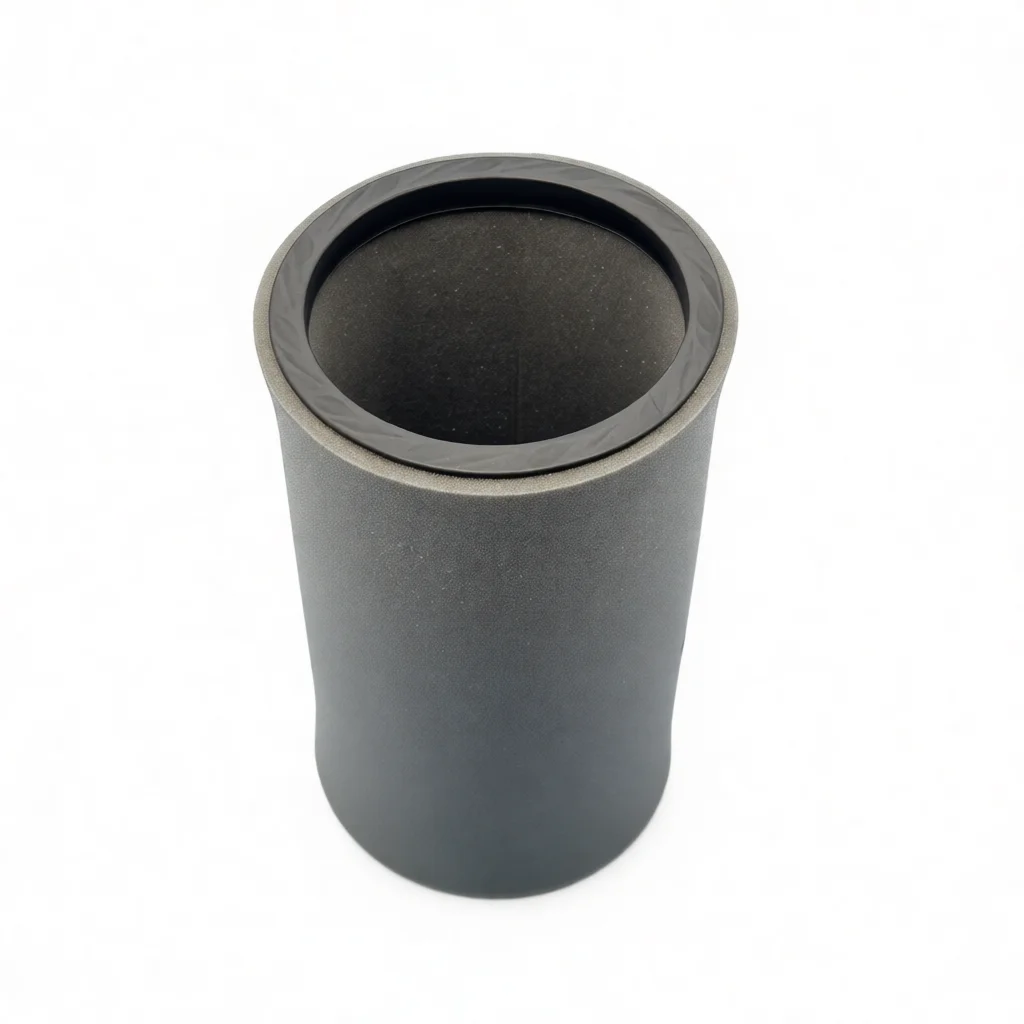
Simply put, a toilet rubber seal ring is a flexible, circular gasket made primarily of rubber or synthetic elastomers. It fits snugly between the base of the toilet and the flange connection on the sewer drain. Its job is to block sewer gases, prevent leaks, and absorb slight movements — basically cushioning the junction where hard ceramic meets pipework.
Think of it as the unsung hero keeping toilets from becoming messy, leaky nuisances. Rubber’s elasticity and water resistance make it a natural choice, though material formulas vary based on factors like temperature, chemical exposure, and durability needs.
Mini takeaway: It’s a simple, robust gasket designed to secure and seal the toilet’s plumbing interface.
Key Factors of Toilet Rubber Seal Rings
1. Durability and Material Quality
The seal must withstand constant moisture and occasional chemical exposure from cleaning agents. High-grade EPDM (ethylene propylene diene monomer) rubber or silicone blends are popular — they retain flexibility over years, resist deterioration, and conform perfectly to irregular surfaces.
2. Size and Compatibility
Matching the seal’s dimensions to the toilet flange and bowl is crucial. Variations exist for standard toilets, wall-hung systems, and low-profile models. Misfits lead to leaks or uneven wear.
3. Ease of Installation
Plumbers appreciate seals that are simple to install without special tools. Some feature self-lubricating coatings or built-in flexibility to accommodate slight flange misalignments.
4. Cost Efficiency
While premium seals cost more upfront, their longevity often reduces overall maintenance expenses. Manufacturers balance material choices and pricing to hit different market segments.
5. Environmental Impact
Increasingly, companies focus on recyclable materials and low-VOC production processes, responding to sustainability goals in plumbing and construction.
Mini takeaway: Choosing the right toilet rubber seal hinges on durability, fit, installation ease, cost, and eco-friendliness.
Global Use Cases of Toilet Rubber Seal Rings
From luxury homes in North America to modest sanitation facilities in rural Asia and Africa, toilet rubber seal rings are everywhere. In post-disaster relief operations — say after hurricanes or earthquakes — fast replacing seals can restore essential hygiene quickly, preventing outbreaks.
Industrial zones with high chemical wastewater flows rely on specially formulated seal rings that withstand harsh exposure, while government housing projects prioritize bulk purchasing of standard seals to keep budgets tight.
Municipal water authorities in Europe have standardized certain seal types to improve maintenance speed and reduce water loss, reflecting the global push to cut waste and support sanitation infrastructure upgrades.
Mini takeaway: Toilet rubber seal rings adapt to diverse environments — humanitarian aid, industrial use, and everyday residential plumbing alike.
Trends & Innovations in Toilet Rubber Seal Rings
Technology isn’t skipping rubber gaskets. Advances include:
- New polymer blends: Improved resistance to mold, bacteria, and extreme temperatures.
- Smart seals: Embedded sensors that detect leaks or seal degradation, supporting predictive maintenance.
- Eco-friendly materials: Biodegradable elastomers or recycled rubber composites.
- Customization: Faster 3D-molded seals tailored for non-standard toilet models or special-use cases.
These innovations support sustainability and the digital transformation sweeping through facility management.
Challenges & Solutions
Even so, there are hurdles: installation mistakes causing uneven compression, rubber aging faster than expected due to poor material choice, or compatibility mismatches when retrofitting old toilets. Experts recommend:
- Training installers on matching seals to toilets and ensuring flat flange surfaces
- Specifying materials carefully, using high-quality EPDM or silicone where appropriate
- Employing modular seal designs that accommodate minor imperfections
Moreover, partnerships between manufacturers and water authorities help standardize seal specs to avoid guesswork.
Product Specification Table: Typical Toilet Rubber Seal Ring
| Specification | Details |
|---|---|
| Material | EPDM rubber / Silicone blend |
| Inner Diameter | 100 mm (varies with model) |
| Outer Diameter | 120 mm |
| Thickness | 10 mm |
| Temperature Range | -40°C to 120°C |
| Chemical Resistance | High resistance to cleaning agents and wastewater chemicals |
Vendor Comparison Table
| Vendor | Material Quality | Price Range | Customization Options | Sustainability Initiatives |
|---|---|---|---|---|
| SunLiteTek | Premium EPDM and silicone | Mid to High | Wide range; custom molds available | Recycled materials program, low VOC |
| PrimeSeal Corp. | Standard EPDM | Low to Mid | Limited options | Basic compliance only |
| EcoSeal Solutions | Biodegradable elastomers | Mid to High | Custom eco-designs | Strong focus on sustainability |
Frequently Asked Questions about Toilet Rubber Seal Rings
- Q1: How often should I replace a toilet rubber seal ring?
- A: Typically, these seals last 5 to 10 years depending on usage, water quality, and installation quality. Signs you need replacement include leaks, unpleasant odors, or visible cracks.
- Q2: Can I install a toilet rubber seal ring myself?
- A: With some basic tools and patience, yes. However, correct positioning and careful tightening are key to avoid leaks. If unsure, consulting a plumber is wise.
- Q3: Are all toilet rubber seal rings the same size?
- A: No, sizes vary based on toilet model and flange type. It’s essential to match the seal dimensions to your toilet specs to ensure proper sealing.
- Q4: Are eco-friendly toilet rubber seals effective?
- A: Many eco-friendly seals now perform on par with conventional ones, offering resistance and flexibility while minimizing environmental impact.
- Q5: What causes my toilet seal to fail prematurely?
- A: Causes include poor installation, chemical exposure beyond recommended limits, fluctuating temperatures, or inferior materials.
Conclusion
In the grand scheme of plumbing and public health, the toilet rubber seal ring might feel like a footnote — yet it’s a crucial link in the sanitation chain. Beyond keeping toilets functional and hygiene intact, innovations in these seals are pushing the envelope on sustainability and smart facility management. Frankly, a quality toilet seal is a small investment with big returns in comfort, safety, and environmental responsibility.
If you’re looking for reliable, innovative seals tailored to diverse applications, you might want to check out SunLiteTek and see what the future of sealing technology looks like.
Mini takeaway: Don’t overlook the little things — in plumbing, a tiny rubber ring keeps the whole system working smoothly.
References:

Understanding the Toilet Rubber Seal Ring: Essential Co […]