Select Language
 Understanding HNBR O Rings for Fuel: Essential Seals for Global Industry
At first glance, HNBR O rings for fuel might seem like an obscure technical component—but they play a surprisingly crucial role worldwide. These nitrile-based seals are central to ensuring fuel systems operate smoothly and safely, spanning from automotive engines to oil extraction rigs. Given the importance of fuel delivery in everything from transportation to critical infrastructure, knowing how HNBR O rings function—and why they matter—has global implications. This is about reliability, safety, and performance in the broader energy ecosystem.
Introduction: The Global Relevance of HNBR O Rings for Fuel
Industries worldwide rely on dependable sealing solutions to prevent leaks and contamination in fuel systems. According to data from the International Organization for Standardization (ISO), seal failure contributes significantly to maintenance costs and environmental hazards across sectors. HNBR (Hydrogenated Nitrile Butadiene Rubber) O rings offer a durable solution to such problems, especially in challenging conditions involving extreme temperatures, chemical exposure, and mechanical stress.
As global energy demands rise and the environmental scrutiny intensifies, the need for resilient components becomes even more pertinent. Fuel handling infrastructure—from pipelines to refineries—faces pressures from increasingly stringent regulations worldwide, including ISO 9001 and API standards. Oddly enough, something as small as an O ring can represent the difference between a safe operation and an expensive shutdown or pollution event.
Definition & Meaning of HNBR O Rings for Fuel
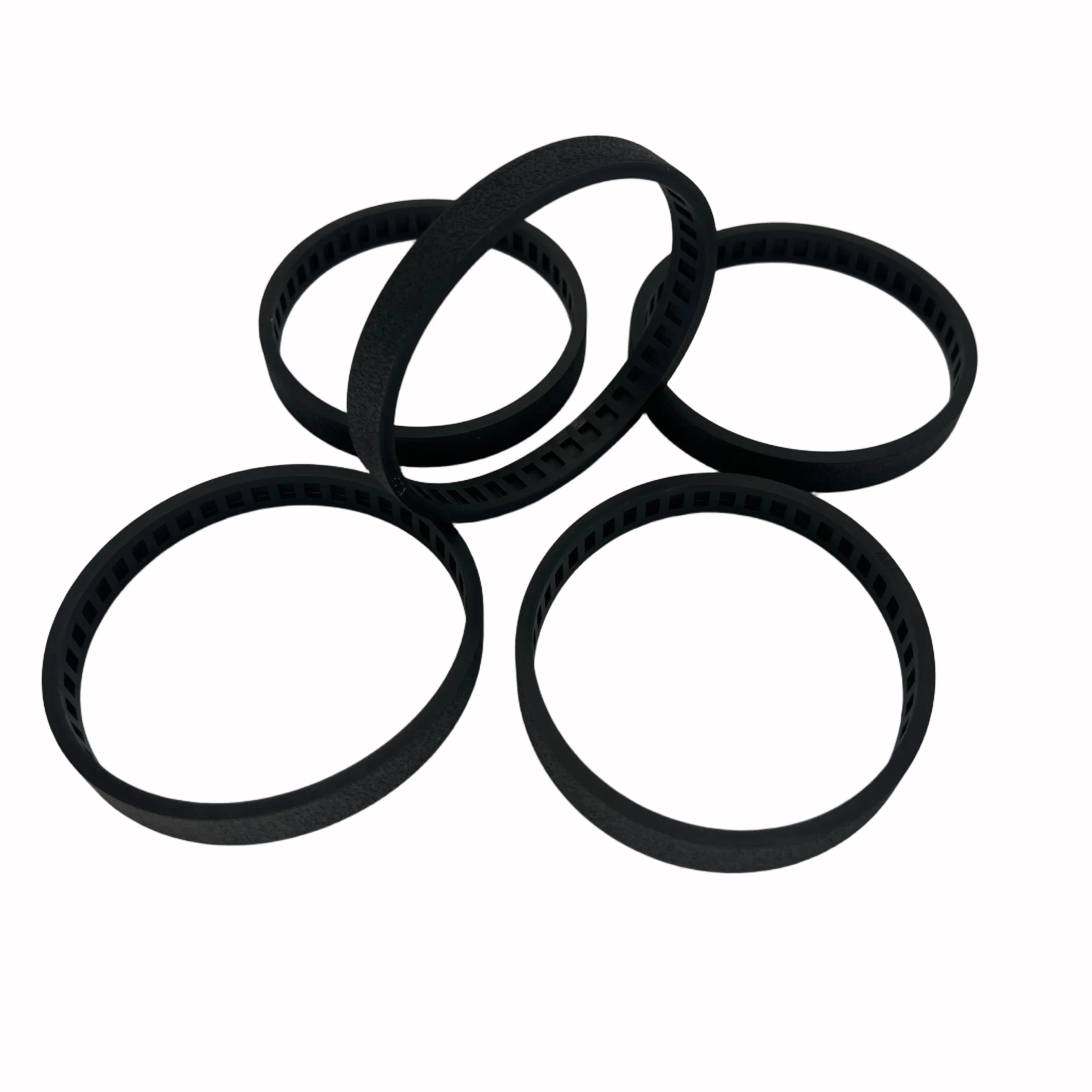
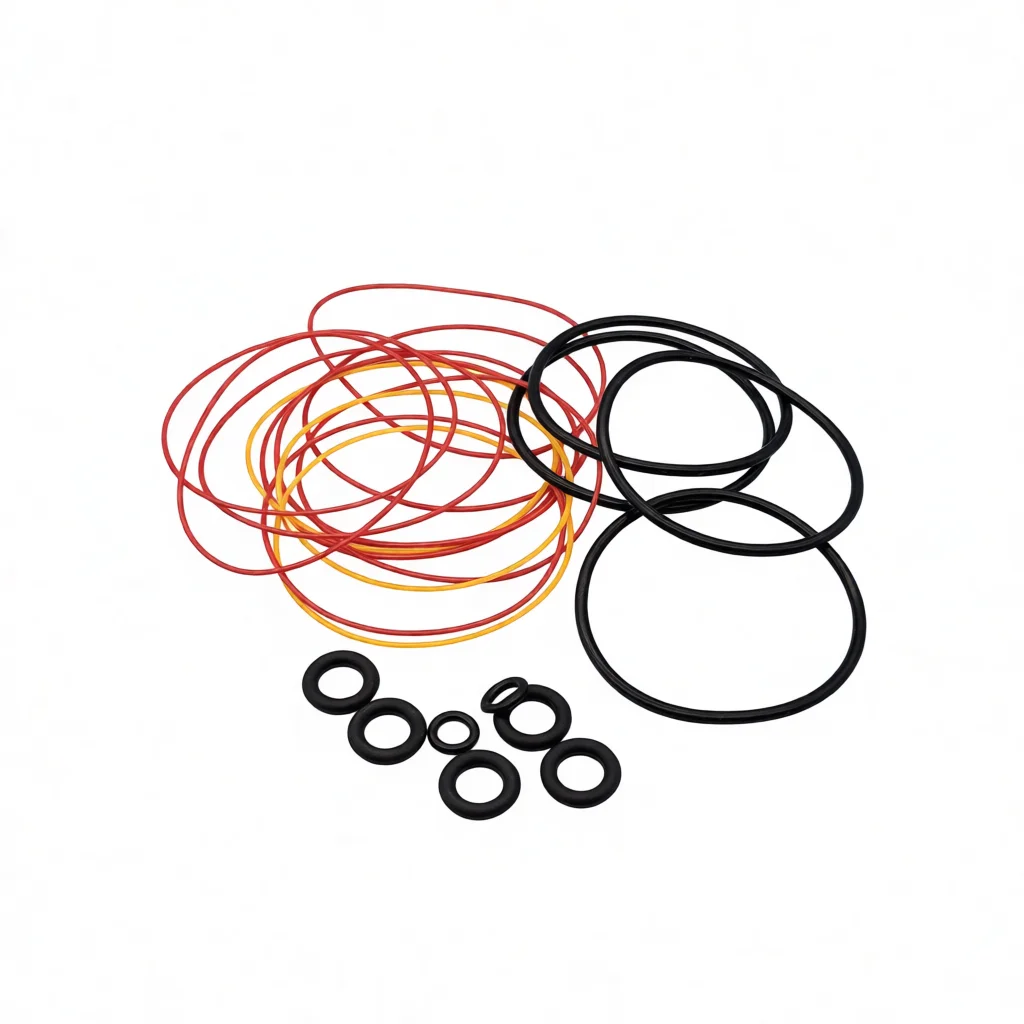
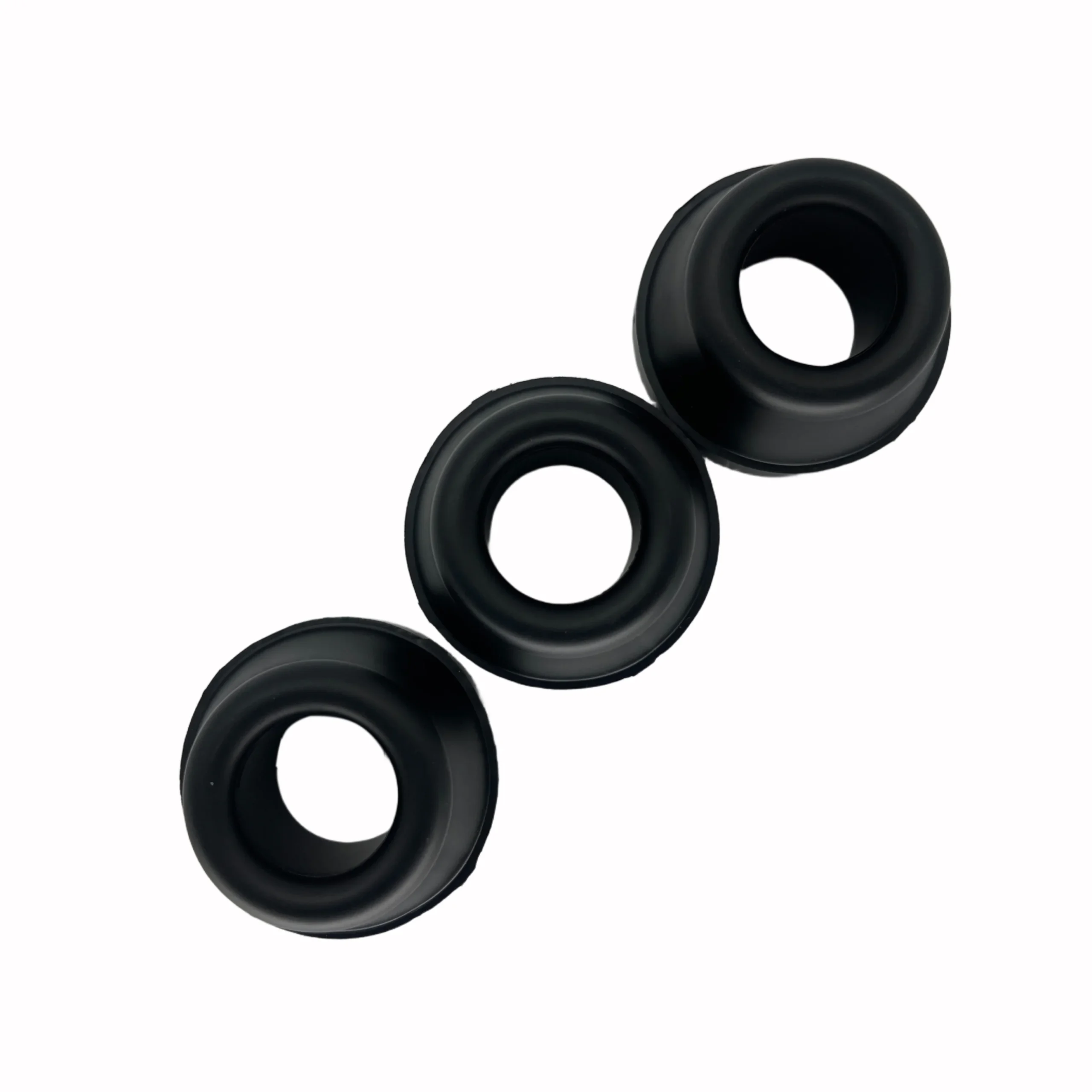
So, what exactly are HNBR O rings for fuel? Simply put, these are circular sealing rings made from hydrogenated nitrile butadiene rubber, designed specifically to seal fuel systems and prevent leaks. They combine the elasticity of rubber with enhanced resistance to heat, oil, and chemicals, outperforming standard nitrile rubber in many situations.
Fuel systems involve volatile and sometimes caustic substances, so using the right seal can be a matter of both operational efficiency and safety. Due to their robust properties, HNBR O rings are widely used in modern automotive engines, aviation fuel systems, and industrial fuel equipment. Even humanitarian organizations working in regions with fragile fuel infrastructure depend on these seals to keep vital generators and vehicles running smoothly.
Key Factors of HNBR O Rings for Fuel
1. Durability and Resistance
One of the strongest selling points of HNBR is its excellent resistance to fuel oils, synthetic oils, and high temperatures ranging typically from -40°C up to +150°C. This durability means fewer replacements and less downtime.
2. Chemical Compatibility
Unlike some rubber materials, HNBR deals well even with biofuels and additives, which are becoming more common as the energy sector evolves. This chemical resilience is essential for long-term use.
3. Mechanical Strength
O rings in fuel pumps and injectors endure constant pressure and friction. HNBR’s mechanical strength helps maintain shape and sealing force under varying stresses.
4. Cost Efficiency
While slightly pricier than standard NBR seals, the extended lifespan and reliability often mean better cost-value over time.
5. Temperature & Aging Resistance
HNBR naturally resists oxidation and ozone degradation, common culprits in seal aging—thus providing longer service intervals in fuel systems exposed to harsh environments.
Product Specification Table: Typical HNBR O Ring for Fuel
| Specification | Details |
|---|---|
| Material | Hydrogenated Nitrile Butadiene Rubber (HNBR) |
| Temperature Range | -40°C to +150°C (-40°F to 302°F) |
| Shore Hardness | 70 ± 5 (A scale) |
| Fuel Compatibility | Gasoline, Diesel, Ethanol Blends, Biodiesel |
| Compression Set | |
| Typical Applications | Fuel injectors, pumps, connectors, valves |
Global Applications & Use Cases
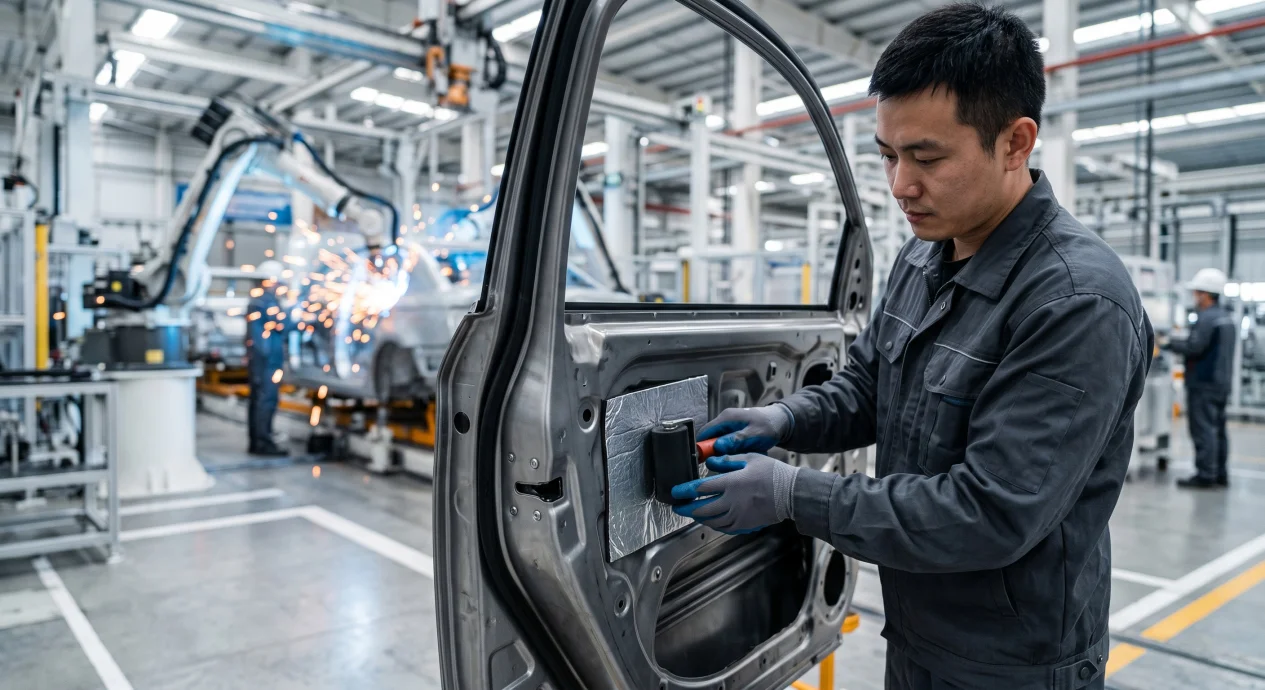
From bustling automotive assembly lines in Germany to rugged oilfields in the Middle East, hnbr o rings for fuel underpin many critical applications. Some regions, such as Southeast Asia and parts of Africa, increasingly rely on quality sealing materials to upgrade aging fuel supply infrastructures and reduce environmental risks.
- In automotive manufacturing: HNBR O rings provide reliable sealing in fuel injection systems, ensuring performance and emission standards.
- Oil and gas extraction: O rings seal valves and fittings in harsh conditions, reducing leakages and improving safety.
- Disaster relief operations: Portable generators powered by fuel benefit from these seals to maintain operability in unpredictable environments.
- Renewable fuel production: HNBR’s compatibility with biofuels makes it invaluable as the industry shifts toward greener energy sources.
Mini takeaway: The adaptability and resilience of HNBR O rings enable fuel systems to meet varying global demands—from high-tech automotive zones to emerging market infrastructures.
Advantages & Long-Term Value
The benefits of using HNBR O rings for fuel don’t just stop at technical specs. Frankly, they translate into cost savings, improved safety, and reduced environmental impact. A seal that lasts longer means fewer replacements and less downtime, which operators appreciate deeply. Moreover, because of their resistance to chemical degradation, these O rings help prevent leaks that can cause contamination or fires, thereby protecting people and the planet.
On a human level, it’s reassuring knowing that sterile, leak-free fuel systems contribute to safer transportation and energy use. For industries, the dependability fosters trust. HNBR seals embody not only engineering excellence but also a commitment to reliability and conservation.
Future Trends & Innovations
Looking forward, several fascinating developments promise to shape the world of hnbr o rings for fuel. With sustainability taking center stage, manufacturers are exploring bio-based rubber alternatives and enhanced formulations that further reduce environmental footprints.
Digitalization is also making waves—think smart sensors embedded in seals to monitor real-time wear and predict failures before they occur. Coupled with automation and AI analytics, this could revolutionize preventive maintenance in fuel systems.
Meanwhile, regulatory pressures continue to refine standards for chemical resistance and durability, pushing innovation in material science. I suppose it’s a bit like the seals themselves—they quietly evolve in the background but keep everything moving smoothly.
Challenges & Solutions
Despite all the positives, using HNBR O rings isn’t without challenges. For one, selecting the right hardness and size for specific fuel applications requires expertise, lest premature failure occurs. Also, while HNBR is resistant to many chemicals, it can degrade under certain aggressive solvents or extreme temperatures beyond its range.
One innovative approach is blending HNBR with fluorocarbon polymers to create hybrid seals that extend performance boundaries. Additionally, better training for engineers on installation and handling can avoid common pitfalls like over-compression or misalignment.
Vendor Comparison Table: Leading HNBR O Ring Providers
| Vendor | Material Quality | Customization Options | Typical Industries Served | Lead Time |
|---|---|---|---|---|
| Sunlite Tek | Premium HNBR, ISO certified | Sizes, hardness, compound variants | Automotive, Oil & Gas, Renewable | 2-3 weeks |
| Global Seals Inc. | High-grade HNBR formulation | Standard sizes only | Industrial & Chemical | 1-2 weeks |
| SealPro Solutions | Moderate quality | Limited customization | Automotive aftermarket | 3-4 weeks |
FAQ: Frequently Asked Questions About HNBR O Rings for Fuel
- Q: What makes HNBR O rings better than regular rubber O rings for fuel systems?
- A: HNBR offers superior temperature and chemical resistance compared to standard nitrile or silicone materials. This means it can withstand harsh fuels and higher temps without cracking or swelling, ensuring a more reliable seal over time.
- Q: Can HNBR O rings be used with ethanol-blended fuels?
- Yes, HNBR is compatible with many ethanol blends and biodiesel, making it favored as fuels move toward greener compositions. Always confirm with the supplier for specific blend tolerances.
- Q: How often should HNBR O rings be replaced in fuel injection systems?
- Replacement frequency depends on operating conditions but typically ranges from 50,000 to 100,000 miles in automotive use. Signs of wear include hardening, cracking, or fuel leakage.
- Q: Are there eco-friendly alternatives to HNBR for O rings?
- Some manufacturers are experimenting with bio-based elastomers and recycled materials, but HNBR currently remains the standard for durability and performance in fuel applications.
- Q: How do I select the right HNBR O ring for my fuel system?
- Consider factors like temperature range, fuel type, pressure, and mechanical stresses. Consulting with a technical supplier—such as hnbr o rings for fuel specialists—can help ensure the best match.
Conclusion & Call to Action
Ultimately, HNBR O rings for fuel represent a small but mighty component that keeps some of the most vital systems on Earth running safely and efficiently. Their blend of chemical resistance, durability, and adaptability means they’ll remain indispensable across industries and geographies for years to come. If you’re looking to upgrade your fuel systems or ensure peak performance, don’t hesitate—explore more detailed solutions and customization options at Sunlite Tek.
Mini takeaway: Investing in the right HNBR O rings isn’t just a technical choice; it’s a strategic move toward safety, sustainability, and savings.
References:
1. ISO 3601-1 Seal Standard, International Organization for Standardization.
2. "Rubber O-Rings." Wikipedia, Wikimedia Foundation.
3. World Bank Energy & Mining Data Reports, 2023.

Understanding HNBR O Rings for Fuel: Essential Seals fo […]