Select Language
 Understanding Rubber 0 Rings: Small Parts, Big Impact
If you've ever stared at a faucet or peeked inside a car engine, chances are you've come face to face with a rubber 0 ring — that tiny circular seal that quietly prevents leaks and keeps machinery humming smooth. While it might seem like a modest component, these rubber rings play a surprisingly global role across industries, from plumbing in your home to heavy-duty manufacturing and even space exploration.
Why does understanding rubber 0 rings matter? Simply put, their correct choice and application can mean the difference between efficiency or failure, safety or hazard, sustainability or waste. With the global sealing solutions market expected to rise steadily, grasping the benefits and nuances of rubber 0 rings is more than just technical trivia — it’s key for engineers, manufacturers, designers, and even humanitarian organizations aiming for long-lasting, reliable solutions.
Mini takeaway: Small yet mighty, rubber 0 rings are unsung heroes that ensure machines and infrastructure operate reliably worldwide.
The Global Context of Rubber 0 Rings: Why It’s Not Just Rubber and Circles
Plugging into some hard data — the global market for sealing solutions, including rubber 0 rings, crossed nearly $10 billion in value by recent estimates, propelled by rising industrialization and stricter environmental regulations (ISO 3601, the international standard for O-rings, helps here). Industrial giants in the U.S., China, Germany, and Japan lead production, but their uses span every one of the world’s industries, touching sectors from automotive to aerospace and food processing to oil and gas.
But there’s a challenge — durability and environmental resilience. In harsh climates or high-pressure systems, the wrong rubber compound or design leads to costly leakages, downtime, and sometimes, serious accidents. On humanitarian fronts, equipment failure because of poor sealing can hamper disaster relief or clean water delivery initiatives. That’s where smart selection and innovation in rubber 0 rings make a tangible difference.
Mini takeaway: Rubber 0 rings are a silent yet global enabler, addressing practical challenges in everything from safety to sustainability.
What Exactly Are Rubber 0 Rings?
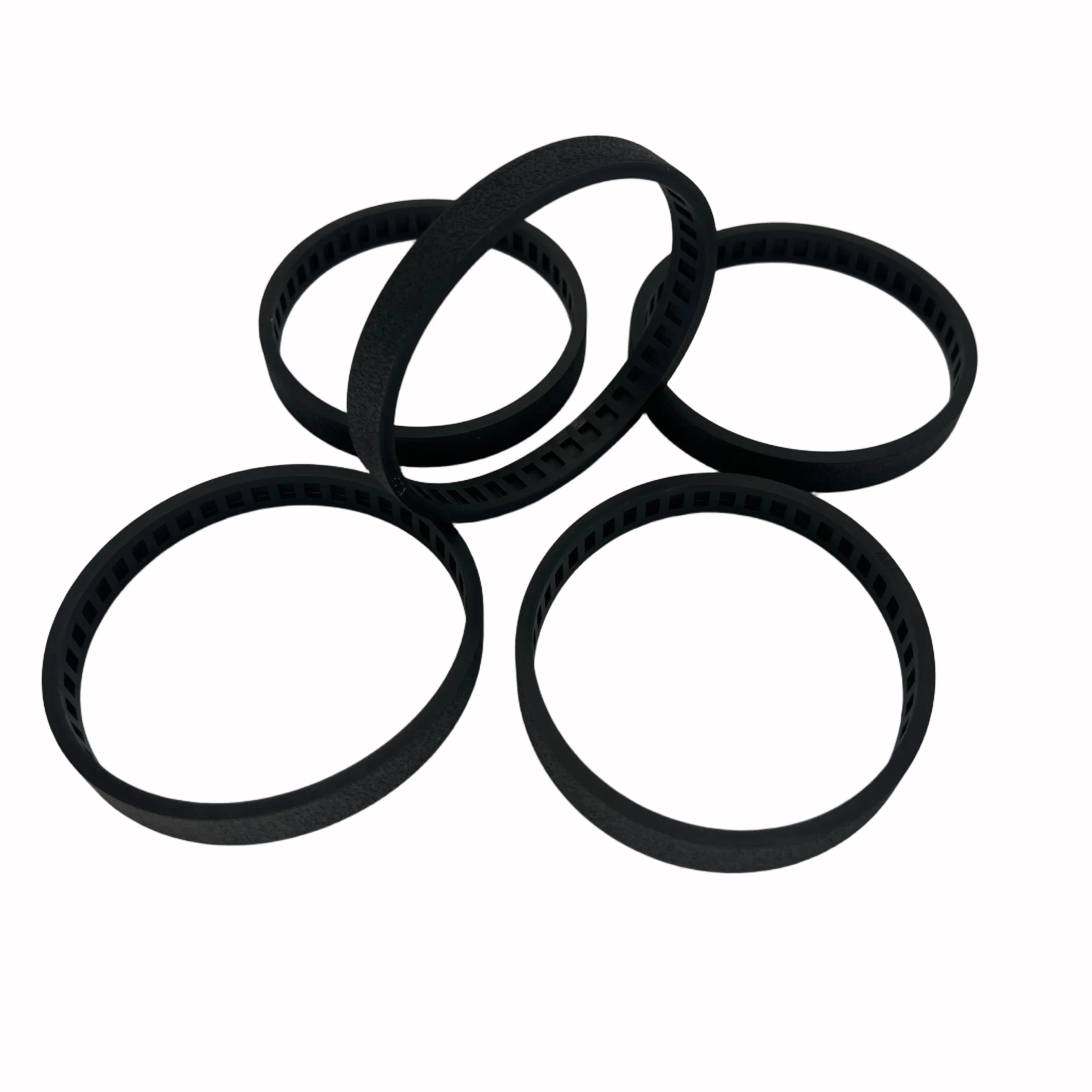
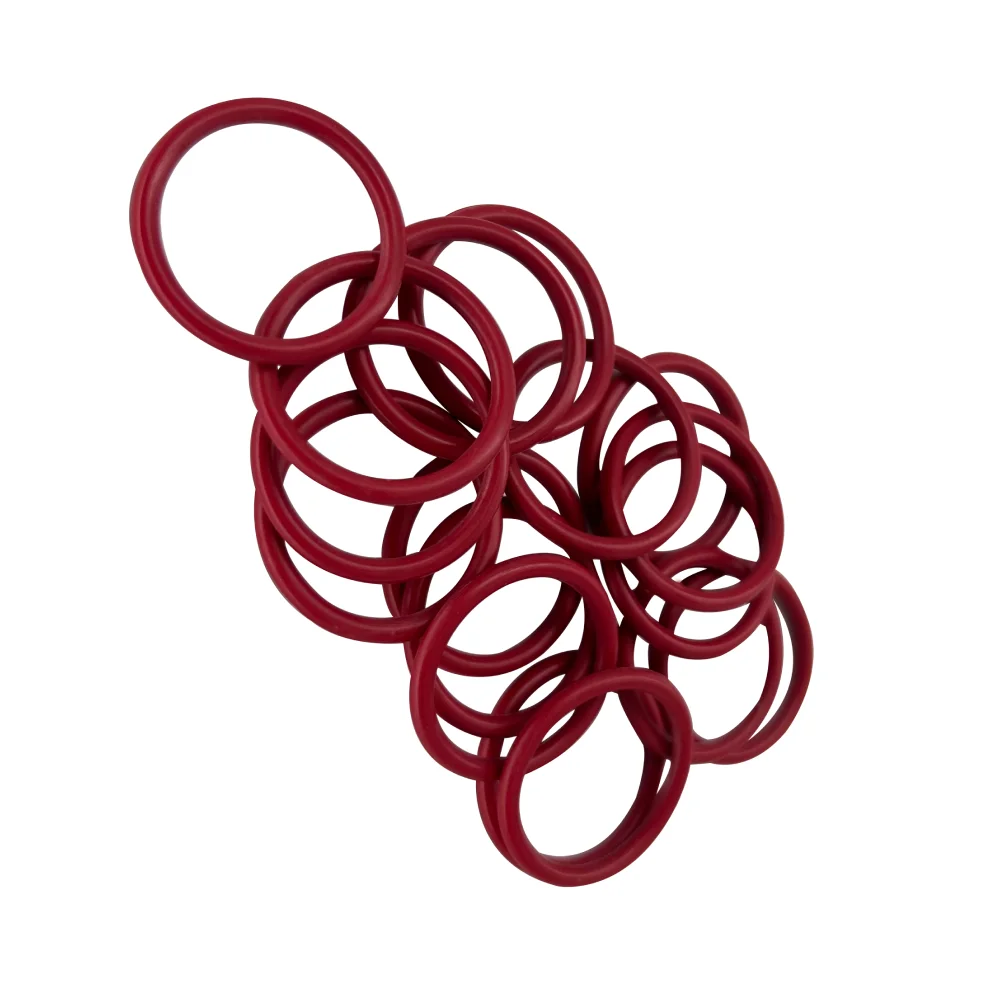
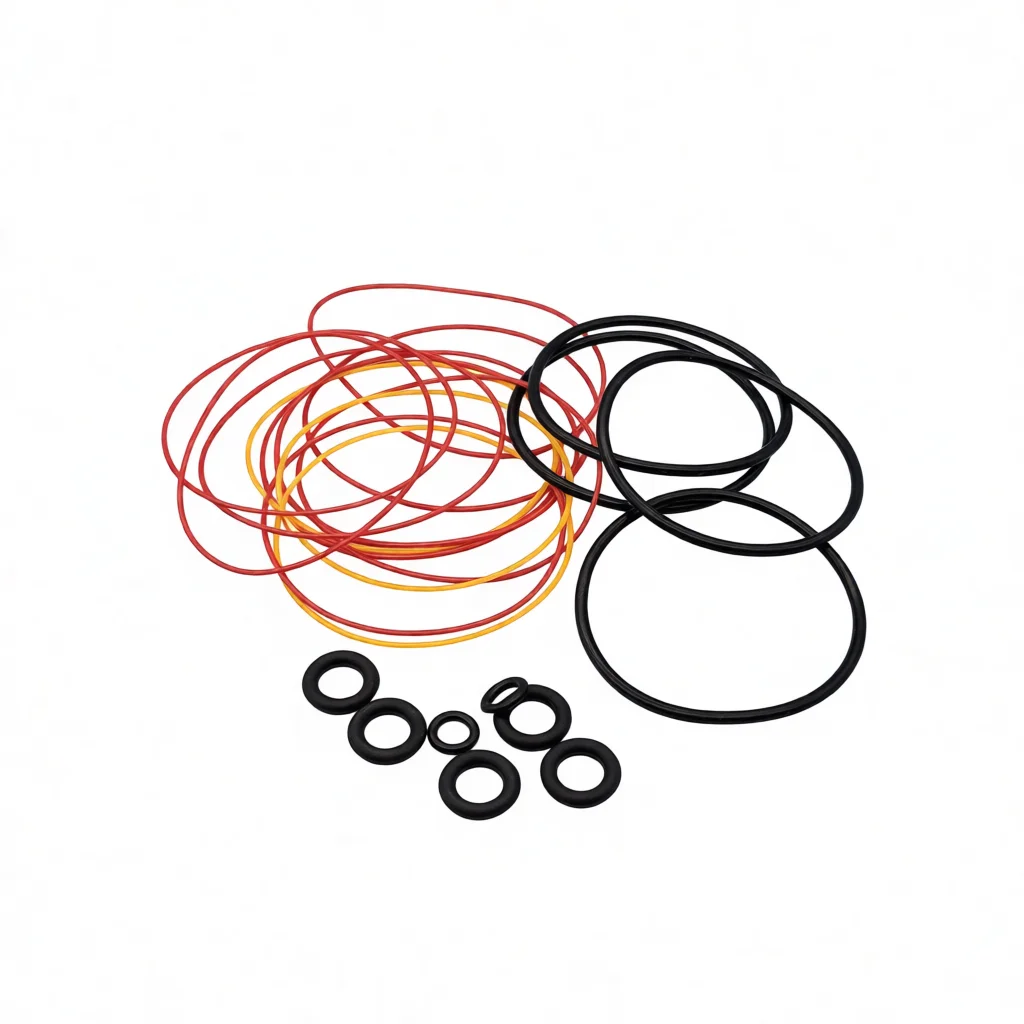
Simply put, a rubber 0 ring is a doughnut-shaped elastomeric seal that fits into grooves to create a tight barrier between two parts, stopping fluids or gases from leaking out. Unlike complex gaskets or mechanical seals, these rings are favorite for their simplicity, versatility, and ease of installation.
They’re made from different types of rubber: nitrile, silicone, EPDM, Viton, and others, each selected depending on the temperature, pressure, or chemical environment expected. For example, Viton is chosen for high-temperature automotive engines, while silicone excels at extreme cold.
In global industry and even humanitarian contexts — say, providing potable water in disaster zones — these seals are critical in pumps, valves, pipelines, and emergency machinery. Without dependable O-rings, many modern conveniences and lifesaving equipment would falter.
Mini takeaway: Rubber 0 rings are elegantly simple seals that quietly reduce leaks and boost equipment reliability worldwide.
Core Features That Define Effective Rubber 0 Rings
Durability and Chemical Resistance
Not all rubber is created equal. Durable rings resist cracking, swelling, and deterioration even after years of exposure. For instance, EPDM excels in UV and ozone resistance, perfect for outdoor use, while nitrile offers excellent oil resistance — something automotive engineers swear by.
Precision Sizing and Compression Set
The ring must fit just right — not too tight, not loose. Compression set, the material’s ability to recover its shape after being squeezed, is critical. A poor fit or low resilience means leakage or premature failure.
Temperature Tolerance
Working in an arctic pipeline or inside a hot engine? The ring's rubber type must match. Silicone and fluorocarbon rubbers can comfortably handle extremes from -60°C to over 250°C.
Cost Efficiency and Scalability
Mass-produced yet engineered for precision, rubber 0 rings provide a relatively low-cost sealing solution. Bulk manufacturers and sourcing agencies can efficiently supply everything from specialty medical-grade O-rings to heavy-duty industrial ones.
Environmental Impact
Interestingly, the industry is moving towards more sustainable and biodegradable elastomers, echoing global calls for environmentally responsible manufacturing.
Mini takeaway: Selecting the right rubber compound, fit, and tolerance is essential — it’s where failure often hides.
A Snapshot of Rubber 0 Rings in Global Use
These seals keep the wheels turning in industries everywhere:
- Automotive sector: Engine gaskets, fuel systems, and brake valves worldwide.
- Oil and gas: High-pressure sealing for pipelines and refineries in the Middle East and Russia.
- Food and beverage: Seals in sanitary pumps and packaging machines in Europe and North America.
- Water treatment and disaster relief: Emergency pumps and filtration systems delivering fresh water in Sub-Saharan Africa and Southeast Asia.
- Aerospace: High-spec Viton-based rings in jet engines and spacecraft assemblies.
One memorable use case: In post-disaster relief operations after typhoons in the Philippines, NGOs have relied on emergency water filtration units using quality rubber 0 rings designed for tropical conditions — preventing costly downtime and ensuring safe drinking water.
Mini takeaway: Rubber 0 rings are everywhere you look, often in situations where failure is simply not an option.
Advantages and Long-Term Value of Rubber 0 Rings
- Reliability: When o-rings hold, entire systems keep running without costly leaks.
- Cost savings: Lightweight, mass-producible seals reducing replacement frequency and maintenance overhead.
- Sustainability: Emerging biodegradable rubbers cut down plastic waste and environmental toxicity.
- Safety and trust: Reliable seals prevent accidents from hazardous leaks and maintain dignity in humanitarian contexts.
- Innovative flexibility: Customizable designs that can fit almost any application, from microelectronics to massive industrial valves.
There’s something oddly satisfying about such a small component delivering so much value — feels a bit like a Gordon Ramsay pinch of salt: the secret ingredient that elevates the whole dish.
Product Specification Table: Typical Rubber 0 Ring Properties
| Specification | Range/Type | Common Applications |
|---|---|---|
| Material | Nitrile (NBR), Viton (FKM), Silicone, EPDM | Automotive, aerospace, pharmaceuticals |
| Temperature Range | -60°C to +250°C | Cold storage, engine parts |
| Hardness (Shore A) | 40 - 90 | Depending on application stress |
| Max Pressure | Up to 5000 psi (varies) | Hydraulic systems, industrial valves |
| Compression Set | Less than 25% after 24h at 100°C | Long-term sealing reliability |
Vendor Comparison: Leading Rubber 0 Ring Suppliers
| Supplier | Material Options | Customization Levels | Global Reach | Lead Times |
|---|---|---|---|---|
| SunliteTek | NBR, Viton, EPDM, Silicone | High: custom sizes, compounds | Global (+50 countries) | 2-4 weeks standard |
| Global Seal Co. | NBR, Silicone | Medium: limited custom orders | North America, Europe | 3-6 weeks |
| EcoSeal Solutions | Eco-friendly elastomers only | High: biodegradable options | Europe, Asia | 4-5 weeks |
Looking Ahead: Innovations and Sustainability Trends
Rubber 0 ring technology isn’t frozen in time. We’re seeing advances in green materials, like bio-based elastomers and recyclable rubbers that promise to reduce landfill waste — a pressing global concern given millions of seals get replaced yearly. Automation is helping engineers prototype with tighter tolerances, ensuring even better leak prevention under extreme conditions.
Smart materials that adjust to pressure or temperature shifts? Not science fiction anymore. Although a bit niche, these developments promise to expand the versatility and lifespan of O-ring seals in the near future.
Mini takeaway: The future of rubber 0 rings is as much about smart sustainability as about engineering precision.
Common Challenges with Rubber 0 Rings (and How to Fix Them)
Often, problems arise from mismatched materials, improper installation, or environmental factors designers didn’t fully consider. For example, exposure to unexpected chemicals or extreme UV can cause swelling or deterioration.
Experts recommend:
- Careful material selection based on actual operating environments
- Following ISO standards like ISO 3601 for design and testing to ensure tight tolerances
- Regular inspections and replacements during maintenance cycles
- Using rubber 0 rings from reputable vendors offering customized compounds
A proactive approach is the key to avoiding surprises — because, frankly, when an o-ring fails, everything downstream feels the pain.
FAQ: Frequently Asked Questions About Rubber 0 Rings
What rubber material is best for high-temperature sealing?
Generally, Viton (fluorocarbon) rubbers are preferred for temperatures above 200°C due to their excellent heat and chemical resistance. Silicone is good too, especially between -60°C and 230°C. But always consider your exact operating environment.
How do I ensure a rubber 0 ring fits correctly?
Follow dimensional standards such as ISO 3601, and measure groove dimensions carefully. The ring’s cross-section and inner diameter must match the groove, allowing a slight compression to form a tight seal without deformation.
Can rubber 0 rings be reused after removal?
Usually, reusing O-rings is discouraged because they may deform or have micro-cracks. For critical applications, always replace rings on servicing.
Are eco-friendly rubber 0 rings available?
Yes, some vendors now offer biodegradable elastomers or use recycled materials, balancing environmental impact with durable sealing performance.
Is it possible to customize rubber 0 rings for unique applications?
Absolutely. Many suppliers, such as SunliteTek, offer custom sizes, hardness levels, and compounds tailored to specific industry needs.
Wrapping Up: Why Rubber 0 Rings Matter More Than You Think
It’s kind of poetic that such small rubber rings have such massive global footprints. From stabilizing car engines to safeguarding safe water supplies in vulnerable regions, the humble rubber 0 ring quietly enables a safer, more efficient world.
On a final note, whether you’re an engineer choosing seals for industrial gear or a buyer sourcing durable components for humanitarian kits, investing in quality rubber 0 rings pays dividends in safety, reliability, and sustainability.
Curious about the right rubber 0 rings for your needs? Visit our website for detailed product info and expert advice: SunliteTek Rubber 0 Rings.
References

Understanding Rubber 0 Rings: Small Parts, Big Impact I […]