

 Select Language
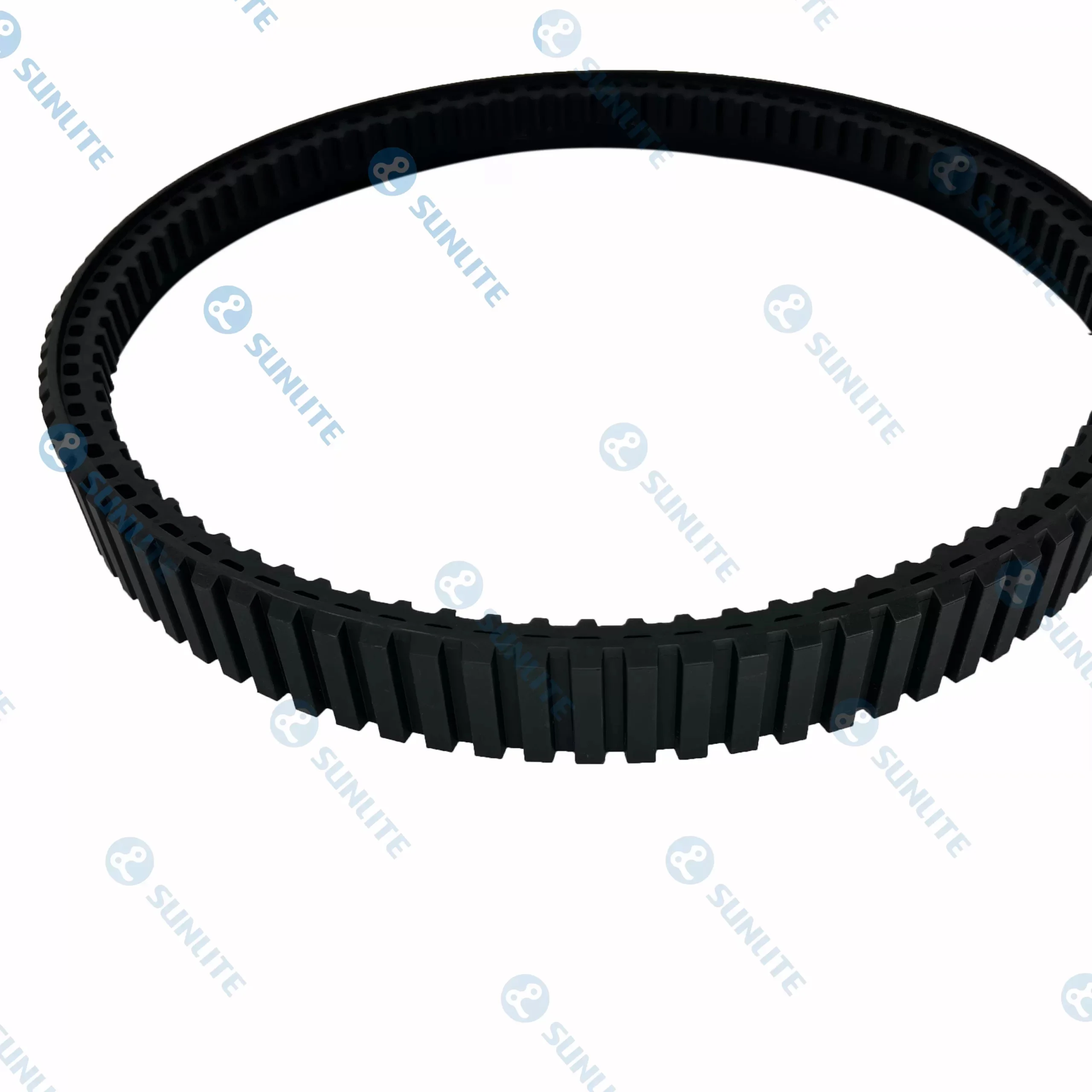
In the evolving theater of autonomous mobility, the interface between a machine and the earth determines the ultimate success of its mission. Whether a robotic platform is designed for hazardous waste disposal, agricultural automation, or search and rescue in collapsed structures, the choice of locomotion is a fundamental engineering decision. While wheels offer simplicity, they often falter when faced with the unpredictability of the natural world. This is where the integration of rubber tank tracks for robots provides a transformative durability advantage. By distributing weight across a broader surface area and utilizing advanced material science, these tracking systems ensure that high-value electronic payloads can navigate the most unforgiving landscapes without mechanical failure.
The shift toward rubberized systems over traditional steel or rigid plastics marks a significant milestone in robotic longevity. Steel tracks, while strong, are prone to corrosion and can be destructive to the very environments they are meant to inspect. In contrast, modern high-performance rubber compounds offer a unique blend of flexibility and toughness. This resilience allows the robot to absorb the kinetic energy of impacts that would otherwise shatter a wheel or bend a metal link. As robotics move from controlled factory floors into the "wild," the physical stamina provided by these specialized treads becomes the backbone of operational reliability.
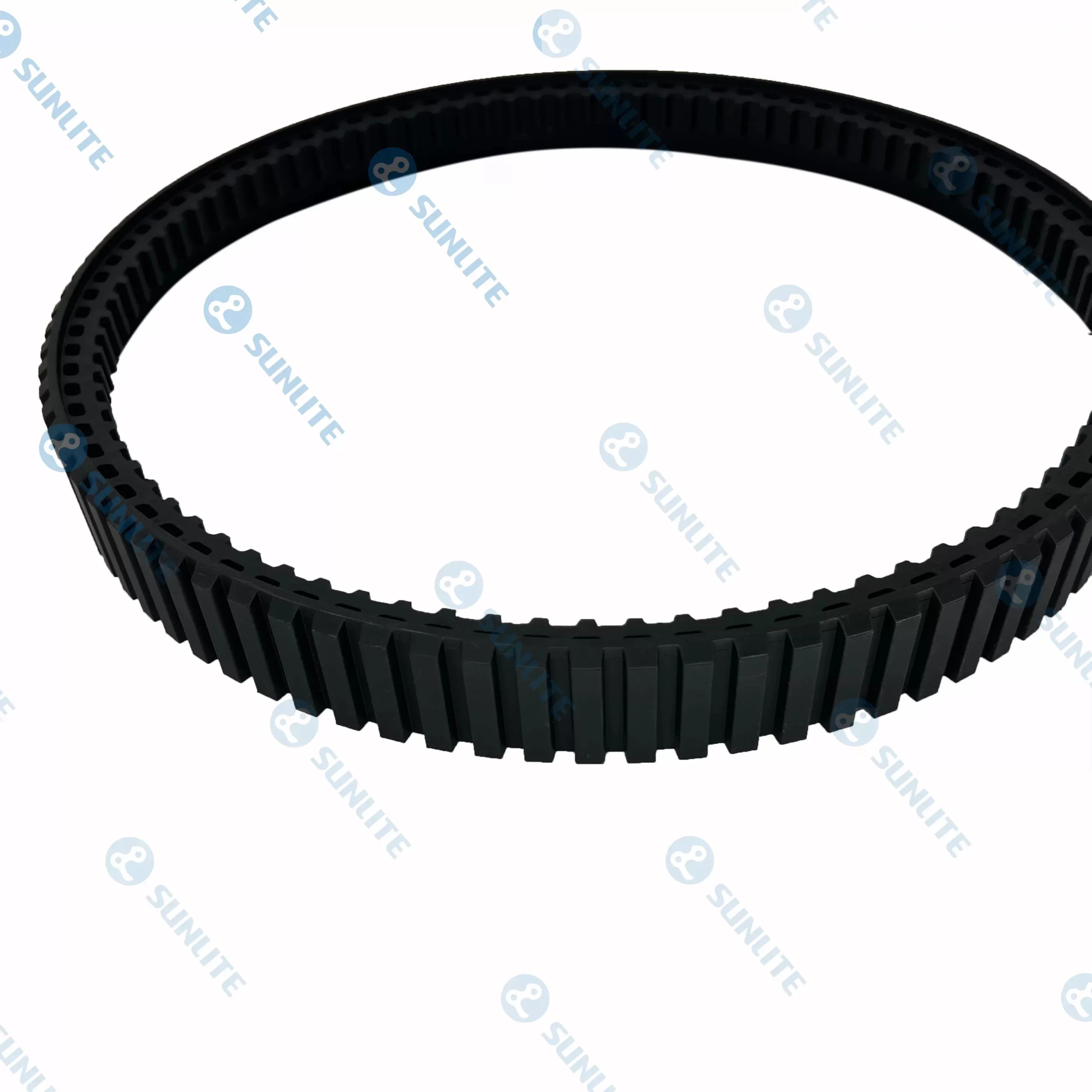
Engineering Resilience with Custom Rubber Robot Tracks
The core of a robot's survival in the field is its ability to withstand constant abrasive forces. Unlike a stationary machine, a mobile unit is in a perpetual state of friction with its environment. The development of specialized rubber robot tracks has addressed this by utilizing multi-layer vulcanization processes. These tracks are not merely molded pieces of rubber; they are complex composite structures often reinforced with internal high-tensile steel cords or aramid fibers. This internal skeleton prevents the track from stretching or snapping under high torque, ensuring that the drive system maintains its timing and tension even during aggressive maneuvers.
Furthermore, the external geometry of these tracks is meticulously designed for "terrain adaptation." The lugs—or the raised patterns on the tread—are engineered to provide a mechanical interlock with various surfaces. On soft soil, they act like paddles; on jagged rock, they deform slightly to wrap around edges, increasing the total surface contact. This adaptability reduces the "slip-and-grip" cycle that causes premature wear in lesser materials. By choosing high-performance rubber robot tracks, engineers can extend the service interval of their machines, allowing them to operate for hundreds of hours in abrasive sand or jagged gravel without requiring a track replacement.
The Industrial Strength of Heavy Duty Robot Tracks
In sectors such as mining, construction, and deep-sea exploration, the term "durability" takes on a much more intense meaning. For these applications, heavy duty robot tracks are the only viable solution for managing massive payloads over uneven ground. When a robot is tasked with carrying hundreds of kilograms of sensors, batteries, or hydraulic tools, the pressure exerted on the ground-contact points is immense. A standard wheel would sink or get stuck, but heavy-duty tracks spread that pressure thin, allowing a multi-ton machine to "float" over mud or silt.
The durability of these heavy-duty systems also lies in their resistance to chemical and thermal degradation. In industrial sumps or chemical storage facilities, robots often encounter oils, acids, and caustic cleaners that would melt standard tires. High-performance heavy duty robot tracks are formulated with specialized polymers that remain inert in the presence of these solvents. Additionally, they can withstand significant temperature swings—from the freezing cold of a high-altitude inspection to the intense heat of a forest fire response. This environmental agnosticism ensures that the robot remains a reliable tool regardless of the atmospheric or chemical conditions it encounters.
Navigating Complexity with Tank Treads for Robots
One of the most significant mechanical hurdles in robotics is the ability to navigate "unstructured" obstacles—curbs, stairs, fallen trees, and debris. The design of tank treads for robots mimics the legendary mobility of military vehicles but scales it down for the precision required in modern automation. The continuous loop of the tread means the robot is always "carrying its own road." This eliminates the risk of a single point of failure; if a wheel gets stuck in a crack, the robot is immobilized, but a tank tread simply bridges the gap and continues forward.
The durability advantage here is found in the reduction of mechanical stress on the chassis. Because tank treads for robots provide a much smoother ride over bumps, the internal vibrations that usually plague robotic sensors are significantly dampened. This "mechanical filter" protects the sensitive LiDAR, cameras, and microprocessors from the jarring shocks of off-road travel. By smoothing out the terrain, the tracks actually extend the life of every other component inside the robot. It is a holistic approach to durability: a better tread leads to a more stable platform, which in turn leads to a longer-lasting electronic system.
Material Excellence in Modern Rubber Tracks
The final frontier of durability in robotic locomotion is found in the chemical composition of the rubber tracks themselves. Manufacturers have moved away from natural rubbers in favor of synthetic Nitrile (NBR) or Neoprene blends, which offer superior UV resistance. In long-term outdoor deployments, such as autonomous security patrols or solar farm cleaning, the sun is a constant enemy. UV rays cause standard rubber to "check" or crack, eventually leading to structural failure. High-performance rubber tracks are infused with anti-ozonants that protect the material from the sun's radiation and the ozone in the air.
Moreover, the "non-marking" nature of these tracks is a hidden durability benefit for indoor-outdoor hybrid robots. A robot that can move from a muddy construction site directly onto a finished warehouse floor without damaging the surface or leaving black streaks is highly valuable. This versatility means one machine can do the work of two, reducing the total mechanical "miles" required for a project. The smooth, quiet operation of rubber tracks also reduces noise pollution, making them ideal for urban environments where a clanking metal track would be unacceptable.
In the evolving theater of autonomous mobility, the interface between a machine and the earth determines the ultimate success of its mission.