Select Language
 Power-Tool Grade Self-Lubricating Yellow Seal: What’s Real, What’s Hype
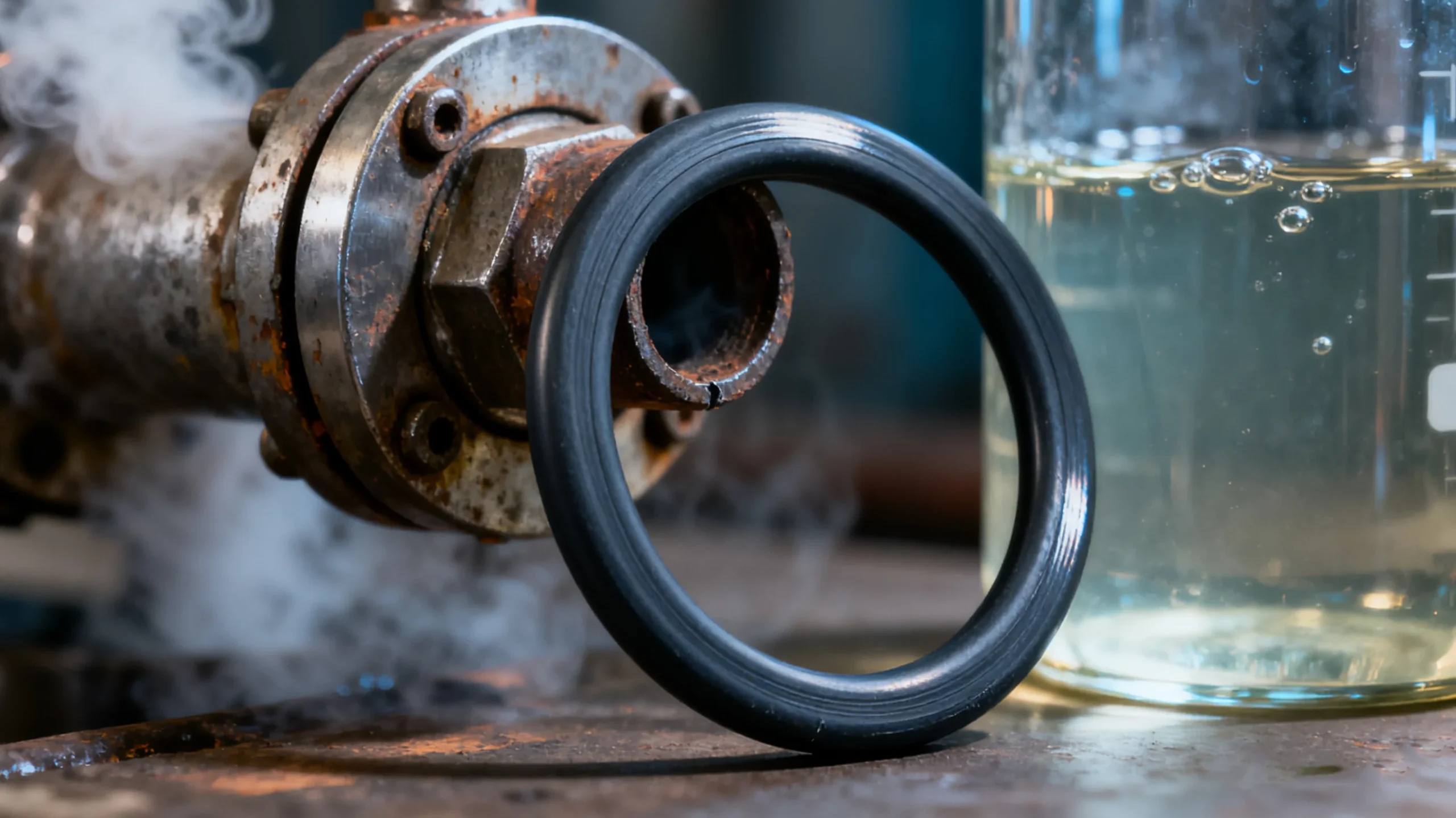
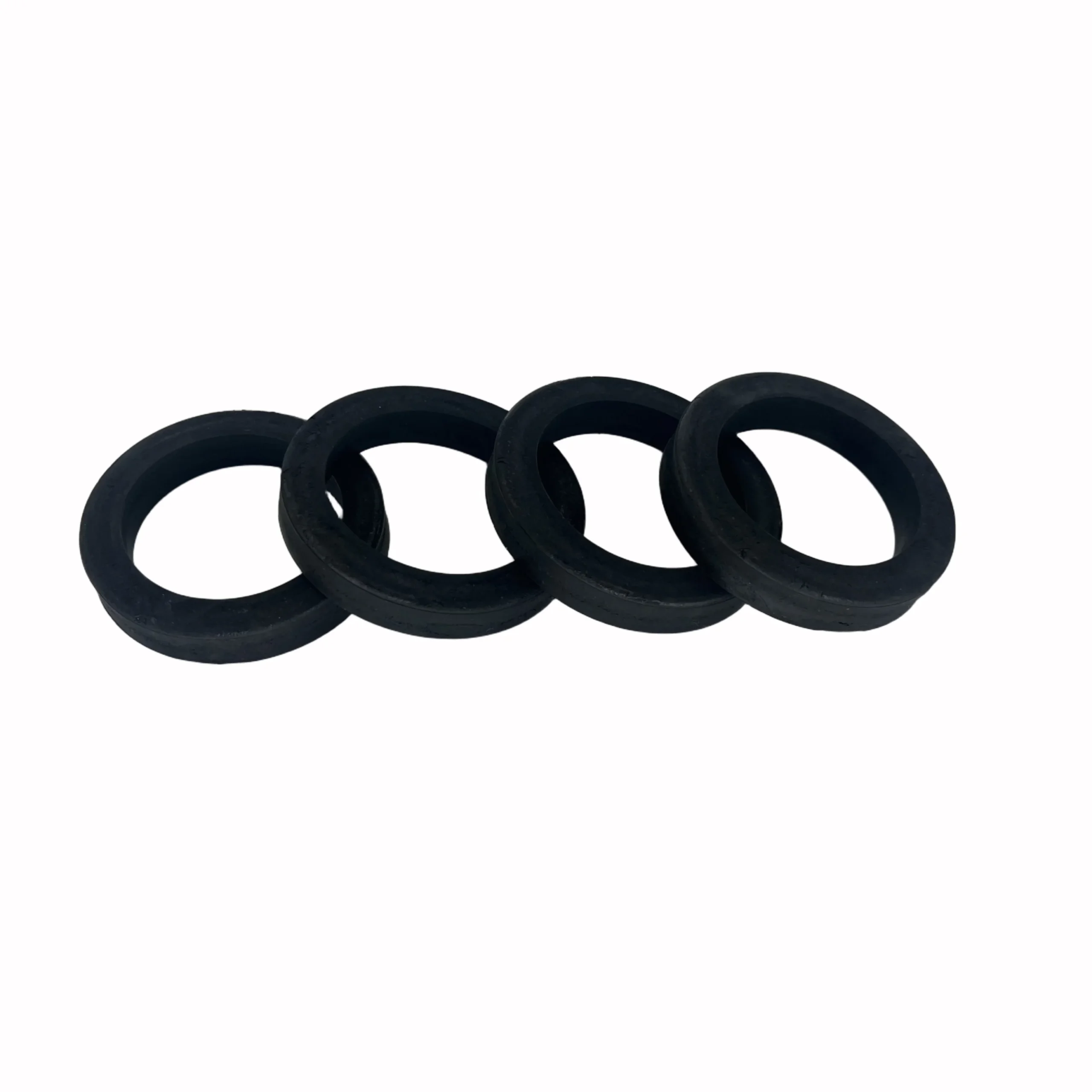
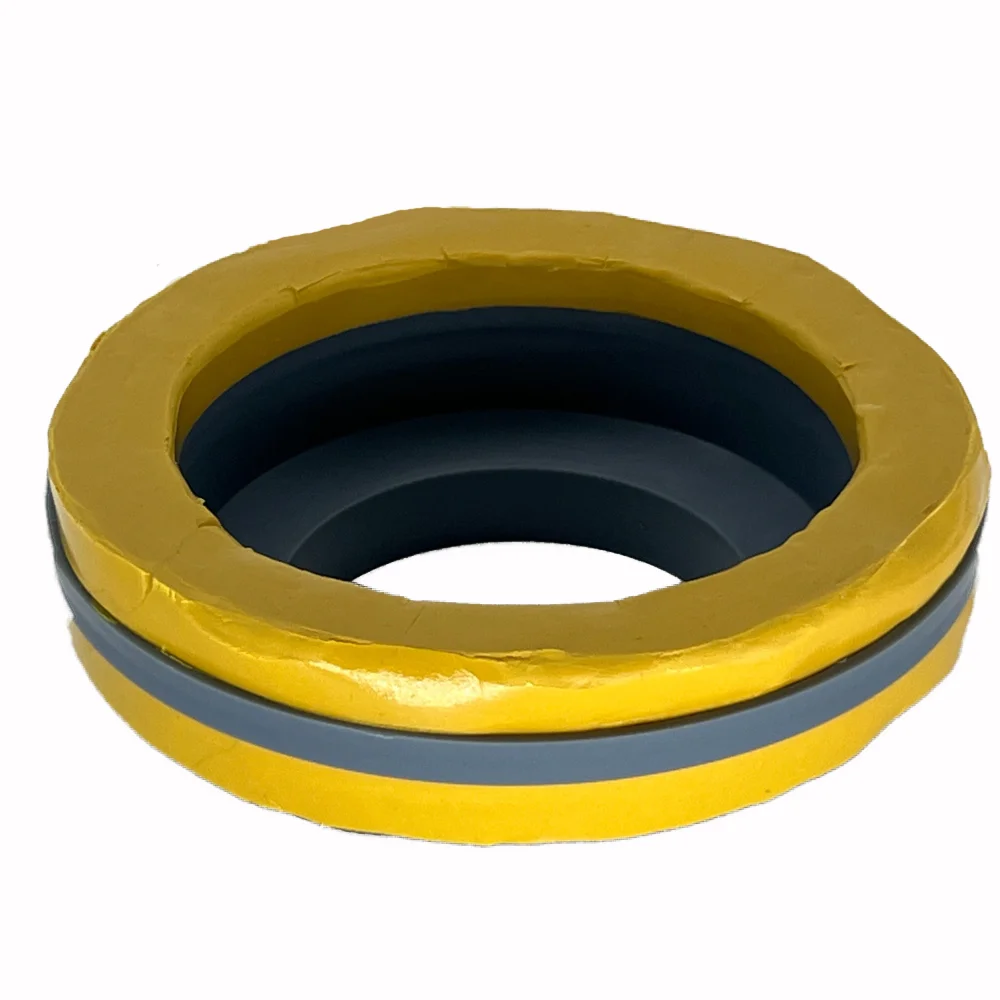
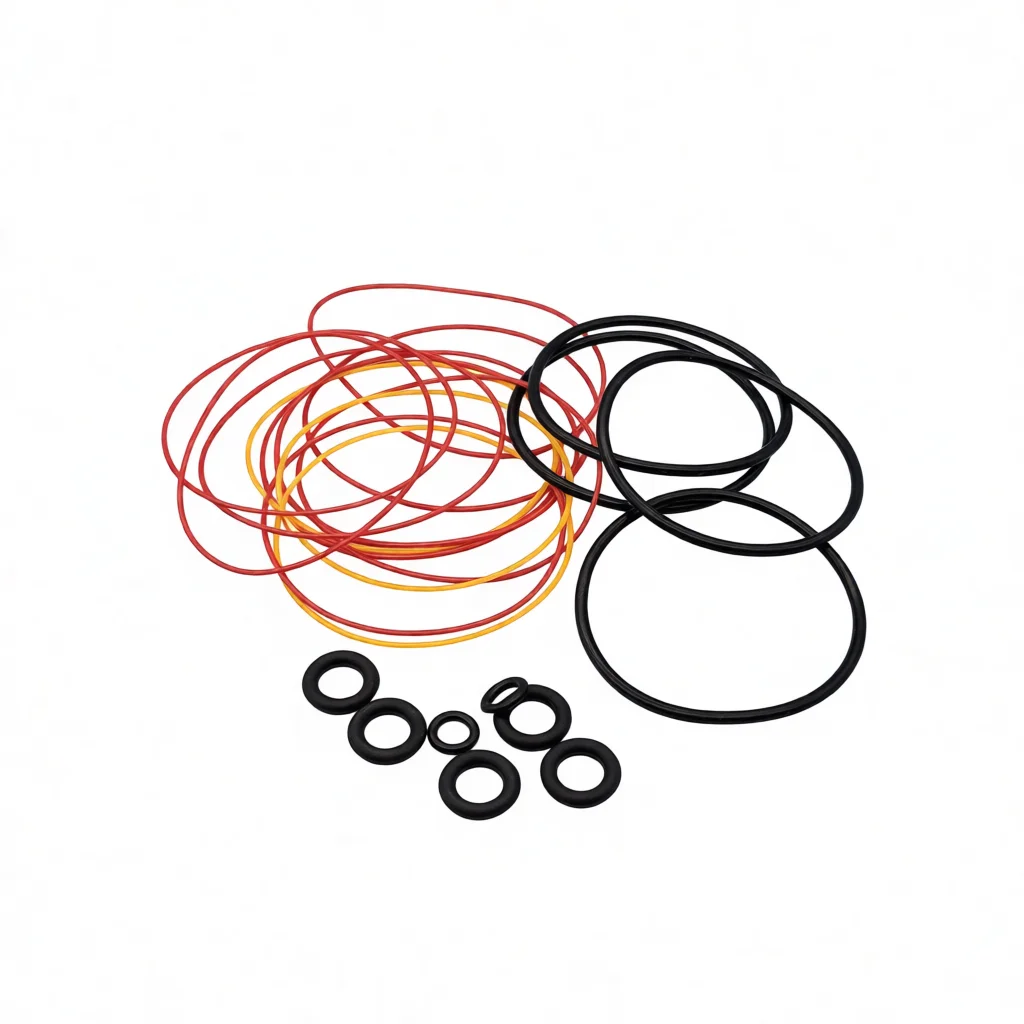
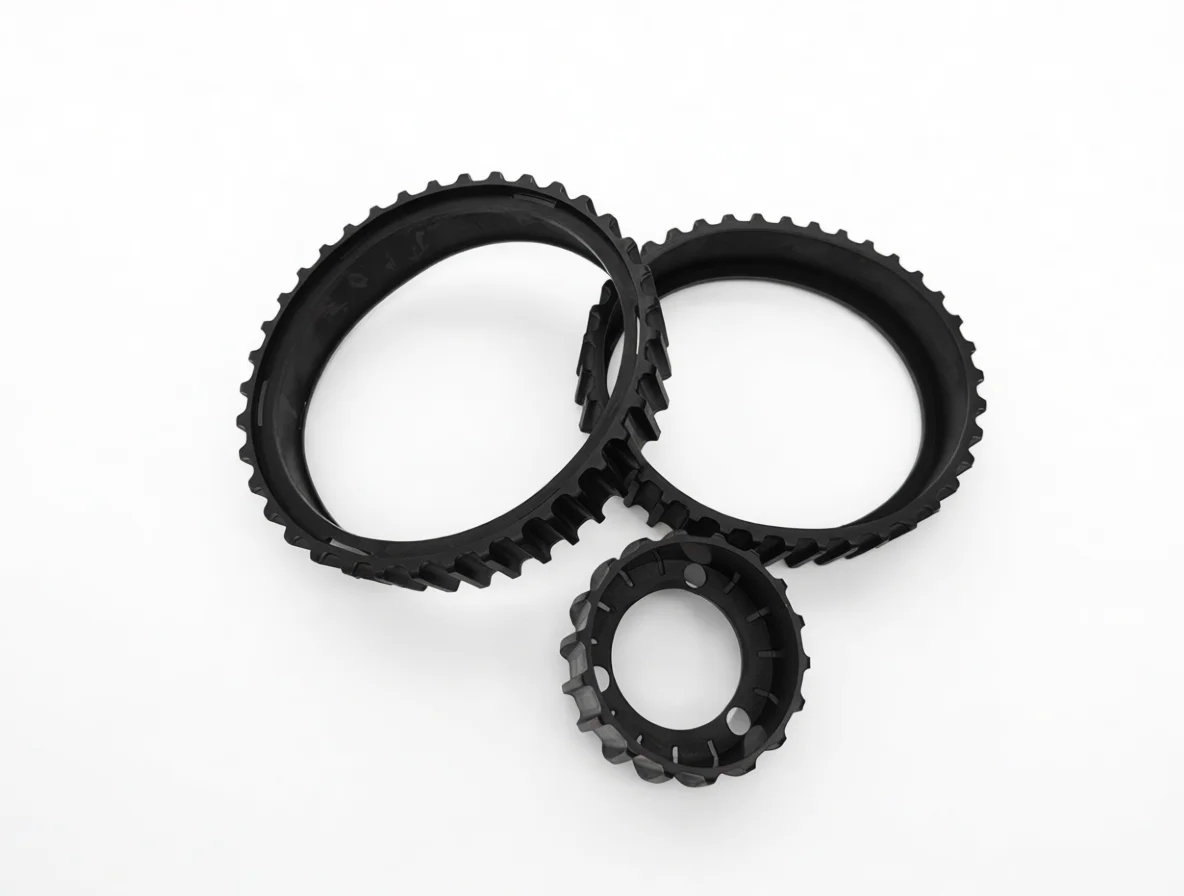
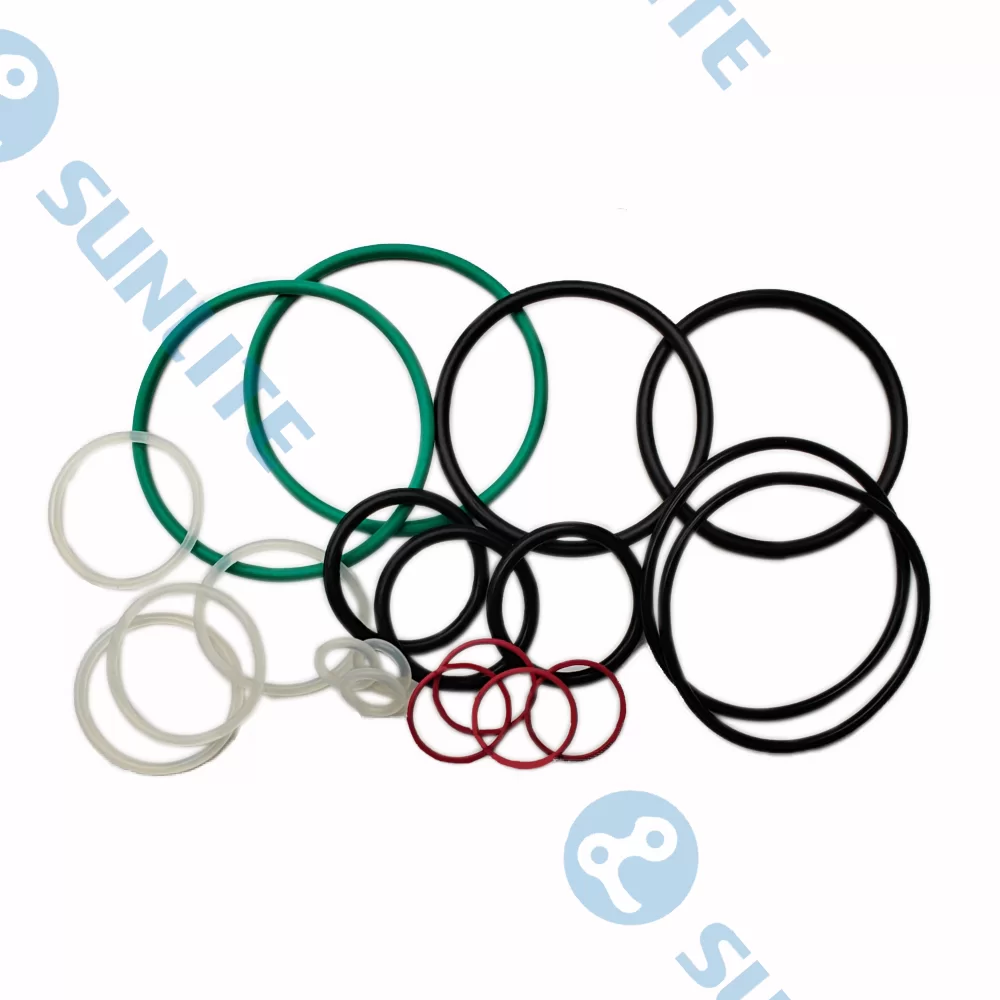
If you spend your days chasing down leaks in compact housings, you’ll want to look closely at the Yellow Rubber Ring designed for power tools. I’ve toured factories from Suzhou to Stuttgart, and, to be honest, this one from Dongguan has that pragmatic “built-for-the-job” vibe. It’s formally the Self-Lubricating Sealing Ring—oil-resistant, wear-resistant, and rated for a claimed 250,000 cycles of sealed operation without leakage. Actually, that’s a bold number; let’s unpack why it might hold up.
Industry pulse: compact drives, hotter motors, thinner oils
Tool makers are pushing higher RPMs and slimmer housings. That means seals live in tighter grooves, hotter neighborhoods, and get hit by low-viscosity synthetics. A Yellow Rubber Ring with embedded solid lubricants helps lower friction and reduce heat rise—handy for cordless hammer drills, gearboxes in angle grinders, and pneumatic actuators that cycle all day long.
Materials and process (the short version)
- Base elastomers: NBR or FKM (depending on oil and temp), colored yellow for fast line-side ID.- Additives: PTFE/MoS₂ micro-particles dispersed in the matrix for self-lube; anti-oxidants and anti-wear agents.
- Methods: high-precision compression/transfer molding, post-cure (especially for FKM), cryogenic deflash; 100% visual and size sampling per drawing.
- Testing: oil immersion per ASTM D471, compression set per ASTM D395, hardness per ASTM D2240/ISO 48-4, dimensional per ISO 3601-1 tolerances.
- Service life target: ≈250,000 dynamic cycles with no leakage in lab rigs; real-world use may vary with groove finish and media.
Product specifications
| Product | Self-Lubricating Sealing Ring (Power-Tool Special) |
| Color | Yellow (fast identification) |
| Material options | NBR 70±5 Shore A; FKM 75±5 Shore A; self-lube fillers (PTFE/MoS₂) |
| Operating temp | NBR: -20 to +120 °C; FKM: -15 to +180 °C (application-dependent) |
| Pressure / speed | Up to ≈8 MPa dynamic; up to ≈2 m/s; finish Ra ≤0.4 μm recommended |
| Compression set | ≤20% @ 100 °C, 24 h (ASTM D395, typical) |
| Oil resistance | Tested per ASTM D471 in PAO and gear oils; volume change within spec bands |
| Friction coefficient | ≈0.15±0.03 vs. steel (internal ring-on-plate), lower than standard NBR |
| Sizes | ID 4–120 mm, CS 1–8 mm; custom profiles/grooves on request |
Where it’s used (and why)
- Cordless hammer drills and angle grinders (gearbox seals) • Pneumatic impact wrenches (rotor shaft) • Compact hydraulic hand pumps • Brushless motor end-shields. Advantages: lower run-in torque, better oil control, and—this matters—fewer warranty returns due to micro-leaks. Several customers say assembly is smoother because the self-lube surface doesn’t stick as much during press-in.
Real-world feedback and data
- Internal cycling rig hit 250,000 cycles with no visible leakage on ISO VG32 oil; wear loss ≈12 mg (DIN/ASTM abrasion methods), and torque plateaued lower than plain NBR. One OEM told me they saw a 15–20% drop in early-life seepage after switching to the Yellow Rubber Ring. Not a peer-reviewed trial, but directionally consistent.
Vendor quick compare
| Criteria | SunliteTek Self-Lube (this) | Generic NBR O‑ring | PTFE Energized Seal |
|---|---|---|---|
| Oil resistance | High (ASTM D471 tested) | Moderate | Excellent |
| Friction / start torque | Low (self-lubricating) | Medium | Very low |
| Cycle life (≈) | Up to 250k | 80–150k | 200k+ |
| Cost | $$ | $ | $$$ |
| Customization | High (compounds, sizes) | Low–Medium | High |
Customization and ordering
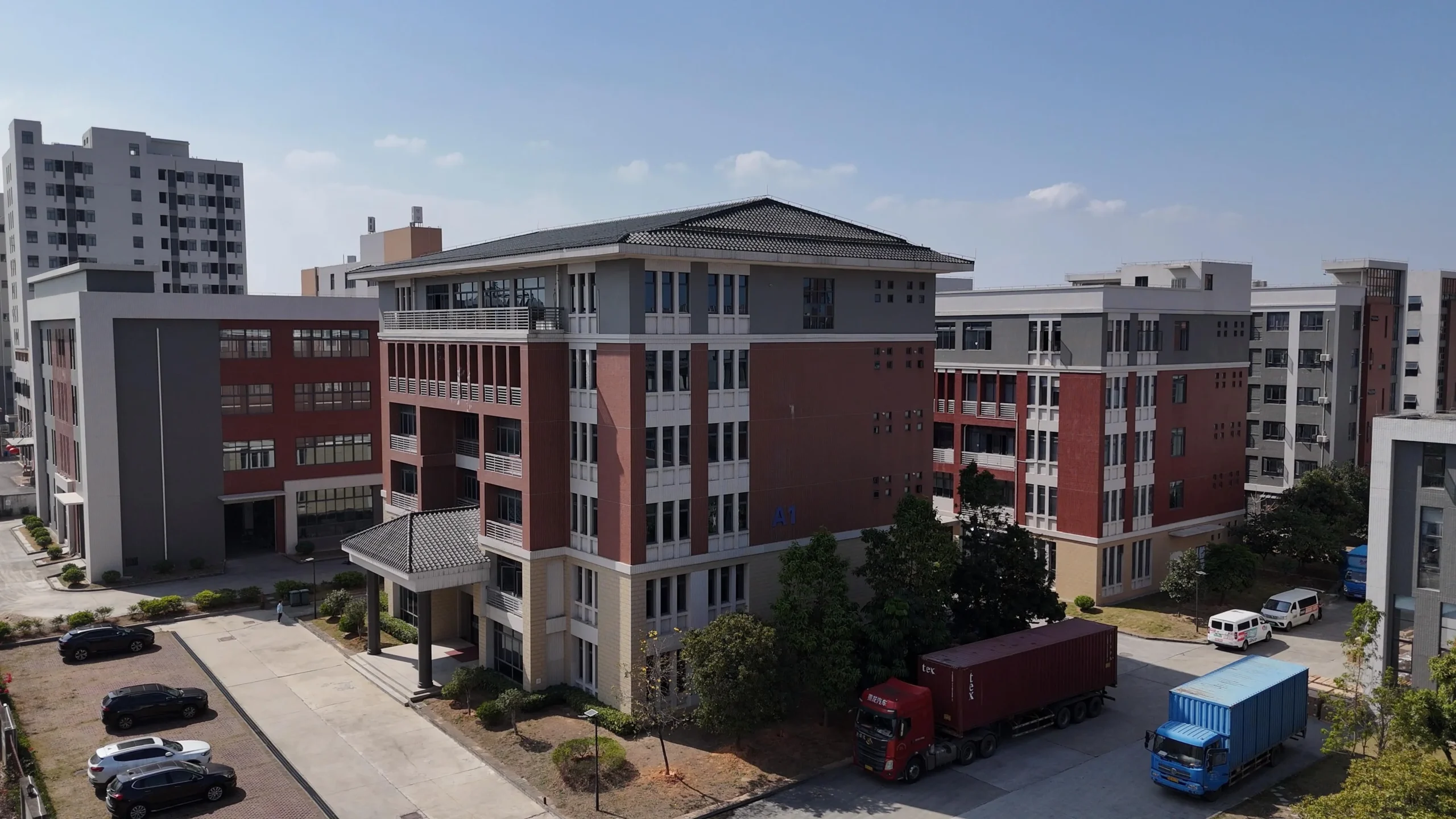
Origin: No. 16, Third Road, Zhangpeng Industrial Park, Machong Town, Dongguan City, Guangdong Province, China. Typical lead times: around 2–4 weeks after tooling. Options: NBR vs. FKM, hardness tuning, groove-matched profiles, laser marking. Compliance on request: RoHS/REACH. Drawings with ISO 3601-1 tolerances help prevent over-squeeze (common field issue).
Two short case notes
- European grinder OEM: swapped legacy NBR for the Yellow Rubber Ring, reported 18% fewer early oil stains in QA over three months.
- APAC pneumatic tool line: assembly torque dropped slightly; operators noted fewer “stick-slip” starts after weekend downtime.
Final checks before you spec it
Confirm media (PAO vs. esters), peak temperatures near the bearing, and shaft finish. If you’re running shock loads, ask for compression set data at your exact dwell time. It seems obvious, but a clean groove wins half the battle.
Standards and references
- ISO 3601-1: O-rings — Inside diameters, cross-sections, tolerances
- ASTM D471: Standard Test Method for Rubber—Deterioration in Liquids
- ASTM D2000: Classification System for Rubber Products in Automotive Applications
- ASTM D395: Compression Set of Rubber
- ISO 48-4: Rubber, vulcanized — Determination of hardness (IRHD)

Power-Tool Grade Self-Lubricating Yellow Seal: What&rsq […]